

 Products
 Martindale abrasion tester Updated
 VeriVide Original D65 Tube Light

0%
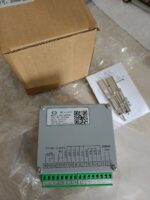
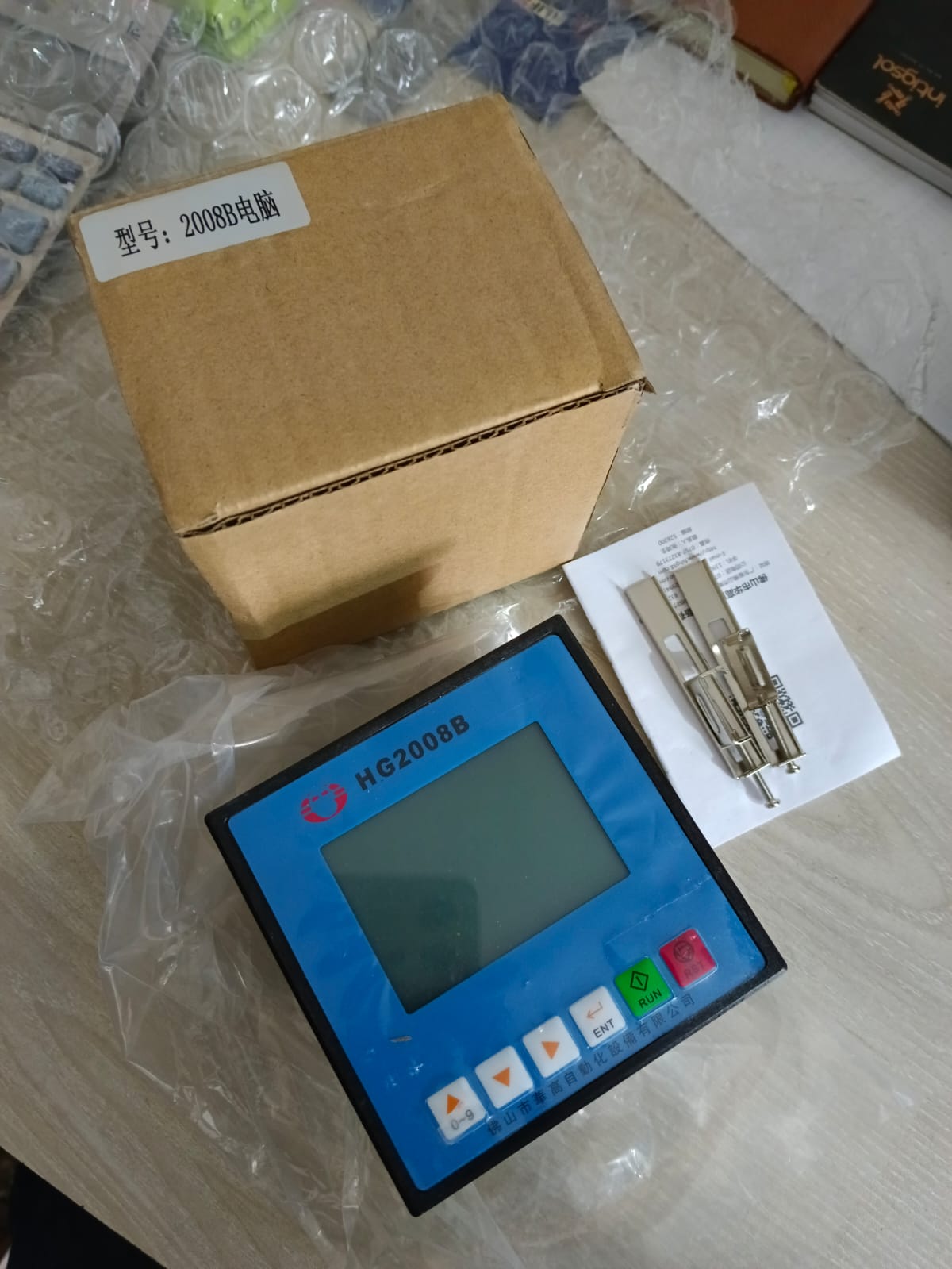
Controller For IR Dyeing Machine
$0.00
Controller For IR Dyeing Machine
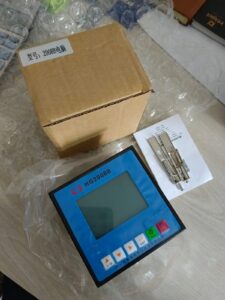
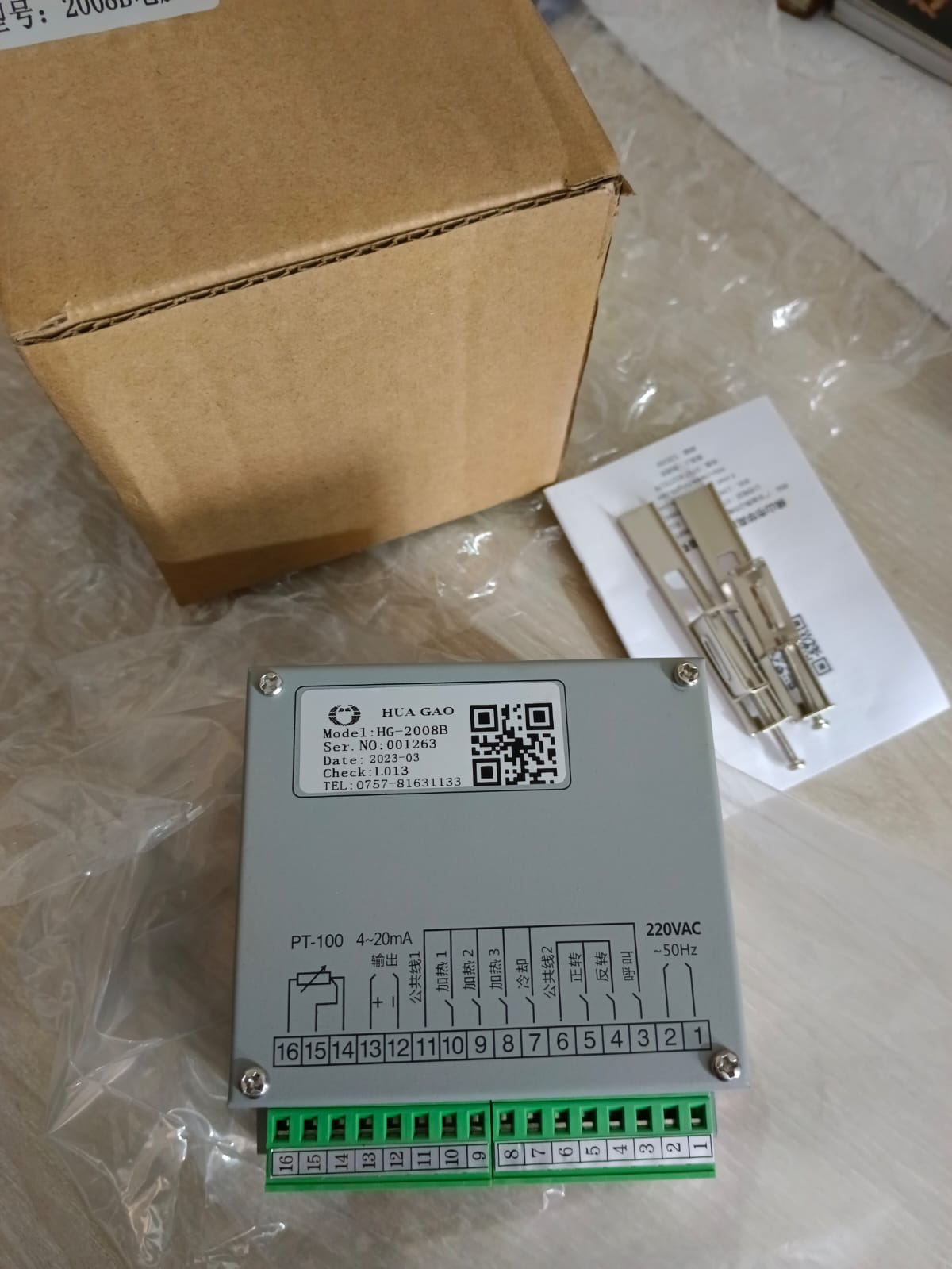
IR Dyeing machine controller
Controller For IR Dyeing Machine offers exceptional quality .purchasing of our controller provides cost efficiencies, and customization options enabling you to meet your specific requirements comfortably. Collaborate with program
A Controller for IR Dyeing Machine is a specialized control system designed to manage and automate the dyeing process in textile manufacturing, particularly using infrared heating technology. These controllers are crucial for achieving consistent dye quality, reducing energy consumption, and optimizing the dyeing process.
Key Features of an Controller For IR Dyeing Machine :
- Temperature Control:- Precisely regulates the infrared heaters to maintain uniform temperature across the dye bath. – Supports customizable heating curves (ramp-up, hold, and cool-down phases).
- Programmable Logic Control (PLC): – Allows operators to set and automate dyeing programs for different fabrics and dye types. – Supports multiple recipes or programs for different batches.
- Real-Time Monitoring and Feedback: – Monitors parameters like temperature, fabric rotation, bath circulation, and timing. – Provides real-time data and alarms for deviations.
- Touchscreen Interface / HMI (Human Machine Interface): – User-friendly interface for configuring and monitoring processes. – Multi-language support and graphical display of process curves.
- Data Logging and Traceability: – Records process data for quality control and traceability.
- Energy Efficiency Optimization: – Manages IR heater output to reduce energy usage. – Often includes features for auto shut-off or idle mode.
- Safety Features: – Includes emergency stop, over-temperature protection, and fault detection systems. 8. Connectivity: – Modern controllers may support Ethernet, Modbus, or other industrial communication protocols for integration into factory automation systems.
Using A Controller For IR Dyeing Machine provides several benefits, especially in textile manufacturing where precision and efficiency are critical. Here are the key advantages:
- Improved Dyeing Accuracy and Consistency
– Maintains precise temperature control and timing, ensuring uniform dye uptake across the fabric.
– Reduces color variation between batches.
- Enhanced Energy Efficiency- Infrared heating is more energy-efficient than traditional heating methods.- The controller optimizes energy use by adjusting the IR output based on process needs, reducing overall energy consumption.
- Time Savings- Faster heating and cooling cycles due to infrared technology.- Automated processes reduce manual intervention and cycle times. 4. Better Process Control- Programmable dyeing cycles and precise control over each stage (heating, dyeing, rinsing, cooling).- Real-time monitoring and adjustments improve reliability.
- Reduced Water and Chemical Usage- More efficient dye penetration and fixation mean less water and fewer chemicals are needed for reprocessing or corrections.6. Lower Operational Costs
– Energy savings, reduced rework, and lower labor input contribute to cost efficiency.
– Minimizes fabric damage, reducing material waste.
- Enhanced Safety Built-in alarms, emergency shut-off and automatic fault detection enhance operational safety.8. Data Logging and Traceability- Ability to record and review dyeing process data helps in quality control and troubleshooting.- Facilitates compliance with industry standards and audits.
- User-Friendly Operation- Modern touchscreen interfaces make it easier for operators to manage and monitor processes.- Multilingual support and visual feedback enhance usability.
Shipping & Delivery
Related products
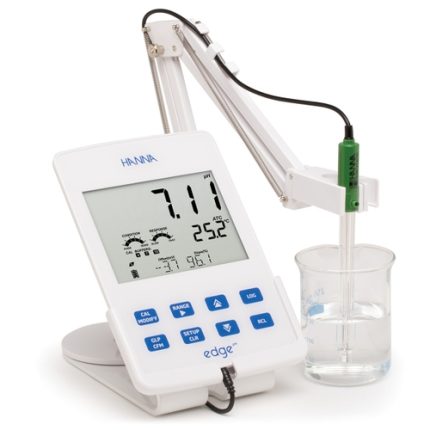
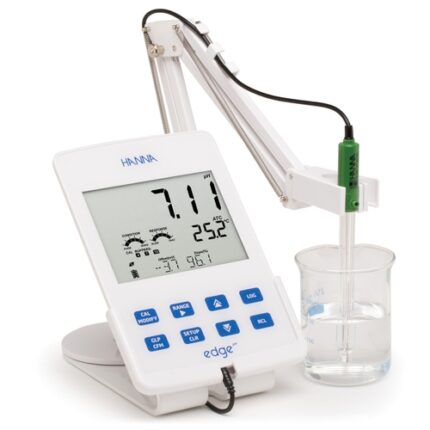
Digital Bench top PH Meter
Digital Bench top PH Meter
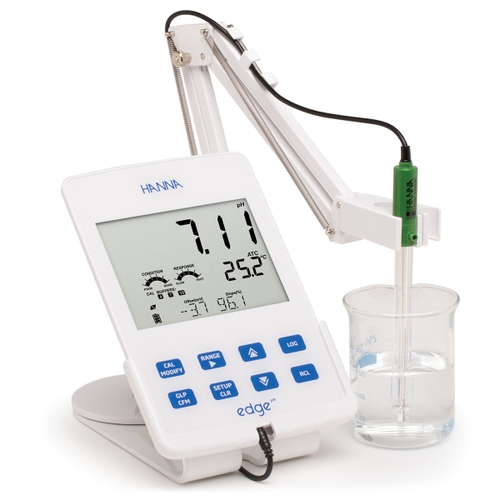
Digital Bench top PH Meter
Brand: Hanna Model: HI2002 Country of Manufacture: Romania Origin: USA
Digital Bench top PH Meter
Single parameter of Digital Bench top PH Meter features user-friendly tablet design with bench, portable or wall mount options for ultimate flexibility. Switch from portable to bench in the same procedure or clear the surface for easier working and hang on the wall. Digital Bench top PH Meter Range -2.00 to 16.00pH; pH Digital smart electrode compatible Accuracy: ±0.01 pH edge® pH is dedicated to testing pH. Using Hanna's latest innovation in technology and design, edge® can be adapted to suit your working method. Select from hand held, wall mount or bench top - or switch between them all. edge® is happy any which way. Simply plug in the electrode, then play. Measurement is simpler, quicker and more accurate than ever. Results are fast and reliable. Combining high precision technology with the user-friendly dimensions and format of a small digital tablet, edge® is breaking new ground in electrochemistry. This is a must-have meter for your laboratory.| pH Range | basic mode: -2.00 to 16.00 pH; standard mode: -2.000 to 16.000 pH | |
| Resolution | basic mode: 0.01 pH; standard mode: 0.001 pH | |
| Accuracy (@25°C) | basic mode: ±0.01 pH; standard mode: ±0.002 pH | |
| Calibration | basic mode: automatic, up to three points calibration, 5 standard buffers available; standard mode: automatic, up to five point calibration, 7 standard buffers available and two custom buffers | |
| Temperature Compensation | automatic, -5.0 to 100.0°C (using integral temperature sensor) | |
| Electrode Diagnostics | standard mode: probe condition, response time and out of calibration range | |
| mV pH Range | ±1000 mV | |
| Resolution | 0.1 mV | |
| Accuracy (@25°C) | ±0.2 mV | |
| ORP Range | ±2000 mV | |
| Resolution | 0.1 mV | |
| Accuracy (@25°C) | ±0.2 mV | |
| Temperature Range | -20.0 to 120.0°C | |
| Resolution | 0.1°C | |
| Accuracy | ±0.5°C | |
| Additional Specifications: | ||
| Probe | HI-11310 digital glass body pH electrode with 3.5mm connector and 1m cable | |
| Logging | up to 1000 (400 for basic mode) records organised in: manual log-on demand (max. 200 logs), manual log-on-stability (max. 200 logs), interval logging (max. 600 samples; 100 lots) | |
| Connectivity | 1 USB port for storage; 1 micro USB port for charging and PC connectivity | |
| Environment | 0 to 50°C; RH max 95% non-condensing | |
| Power Supply | 5 VDC adapter (included) | |
| Dimensions | 2020 x 140 x 12 mm | |
| Weight | 250 g |
- High Accuracy and Resolution
- Digital Display - Large, clear LCD or LED screen shows pH readings, temperature, and sometimes mV or ion concentration. - Some models include a backlit display for better visibility.
- Electrode System - Uses a pH-sensitive electrode (usually glass) connected to a reference electrode. Electrodes are often replaceable and require regular calibration and maintenance.
- Temperature Compensation - Automatic or manual temperature compensation to correct pH readings based on sample temperature. - Integrated temperature sensors or separate probes are used.
- Calibration Functions - Supports 2-point, 3-point, or multi-point calibration using standard buffer solutions. - Auto-recognition of calibration buffers in advanced models.
- Data Storage and Connectivity - Internal memory for storing results. - USB or RS232 ports for data export to PCs or printers; some models support wireless connectivity.
- Sturdy Design - Benchtop models are larger and more stable than portable meters. - Often come with a durable casing and electrode arm for hands-free operation.
- High Accuracy and Precision
- User-Friendly Interface- Digital displays (LCD/LED) make readings easy to see and interpret.- Many models offer intuitive controls and guided calibration, simplifying operation.
- Advanced Calibration Features- Supports multi-point calibration for improved accuracy across a wide pH range.- Some models automatically recognize buffer solutions, reducing user error.
- Temperature Compensation- Automatic temperature compensation (ATC) corrects readings based on sample temperature, ensuring accuracy.
- Stable and Durable Design- Benchtop units are more robust and stable than handheld devices, reducing the risk of spills or tipping.- Often include electrode holders or arms for secure, hands-free measurements.
- Data Management and Connectivity- Built-in memory for storing measurement data.USB, RS232, or wireless connectivity for exporting data to computers or laboratory information systems (LIS).
- Multi-Functionality- Some models also measure ORP (oxidation-reduction potential), ion concentration, or conductivity.- Suitable for a variety of testing needs beyond just pH.
- Ideal for Long-Term Use- Designed for prolonged and repeated use in laboratory environments.- Replaceable electrodes and parts extend the meter’s usable life.
- Compliance and Documentation- Data logging features support documentation and compliance with regulatory standards in regulated industries (e.g., pharma, food, environmental testing).
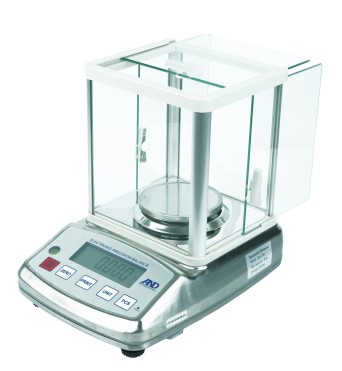
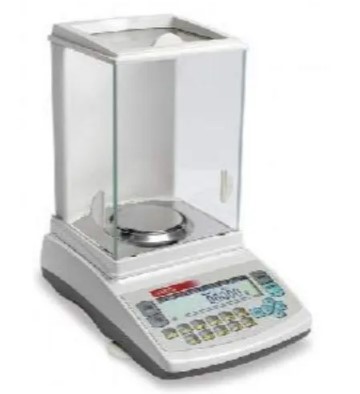
Digital precision balance
digital precision balance
2/3/4/5 Digit Digital precision Balance
digital precision balance is a weight balance machine. It’s used to Low capacity balance. digital precision balance play an important role to accurate measurement. Digital precision balance is used to check weight paper, jewelry etc. It shows accurate result. We have the best collection of digital precision balance. MAAM TEX IS the best supplier of Precision Balance in Bangladesh
A Digital Precision Balance is a high-accuracy electronic weighing device used in laboratories, industries, and educational institutions for measuring mass with a high degree of precision. It is essential for tasks that require meticulous weight measurements, such as chemical analysis, formulation, and quality control. Key Features:- High Accuracy & Precision: - Typically offers readability from 0.1 g to 0.001 g (or even finer). - Ideal for weighing small amounts of material where accuracy is crucial.
- Digital Display: - Large, backlit LCD or LED display for easy reading. - Some models include touch screen interfaces.
- Tarring Function: - Allows you to subtract the weight of a container or packaging to get the net weight.
- Calibration: - Internal or external calibration to maintain accuracy over time. - Some advanced models have auto-calibration features.
- Weighing Units: - Supports multiple units like grams (g), milligrams (mg), carats (ct), and ounces (oz). Stable Platform: - Includes a draft shield to protect against air currents and vibrations, which can affect measurement accuracy.
- High Accuracy and Precision- Delivers extremely accurate weight measurements, often down to 0.001 g or better.- Crucial for experiments and applications where even slight variations can affect outcomes.
- User-Friendly Interface- Digital display makes readings easy to read and interpret.- Most models include intuitive controls for functions like tarring, unit conversion, and calibration.3. Speed and Efficiency- Provides instant, stable readings, saving time compared to manual or mechanical balances.- Streamlines lab workflows and enhances productivity.
- Versatile Applications- Suitable for various fields including chemistry, biology, pharmacology, food testing, and gemology.- Can handle diverse weighing tasks from solids to liquids and powders.
- Advanced Features- Tare Function: Subtracts the weight of containers automatically.- Multiple Weighing Units: Supports various measurement units.- Data Connectivity: Many models allow connection to computers or printers for data logging.
- Portability and Space Efficiency- Compact design fits easily in most laboratory setups.- Lightweight models are easy to move and store.
- Enhanced Safety and Reliability- Stable platform and draft shields reduce environmental interference.- Built-in calibration ensures ongoing accuracy.

Steam Soaping machine
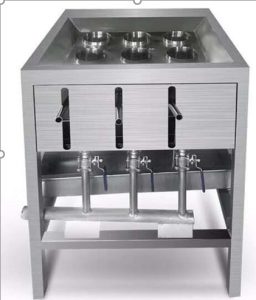
Steam Soaping Machine
Steam Soaping Machine
A Steam Soaping Machine is a specialized laboratory apparatus used in textile dyeing processes, particularly for post-dyeing treatments like soaping, which enhances color fastness and removes unfixed dyes from fabric samples. This machine is designed to perform soaping treatments on dyed textile samples using steam. Soaping is a critical step in dyeing, especially for reactive dyes, as it removes unfixed dye particles, ensuring better color fastness and preventing dye bleeding. The steam soaping process involves treating the dyed fabric with a soaping solution at elevated temperatures, facilitated by steam, to achieve optimal results. ⚙️ Key Features of Steam Soaping Machine - Beaker Material: Constructed with high-grade 316L stainless steel for excellent corrosion resistance and durability.- Operation Modes: Offers both automatic control and manual water filling options, providing flexibility in operation. - Drainage System: Equipped with an automatic drainage device for efficient removal of used solutions.- Temperature Control: Precise temperature regulation to maintain optimal soaping conditions.- Compact Design: Suitable for laboratory settings, occupying minimal space while delivering effective performance. ✅ Benefits of Steam Soaping Machine - Enhanced Color Fastness: Effectively removes unfixed dyes, resulting in improved wash and rub fastness of the fabric.- Efficient Processing: Reduces the time required for post-dyeing treatments compared to conventional methods.- Consistent Results: Provides uniform treatment across samples, ensuring reproducibility in testing and quality control.- Resource Optimization: Minimizes water and chemical usage through controlled processing parameters.- Versatility: Applicable to various fabric types and dye classes, making it a valuable tool in research and development. Typical Applications - Laboratory Testing: Used in dyeing laboratories for evaluating the fastness properties of dyed samples. - Research and Development: Assists in developing and optimizing dyeing processes and formulations. - Quality Control: Ensures that dyed fabrics meet specified fastness standards before bulk production. In summary, a Steam Soaping Machine is an essential laboratory instrument in the textile industry, facilitating efficient and effective post-dyeing treatments to enhance the quality and durability of dyed fabrics. Features of Steam Soaping Machine:- High-Grade Stainless Steel Beakers - Made from 316L stainless steel for excellent chemical and heat resistance.
- Steam-Based Heating - Uses direct or indirect steam to maintain consistent high temperatures ideal for soaping.
- Precise Temperature Control - Maintains stable temperatures (typically up to 98–100°C) for effective removal of unfixed dyes.
- Automatic and Manual Modes - Offers both programmable automatic cycles and manual operation for flexibility.
- Beaker Agitation or Rotation - Ensures uniform soaping action across fabric surfaces.
- Automatic Drainage System - Efficiently removes used soaping solution to speed up cycle changeovers.
- Compact Design - Fits well in lab settings while allowing multiple samples to be processed simultaneously.
- Safety Features - Includes pressure and temperature protection systems to ensure safe operation.
- Low Water and Chemical Use - Designed for minimal liquor ratios, enhancing sustainability.
- User-Friendly Interface - Simple digital controls or touch panel for easy operation and cycle programming.
- Prepare the Dyed Sample - After dyeing, rinse the fabric to remove surface dye and prepare it for soaping.
- Load the Fabric - Place the dyed fabric or sample into the beakers or holders inside the machine.
- Add Soaping Solution - Pour the prepared soaping agent (usually a detergent solution) into the beakers or tank as per recipe.
- Set Parameters
- Start the Cycle - Begin the soaping process. The machine will heat the solution using steam and agitate/rotate the beakers for even treatment.
- Drain and Rinse - After the cycle ends, the machine may auto-drain. Rinse the fabric with warm water to remove residual chemicals.
- Unload the Samples - Carefully remove the fabric. Inspect for evenness and color fastness improvement.
- Clean the Machine - Rinse and dry the beakers or tank to maintain hygiene for the next use.
 used for sample soaping after dyeing in laboratory
Beaker material: 316L S/S
automatic control / manual filling water device, with automatic drainage device.
Steam Soaping machine Dunlin price in Bangladesh
Steam Soaping machine Dunlin in textile testing equipment
Textile testing equipment in Bangladesh
Textile testing equipment in Dhaka
Textile testing equipment in Uttara
MAAM tex Steam Soaping machine Dunlin price in Bangladesh
used for sample soaping after dyeing in laboratory
Beaker material: 316L S/S
automatic control / manual filling water device, with automatic drainage device.
Steam Soaping machine Dunlin price in Bangladesh
Steam Soaping machine Dunlin in textile testing equipment
Textile testing equipment in Bangladesh
Textile testing equipment in Dhaka
Textile testing equipment in Uttara
MAAM tex Steam Soaping machine Dunlin price in Bangladesh 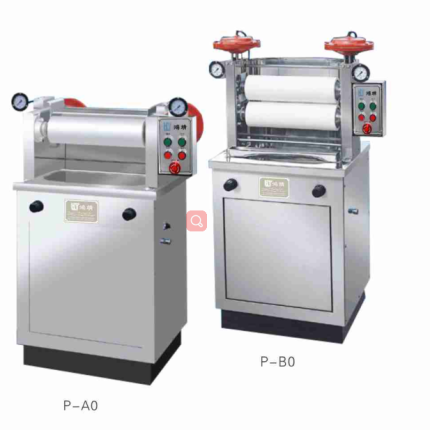
Laboratory Padder
Laboratory Padder
Mini Lab Dyeing Padder
- Adjustable Rollers - The fabric is passed through two or more rollers to apply even pressure and squeeze out excess solution, ensuring uniform chemical or dye application.
- Variable Pressure Control - Allows adjustment of roller pressure for different fabric types and chemical formulations, ensuring optimal penetration without damage.
- Solution Bath - Holds the liquid (e.g., dye, finish, or other chemical treatments) in a bath through which the fabric is dipped before passing through the rollers.
- Fabric Speed Control - Adjustable conveyor speed allows for control over the time the fabric spends in contact with the liquid solution, affecting the degree of treatment.
- Digital Control Panel - Provides easy adjustment of pressure, speed, and solution volume to ensure precise and reproducible results.
- Compact Design - Smaller, lab-scale version of industrial padders, ideal for research, development, and small-scale testing.
- Safety Features - Safety guards, emergency stops, and proper handling mechanisms to prevent accidents during operation.
- Precise Application of Chemicals - Provides uniform and controlled application of dyes, finishes, and other chemicals, ensuring consistent results.
- Small-Scale Testing - Ideal for small sample testing, allowing for fabric treatment without needing full-scale production equipment.
- Versatile Use - Suitable for dyeing, finishing, and applying various chemical treatments, making it a flexible tool for R&D labs.
- Cost-Effective - Reduces the need for large-scale machinery and the associated costs, while providing reliable results for small batches.
- Controlled Fabric Treatment - Offers adjustable pressure, speed, and solution concentration, enabling fine-tuned processing for different fabric types and applications.
- Accelerates Development - Speeds up the testing and development of new products or finishes, improving time-to-market for textile manufacturers.
- Energy Efficient - Consumes less energy compared to larger, industrial-scale machines, making it suitable for lab use.
- Compact and Space-Saving - Designed for laboratory environments with limited space, without compromising on functionality.
- Reproducible Results - Ensures consistent application of treatments across multiple samples, aiding in accurate testing and comparison.
- Adjustable Roller Pressure - Allows precise control over the pressure applied to the fabric, ensuring uniform chemical or dye application.
- Variable Speed Control - Adjustable conveyor speed for controlling the time the fabric spends in the solution bath, influencing the absorption rate.
- Solution Bath - Holds dye, chemicals, or finishes, and the fabric passes through this bath before moving to the rollers.
- Digital Control Panel - Easy-to-use interface for setting and adjusting parameters like speed, pressure, and solution concentration.
- Compact and Lab-Friendly Design - Designed for smaller, space-efficient use in textile labs, allowing for small sample testing.
- Roller Gap Adjustment - Allows for fine-tuning of the gap between rollers to regulate the amount of solution squeezed out of the fabric.
- Stainless Steel Construction - Durable and resistant to corrosion from the chemicals used in textile treatments.
- Safety Mechanisms - Includes safety guards, emergency stops, and user protection features during operation.
- Even and Controlled Application - Ensures even distribution of treatments (dye, finish, etc.) on fabric with minimal waste.
- Versatility in Application - Can be used for a wide range of textiles and treatments, including dyeing, softening, flame-retardant treatments, etc.
- Prepare the Fabric Sample - Cut the fabric sample to the required size for the experiment. Ensure it’s clean and free of any debris.
- Prepare the Solution - Mix the dye, chemical, or finish solution according to the desired concentration and the fabric's needs. Ensure that the solution is homogeneous.
- Set the Parameters - Pressure: Adjust the roller pressure based on the fabric type. Different fabrics require different pressure levels to ensure uniform application. - Speed: Set the fabric conveyor speed depending on the desired treatment time (longer exposure for deeper treatment).
- Load the Fabric into the Machine - Place the fabric carefully into the machine. The fabric should go through the solution bath and then pass between the rollers.
- Start the Machine - Turn on the machine and allow the fabric to pass through the rollers. The solution will be evenly applied to the fabric as it moves through the bath and is squeezed by the rollers.
- Monitor the Process - Keep an eye on the fabric to ensure it is being treated uniformly and there are no blockages or fabric jams.
- Unload the Fabric - Once the fabric has been treated, carefully remove it from the machine. Inspect for even application of the solution and any excess liquid.
- Dry or Process Further - Depending on the treatment, proceed with further steps such as drying, heat setting, or curing, as required by the experiment or process.
Mini Lab Dyeing Padder
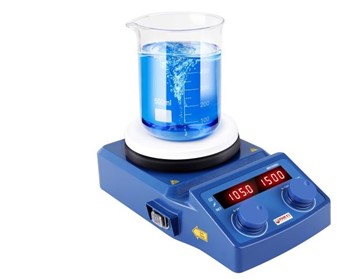
Digital hot plate-magnetic stirrer
Digital hot plate-magnetic stirrer
Digital hot plate-magnetic stirrer
- Magnetic Stirrer:
- Digital Display and Controls:
- Temperature Sensors: - Built-in or external probes (like a PT100 or thermocouple) for accurate temperature control.
- Precision and Control- Digital Interface: Allows accurate setting and monitoring of temperature and stirring speed.- Consistent Results: Ensures reproducibility in experiments and solution preparations.
- Efficient Mixing and Heating- Uniform Mixing: Magnetic stirring eliminates hotspots and ensures even distribution of solutes.- Simultaneous Operation: Ability to heat and stir at the same time improves efficiency.
- Safety Features- Overheat Protection: Prevents accidents by automatically shutting off at unsafe temperatures.- Sealed Surface: Reduces risk of contamination and easy to clean.
- Versatility
- Compact and User-Friendly- Takes up minimal bench space.- Simple to operate with user-friendly controls and displays.
- Durability- High-quality materials like ceramic or stainless steel tops resist corrosion and wear.
- Time-Saving Speeds up preparation of solutions and reactions compared to manual stirring and separate heating. Would you like these benefits presented in a slide format or for a product brochure?

Counting Balance-Weighing Scale
Counting Balance-Weighing Scale
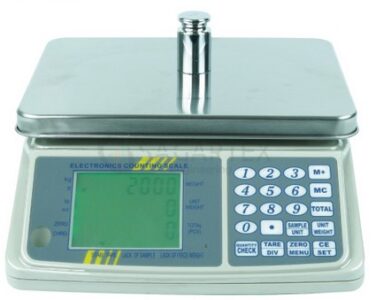
Counting Balance-Weighing Scale
Counting Balance-Weighing Scale

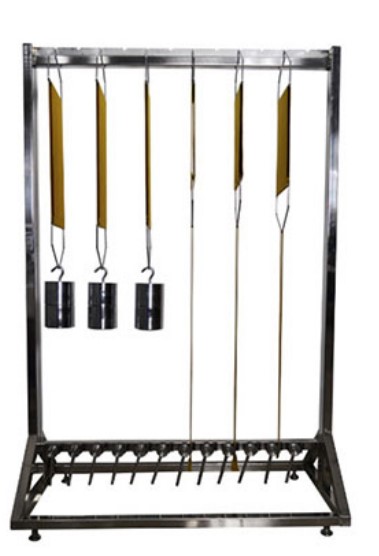
Stretch Recovery Tester Static Method
Stretch Recovery Tester – Static Method | ASTM D3107 / D2594 | Ready Stock Bangladesh
Product Introduction
The Stretch Recovery Tester – Static Method is a professional textile laboratory testing instrument designed to evaluate the stretch and recovery properties of elastic fabrics, knitted fabrics, stretch garments, ribbons and other extensible textile materials. The tester is suitable for Textile Testing Laboratories, Garment Factories, Fabric Manufacturers, QA/QC Departments, R&D Laboratories and Academic Textile Laboratories. ASTM D3107 / ASTM D2594 | Ready Stock in Bangladesh | Quick Delivery | Local SupportWhy Choose This Stretch Recovery Tester?
- Ready Stock in Bangladesh
- Suitable for textile and garment testing laboratories
- Designed for stretch and recovery evaluation
- Suitable for elastic and stretchable textile materials
- Applicable to relevant ASTM testing methods
- Easy laboratory operation
- Compact and practical testing equipment
- Competitive price in Bangladesh
- Quick local delivery
- Local sales and technical support from MAAM TEX
Testing Standards
The Stretch Recovery Tester is suitable for testing requirements related to:- ASTM D3107 – Stretch Properties of Fabrics
- ASTM D2594 – Stretch Properties of Knitted Fabrics
Scope of Application
This equipment can be used for testing:- Stretch Fabrics
- Knitted Fabrics
- Elastic Fabrics
- Stretch Garments
- Sportswear Fabrics
- Elastic Ribbons
- Hosiery Materials
- Textile Materials with Stretch Properties
Suitable For
- Textile Testing Laboratories
- Garment Manufacturing Industries
- Knitwear Factories
- Fabric Mills
- Sportswear Manufacturers
- Elastic Fabric Manufacturers
- Quality Control Laboratories
- R&D Laboratories
- Third-Party Testing Laboratories
- Textile Universities & Institutes
Key Advantages
Ready Stock in Bangladesh
No need to wait for overseas import. This product is available from MAAM TEX stock in Bangladesh, subject to current stock availability.Quick Delivery
Local stock enables faster delivery compared with normal import-based supply.Competitive Price
MAAM TEX provides competitive quotations for textile laboratory testing equipment.Local Support
Professional sales and after-sales support are available for customers in Bangladesh.Laboratory Suitable
A practical solution for routine quality control, product development and textile testing applications.Frequently Asked Questions
What is a Stretch Recovery Tester?
A Stretch Recovery Tester is a textile laboratory instrument used to evaluate the ability of a fabric or elastic textile material to stretch and recover after the application and removal of a specified load or extension.What standards are applicable?
The equipment is intended for testing requirements associated with ASTM D3107 and ASTM D2594, depending on the material and test method.Who needs a Stretch Recovery Tester?
Textile mills, garment factories, knitwear manufacturers, fabric manufacturers, QA/QC laboratories, R&D departments and textile testing laboratories can use this equipment.Is this machine available in Bangladesh?
Yes. MAAM TEX offers this Stretch Recovery Tester from stock in Bangladesh, subject to current availability.Can I get a quotation?
Yes. Contact MAAM TEX for the latest price, stock confirmation, delivery information and quotation.Ready Stock – Bangladesh
No Need to Wait for Import
Stretch Recovery Tester – Static Method Ready Stock | Competitive Price | Quick Delivery | Local Support For current stock status and quotation, please contact MAAM TEX.Call to Action
Looking for a Stretch Recovery Tester in Bangladesh? Get the Stretch Recovery Tester – Static Method from MAAM TEX with ready-stock availability, competitive pricing and local support. Contact MAAM TEX today for Price & Stock Confirmation.Stretch Recovery Tester Static Method
Stretch Recovery Tester
- A sample is stretched to a predetermined extension or force.
- The stretch is maintained for a set period.
- After removing the load, the recovery (return to original length) is measured after a fixed time.
- The fabric sample is clamped and stretched to a specific length or force.
- It’s held for a fixed duration (e.g., 1–5 minutes).
- The tension is released, and the sample is allowed to recover.
- The recovered length is measured after a set time.


Stretch Recovery Tester

Laboratory mini stenter Dryer
Laboratory mini stenter Dryer
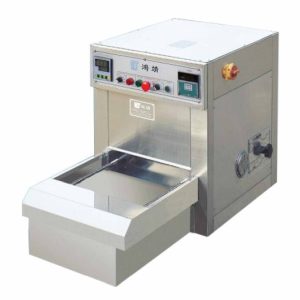
Automatic fixing Dryer
- Controlled Heating System
- Adjustable Fabric Width
- Variable Speed Conveyor - Allows control over fabric dwell time for drying or heat-setting.
- Compact and Bench-Top Design - Space-saving design ideal for textile labs and R&D units.
- Digital Controls - Easy-to-use digital interface for setting temperature, conveyor speed, and process time.
- Transparent Viewing Window - Allows operators to monitor fabric movement and drying visually.
- Low Energy Consumption - Designed for lab use, consuming less power than industrial models.
- Accurate Simulation of Production - Mimics industrial stenter conditions on a lab scale, ideal for pre-production testing and R&D.
- Cost-Effective Testing - Enables testing and fabric finishing without the high cost or space requirements of full-scale machines.
- Energy Efficient - Consumes less power compared to large stenters, making it economical for small-scale or frequent use.
- Precise Control - Offers accurate control of temperature, speed, and fabric tension, ensuring consistent results.
- Space-Saving Design - Compact and bench-top friendly, perfect for laboratories with limited space.
- Multiple Applications - Useful for drying, heat-setting, shrinkage testing, and evaluating chemical finishes.
- Faster Development Cycles - Speeds up new product development by allowing rapid sample testing and adjustments.
- Improved Fabric Quality - Helps optimize finishing parameters for better dimensional stability, hand feel, and appearance.
- Safe and User-Friendly- Designed with lab safety in mind, including temperature safety controls and easy operation.
- Compact Bench-Top Design - Ideal for laboratory use with limited space requirements.
- Adjustable Temperature Control - Precise heating (usually up to 220–250°C) with digital controllers for accurate processing.
- Variable Conveyor Speed- Allows adjustment of fabric dwell time for different drying or heat-setting needs.
- Width Adjustment Mechanism - Equipped with clips or pins to stretch and fix fabric width-wise, simulating industrial stenter conditions.
- Transparent Viewing Window - Enables visual monitoring of fabric movement and drying inside the chamber.
- Digital Display Panel- Easy-to-use interface for setting and monitoring temperature, speed, and time.
- Stainless Steel Construction- Durable and corrosion-resistant for long-term use at high temperatures.
- Uniform Heat Distribution- Ensures consistent fabric treatment across the width.
- Safety Features- Over-temperature protection and insulated body for operator safety.
- Versatile Applications - Suitable for drying, heat-setting, shrinkage testing, and chemical finish evaluations.

