About us
Select category
  • Select category
  • Dyeing Lab Machine
  • Lab Equipment & Instrument
  • Physical Testing & Fabric Testing
  • Yarn Dyeing Machine & Equipment
0 items $0.00
Menu
About us
0 items $0.00
  • Home
  • Products
    • Dyeing Lab Machine
      • Products
        • IR Dyeing Machine Dunlin IR Dyeing Machine Dunlin
        • Digital Ph meter
        • Color fastness to washing machine
        • Rainin Digital Pipette
        • HTHP Glycerin bath dyeing machine
        • Laboratory mini stenter Dryer
        • Laboratory tenter
        • Laboretory hydro Extractor
        • Laboretory Padder
        • Oscillation type Dyeing Machine
        • Orbital Shaker Machine
        • Steam Soaping machine

      IR Dyeing Machine Dunlin

      View More
    • Physical Testing & Fabric Testing Machine
      • Products
        • Tensile Strength tester
        • Martindale abrasion tester
        • Martindale abrasion tester updated Martindale abrasion tester Updated
        • Digital Elmendorf tearing tester
        • Bursting strength tester
        • ICI pilling & Snagging test machine
        • Fabric Stiffness Tester
        • Color Fastness to washing machine
        • Fabric air permeability tester
        • Fabric drape tester
        • Fabric flame retardant tester
        • fabric moisture permeability tester
      • Products
        • Stretch Recovery Tester Static Method
        • Xenon Arc Light Fastness Tester
        • Fastness rotary friction tester
        • Fiber oil fast extractor
        • Fabric flame retardant tester
        • Random Tumble Pilling Tester
        • Spray Rating Tester
        • Fatigue tester for Elastic fabric
    • Lab Equipment & Instrument
      • Products
        • Counting Balance /Weighing Scale
        • controller for Ir Dyeing Machine
        • Analog Thickness gauge
        • color matching cabinet/Light box
        • VeriVide Colour Assessment Cabinets
        • Digital hotplate magnetic stirrer
        • Digital Temperature Humidity meter
        • Digital Ink Rubbing Tester
        • Digital paper dot meter Densitometer
        • Digital Bench top PH Meter
        • Digital precision balance
        • Digital thickness gauge
      • Products
        • Pantone book
        • Hydraulic GSM Cutter
        • Gray scale
        • GSM Cutter & Balance
        • Hand needle detector
      • Products
        • Perspiration Tester
        • Textile moisture meter tem aqua boy
        • VeriVide D65 Tube Light
        • Yarn Tension Meter
    • Wet & Dry Process Instrument
      • Products
        • Bosch tumble dryer
        • Bosch-Washing-Machine-WAJ2018SGC-4
        • Capillary effect tester
        • Color fastness to wash
        • Color fastness to sublimation & heating
        • Durawash print Durability tester
        • Formaldehyde tester for textiles
        • Ozone Exposure chamber
        • Pilling assessment viewer
        • Whirlpool washer & Dryer
      Textile Machinery Supplier in Bangladesh

      MAAM TEX

      Lab Machine Supplier in Bangladesh, Testing machine supplier in Bangladesh, Dyeing Machine supplier in Bangladesh, Lab Machine Supplier in Dhaka, yarn Dyeing machine supplier in Bangladesh, Lab Dispensing Machine supplier in Bangladesh, soft winding machine supplier in Bangladesh, Hard winding machine supplier in Bangladesh, IR Dyeing machine supplier in Bangladesh, Lab machine Price in Bangladesh, 

    • Yarn Dyeing Machine-Equipment
      • Products
        • Cone yarn Dyeing machine
        • Automatic Bobbin Hydroextractor
        • Card winding machine for yarn
        • Sample Cone Yarn Dyeing machine
        • Digital yarn twist Tester
        • Electronic wrap reel
        • Fully Automatic Radio Frequency Dryer
        • Thread Cone Winding Machine
        • High speed hard winding machine
        • High speed Soft cone winding machine
        • Yarn evenness tester
      • Products
        • Yarn evenness tester
    • Washing-Drying Machine
      • Products
        • Automatic washing project
  • About us
  • Contact us
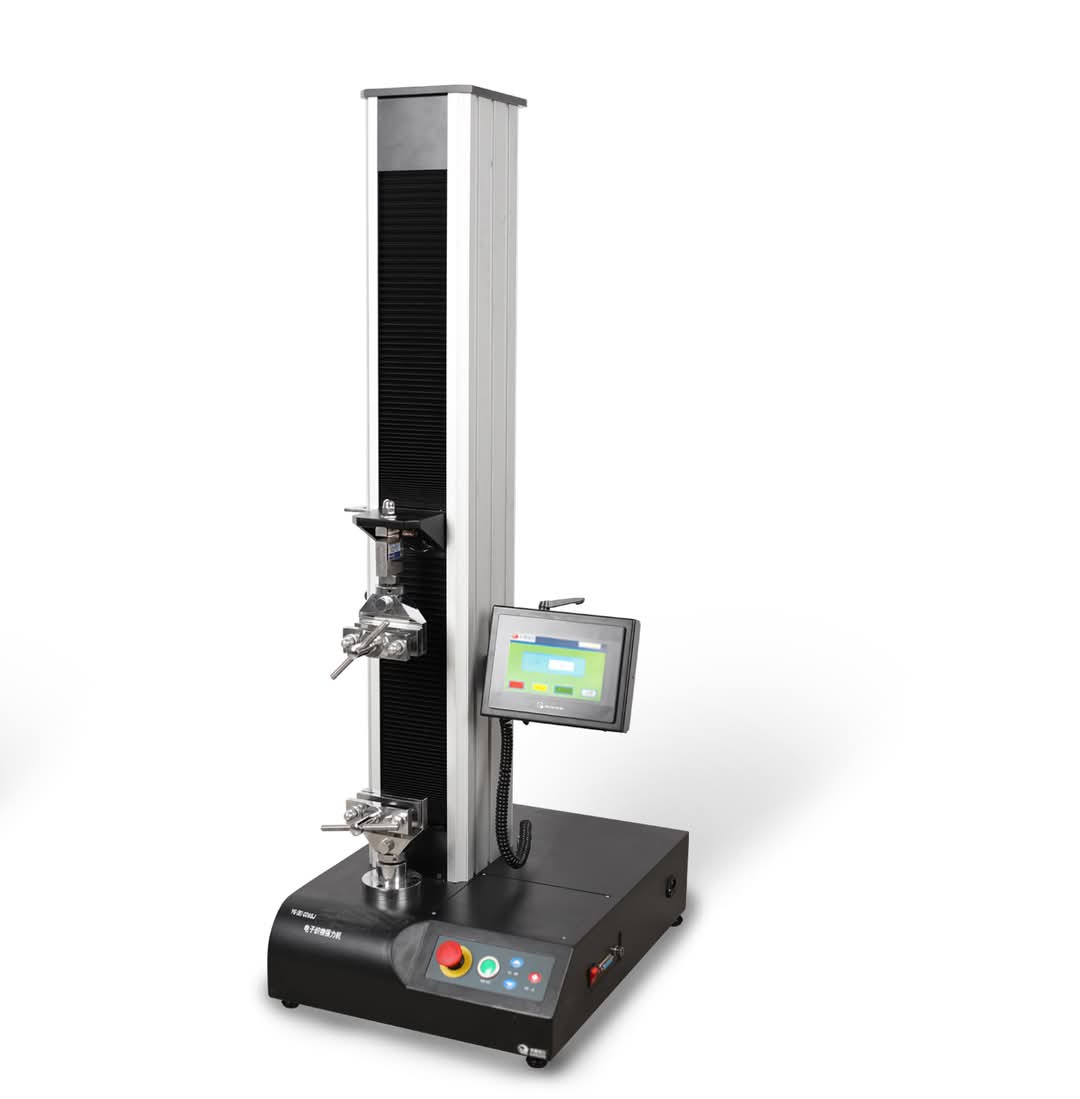
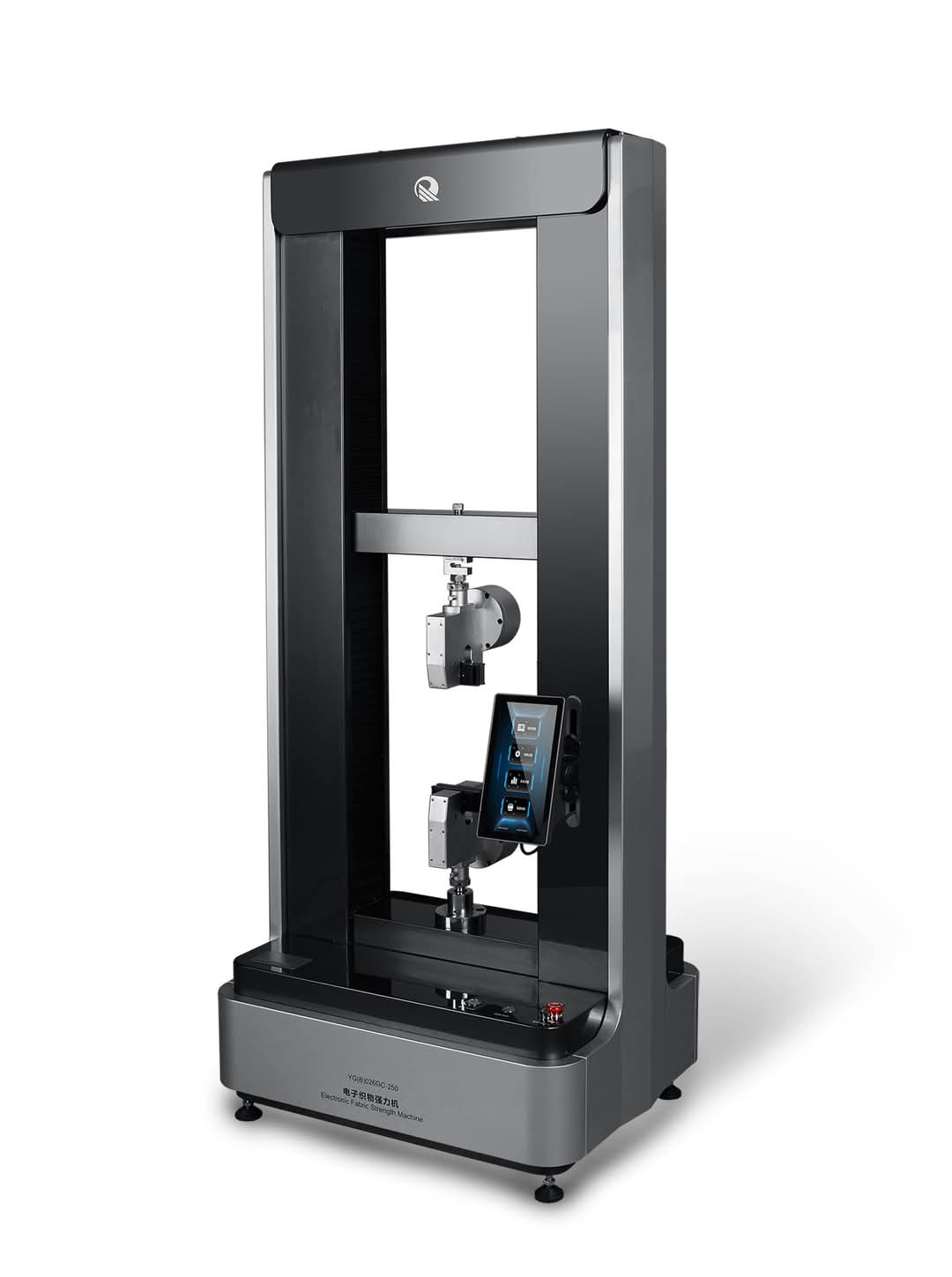
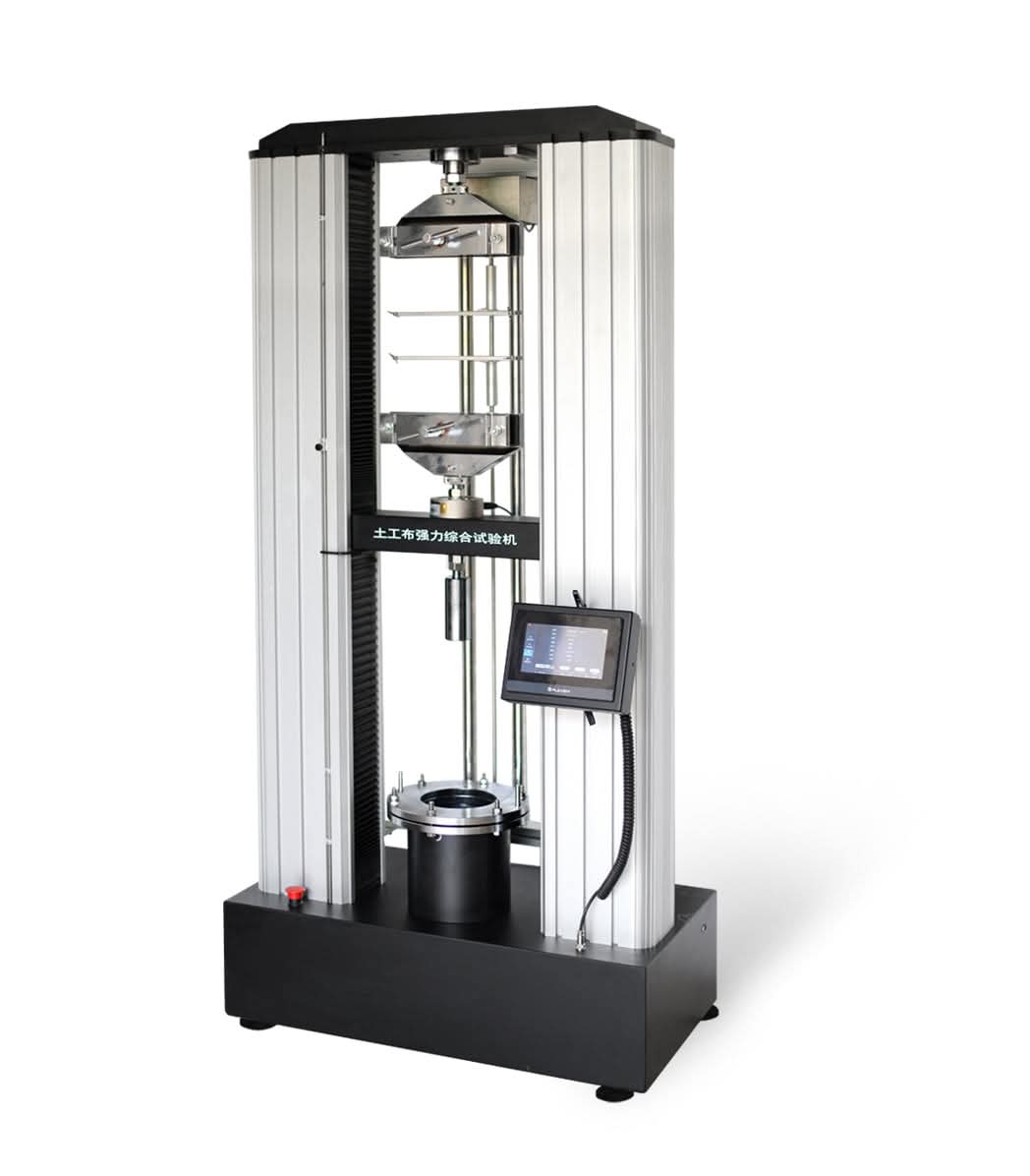
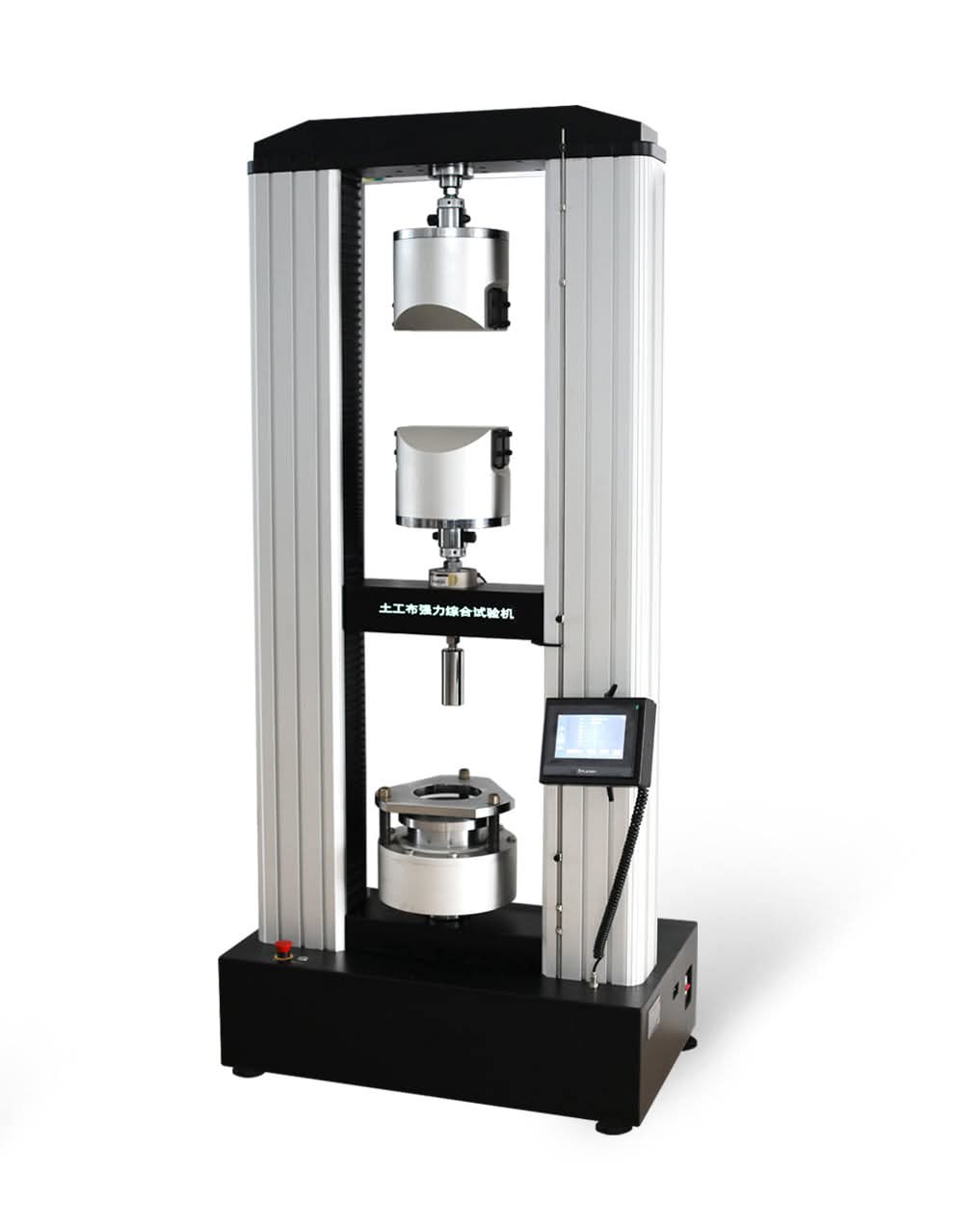
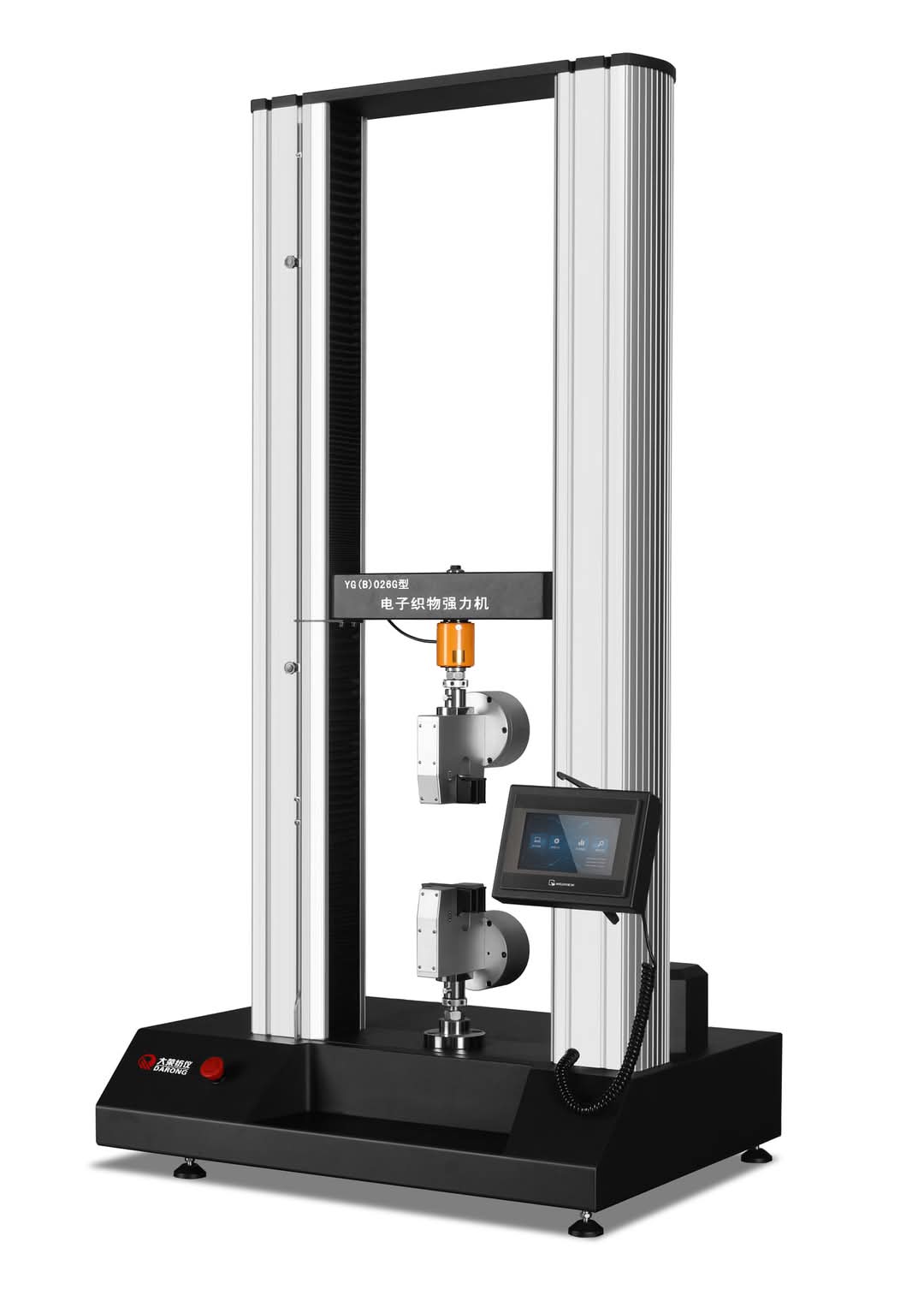
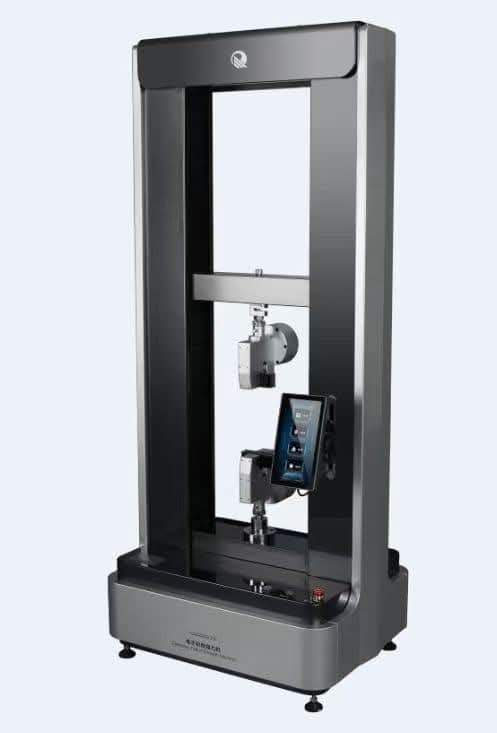
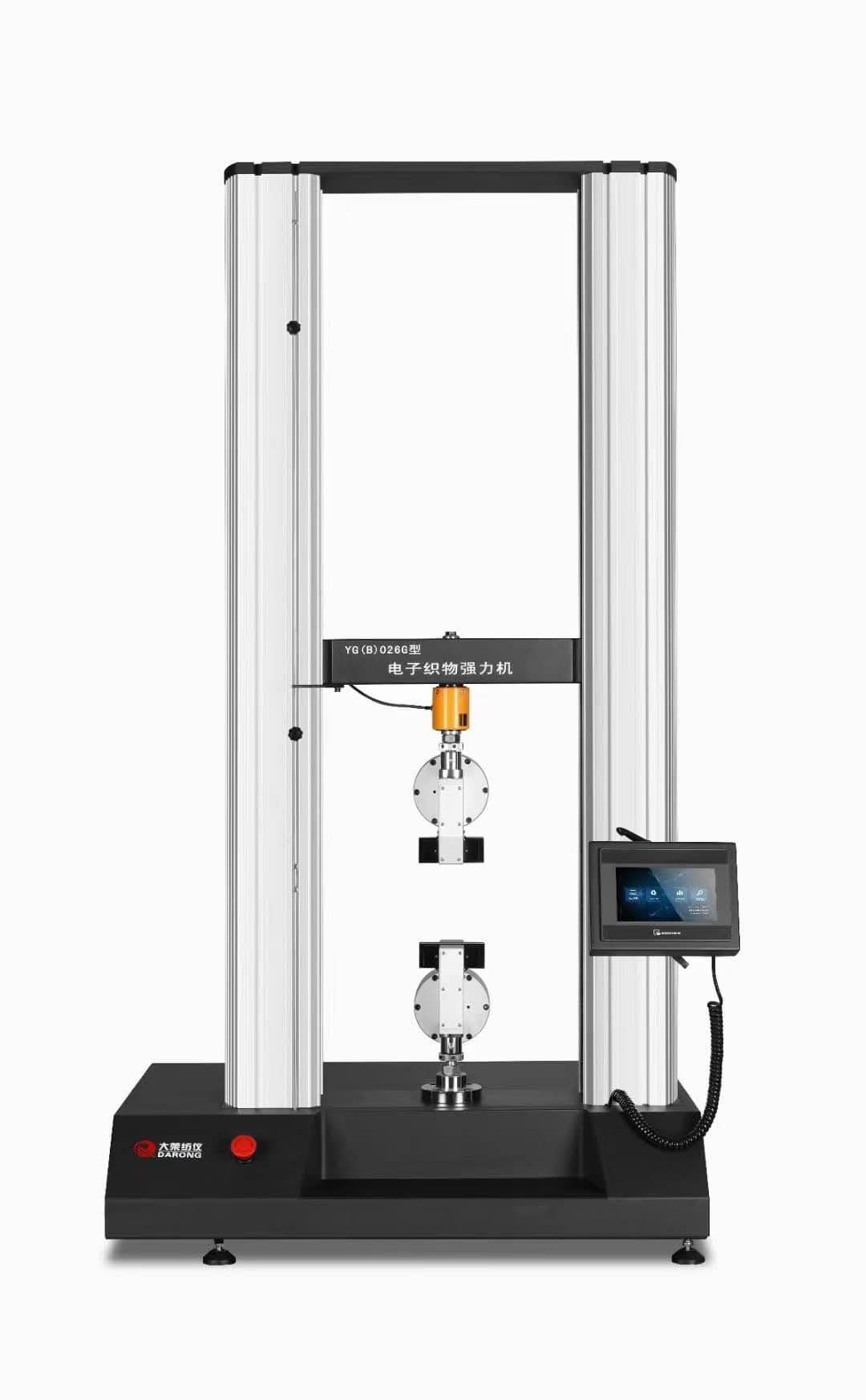
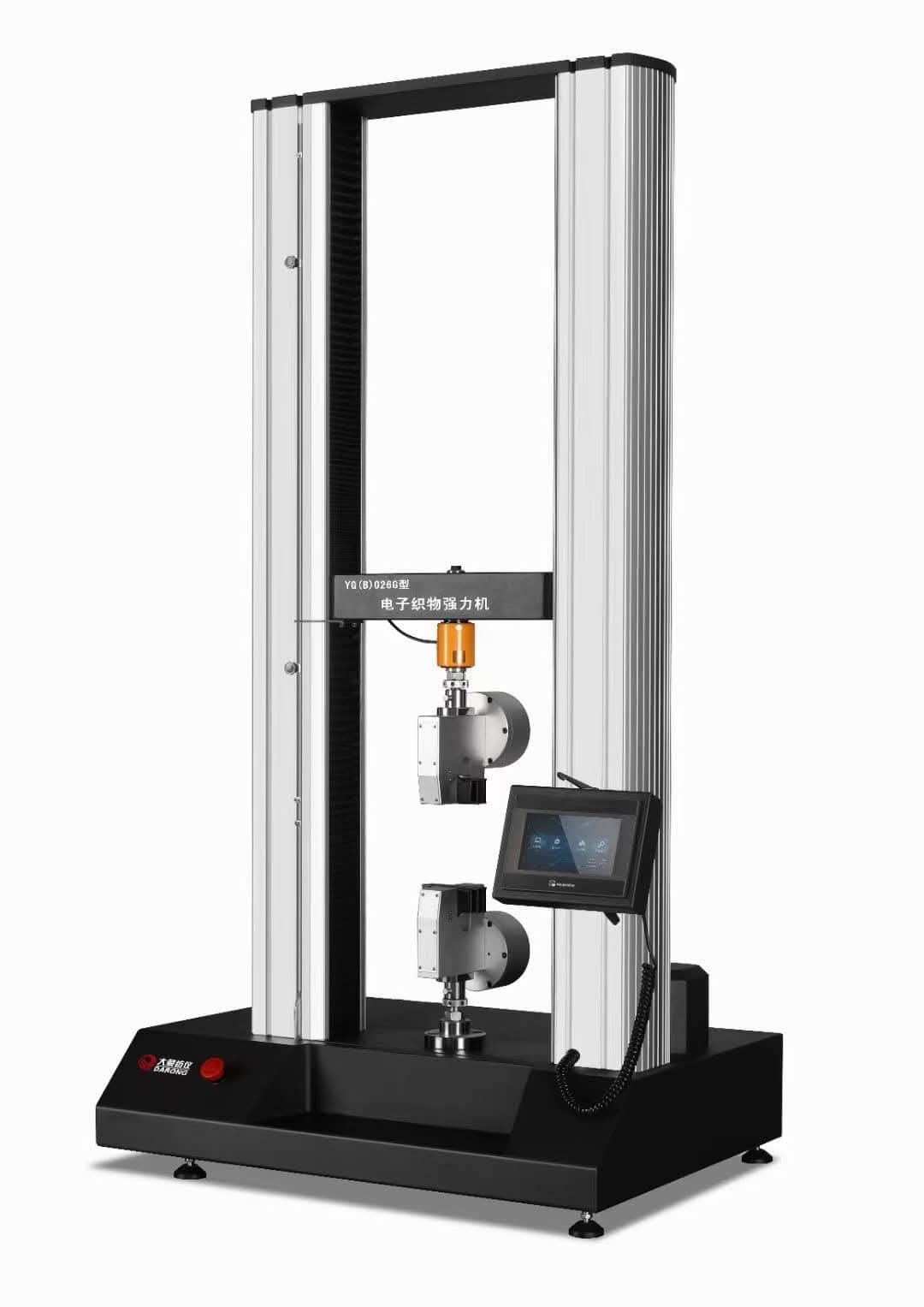
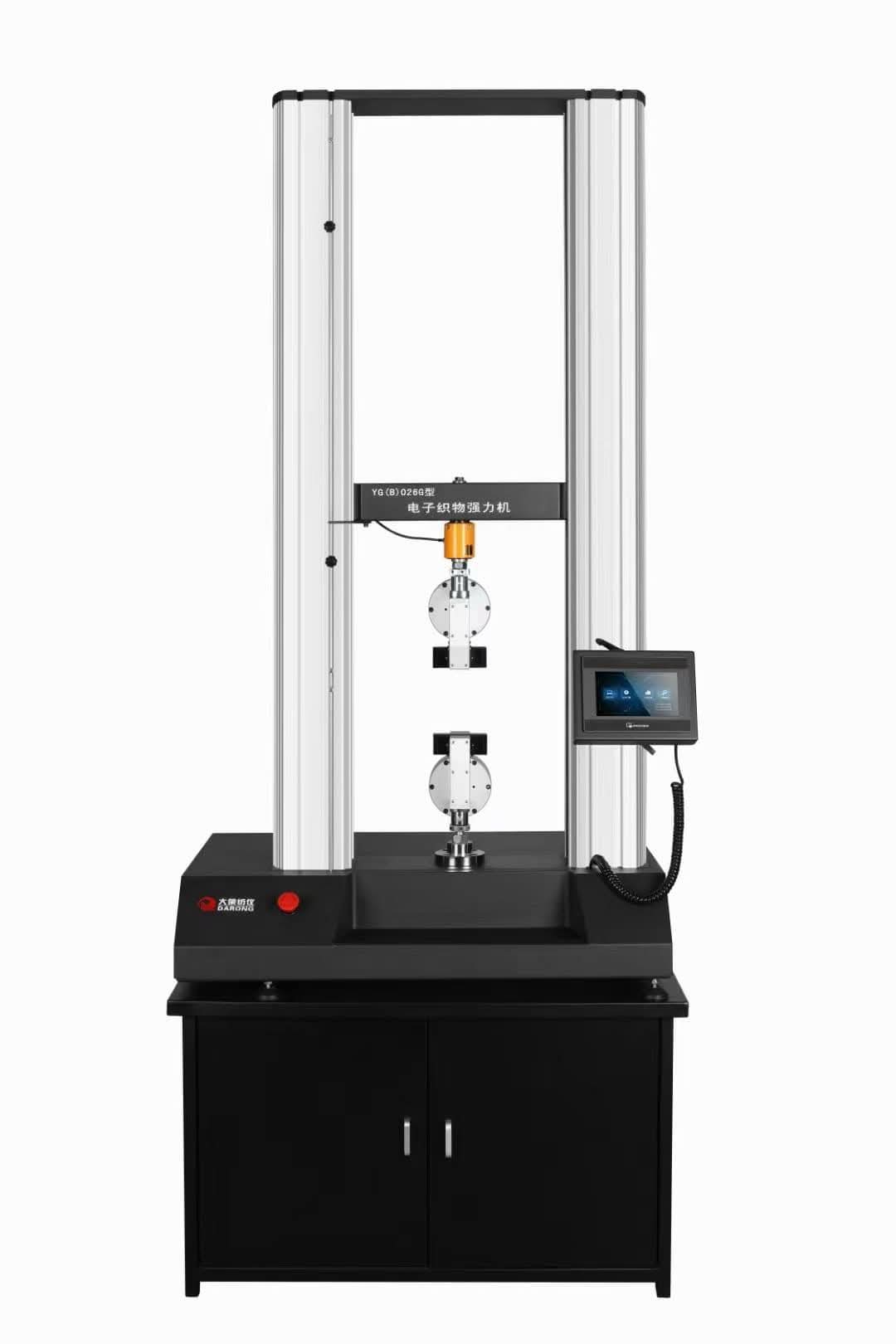
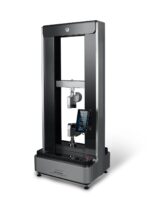
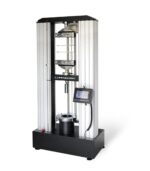
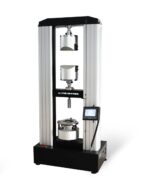
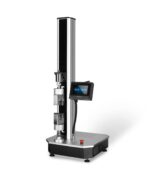
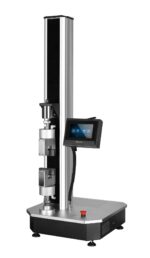
Tensile Strength Tester
360 product view
    0%
    Click to enlarge
    Tensile Strength Tester
    Tensile Strength Tester
    Tensile Strength Tester
    Tensile Strength Tester
    Home Physical Testing & Fabric Testing Tensile Strength tester
    Random Tumble Pilling Tester
    Random Tumble Pilling Tester $0.00
    Back to products
    Xenon Arc Light Fastness Tester
    Xenon Arc Light Fastness Tester $0.00
    Tensile Strength tester

    $0.00

    Category: Physical Testing & Fabric Testing Tags: fabric strength tester price in Bangladesh, Tensile Strength Tester, tensile tester price in Bangladesh, titan5 price in Bangladesh Brand: DARONG
    Share:
    • Description
    • Shipping & Delivery
    Description

    Tensile Strength Tester

    Tensile Strength Tester

    Tensile Strength Tester

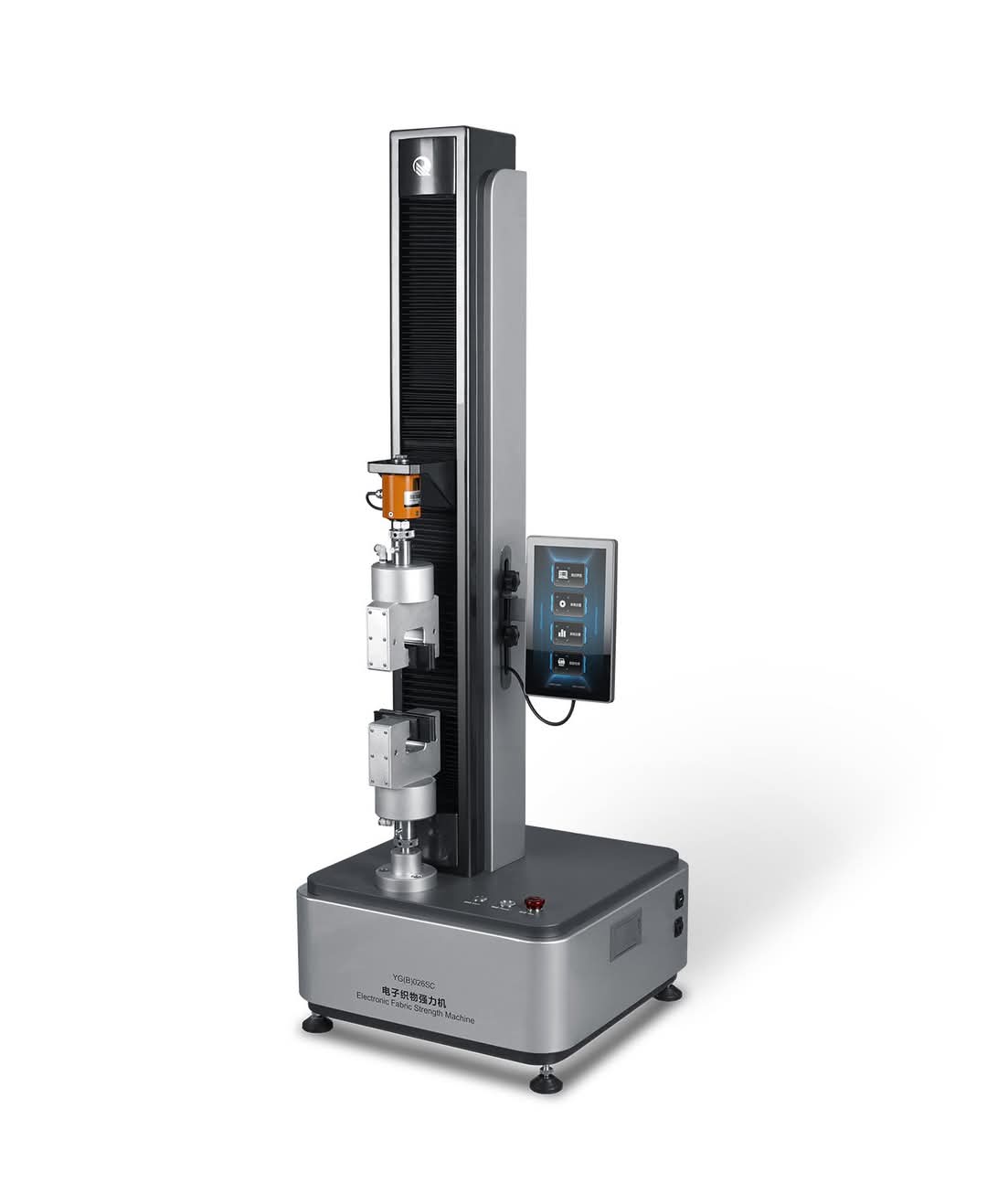
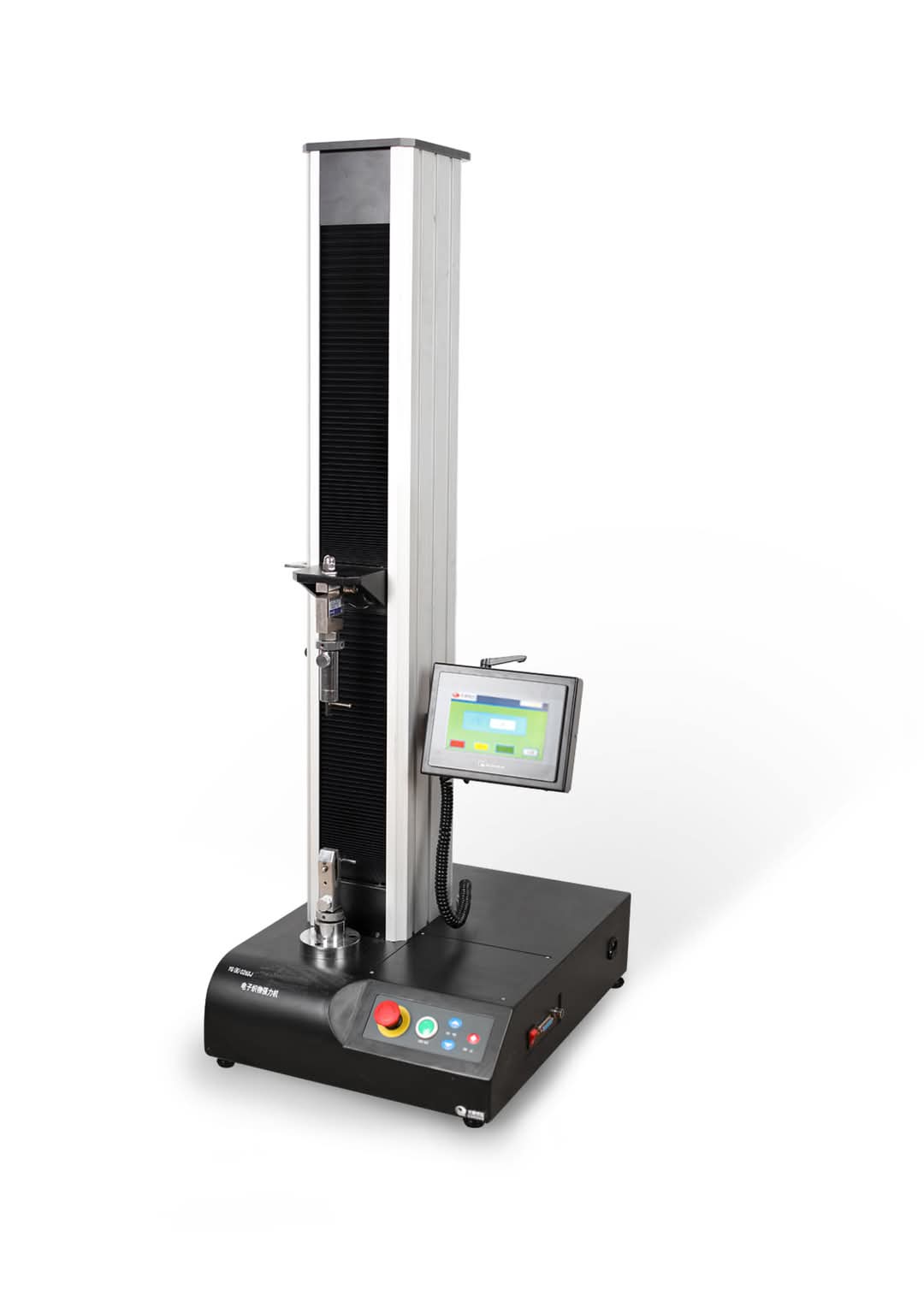
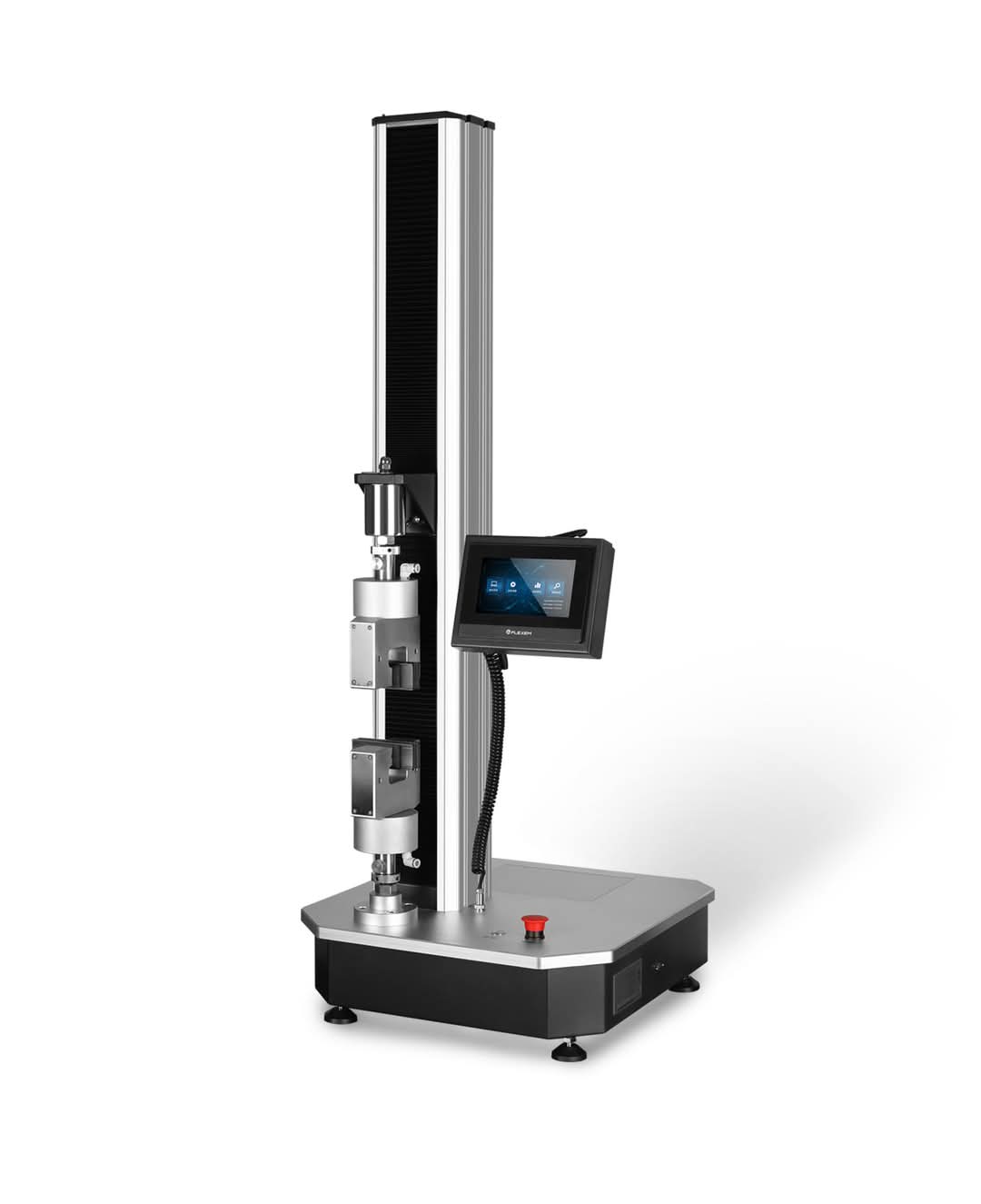
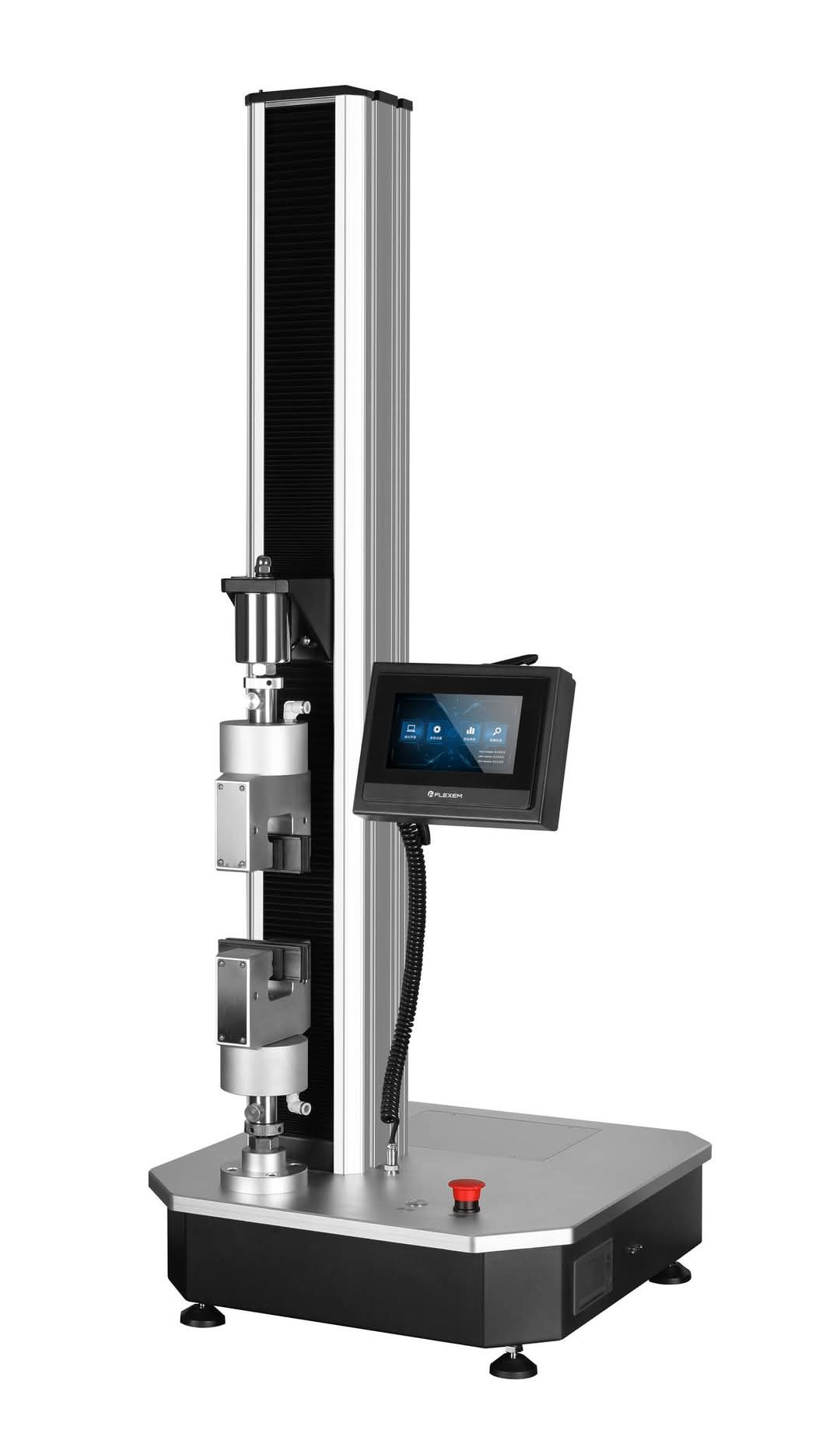
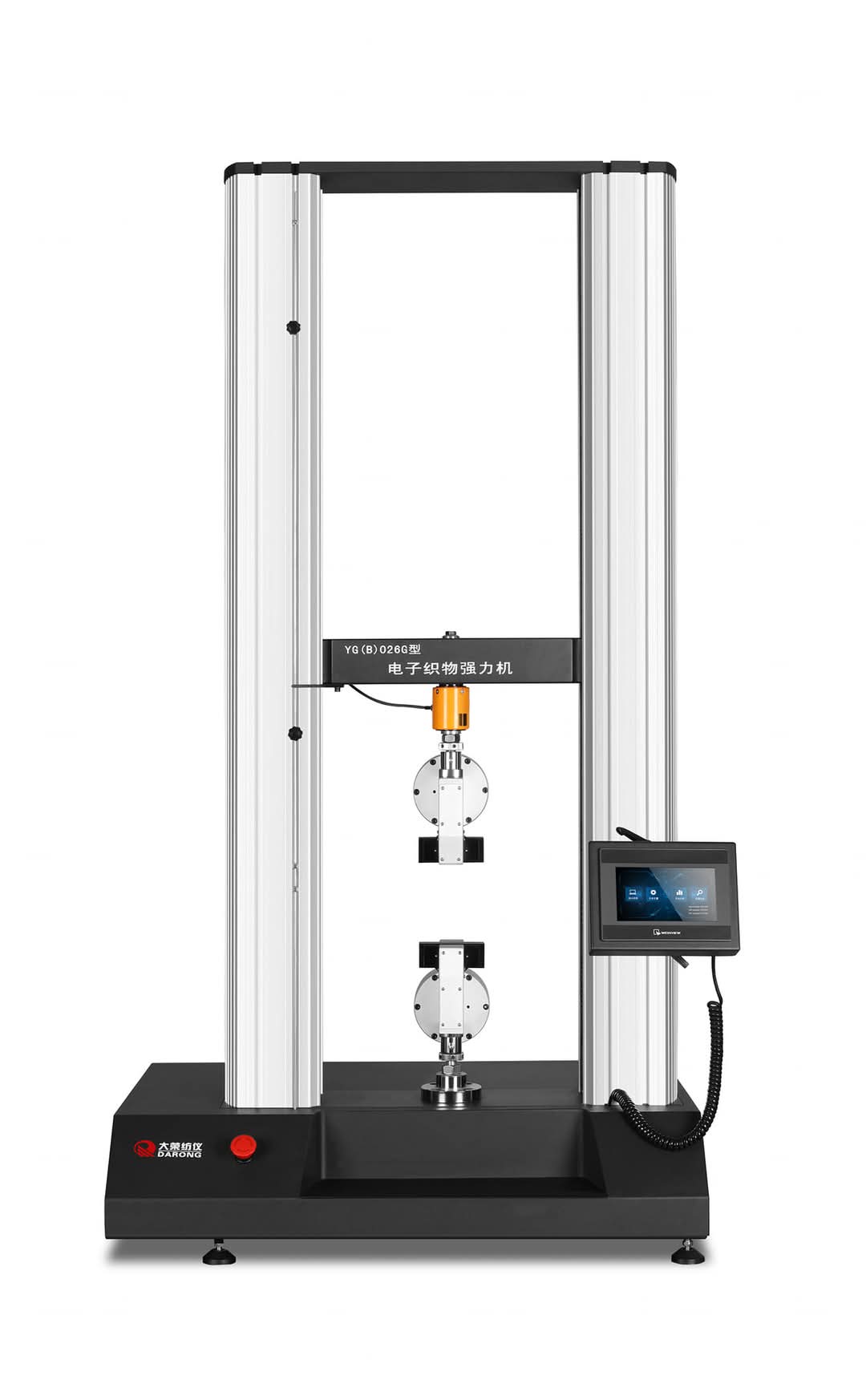
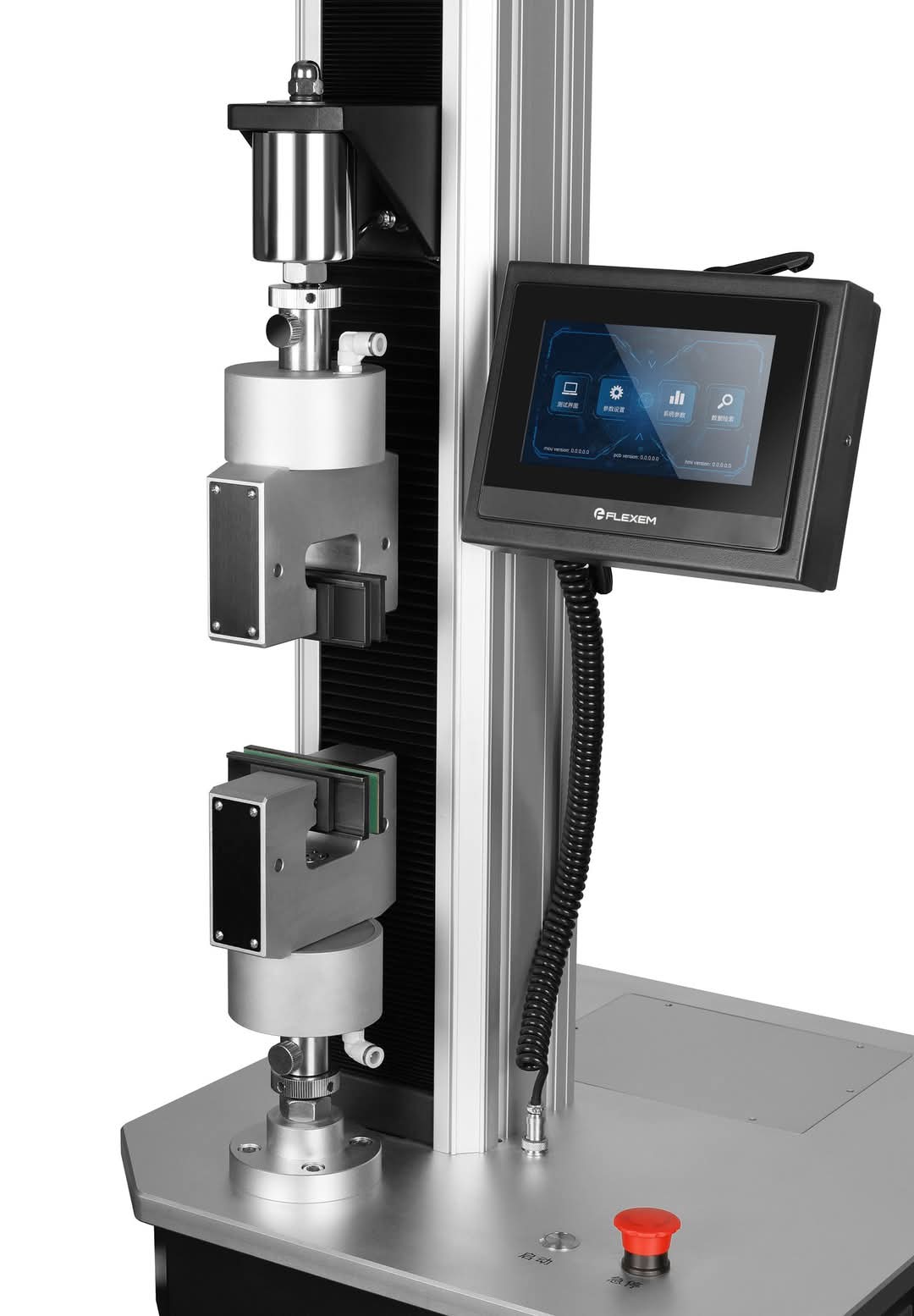
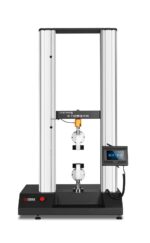
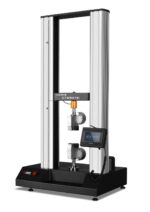
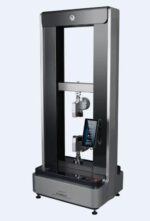
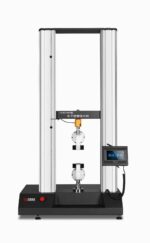
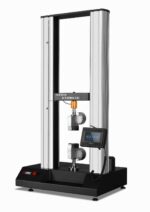
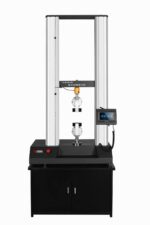
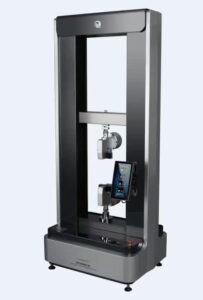
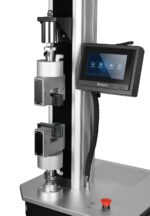
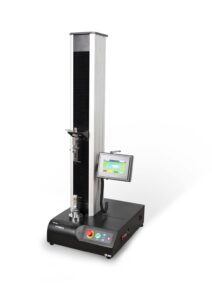
      A Tensile Strength Tester is a laboratory instrument used to measure the strength and elongation of materials like textiles, plastics, rubber, metals, and composites under tension. It determines how much force a material can withstand before breaking when pulled apart.   Key Features:
    1. Load Cell – Measures the force applied to the sample with high accuracy.
    2. Grips or Clamps – Hold the test sample firmly to prevent slippage during testing.
    3. Crosshead (Movable Arm) – Moves at a set speed to apply tension to the material.
    4. Digital Display or Software Interface – Shows real-time force, elongation, and stress-strain data.
     
    1. Multiple Test Modes – Supports tensile, compression, bending, and tearing tests depending on attachments.
    2. Adjustable Speed and Gauge Length – Customizable test settings to match standards like ASTM, ISO, or BIS.
      Applications of Tensile Strength Tester: – Textile Testing: Check the strength and stretch of fabrics, yarns, and threads. – Plastic and Rubber: Evaluate durability and flexibility. – Metals and Composites: Measure tensile strength and ductility.   Measured Outputs: – Tensile strength (maximum force before break) – Elongation at break (stretch percentage) – Young’s modulus (stiffness) – Stress-strain curves   Benefits of Tensile Strength Tester:
    1. Accurate Strength Measurement – Precisely determines a material’s breaking point and load-bearing capacity.
    2. Quality Control – Ensures materials meet required strength standards before production or release.
    3. Improves Product Performance – Helps select suitable materials for durability, reducing product failure risks.
     
    1. Data for R&D – Provides key mechanical properties like tensile strength, elongation, and modulus for material development.
    2. Standard Compliance- Supports testing to international standards (e.g., ASTM, ISO), ensuring global quality benchmarks.
    3. Versatile Testing – Can test textiles, plastics, rubbers, metals, and composites with appropriate grips and settings.
     
    1. Increases Efficiency – Speeds up material evaluation with automated testing and data logging.
    2. Reduces Waste – Detects weak or faulty materials early, cutting down defective production.
    3. Supports Decision Making – Gives engineers and designers data to choose or improve materials confidently.
      Features of Tensile Strength Tester:
    1. High-Precision Load Cell – Accurately measures force applied to the sample, typically in Newton’s or kilograms.
    2. Digital Control Interface – Easy-to-use panel or software for setting test parameters and viewing results.
    3. Adjustable Crosshead Speed – Customizable speed for stretching the sample to match different material standards.
     
    1. Interchangeable Grips – Various clamps for fabrics, yarns, plastics, or metals depending on the test material.
    2. Automatic Data Recording – Captures force, elongation, and break point for analysis and documentation.
    3. Graph Plotting Capability – Displays real-time stress-strain curves for detailed evaluation.
     
    1. Multiple Test Modes – Supports tensile, compression, tear, peel, and bending tests.
    2. Standard Compliance – Configurable to perform tests according to ASTM, ISO, or BIS standards.
    3. Safety Features- Includes overload protection and emergency stop for safe operation.
    4. Robust Frame Design- Rigid construction for stability and accurate testing, even at high loads.
      How to Use a Tensile Strength Tester:
    1. Prepare the Sample – Cut the material to standard size and shape based on test requirements (e.g., ASTM, ISO).
    2. Select Appropriate Grips – Choose clamps suitable for the material type (e.g., flat grips for fabric, V-grips for yarn).
    3. Mount the Sample- Secure both ends of the sample between the upper and lower grips. Make sure it is centered and tight to avoid slippage.
     
    1. Set Test Parameters
    – On the control panel or software, input: – Test speed (e.g., 100 mm/min for textiles) – Gauge length (initial distance between grips) – Test mode (tensile, tear, etc.)
    1. Zero the Machine – Calibrate the load cell and crosshead to start from zero force and zero position.
    2. Start the Test – Press “Start” to begin. The machine will stretch the sample until it breaks, measuring force and elongation.
    3. Monitor the Test – View live data on force, elongation, and stress-strain curve if available.
    4. Review and Save Results – After the break, the machine stops. View and save the data (tensile strength, elongation at break, modulus).
     
    1. Remove Sample and Clean Up – Dispose of the broken sample and clean grips if needed.
    Safety Tips: – Ensure proper grip and alignment to prevent snapping or slippage. – Never touch moving parts during testing. – Use safety shields for high-strength samples.     Tensile Strength tester
    Tensile Strength Tester

    Tensile Strength Tester

    Electronic fabric strength machine [Scope of application]: It is used to test the mechanical properties of various textiles such as stretching, tearing, constant elongation, constant load, elasticity, suture slippage, and peeling. [Related Standards]: Examples of material testing machines used in textile testing standards GB/T3923.1/2、FZ/T70006、FZ/T70007、FZ/T01085、 GB/T13772.1/2/3、FZ/T20019、FZ/T01030、 ISO ASTM JIS BS DIN etc. [Instrument features]: 1. High-rigidity column load frame configuration, precision pre-loaded ball screw. 2. Automatic distance positioning function. 3. AC servo drive device, high-resolution digital closed-loop controller. 4. Test modular design and open data management. 5. The equipment comes with a thermal printer to quickly output test results. [Technical parameter]: 1. Measuring force range: 1%~100% of full scale Model -250 -500 Full range 2500N 5000N 2. Minimum scale value: 0.01N Force measurement accuracy: ≤±0.2%F·S 3. Stretching speed: (0.01~1000)mm/min digital speed regulation, error ≤±1% 4. The maximum stroke of the instrument: 600mm 5. Elongation resolution: 0.01mm 6. Specimen clamping: pneumatic clamping or manual clamping 7. Power supply: AC220V±10% 50Hz 600W 8. Dimensions: (550×530×1400)mm (host L×W×H) 9. Weight: 74kg (standard configuration) 10. Sampling frequency: 2000Hz

      Shipping & Delivery

      Related products

      Hydraulic GSM Cutter
      Hydraulic GSM Cutter

      Hydraulic GSM Cutter

      Lab Equipment & Instrument, Physical Testing & Fabric Testing
      $0.00

      Hydraulic GSM Cutter

      Hydraulic GSM Cutter

      Hydraulic GSM Cutter

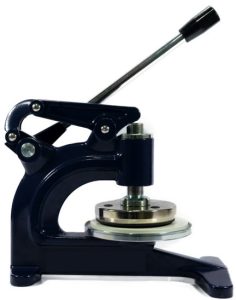
        A Hydraulic GSM Cutter is a precision instrument used to cut circular fabric samples for GSM (Grams per Square Meter) testing. It uses hydraulic pressure to ensure clean, uniform cuts through multiple fabric layers, making it ideal for high-throughput or thicker materials.   Purpose of Hydraulic GSM Cutter: - To prepare accurate circular samples (usually 100 cm² area) for determining fabric weight in GSM. - Used widely in textile testing labs for quality control and consistency.   Working Principle of Hydraulic GSM Cutter: - Fabric is placed on a cutting pad. - The cutter, equipped with a sharp circular blade, is hydraulically pressed down on the fabric. - The cut sample is then weighed to calculate GSM using a formula or GSM scale.   Applications of Hydraulic GSM Cutter: - Suitable for woven, knitted, and nonwoven fabrics. - Used in textile mills, labs, and R&D centers.   Benefits of Hydraulic GSM Cutter:
      1. High Cutting Precision - Ensures consistent and accurate fabric sample size for reliable GSM results.
      2. Effortless Operation- Hydraulic action reduces manual effort and operator fatigue.
      3. Ideal for Thick or Multi-Layer Fabrics - Cuts through dense or multiple fabric layers cleanly.
       
      1. Time-Saving - Speeds up the sample preparation process, especially for high-volume testing.
      2. Improves Test Accuracy - Uniform samples help eliminate errors in GSM calculation.
      3. Durable and Long-Lasting - Robust construction ensures stability and extended service life.
       
      1. Safety Enhancement - Reduces risk of injury compared to manual rotary cutters.
      2. Consistent Pressure Application - Hydraulic mechanism maintains steady force for each cut.
        Features of Hydraulic GSM Cutter:
      1. Hydraulic Press Mechanism - Applies consistent and strong pressure for clean, even cuts.
      2. Standard Cutting Die (100 cm²) - Produces fabric samples suitable for GSM testing with standard area.
      3. Heavy-Duty Construction - Built with robust metal frame for long-term lab or industrial use.
       
      1. Sharp Stainless Steel Blades - Durable and replaceable blades ensure smooth, precise cuts.
      2. Cutting Pad Included - Comes with a rubber or nylon base to protect blades and ensure clean edges.
      3. Simple Lever or Button Operation - Easy to use with minimal training required.
      4. Non-slip Base - Provides stability during operation for safe, accurate cutting.
      5. Supports Various Fabric Types
      - Suitable for woven, knitted, nonwoven, technical textiles, and coated fabrics.   How to Use Hydraulic GSM Cutter:
      1. Place the Cutting Pad - Lay the rubber or nylon cutting pad on a flat surface.
      2. Position the Fabric - Place the fabric sample flat and smooth on the cutting pad.
      3. Align the Cutter - Position the GSM cutter die over the desired area of the fabric.
      4. Activate Hydraulic Press - Pull the lever or press the button to apply hydraulic pressure and cut the sample.
       
      1. Remove the Sample - Lift the cutter and carefully take out the circular fabric piece (usually 100 cm²).
      2. Weigh the Sample - Place the cut sample on a precision balance or GSM scale to determine weight.
      3. Calculate GSM - Multiply the sample weight (in grams) by 100 to get GSM.
        GSM Formula (Grams per Square Meter): GSM is used to measure the weight of fabric and indicates its thickness and quality. Formula: GSM = (Sample Weight in grams × 10000) / Sample Area in cm² For standard cutters that cut 100 cm² samples: GSM = Sample Weight (in grams) × 100   Example: - If a 100 cm² fabric sample weighs 1.5 grams: GSM = 1.5 × 100 = 150 GSM
      Hydraulic GSM Cutter

      Hydraulic GSM Cutter

      Add to cart
      Quick view
      Fiber Oil Fast Extractor
      Fiber Oil Fast Extractor

      Fiber Oil Fast Extractor

      Physical Testing & Fabric Testing
      $0.00

      Fiber Oil Fast Extractor

      Fiber Oil Fast Extractor

      Fiber Oil Fast Extractor

        A Fiber Oil Fast Extractor is a laboratory instrument designed to determine the oil or finish content in fibers, yarns, or fabrics, particularly wool and synthetic materials. It operates on the principle of solvent extraction followed by evaporation.   Working Principle of Fiber Oil Fast Extractor:
      1. Sample Preparation: Cut the fabric or fiber into small pieces.
      2. Solvent Addition: Place the sample into a metal tube and add an appropriate solvent (e.g., petroleum ether, ethyl ether).
       
      1. Extraction: Apply weight to the sample to facilitate the dissolution of oils into the solvent.
      2. Evaporation: The solvent-oil mixture drips onto a heated plate where the solvent evaporates, leaving behind the oil.
      3. Measurement: Weigh the remaining oil and calculate its percentage relative to the initial sample mass.
        Key Features of Fiber Oil Fast Extractor: - Multiple Workstations: Models like the Quick Extra offer four independent stations for simultaneous testing.- Automatic Weight Pressurization: Eliminates manual pressure application, ensuring consistent results.- Microcomputer Temperature Control: Maintains uniform heating (typically 90°C–120°C) with ±1°C precision.   - Digital Interface: Features timers and oil calculators for efficient operation. - Data Connectivity: Some models can connect to systems like Smart Tex Lab for real-time monitoring and data management.   Applications of Fiber Oil Fast Extractor: - Textile Industry: Assessing oil content in fibers to ensure quality and compliance with standards like GB/T 6504-2017. - Research and Development: Studying the effects of oils and finishes on fiber properties. - Quality Control: Ensuring consistency in fiber treatment processes.   Benefits of Fiber Oil Fast Extractor:
      1. Accurate Oil Content Measurement- Precisely determines oil or finish content in fibers, crucial for quality control.
      2. Rapid Extraction Process - Delivers fast results, improving lab efficiency and productivity.
      3. Simultaneous Multi-Sample Testing - Multiple workstations (e.g., 4 at once) reduce testing time for bulk samples.
       
      1. Improved Product Quality - Helps maintain consistent oil levels, which affect dyeing, processing, and fabric performance.
      2. Automatic Operation - Automated pressing and heating reduce manual effort and operator error.
      3. Digital Monitoring - Built-in timer, temperature control, and oil calculator enhance accuracy and usability.
       
      1. Compliance with Standards - Supports industry methods like GB/T 6504-2017, ensuring reliable and standard-compliant results.
      2. Safe Solvent Handling - Enclosed design minimizes solvent exposure and evaporation loss.
        Features of Fiber Oil Fast Extractor:
      1. Multiple Test Stations - Usually equipped with 2 to 4 independent work units for parallel testing.
      2. Automatic Weight Pressing System - Applies consistent pressure on samples for uniform solvent extraction.
      3. Microcomputer Temperature Control - Maintains precise heating (typically 90–120°C) with ±1°C accuracy.
       
      1. Built-in Timer and Calculator - Allows setting extraction time and calculates oil content directly.
      2. Solvent Evaporation Plate- Heats and evaporates solvent quickly, leaving only the oil residue.
      3. Digital Display - Shows time, temperature, and process status for user-friendly operation.
      4. Compact and Durable Design - Made with corrosion-resistant materials suited for chemical handling.
       
      1. Safety Features - Includes overheat protection and enclosed solvent chamber to reduce exposure risk.
      2. Standard Compliant - Designed to meet GB/T 6504-2017 and similar industry testing standards.
        How to Use Fiber Oil Fast Extractor:
      1. Prepare the Sample - Cut 5–10 g of fiber or yarn into small pieces and place in the sample tube.
      2. Add Solvent - Pour a suitable solvent (e.g., petroleum ether) into the tube to cover the sample.
      3. Apply Weight - Place the extractor's weight or press system onto the sample to aid extraction.
       
      1. Start Extraction - Activate the machine. The solvent dissolves the oils and flows to the heating plate.
      2. Heat for Evaporation - Set the temperature (typically 90–120°C). The solvent evaporates, leaving oil on the plate.
      3. Measure Oil Content- After drying, weigh the remaining oil. Use the built-in calculator or formula:
      Oil % = (Oil weight / Original sample weight) × 100
      1. Clean the Unit - After cooling, clean all parts to prepare for the next test.
        Fiber Oil Fast Extractor

        Fiber Oil Fast Extractor

       
      Add to cart
      Quick view
      New
      Fabric air permeability tester

      Fabric air permeability tester

      Dyeing Lab Machine, Physical Testing & Fabric Testing
      $0.00
      Fabric Air Permeability Tester
      Fabric air permeability tester

      Fabric air permeability tester

        Fabric Air Permeability Tester is a lab instrument used to measure how easily air passes through a fabric. It quantifies the air permeability, which is crucial for evaluating breathability, comfort, and functional performance in textiles. Purpose Fabric Air Permeability Tester: It determines the rate of airflow through a fabric sample under a set air pressure, typically reported in units like cm³/cm²/s or L/m²/s. Working Principle: The tester creates a pressure difference across the fabric sample and measures the volume of air flowing through it. Higher air permeability means the fabric is more breathable. Main Components of Fabric Air Permeability Tester: - Test Head / Clamp: Holds the fabric securely without leakage. - Pressure Regulator: Maintains a constant air pressure during testing. - Flow Meter or Digital Sensor: Measures the actual airflow rate through the fabric. - Display Unit: Shows readings of air permeability instantly.   Applications of Fabric Air Permeability Tester: - Performance textiles (sportswear, PPE) - Technical fabrics (filters, tents, airbags) - Medical textiles (masks, gowns) - Nonwovens and industrial materials   Benefits of Fabric Air Permeability Tester:
      1. Accurate Breathability Measurement - Precisely measures how breathable a fabric is, essential for comfort and performance.
      2. Supports Quality Control - Ensures consistent air permeability in fabric batches, critical for products like PPE, sportswear, and filters.
       
      1. Enhances Product Design - Helps in selecting or engineering fabrics with the right airflow properties for specific uses.
      2. Standard Compliance - Conforms to international testing standards (e.g., ASTM D737, ISO 9237), ensuring global credibility.
      3. Quick and Reliable Testing - Provides rapid results, increasing lab efficiency and production decision-making speed.
       
      1. Wide Material Compatibility - Suitable for woven, nonwoven, knitted fabrics, and even paper or coated materials.
      2. Improves Functional Performance - Helps optimize products for ventilation, moisture control, and thermal comfort.
      3. Reduces Product Failure - Identifies underperforming fabrics early, minimizing risks in high-performance applications.
      Features of Fabric Air Permeability Tester:
      1. Digital Display - Shows air permeability readings clearly in units like L/m²/s or cm³/cm²/s.
      2. Precise Test Head/Clamp - Provides an airtight seal to prevent air leakage and ensure accurate results.
      3. Adjustable Pressure Settings - Allows testing under various pressure drops (e.g., 10–2500 Pa), depending on fabric type.
       
      1. Automatic Airflow Measurement - Built-in sensors or flow meters capture airflow rate automatically for quick analysis.
      2. Multiple Test Area Sizes - Interchangeable test plates to match different sample sizes and standard requirements.
      3. Data Logging and Export - Some models include USB or software connectivity for storing and exporting test results.
       
      1. Standard Compliance - Conforms to ASTM D737, ISO 9237, BS 5636, DIN 53887, etc.
      2. Robust Construction - Built with corrosion-resistant materials and durable components for long-term lab use.
      3. Low Maintenance - Simple cleaning and calibration process for reliable performance.
      4. Compact and User-Friendly Design - Ideal for lab benches and easy operation with minimal training.
      How to Use Fabric Air Permeability Tester:
      1. Prepare the Sample - Cut the fabric sample to the required size (usually circular, e.g., 20 cm²).
      2. Mount the Sample - Place the fabric securely in the test clamp or holder, ensuring no wrinkles or gaps.
      3. Set Test Parameters - Adjust the air pressure drop according to the fabric type or standard (e.g., 100 Pa).
       
      1. Start the Test - Turn on the air supply and start the airflow through the fabric.
      2. Read the Measurement - The digital display will show the air permeability value in the selected units.
      3. Record the Results - Note the readings or export data if the device supports it.
      4. Repeat if needed - Test multiple samples or areas for accuracy and average the results.
      5. Clean and Maintain - After testing, clean the clamp and ensure the device is calibrated regularly.
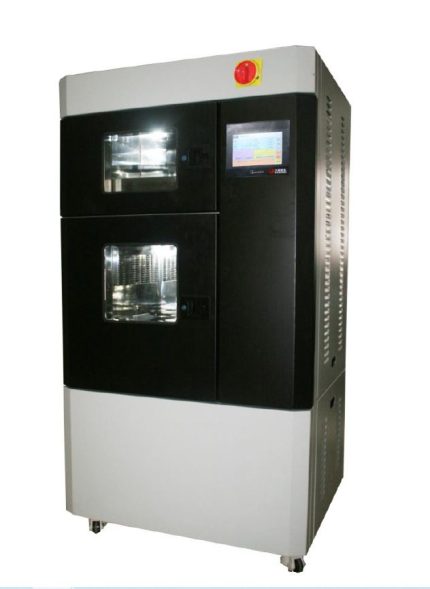
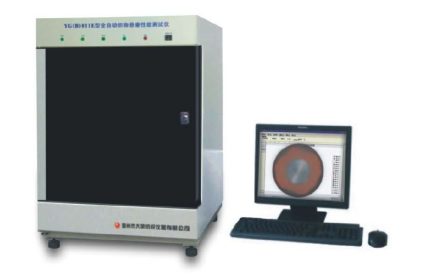
        Tip: Ensure the test environment maintains standard temperature and humidity for consistent results.   Fabric Air Permeability Tester Appliance Range It is used to TEST the air permeability of various textile fabrics, including industrial fabrics, nonwoven fabrics and other textile products and other breathable materials. Related Standards GB / T 5453, GB / T 13764, ISO 9237, ISO 5636, ASTM D737, etc. Instrument characteristics 1. Automatic sample clamping, automatic nozzle replacement, and quick test. 2. Microcomputer processing, the test results are displayed directly, without manual table calculation; 3. Built-in continuous test mode, the test unit can be switched as needed. 4. Chinese LCD menu operation, configure computer interface. Technical parameter 1. Range of sample pressure difference: 1 ~ 4000Pa 2. Measurable air permeability: 1 ~ 40,000mm / s 3. Measurement error: ≤ ± 2% 4. Measurable fabric thickness: ≤8mm 5. Test area: 5cm2; 20cm2; 50cm2; 100cm2 Ф50mm (≈19.6cm2) Ф70mm (≈38.5cm2) 6. Nozzles: 11 in total (automatic replacement of digital setting) CODE 00 01 02 03 04 05 06 07 08 09 10 DIAφ(mm) 0.8 1.2 2 3 4 6 8 10 12 16 20 7.Data Capacity:≤200 times tests 8.Power Supply:AC220V 50Hz 2KW 9.Weight:80Kg 10.Shape:1250×700×1250mm
      Add to cart
      Quick view
      Laboratory Mini Stenter Dryer

      Laboratory mini stenter Dryer

      Dyeing Lab Machine, Physical Testing & Fabric Testing
      $0.00
      Laboratory mini stenter Dryer
      Laboratory Mini Stenter Dryer

      Automatic fixing Dryer

        A Laboratory Mini Stenter Dryer is a compact, lab-scale machine designed to simulate the drying and heat-setting processes used in textile finishing. It mimics the function of industrial stenter machines but on a much smaller scale, making it ideal for testing fabric behavior, shrinkage, and finish quality under controlled conditions. Key Features:
      1. Controlled Heating System
      - Typically uses electric heating with adjustable temperature (up to 220–250°C). - Ensures uniform and precise temperature control.
      1. Adjustable Fabric Width
      - Equipped with clips or pins to hold and stretch fabric width-wise, simulating stenter frame action.  
      1. Variable Speed Conveyor - Allows control over fabric dwell time for drying or heat-setting.
      2. Compact and Bench-Top Design - Space-saving design ideal for textile labs and R&D units.
      3. Digital Controls - Easy-to-use digital interface for setting temperature, conveyor speed, and process time.
      1. Transparent Viewing Window - Allows operators to monitor fabric movement and drying visually.
      2. Low Energy Consumption - Designed for lab use, consuming less power than industrial models.
      Applications: - Heat-setting of synthetic fabrics.   Drying and curing of samples post-dyeing or printing. - Evaluating fabric shrinkage, dimensional stability, and finish behavior. - Testing chemicals and auxiliaries used in textile finishing.   Benefits of Laboratory Mini Stenter Dryer:
      1. Accurate Simulation of Production - Mimics industrial stenter conditions on a lab scale, ideal for pre-production testing and R&D.
      2. Cost-Effective Testing - Enables testing and fabric finishing without the high cost or space requirements of full-scale machines.
       
      1. Energy Efficient - Consumes less power compared to large stenters, making it economical for small-scale or frequent use.
      2. Precise Control - Offers accurate control of temperature, speed, and fabric tension, ensuring consistent results.
       
      1. Space-Saving Design - Compact and bench-top friendly, perfect for laboratories with limited space.
      2. Multiple Applications - Useful for drying, heat-setting, shrinkage testing, and evaluating chemical finishes.
       
      1. Faster Development Cycles - Speeds up new product development by allowing rapid sample testing and adjustments.
      2. Improved Fabric Quality - Helps optimize finishing parameters for better dimensional stability, hand feel, and appearance.
      3. Safe and User-Friendly- Designed with lab safety in mind, including temperature safety controls and easy operation.
        Features of Laboratory Mini Stenter Dryer:
      1. Compact Bench-Top Design - Ideal for laboratory use with limited space requirements.
      2. Adjustable Temperature Control - Precise heating (usually up to 220–250°C) with digital controllers for accurate processing.
       
      1. Variable Conveyor Speed- Allows adjustment of fabric dwell time for different drying or heat-setting needs.
      2. Width Adjustment Mechanism - Equipped with clips or pins to stretch and fix fabric width-wise, simulating industrial stenter conditions.
       
      1. Transparent Viewing Window - Enables visual monitoring of fabric movement and drying inside the chamber.
      2. Digital Display Panel- Easy-to-use interface for setting and monitoring temperature, speed, and time.
      3. Stainless Steel Construction- Durable and corrosion-resistant for long-term use at high temperatures.
       
      1. Uniform Heat Distribution- Ensures consistent fabric treatment across the width.
      2. Safety Features- Over-temperature protection and insulated body for operator safety.
      3. Versatile Applications - Suitable for drying, heat-setting, shrinkage testing, and chemical finish evaluations.
        Laboratory Mini Stenter Dryer dealer In Bangladesh, Lab Mini Stenter Dryer Importer in Bangladesh, Mini Stenter Dryer in Bangladesh, Laboratory Stenter Dryer in Bd, Lab Stenter Dryer In Uttara, Lab Stenter Price in Bangladesh, Laboratory Stenter Dryer in Bangladesh, Laboratory Mini Dryer in Bangladesh,   Automatic fixing dryer Application: used for simulating the production onsite to produce the textile that meets customer requirement, including the time、temperature、resin auxiliary agent formula, elongation of the same textile, and it is also can provide basis manufacture and to ensure the correctness of mass production. Basic design as Automatic Fixing Dryer,also connect external steam for printing sample steaming. Owing the wide adjusting ranges regarding temperature, humidity, dwelling time, this apparatus can be used for : a) Electric heating for drying, curing and thermofixation, room temp.~230℃. b) Steaming with saturated steam 102±2℃ c) Electric heating and steam together for HT steaming between 102±230℃ Textile Testing Instruments Automatic Fixing Dryer  dealer In Bangladesh, Automatic Fixing Dryer Importer in Bangladesh, Automatic Fixing Dryer in Bangladesh, Automatic Fixing Dryer  in Bd, Automatic Fixing Dryer  In Uttara, Automatic Fixing Dryer  Price in Bangladesh, Automatic Fixing Dryer  Supplier in Bangladesh, Lab Dryer Machine in Bangladesh, Rapid Dryer Mini Stanter in Bangladesh
      Add to cart
      Quick view
      Xenon Arc Light Fastness Tester
      Xenon Arc Light Fastness Tester

      Xenon Arc Light Fastness Tester

      Physical Testing & Fabric Testing
      $0.00
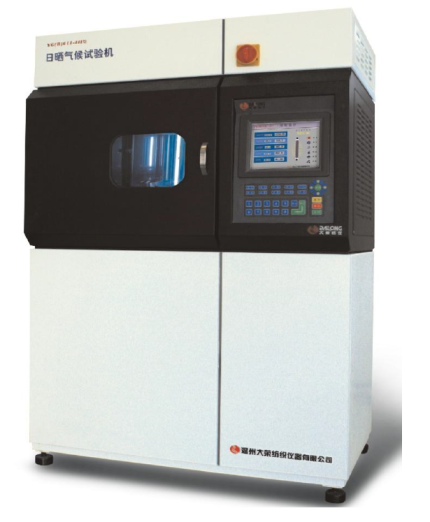
      Xenon Arc Light Fastness Tester Xenon Arc Light Fastness Tester is a laboratory instrument used to evaluate the color fastness
      Add to cart
      Quick view
      Spray Rating Tester
      Spray Rating Tester

      Spray Rating Tester

      Physical Testing & Fabric Testing
      $0.00

      Spray Rating Tester

      Spray Rating Tester

      Spray Rating Tester

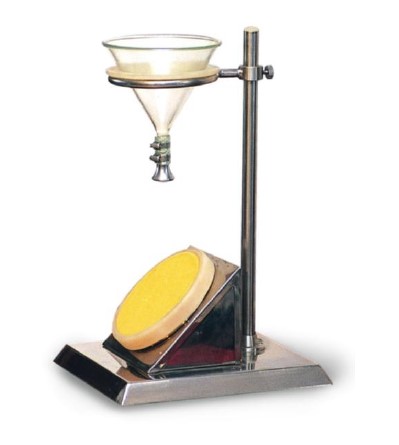
        The Spray Rating Tester is a textile testing instrument used to evaluate the water resistance or water repellency of fabric surfaces. It measures how well a fabric can resist wetting when exposed to a controlled spray of water, helping assess its performance in rain or damp conditions.   Purpose of Spray Rating Tester - To assess surface wetting resistance of textiles. - Commonly used for outdoor clothing, rainwear, tents, and performance fabrics.   Working Principle of Spray Rating Tester - A fabric specimen is mounted at a 45° angle. - Water is sprayed from a standard nozzle for a specific time. - After spraying, the fabric is visually rated based on the appearance of water drops and wetting.   Key Components of Spray Rating Tester - Spray Nozzle: Delivers a consistent, standard water spray. - Funnel & Reservoir: Controls the flow and volume of water. - Specimen Holder: Positions the fabric at a 45° angle. - Spray Stand: Ensures accurate nozzle height and positioning.   Standards Used of Spray Rating Tester - AATCC 22 - ISO 4920 - BS EN 24920   Applications of Spray Rating Tester - Rainwear and water-resistant textiles. - Quality control in fabric finishing. - R&D for performance apparel.   Benefits of Spray Rating Tester:
      1. Quick and Simple Evaluation - Offers a fast way to assess fabric water repellency without complex setup.
      2. Standardized Testing- Complies with AATCC 22 and ISO 4920, ensuring globally accepted results.
      3. Cost-Effective- Low maintenance and no power requirement make it economical for routine lab use.
       
      1. Improves Fabric Performance - Helps manufacturers develop or improve water-resistant textiles.
      2. Non-Destructive Test - Does not damage the fabric, allowing for additional tests on the same sample.
      3. Visual Grading- Easy to interpret using a standard spray rating chart (0 to 100 scale).
      4. Supports Quality Control - Detects finish degradation or variation in water-repellent treatments.
      5. Portable and Compact- Lightweight design allows easy use in various lab or field settings.
        Features of Spray Rating Tester:
      1. Standardized Spray Nozzle - Delivers consistent water spray per AATCC and ISO specifications.
      2. 45° Specimen Mounting Angle - Ensures uniform test setup for accurate and repeatable results.
      3. Stainless Steel or Aluminum Frame - Corrosion-resistant and durable for long-term use with water exposure.
       
      1. Water Reservoir and Funnel System - Provides precise water volume (usually 250 ml) for each test.
      2. Graduated Spray Stand- Fixed height (150 mm above specimen) for controlled spray impact.
      3. Detachable Specimen Holder- Easy loading and removal of fabric samples.
      4. Compact and Lightweight Design - Portable and convenient for both lab and field testing.
      5. No Electricity Required - Fully manual operation increases reliability and reduces operating costs.
        How to Use Spray Rating Tester:
      1. Prepare the Sample - Cut fabric to standard size (usually 180 × 180 mm). - Condition the sample if required (21°C, 65% RH for 24 hours).
      2. Mount the Fabric - Place the fabric on the specimen holder at a 45° angle.
      3. Fill the Reservoir - Pour 250 ml of distilled water into the upper funnel.
       
      1. Start the Test - Release the water through the nozzle; it sprays over the fabric for about 25–30 seconds.
      2. Inspect the Fabric - After spraying, visually assess the water beading or penetration on the surface.
      3. Rate the Sample - Compare the fabric’s wetting pattern with the standard spray rating chart: - 100 = No sticking/wetting - 90–50 = Partial wetting - 0 = Complete wetting
      4. Record the Rating - Document the spray rating for quality control or reporting.
        Spray Rating Tester, Water Repellency Tester Spray Reting Tester [Scope of application]: Used for the determination of moisture resistance (wetting grade) of various fabrics which have been or have not been treated with water resistance or water repellency. [related standards]: GB/T4745 ISO4920 AATCC22 JISL1092 etc. [technical parameters]: 1. Glass funnel:150 x 150 (capacity 500ml) 2. Specimen placement angle:The level is 45 degrees. 3. Distance from nozzle to sample center:150mm 4. Specimen diameter:Ф150mm 5. Size of water receiving pan:500×400×30mm 6. Matching measuring cups:500ml 7, size 500 x 400 x 500mm 8. Instrument weight:5Kg
      Add to cart
      Quick view
      Random Tumble Pilling Tester

      Random Tumble Pilling Tester

      Physical Testing & Fabric Testing
      $0.00

      Random Tumble Pilling Tester

      Random Tumble Pilling Tester

      Random Tumble Pilling Tester

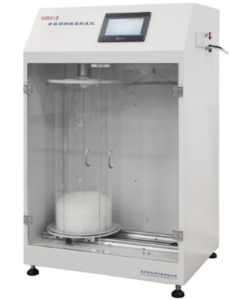
        The Random Tumble Pilling Tester is a specialized instrument designed to assess the pilling resistance of textile fabrics. Pilling refers to the formation of small, fuzzy balls (pills) on the fabric surface due to wear and friction. This tester simulates the wear conditions that fabrics experience during actual use, providing valuable data on their durability and appearance retention.   Purpose of Random Tumble Pilling Tester The primary function of the Random Tumble Pilling Tester is to evaluate how fabrics resist pilling, fuzzing, and matting. This assessment is crucial for manufacturers aiming to ensure the longevity and aesthetic quality of their textile products.   Working Principle of Random Tumble Pilling Tester The tester operates by placing fabric specimens into cylindrical test chambers lined with cork. Inside each chamber, a stainless steel impeller rotates at a high speed (typically around 1200 revolutions per minute), causing the fabric samples to tumble randomly. Compressed air is injected to enhance the tumbling action. This process simulates the friction and wear that fabrics undergo during regular use. After a predetermined duration, the samples are removed and visually assessed for pilling using standardized rating scales.   Key Specifications of Random Tumble Pilling Tester Test Chambers: Available in configurations of 2 or 4 chambers to accommodate multiple samples simultaneously. - Rotation Speed: Approximately 1200 revolutions per minute. - Chamber Dimensions: Typically around 146 mm in diameter and 152 mm in length. - Impeller Size: Standard impellers measuring about 121 mm. - Compressed Air Pressure: Adjustable, commonly between 14–21 kPa (2–3 psi). - Timer: Digital timer allowing precise control over test duration. - Power Supply: Generally operates on 220V, 50Hz power sources.   Applicable Standards of Random Tumble Pilling Tester The Random Tumble Pilling Tester complies with several international testing standards, ensuring its suitability for global applications:- ASTM D3512- ISO 12945-3- DIN 53867- JIS L 1076- GB/T 4802.4   Benefits of Random Tumble Pilling Tester - Realistic Simulation: Accurately replicates the wear and friction conditions fabrics face during actual use.- Standardized Testing: Adheres to international standards, facilitating consistent and comparable results.- Efficient Evaluation: Allows simultaneous testing of multiple samples, increasing laboratory throughput.- Quality Assurance: Provides manufacturers with critical data to improve fabric formulations and production processes. User-Friendly Operation: Features intuitive controls and clear viewing windows for easy monitoring.   Applications of Random Tumble Pilling Tester The Random Tumble Pilling Tester is widely used in various sectors of the textile industry: - Apparel Manufacturing: Assessing the durability of clothing fabrics. - Home Textiles: Evaluating materials used in upholstery, curtains, and bedding. - Quality Control Laboratories: Routine testing to ensure product consistency and compliance with standards.- Research and Development: Developing new fabrics with enhanced resistance to pilling.     Features of Random Tumble Pilling Tester:
      1. Multiple Test Chambers - Typically comes with 2 or 4 cork-lined chambers for simultaneous testing of multiple fabric samples.
      2. High-Speed Rotating Impellers - Impellers rotate at around 1200 rpm to create intense, random tumbling motion.
       
      1. Compressed Air System - Ensures continuous fabric movement and realistic simulation of wear.
      2. Digital Timer- Allows precise setting of test duration with easy-to-read display.
      3. Viewing Windows- Transparent chamber doors for monitoring fabric movement during testing.
      4. Standard Compliant Design- Meets ASTM D3512, ISO 12945-3, GB/T 4802.4 and other major standards.
       
      1. Robust Construction- Durable materials and components designed for long-term laboratory use.
      2. Easy Sample Handling - Quick-open chamber lids and simple sample placement process.
      3. Compact Footprint- Saves space in laboratory environments.
        How to Use Random Tumble Pilling Tester:
      1. Prepare Samples- Cut fabric into standard-sized specimens (usually circular or rectangular per ASTM/ISO specs)- Condition samples as per the standard (usually 24 hrs at 21°C, 65% RH).
      2. Load the Chambers - Place each sample into a cork-lined test chamber. - Add a small piece of gray cotton backing fabric if required by the method.
       
      1. Set Parameters - Adjust compressed air pressure (typically 14–21 kPa or 2–3 psi).
      - Set the test time (e.g., 30–60 minutes) using the digital timer.
      1. Start the Test- Close the chamber doors and press start. - Impellers rotate, tumbling the samples randomly with air flow.
       
      1. Stop and Unload - Once the timer ends, remove the samples carefully.
      2. Evaluate Pilling - Compare the tested samples to standard pilling rating photographs or scales.
      - Assign a rating from 1 (severe pilling) to 5 (no pilling).
      1. Record Results - Document the pilling grades and any observations.
          Random Tumble Pilling Tester [Scope of application]: It is used to test the fuzzing and pilling performance of the fabric under the condition of free rolling and friction in the drum. [Related standards]: GB/T4802.4 (Standard Drafting Unit) ISO12945.3, ASTM D3512, ASTM D1375, DIN 53867, ISO 12945-3, JIS L1076, etc. [Technical parameter]: 1. Number of boxes: 4 2. Roller specifications: diameter (146±1.0) mm, depth (152.4±1.0) mm; 3. Lining material: polychloroprene lining thickness (3.2±0.4) mm. , Hardness (60~70) IRHD; 4. Impeller specifications: φ12.7 mm×120.6 mm; 5. Plastic blade specifications: 10 mm×65 mm; 6. Rotation speed: 1~2400 rpm can be set freely 7. Working pressure: 14kPa~21kPa; 8. Time counting: (1~999) min. 9. Power supply: AC220V±10% 50Hz 80W 10. Appearance: (480×400×680)mm 11. Weight: 40kg [Standard accessories] Items and specifications Qty. Note Fuse 2 3A Main machine 1 Power cable 1 Air tube 1 Φ8mm Grey cotton sliver 4 Cork lining 4 Rating sample photo 1 White glue 1    
      Add to cart
      Quick view

      ICI Pilling & Snagging Test Machine

      Physical Testing & Fabric Testing
      $0.00
      ICI Pilling & Snagging Test Machine An ICI Pilling & Snagging Test Machine is a specialized laboratory instrument designed to
      Add to cart
      Quick view
      • Address
        • House 05, Road 3/A, Sector 09, Uttara, Dhaka.
      • Phone
        • 01713741546, 01974741546, 01714634452, 01838488804
      • Email
        • maamtexbd@gmail.com, info.maamtex@gmail.com, mamun@maamtexbd.com, info@maamtexbd.com
      • USEFUL LINKS
        • Privacy Policy
        • Terms & Conditions
      • USEFUL LINKS
        • Home
        • Contact Us
        • About Us

      SOCIAL MEDIA:

      Copyright Reserved by Maamtexbd 2024 | Developed by Systemeye.net.
      • Menu
      • Categories
      • Electronics
      • Lab Scientific Item
      • Home
      • Products
        • Dyeing Lab Machine
        • Physical Testing & Fabric Testing Machine
        • Lab Equipment & Instrument
        • Wet & Dry Process Instrument
        • Yarn Dyeing Machine-Equipment
        • Washing-Drying Machine
      • About us
      • Contact us
      Shopping cart
      Close
      Chat Now