About us
Select category
  • Select category
  • Dyeing Lab Machine
  • Lab Equipment & Instrument
  • Physical Testing & Fabric Testing
  • Yarn Dyeing Machine & Equipment
0 items $0.00
Menu
About us
0 items $0.00
  • Home
  • Products
    • Dyeing Lab Machine
      • Products
        • IR Dyeing Machine Dunlin IR Dyeing Machine Dunlin
        • Digital Ph meter
        • Color fastness to washing machine
        • Rainin Digital Pipette
        • HTHP Glycerin bath dyeing machine
        • Laboratory mini stenter Dryer
        • Laboratory tenter
        • Laboretory hydro Extractor
        • Laboretory Padder
        • Oscillation type Dyeing Machine
        • Orbital Shaker Machine
        • Steam Soaping machine

      IR Dyeing Machine Dunlin

      View More
    • Physical Testing & Fabric Testing Machine
      • Products
        • Tensile Strength tester
        • Martindale abrasion tester
        • Martindale abrasion tester updated Martindale abrasion tester Updated
        • Digital Elmendorf tearing tester
        • Bursting strength tester
        • ICI pilling & Snagging test machine
        • Fabric Stiffness Tester
        • Color Fastness to washing machine
        • Fabric air permeability tester
        • Fabric drape tester
        • Fabric flame retardant tester
        • fabric moisture permeability tester
      • Products
        • Stretch Recovery Tester Static Method
        • Xenon Arc Light Fastness Tester
        • Fastness rotary friction tester
        • Fiber oil fast extractor
        • Fabric flame retardant tester
        • Random Tumble Pilling Tester
        • Spray Rating Tester
        • Fatigue tester for Elastic fabric
    • Lab Equipment & Instrument
      • Products
        • Counting Balance /Weighing Scale
        • controller for Ir Dyeing Machine
        • Analog Thickness gauge
        • color matching cabinet/Light box
        • VeriVide Colour Assessment Cabinets
        • Digital hotplate magnetic stirrer
        • Digital Temperature Humidity meter
        • Digital Ink Rubbing Tester
        • Digital paper dot meter Densitometer
        • Digital Bench top PH Meter
        • Digital precision balance
        • Digital thickness gauge
      • Products
        • Pantone book
        • Hydraulic GSM Cutter
        • Gray scale
        • GSM Cutter & Balance
        • Hand needle detector
      • Products
        • Perspiration Tester
        • Textile moisture meter tem aqua boy
        • VeriVide D65 Tube Light
        • Yarn Tension Meter
    • Wet & Dry Process Instrument
      • Products
        • Bosch tumble dryer
        • Bosch-Washing-Machine-WAJ2018SGC-4
        • Capillary effect tester
        • Color fastness to wash
        • Color fastness to sublimation & heating
        • Durawash print Durability tester
        • Formaldehyde tester for textiles
        • Ozone Exposure chamber
        • Pilling assessment viewer
        • Whirlpool washer & Dryer
      Textile Machinery Supplier in Bangladesh

      MAAM TEX

      Lab Machine Supplier in Bangladesh, Testing machine supplier in Bangladesh, Dyeing Machine supplier in Bangladesh, Lab Machine Supplier in Dhaka, yarn Dyeing machine supplier in Bangladesh, Lab Dispensing Machine supplier in Bangladesh, soft winding machine supplier in Bangladesh, Hard winding machine supplier in Bangladesh, IR Dyeing machine supplier in Bangladesh, Lab machine Price in Bangladesh, 

    • Yarn Dyeing Machine-Equipment
      • Products
        • Cone yarn Dyeing machine
        • Automatic Bobbin Hydroextractor
        • Card winding machine for yarn
        • Sample Cone Yarn Dyeing machine
        • Digital yarn twist Tester
        • Electronic wrap reel
        • Fully Automatic Radio Frequency Dryer
        • Thread Cone Winding Machine
        • High speed hard winding machine
        • High speed Soft cone winding machine
        • Yarn evenness tester
      • Products
        • Yarn evenness tester
    • Washing-Drying Machine
      • Products
        • Automatic washing project
  • About us
  • Contact us
digital-precision-balance
360 product view
    0%
    Click to enlarge
    digital-precision-balance
    digital-precision-balance
    Home Dyeing Lab Machine Digital precision balance
    Digital hot plate-magnetic stirrer
    Digital hot plate-magnetic stirrer $0.00
    Back to products
    Pantone Book
    Pantone book $0.00

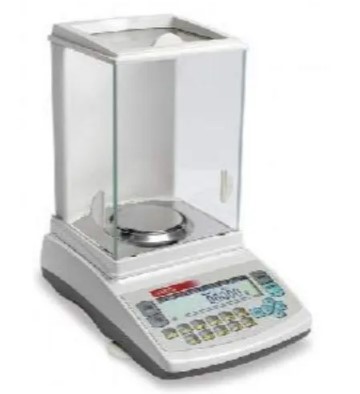
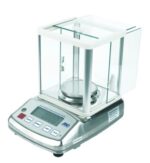
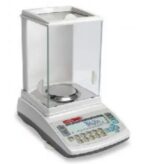
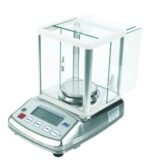
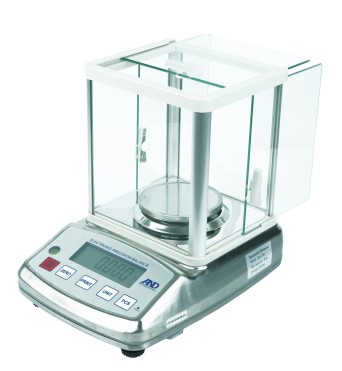
    Digital precision balance

    $0.00

    digital precision balance

    digital-precision-balance

    2/3/4/5 Digit Digital precision Balance

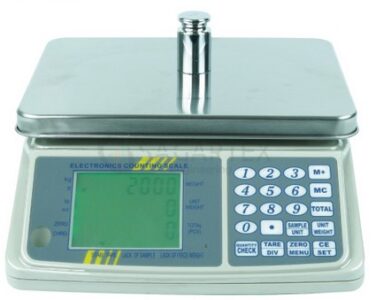
    digital precision balance is a weight balance machine. It’s used to Low capacity balance. digital precision balance  play an important role to accurate measurement. Digital precision balance is used to check weight paper, jewelry etc. It shows accurate result. We have the best collection of digital precision balance. MAAM TEX IS the best supplier of Precision Balance in Bangladesh

    A Digital Precision Balance is a high-accuracy electronic weighing device used in laboratories, industries, and educational institutions for measuring mass with a high degree of precision. It is essential for tasks that require meticulous weight measurements, such as chemical analysis, formulation, and quality control.

    Key Features:

    1. High Accuracy & Precision: – Typically offers readability from 0.1 g to 0.001 g (or even finer). – Ideal for weighing small amounts of material where accuracy is crucial.
    2. Digital Display: – Large, backlit LCD or LED display for easy reading. – Some models include touch screen interfaces.
    3. Tarring Function: – Allows you to subtract the weight of a container or packaging to get the net weight.
    4. Calibration: – Internal or external calibration to maintain accuracy over time. – Some advanced models have auto-calibration features.
    5. Weighing Units: – Supports multiple units like grams (g), milligrams (mg), carats (ct), and ounces (oz). Stable Platform:   – Includes a draft shield to protect against air currents and vibrations, which can affect measurement accuracy.

    Common Applications:- Laboratory Analysis: Precise measurement of chemicals and reagents.- Pharmaceuticals: Formulation and quality control.- Jewelry: Accurate measurement of precious metals and stones.- Education: Scientific experiments in schools and universities.

    Benefits:- Reliable and Consistent Measurements- User-Friendly Operation- Compact Design with Minimal Footprint- Improved Workflow Efficiency- Enhanced Data Handling (USB or RS232 ports for data transfer in advanced models)

    Benefits of digital precision balance Here are the key benefits of using a Digital Precision Balance:

    1. High Accuracy and Precision- Delivers extremely accurate weight measurements, often down to 0.001 g or better.- Crucial for experiments and applications where even slight variations can affect outcomes.


    1. User-Friendly Interface- Digital display makes readings easy to read and interpret.- Most models include intuitive controls for functions like tarring, unit conversion, and calibration.3. Speed and Efficiency- Provides instant, stable readings, saving time compared to manual or mechanical balances.- Streamlines lab workflows and enhances productivity.
    2. Versatile Applications- Suitable for various fields including chemistry, biology, pharmacology, food testing, and gemology.- Can handle diverse weighing tasks from solids to liquids and powders.
    3. Advanced Features- Tare Function: Subtracts the weight of containers automatically.- Multiple Weighing Units: Supports various measurement units.- Data Connectivity: Many models allow connection to computers or printers for data logging.
    4. Portability and Space Efficiency- Compact design fits easily in most laboratory setups.- Lightweight models are easy to move and store.
    5. Enhanced Safety and Reliability- Stable platform and draft shields reduce environmental interference.- Built-in calibration ensures ongoing accuracy.

    Here’s a step-by-step guide on how to use a Digital Precision Balance safely and accurately:

    1. Set Up the Balance- Place the balance on a stable, vibration-free, and level surface.- Avoid placing near fans, windows, or air vents to prevent air drafts.- Allow the balance to warm up (usually 15–30 minutes) if it has just been turned on.

    ⚙️ 2. Calibrate the Balance

    – If it’s manual calibration, use certified calibration weights.

    – For auto-calibration models, follow on-screen instructions.

    – Calibration ensures accuracy in measurements.

    ⚖️ 3. Tare the Balance

    – Place the container or weighing paper on the balance.

    – Press the “Tare” or “Zero” button to set the display to zero. This subtracts the container’s weight.

    4. Weigh the Sample

    – Carefully add the sample into the container.

    – Wait for the reading to stabilize (usually indicated by a stable icon or beep).

    – Read the weight from the digital display.

    5. Repeat or Change Units (if needed)

    – You can press the unit button to switch between grams, milligrams, ounces, etc., depending on your needs.


    6. Clean After Use

    – Remove any spilled substances.

    – Wipe the surface with a soft, lint-free cloth.

    Do not use harsh chemicals unless specified by the manufacturer.

    ⚠️ Tips for Best Use:

    – Avoid touching the container with bare hands (use tweezers or gloves to avoid adding extra weight from oils or moisture).- Use a draft shield if available to minimize airflow interference.- Do not overload the balance beyond its maximum capacity—it can damage the sensors.

    Categories: Lab Equipment & Instrument, Dyeing Lab Machine Tags: Analytical balance for lab, Analytical weighing instrument, Auto-calibration balance, Backlit digital display scale, Digital precision balance, Digital weighing machine, Electronic laboratory balance, High-accuracy weighing scale, High-resolution balance, Lab digital balance, Laboratory precision balance, Laboratory weighing equipment, Milligram balance, Multi-unit weighing scale, Pharmaceutical weighing scale, Precision weighing scale, Scientific digital balance, Tare function balance, USB/RS232 balance connectivity, Weighing chemicals in lab Brand: DIGI SCALE, AND
    Share:
    • Shipping & Delivery
    Shipping & Delivery

    Related products

    Laboratory tenter

    Laboratory tenter

    Dyeing Lab Machine
    $0.00

    Laboratory Tenter

    Laboratory tenter

    laboratory mini tenter

      A Laboratory Tenter (or Lab Stenter) is a small-scale version of an industrial tenter machine used in textile finishing. It is designed for heat-setting, drying, and finishing of fabric samples under controlled conditions in textile testing labs or R&D departments.   Key Features:
    1. Heat-Setting and Drying - Simulates the process of setting fabric dimensions and applying finishes using controlled temperature and tension.
    2. Fabric Width Control - Uses clips or pins on chains or rails to hold fabric edges and stretch them to desired width, just like in full-size tenters.
     
    1. Adjustable Temperature and Speed - Digital controls allow precise setting of drying/curing temperature and conveyor speed to match production conditions.
    2. Compact Design - Bench-top or floor-standing units suitable for labs with limited space.
    3. Transparent Viewing Chamber - Allows visual inspection of fabric behavior during processing.
     
    1. Versatile Application Range - Can process woven, knitted, and nonwoven fabrics of various compositions (cotton, polyester, blends, etc.).
    Applications: - Heat-setting of synthetic fabrics like polyester. - Drying after dyeing, printing, or chemical treatment. Dimensional stability testing (shrinkage/elongation). - Finish evaluation (e.g., softness, stiffness, water repellency). - Process optimization before bulk production.   Benefits of Laboratory Tenter:
    1. Accurate Simulation of Production - Replicates industrial finishing processes for reliable lab-scale testing and development.
    2. Improves Fabric Quality- Allows precise control of heat and tension, optimizing fabric properties like shrinkage, dimensional stability, and hand feel.
     
    1. Cost-Effective - Enables process trials and fabric development without using full-scale production equipment.
    2. Speeds Up R&D - Facilitates quick testing and adjustment of settings for new fabric styles or finishes.
    3. Versatile Applications - Suitable for drying, heat-setting, finishing, and evaluating different types of fabrics and treatments.
     
    1. Space-Efficient - Compact design fits easily into textile labs or sample rooms.
    2. Energy Efficient- Uses less power than industrial machines, ideal for small-scale and repeated testing.
    3. Process Control and Reproducibility- Digital controls ensure consistent and repeatable results, aiding in quality assurance and product development.
     
    1. Enhances Safety - Built with lab use in mind, featuring insulation and safety systems to protect users.
      Features of Laboratory Tenter:
    1. Precise Temperature Control - Digital temperature setting (typically up to 220–250°C) for accurate heat-setting and drying.
    2. Adjustable Fabric Width - Equipped with clip or pin chains to hold and stretch fabric across the width, simulating real stentering.
     
    1. Variable Conveyor or Chain Speed- Adjustable speed to control fabric dwell time during processing.
    2. Compact and Lab-Friendly Design - Designed for bench-top or small floor space use in textile labs.
    3. Transparent Chamber Window - Allows monitoring of fabric behavior during treatment.
    4. Digital Display and Control Panel - Easy operation for setting temperature, speed, and time.
     
    1. Uniform Heat Distribution- Ensures even treatment across the fabric width for accurate testing.
    2. Stainless Steel Construction - Durable, corrosion-resistant body for long-term use at high temperatures.
    3. Safety Features - Includes over-temperature protection, insulated body, and emergency stop functions.
    4. Sample Versatility - Suitable for various fabric types (woven, knit, synthetic, blends) and lab finishing tasks.
      Laboratory Mini tenter Dryer dealer In Bangladesh, Lab Mini tenter Dryer Importer in Bangladesh, Mini tenter Dryer in Bangladesh, Laboratory tenter Dryer in Bd, Lab tenter Dryer In Uttara, Lab tenter Price in Bangladesh, Laboratory tenter Dryer in Bangladesh, Laboratory Mini Dryer in Bangladesh,     Continuous Tenter Laboratory tenter
    Laboratory tenter

    laboratory mini tenter

    Used for continuous drying, curing , and thermo setting process , etc .Instead of tradition oven, can output sample more quick and flat, save a lot of time and increase efficiency. adjustable of feeding & setting separately . Simulating the production onsite to continuous drying. Laboratory Dyeing and Finishing Machine Laboratory tenter Continuous Tenter Machine Dunlin price in Bangladesh Laboratory tenter Continuous Tenter Machine Dunlin in textile Textile testing equipment in Bangladesh Textile testing equipment in Dhaka Textile testing equipment in Uttara MAAM tex Laboratory tenter Continuous Tenter Machine Dunlin price in Bangladesh
    Add to cart
    Quick view
    Perspiration Tester
    Perspiration Tester

    Perspiration Tester

    Lab Equipment & Instrument
    $0.00

    Perspiration Tester

    Perspiration Tester

    Perspiration Tester

      A Perspiration Tester is a lab device used to evaluate the colorfastness of textiles to artificial perspiration (sweat). It simulates the effects of human sweat—both acidic and alkaline—on dyed or printed fabrics under controlled temperature and pressure.   Purpose of Perspiration Tester: - To test how fabrics react to body sweat and determine whether dyes bleed, fade, or transfer onto adjacent materials.   Working Principle:
    1. Fabric samples are treated with synthetic perspiration solution (acidic or alkaline).
    2. They are sandwiched with adjacent fabric and placed between glass or acrylic plates.
    3. The assembly is loaded into the tester and pressed under specific pressure.
    4. it’s then incubated at 37°C (body temperature) for a fixed time (typically 4 or 16 hours).
    5. Afterward, color change and staining are evaluated using a gray scale.
      Applications of Perspiration Tester: - Garment and sportswear testing - Quality control in textile processing - Compliance with standards like ISO 105 E04, AATCC 15   Benefits of Perspiration Tester:
    1. Accurate Sweat Simulation - Mimics real-life effects of acidic and alkaline perspiration on fabrics.
    2. Improves Product Quality - Ensures textiles retain color and don’t bleed or stain when worn.
    3. Supports Standard Compliance - Follows ISO and AATCC test standards for global market approval.
    4. Protects Brand Reputation- Reduces customer complaints due to dye transfer or fading.
     
    1. Simple and Repeatable- Provides consistent pressure and conditions for reliable results.
    2. Multi-Sample Testing- Tests multiple specimens at once, saving time in labs.
    3. Durable and Low Maintenance- Robust frame with minimal moving parts makes it long-lasting and easy to care for.
      Features of Perspiration Tester:
    1. Stainless Steel Frame - Corrosion-resistant body for durability and long-term use.
    2. Multi-Sample Capacity - Can hold up to 20 or more specimens for batch testing.
    3. Standardized Loading Weight- Applies uniform pressure (usually 12.5 kPa) across all samples.
    4. Removable Plates - Glass or acrylic plates ensure even contact and easy cleaning.
     
    1. Compact Design- Space-saving, bench-top model ideal for lab environments.
    2. Complies with Test Standards - Meets ISO 105 E04, AATCC 15, and related perspiration fastness standards.
    3. Ease of Operation - Simple loading, unloading, and incubation process.
    4. High-Temperature Resistance - Can be used inside incubators at 37°C or ovens as required.
      How to Use a Perspiration Tester:
    1. Prepare the Test Solution - Mix artificial acidic or alkaline perspiration as per standard (ISO or AATCC).
    2. Cut the Fabric Samples - Cut both the test fabric and adjacent white fabric (usually cotton) to standard size.
    3. Soak the Samples - Immerse the fabric sandwich (test + adjacent) in the test solution for 30 minutes.
    4. Remove Excess Liquid - Gently squeeze or blot to remove extra moisture—do not dry.
     
    1. Load in the Tester- Place each sandwich between glass or acrylic separator plates in the tester.
    2. Apply Pressure - Tighten the top plate or place the standard weight on top to apply uniform pressure.
    3. Incubate - Keep the loaded tester in an oven or incubator at 37°C for 4–16 hours (depending on the method).
    1. Accurate Sweat Simulation - Mimics real-life effects of acidic and alkaline perspiration on fabrics.
    2. Improves Product Quality - Ensures textiles retain color and don’t bleed or stain when worn.
    3. Supports Standard Compliance - Follows ISO and AATCC test standards for global market approval.
    4. Protects Brand Reputation- Reduces customer complaints due to dye transfer or fading.
     
    1. Simple and Repeatable- Provides consistent pressure and conditions for reliable results.
    2. Multi-Sample Testing- Tests multiple specimens at once, saving time in labs.
    3. Durable and Low Maintenance- Robust frame with minimal moving parts makes it long-lasting and easy to care for.
    1. Dry and Evaluate - Remove, air dry the samples, then assess color change and staining using a gray scale.
    2. Fabric samples are treated with synthetic perspiration solution (acidic or alkaline).
    3. They are sandwiched with adjacent fabric and placed between glass or acrylic plates.
    4. The assembly is loaded into the tester and pressed under specific pressure.
    5. it’s then incubated at 37°C (body temperature) for a fixed time (typically 4 or 16 hours).
    6. Afterward, color change and staining are evaluated using a gray scale.
      Perspiration Tester

      Perspiration Tester

    Add to cart
    Quick view
    Digital hot plate-magnetic stirrer
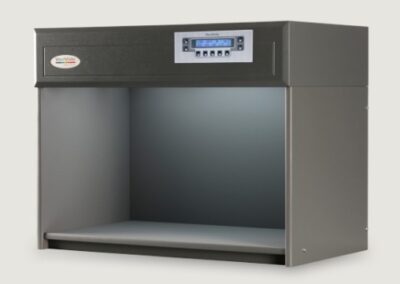
    Color Matching Cabinet -light Box

    Digital hot plate-magnetic stirrer

    Dyeing Lab Machine, Lab Equipment & Instrument
    $0.00

    Digital hot plate-magnetic stirrer

    Digital hot plate-magnetic stirrer

    Digital hot plate-magnetic stirrer

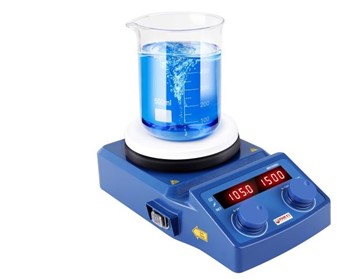
      A digital hot plate-magnetic stirrer is a laboratory device that combines two essential functions: heating and stirring. It is widely used in chemistry, biology, and physics laboratories for preparing solutions, mixing chemicals, and conducting experiments that require controlled heating and stirring. Model : (DL-300) Brand : DUNLIN Origin : TAIWAN Set-up plate Dimensions : Ø 135 mm Motor type : DC Motor Speed range : 0-1500 rpm Display : 5 Inch LED Display Heating temperature range : Room Temp. 0-280°C Temperature display : 5 Inch LED Display Temperature display accuracy : ±0.1 Protection class according to DIN EN 60529 : IP42 Power Supply : 200-240V 3A Dimensions ( W x D x H ) : ( 255 x 152 x 80 ) mm Key Components of Digital hot plate-magnetic stirrer: Hot Plate (Heating Element): - Provides a flat surface that heats up electrically. - Controlled via a digital interface for setting precise temperatures. - Often features over-temperature protection for safety.
    1. Magnetic Stirrer:
    - Uses a rotating magnetic field to spin a magnetic stir bar placed in the liquid. - Ensures even mixing of the solution without manual stirring. - Speed can be adjusted digitally.  
    1. Digital Display and Controls:
    - Allows precise setting of temperature and stirring speed. - Typically includes an LCD or LED screen. - Some models have programmable settings and timers.  
    1. Temperature Sensors:   - Built-in or external probes (like a PT100 or thermocouple) for accurate temperature control.
      Features of Digital hot plate-magnetic stirrer: - Temperature Range: Usually ranges from ambient to 300°C or higher. - Stirring Speed: Typically ranges from 100 to 1500 RPM. Material: The top plate is often made from ceramic, aluminum, or stainless steel to ensure durability and chemical resistance.   Applications Digital hot plate-magnetic stirrer: - Dissolving solids in liquids. - Heating samples while stirring to ensure uniform temperature distribution. - Conducting chemical reactions that need constant stirring and controlled heat. - Biological and pharmaceutical sample preparation.     Benefits of using a Digital Hot Plate & Magnetic Stirrer in laboratory and industrial settings:
    1. Precision and Control- Digital Interface: Allows accurate setting and monitoring of temperature and stirring speed.- Consistent Results: Ensures reproducibility in experiments and solution preparations.
     
    1. Efficient Mixing and Heating- Uniform Mixing: Magnetic stirring eliminates hotspots and ensures even distribution of solutes.- Simultaneous Operation: Ability to heat and stir at the same time improves efficiency.
     
    1. Safety Features- Overheat Protection: Prevents accidents by automatically shutting off at unsafe temperatures.- Sealed Surface: Reduces risk of contamination and easy to clean.
     
    1. Versatility
    - Suitable for a wide range of applications including chemical synthesis, biological experiments, and pharmaceutical processes.- Compatible with various types of containers and volumes.  
    1. Compact and User-Friendly- Takes up minimal bench space.- Simple to operate with user-friendly controls and displays.
    2. Durability- High-quality materials like ceramic or stainless steel tops resist corrosion and wear.
    3. Time-Saving Speeds up preparation of solutions and reactions compared to manual stirring and separate heating. Would you like these benefits presented in a slide format or for a product brochure?
    Add to cart
    Quick view
    Laboratory Mini Stenter Dryer

    Laboratory mini stenter Dryer

    Dyeing Lab Machine, Physical Testing & Fabric Testing
    $0.00
    Laboratory mini stenter Dryer
    Laboratory Mini Stenter Dryer

    Automatic fixing Dryer

      A Laboratory Mini Stenter Dryer is a compact, lab-scale machine designed to simulate the drying and heat-setting processes used in textile finishing. It mimics the function of industrial stenter machines but on a much smaller scale, making it ideal for testing fabric behavior, shrinkage, and finish quality under controlled conditions. Key Features:
    1. Controlled Heating System
    - Typically uses electric heating with adjustable temperature (up to 220–250°C). - Ensures uniform and precise temperature control.
    1. Adjustable Fabric Width
    - Equipped with clips or pins to hold and stretch fabric width-wise, simulating stenter frame action.  
    1. Variable Speed Conveyor - Allows control over fabric dwell time for drying or heat-setting.
    2. Compact and Bench-Top Design - Space-saving design ideal for textile labs and R&D units.
    3. Digital Controls - Easy-to-use digital interface for setting temperature, conveyor speed, and process time.
    1. Transparent Viewing Window - Allows operators to monitor fabric movement and drying visually.
    2. Low Energy Consumption - Designed for lab use, consuming less power than industrial models.
    Applications: - Heat-setting of synthetic fabrics.   Drying and curing of samples post-dyeing or printing. - Evaluating fabric shrinkage, dimensional stability, and finish behavior. - Testing chemicals and auxiliaries used in textile finishing.   Benefits of Laboratory Mini Stenter Dryer:
    1. Accurate Simulation of Production - Mimics industrial stenter conditions on a lab scale, ideal for pre-production testing and R&D.
    2. Cost-Effective Testing - Enables testing and fabric finishing without the high cost or space requirements of full-scale machines.
     
    1. Energy Efficient - Consumes less power compared to large stenters, making it economical for small-scale or frequent use.
    2. Precise Control - Offers accurate control of temperature, speed, and fabric tension, ensuring consistent results.
     
    1. Space-Saving Design - Compact and bench-top friendly, perfect for laboratories with limited space.
    2. Multiple Applications - Useful for drying, heat-setting, shrinkage testing, and evaluating chemical finishes.
     
    1. Faster Development Cycles - Speeds up new product development by allowing rapid sample testing and adjustments.
    2. Improved Fabric Quality - Helps optimize finishing parameters for better dimensional stability, hand feel, and appearance.
    3. Safe and User-Friendly- Designed with lab safety in mind, including temperature safety controls and easy operation.
      Features of Laboratory Mini Stenter Dryer:
    1. Compact Bench-Top Design - Ideal for laboratory use with limited space requirements.
    2. Adjustable Temperature Control - Precise heating (usually up to 220–250°C) with digital controllers for accurate processing.
     
    1. Variable Conveyor Speed- Allows adjustment of fabric dwell time for different drying or heat-setting needs.
    2. Width Adjustment Mechanism - Equipped with clips or pins to stretch and fix fabric width-wise, simulating industrial stenter conditions.
     
    1. Transparent Viewing Window - Enables visual monitoring of fabric movement and drying inside the chamber.
    2. Digital Display Panel- Easy-to-use interface for setting and monitoring temperature, speed, and time.
    3. Stainless Steel Construction- Durable and corrosion-resistant for long-term use at high temperatures.
     
    1. Uniform Heat Distribution- Ensures consistent fabric treatment across the width.
    2. Safety Features- Over-temperature protection and insulated body for operator safety.
    3. Versatile Applications - Suitable for drying, heat-setting, shrinkage testing, and chemical finish evaluations.
      Laboratory Mini Stenter Dryer dealer In Bangladesh, Lab Mini Stenter Dryer Importer in Bangladesh, Mini Stenter Dryer in Bangladesh, Laboratory Stenter Dryer in Bd, Lab Stenter Dryer In Uttara, Lab Stenter Price in Bangladesh, Laboratory Stenter Dryer in Bangladesh, Laboratory Mini Dryer in Bangladesh,   Automatic fixing dryer Application: used for simulating the production onsite to produce the textile that meets customer requirement, including the time、temperature、resin auxiliary agent formula, elongation of the same textile, and it is also can provide basis manufacture and to ensure the correctness of mass production. Basic design as Automatic Fixing Dryer,also connect external steam for printing sample steaming. Owing the wide adjusting ranges regarding temperature, humidity, dwelling time, this apparatus can be used for : a) Electric heating for drying, curing and thermofixation, room temp.~230℃. b) Steaming with saturated steam 102±2℃ c) Electric heating and steam together for HT steaming between 102±230℃ Textile Testing Instruments Automatic Fixing Dryer  dealer In Bangladesh, Automatic Fixing Dryer Importer in Bangladesh, Automatic Fixing Dryer in Bangladesh, Automatic Fixing Dryer  in Bd, Automatic Fixing Dryer  In Uttara, Automatic Fixing Dryer  Price in Bangladesh, Automatic Fixing Dryer  Supplier in Bangladesh, Lab Dryer Machine in Bangladesh, Rapid Dryer Mini Stanter in Bangladesh
    Add to cart
    Quick view
    HTHP Glycerin bath dyeing machine
    HTHP Glycerin bath dyeing machine

    HTHP Glycerin bath dyeing machine

    Dyeing Lab Machine
    $0.00
    HTHP Glycerin Bath Dyeing Machine
    HTHP Glycerin bath dyeing machine

    HTHP dyeing machine

      The HTHP Glycerin Bath Dyeing Machine (High Temperature High Pressure) is a laboratory or small-scale dyeing machine designed to dye textile samples, especially synthetic fibers like polyester, under high temperature and pressure using glycerin as a heating medium instead of water. Key Features:
    1. High Temperature Capability - Operates up to 140°C or more, ideal for disperse dyeing of polyester which requires elevated temperatures.
    2. Glycerin as Heat Transfer Medium - Glycerin allows for precise and uniform heating beyond the boiling point of water, without pressure buildup as in steam-based systems.
    1. Small Sample Dyeing - Used for lab-scale dyeing of fabric or yarn samples (commonly 5–10 g per tube), useful in R&D or color matching.
    2. Multiple Sample Capacity - Usually has multiple dyeing tubes/chambers for simultaneous dyeing of several samples under identical conditions.
    1. Accurate Temperature and Time Control - Digital or microprocessor-based controllers regulate temperature, heating rate, and timing precisely.
    2. Uniform Dyeing - Ensures even dye penetration due to consistent heat distribution and controlled rotation or agitation.
    1. Energy Efficient Glycerin’s heat retention reduces energy consumption compared to steam systems.
    2. Compact and Durable Design - Bench-top design, made from stainless steel and heat-resistant components for long life and lab use.
    Applications: - Disperse dyeing of polyester. - Color matching and development. - Small-batch dye recipe trials before production. Benefits of HTHP Glycerin Bath Dyeing Machine: High-Temperature Dyeing - Enables dyeing of synthetic fibers like polyester at temperatures above 100°C without requiring high-pressure steam systems.
    1. Uniform Heating with Glycerin - Glycerin provides consistent heat transfer, ensuring even dye uptake and minimizing shade variation.
    1. Energy Efficient- Glycerin retains heat longer, reducing energy consumption compared to traditional steam-based dyeing.
    2. Accurate Process Control - Precise temperature and time control enhance reproducibility and dyeing consistency.
    1. Ideal for Lab and Sample Work - Perfect for R&D, shade matching, and recipe development with small fabric or yarn samples.
    2. Multi-Sample Dyeing - Allows multiple samples to be dyed simultaneously under identical conditions, saving time and effort.
    3. Compact and Safe - Bench-top design fits in laboratories and is safer than high-pressure steam systems.
    1. Low Maintenance - Simplified operation and fewer mechanical parts compared to steam-based systems lower upkeep needs.
    2. Faster Dyeing Cycles- Glycerin heats and cools quickly, reducing overall dyeing time.
    Features of HTHP Glycerin Bath Dyeing Machine:
    1. High-Temperature Operation - Capable of dyeing up to 140–150°C, suitable for synthetic fibers like polyester.
    2. Glycerin as Heat Medium - Uses glycerin for uniform, efficient heat transfer without generating high steam pressure.
    1. Multiple Dyeing Chambers - Usually equipped with 6–24 tubes for simultaneous multi-sample dyeing under identical conditions.
    2. Digital Temperature Controller- Offers precise control of temperature, time, and heating rate with programmable settings.
    1. Compact and Lab-Friendly Design - Bench-top model, easy to operate in laboratory environments with limited space.
    2. Stainless Steel Construction - Corrosion-resistant and durable for long-term, high-temperature operation.
    3. Safety Features - Includes over-temperature protection and thermal insulation to prevent heat loss and ensure operator safety.
    1. Agitation or Sample Rotation- Some models offer rotation or agitation for uniform dye penetration.
    2. Energy Efficient Heating - Glycerin’s heat retention improves energy efficiency over water- or steam-based systems.
    3. Low Maintenance - Simplified mechanical system reduces the need for frequent servicing.
    HTHP Glycerin Bath Dyeing Machine dealer In Bangladesh, Glycerin Bath Dyeing Machine Importer in Bangladesh, HTHP  Dyeing Machine in Bangladesh, HTHP Bath Dyeing Machine in Bd, HTHP Dyeing Machine In Uttara, Glycerin Bath Dyeing Machine Price in Bangladesh, HTHP Dyeing Machine Supplier in Bangladesh, Glycerin Bath Dyeing Machine in Bangladesh,   High temperature glycerin Bath Dyeing machine. Brad: DUNLIN Origin: China Application scope of high temperature glycerin machine: it is suitable for high temperature sample dyeing and washing fastness test of needle woven fabric, woven fabric, yarn, cotton, loose fiber and zipper. It is a high temperature dyeing sample machine specially designed for dyeing industry, chemical industry, raw material and cloth industry. It can accurately simulate the actual production conditions and achieve the required process effect. Parameter specification: Model: H-24P Number of test cups: 24*450ml Maximum dyeing temperature: 235 ℃ Bath ratio: 1:10~1:60 Heating power: 10800w Heating medium: Glycerin Motor power: 0.75w Rotor speed: 42 r/min
    Add to cart
    Quick view
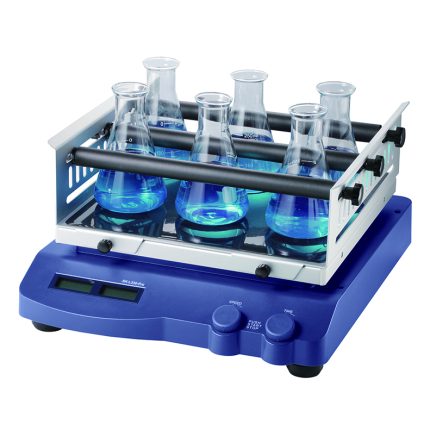
    Orbital Shaker Machine
    Orbital Shaker Machine
    Orbital Shaker Machine

    Dyeing Lab Machine
    $0.00

    Orbital Shaker Machine

    Orbital Shaker Machine

    Orbital Shaker Machine

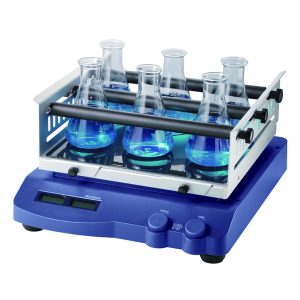
    Orbital Shaker Machine is a lab device used to mix, agitate, or aerate samples by moving them in a circular motion on a flat platform. It’s commonly used in microbiology, biotechnology, and textile labs for tasks like dye extraction, enzyme reactions, and chemical mixing. Key Features or Orbital Shaker machine :
    1. Orbital Motion - Provides a smooth circular shaking pattern, ideal for gentle mixing without foaming or splashing.
    2. Adjustable Speed Control - Speed typically ranges from 50 to 300 RPM, depending on the model and application.
    3. Timer Function - Allows users to set shaking time from minutes to hours for precise control of experiments.
    1. Platform with Clamps or Mats - Holds flasks, beakers, test tubes, or trays securely during operation.
    2. Digital Display (in advanced models) - Shows speed and time settings for accurate and repeatable performance.
    3. Variable Capacity - Available in sizes to accommodate different lab needs—from a few samples to dozens.
     
    1. Quiet Operation - Designed for minimal vibration and noise during continuous use.
    Common Applications: - Mixing dyes or chemicals in textile labs - Growing cell cultures or microbial samples in flasks - Solvent extraction or dissolution of powders in liquids Sample preparation for testing or analysis   Benefits of Orbital Shaker Machine:
    1. Uniform Mixing - Ensures even distribution of dyes, chemicals, or cultures without manual stirring.
    2. Gentle Agitation - Ideal for delicate samples like cell cultures or fabric swatches, reducing damage or splashing.
    3. Hands-Free Operation - Allows continuous, unattended mixing—improving lab efficiency and freeing up personnel.
     
    1. Customizable Settings - Adjustable speed and timer let users tailor mixing to specific sample types and needs.
    2. Versatile Use - Suitable for a wide range of applications including dye mixing, sample incubation, chemical reaction enhancement, and microbial growth.
    3. Enhanced Reproducibility - Consistent shaking patterns and digital controls ensure repeatable results across experiments.
     
    1. Reduces Human Error - Automated operation minimizes variability and manual handling mistakes.
    2. Compact and Lab-Friendly - Takes up minimal space while accommodating multiple sample containers.
    Features of Orbital Shaker Machine:
    1. Orbital Shaking Motion - Moves samples in a circular path for uniform and consistent mixing.
    2. Variable Speed Control - Adjustable shaking speed (typically 50–300 RPM) to suit different sample types.
    3. Digital Timer - Programmable run time for precise and repeatable operations.
     
    1. Flat Platform Design - Accommodates flasks, beakers, tubes, or trays with optional clamps or non-slip mats.
    2. LCD or LED Display (in advanced models) - Shows speed, time, and operating status clearly.
    3. Quiet Operation - Low-noise motor and stable base minimize vibration and disturbance in the lab.
     
    1. Overload Protection - Prevents motor damage from excessive weight or resistance.
    2. Compact and Durable Build - Designed to fit standard lab benches and withstand regular use.
    3. Versatile Capacity Options - Available in various sizes to handle different numbers and sizes of containers. User-Friendly Interface - Simple control panel for easy setup and operation.
      Orbital Shaker MachineShaker Machine Brand: Dunlin Origin: Korea. Maximum. load capacity (with platform) is 7.5kg Support orbital and linear shaking Fashion design of high strength tempered glass on the front panel LED display for easy-reading of speed and time simultaneously Digital speed control system and micro-computer control make stable running and prevent sample splashing. Brushless DC motor is maintenance-free and provides long service life Over-load and over-speed detection and protection Supports both orbital shaking and linear shaking and easy to switch the shaking mode Continuous operation and timed operation in range of 0-99h59min are available Automatic alarm by time controller allows for unsupervised operation A wide choice of platforms for various applications   Orbital Shaker Machine Shaker Machine Dunlin price in Bangladesh Orbital Shaker Machine Shaker Machine Dunlin in textile Textile testing equipment in Bangladesh Textile testing equipment in Dhaka Textile testing equipment in Uttara MAAM tex Shaker Machine Dunlin price in Bangladesh
    Add to cart
    Quick view
    Hydraulic GSM Cutter
    Hydraulic GSM Cutter

    Hydraulic GSM Cutter

    Lab Equipment & Instrument, Physical Testing & Fabric Testing
    $0.00

    Hydraulic GSM Cutter

    Hydraulic GSM Cutter

    Hydraulic GSM Cutter

      A Hydraulic GSM Cutter is a precision instrument used to cut circular fabric samples for GSM (Grams per Square Meter) testing. It uses hydraulic pressure to ensure clean, uniform cuts through multiple fabric layers, making it ideal for high-throughput or thicker materials.   Purpose of Hydraulic GSM Cutter: - To prepare accurate circular samples (usually 100 cm² area) for determining fabric weight in GSM. - Used widely in textile testing labs for quality control and consistency.   Working Principle of Hydraulic GSM Cutter: - Fabric is placed on a cutting pad. - The cutter, equipped with a sharp circular blade, is hydraulically pressed down on the fabric. - The cut sample is then weighed to calculate GSM using a formula or GSM scale.   Applications of Hydraulic GSM Cutter: - Suitable for woven, knitted, and nonwoven fabrics. - Used in textile mills, labs, and R&D centers.   Benefits of Hydraulic GSM Cutter:
    1. High Cutting Precision - Ensures consistent and accurate fabric sample size for reliable GSM results.
    2. Effortless Operation- Hydraulic action reduces manual effort and operator fatigue.
    3. Ideal for Thick or Multi-Layer Fabrics - Cuts through dense or multiple fabric layers cleanly.
     
    1. Time-Saving - Speeds up the sample preparation process, especially for high-volume testing.
    2. Improves Test Accuracy - Uniform samples help eliminate errors in GSM calculation.
    3. Durable and Long-Lasting - Robust construction ensures stability and extended service life.
     
    1. Safety Enhancement - Reduces risk of injury compared to manual rotary cutters.
    2. Consistent Pressure Application - Hydraulic mechanism maintains steady force for each cut.
      Features of Hydraulic GSM Cutter:
    1. Hydraulic Press Mechanism - Applies consistent and strong pressure for clean, even cuts.
    2. Standard Cutting Die (100 cm²) - Produces fabric samples suitable for GSM testing with standard area.
    3. Heavy-Duty Construction - Built with robust metal frame for long-term lab or industrial use.
     
    1. Sharp Stainless Steel Blades - Durable and replaceable blades ensure smooth, precise cuts.
    2. Cutting Pad Included - Comes with a rubber or nylon base to protect blades and ensure clean edges.
    3. Simple Lever or Button Operation - Easy to use with minimal training required.
    4. Non-slip Base - Provides stability during operation for safe, accurate cutting.
    5. Supports Various Fabric Types
    - Suitable for woven, knitted, nonwoven, technical textiles, and coated fabrics.   How to Use Hydraulic GSM Cutter:
    1. Place the Cutting Pad - Lay the rubber or nylon cutting pad on a flat surface.
    2. Position the Fabric - Place the fabric sample flat and smooth on the cutting pad.
    3. Align the Cutter - Position the GSM cutter die over the desired area of the fabric.
    4. Activate Hydraulic Press - Pull the lever or press the button to apply hydraulic pressure and cut the sample.
     
    1. Remove the Sample - Lift the cutter and carefully take out the circular fabric piece (usually 100 cm²).
    2. Weigh the Sample - Place the cut sample on a precision balance or GSM scale to determine weight.
    3. Calculate GSM - Multiply the sample weight (in grams) by 100 to get GSM.
      GSM Formula (Grams per Square Meter): GSM is used to measure the weight of fabric and indicates its thickness and quality. Formula: GSM = (Sample Weight in grams × 10000) / Sample Area in cm² For standard cutters that cut 100 cm² samples: GSM = Sample Weight (in grams) × 100   Example: - If a 100 cm² fabric sample weighs 1.5 grams: GSM = 1.5 × 100 = 150 GSM
    Hydraulic GSM Cutter

    Hydraulic GSM Cutter

    Add to cart
    Quick view
    Digital Ink Rubbing Tester
    Digital Ink Rubbing Tester
    Digital Ink Rubbing Tester

    Lab Equipment & Instrument
    $0.00

    Digital Ink Rubbing Tester

    Digital Ink Rubbing Tester
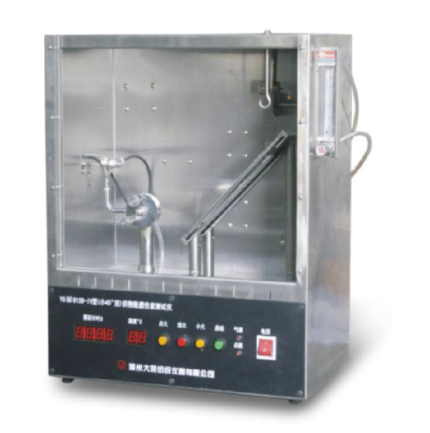
    Digital Ink Rubbing Tester

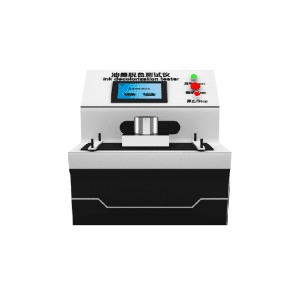
      A Digital Ink Rubbing Tester is a laboratory device used to evaluate the abrasion resistance and print durability of printed materials such as paper, packaging, labels, and printed films. It simulates the rubbing action between printed surfaces to test how well ink or coating adheres under friction.   Purpose of Digital Ink Rubbing Tester: - Measures how much ink or print wears off when rubbed against another surface. - Helps assess print quality, especially for packaging, labels, and publications.   ⚙️ Key Features of Digital Ink Rubbing Tester: - Digital Control Panel: For setting rubbing speed, stroke length, and number of cycles. - Adjustable Load: Pressure can be adjusted to simulate real-use friction. - Counter Display: Shows the number of rubbing cycles completed. - Sample Holders: Secure the test samples and rubbing medium in place. - Automatic Stop: Machine stops automatically after the set number of cycles.   Applications of Digital Ink Rubbing Tester: - Used in printing, packaging, and paper industries. - Commonly tests materials like labels, corrugated boxes, printed cartons, and laminates.   ✅ Benefits of Digital Ink Rubbing Tester: - Ensures print durability under handling or shipping. - Supports quality control in production. - Helps in selecting better ink or coating formulations.   ✅ 1. Ensures Print Durability - Tests how well ink or coating resists wear from friction, ensuring quality under real-world handling and shipping. ✅ 2. Improves Quality Control - Detects weak adhesion or poor ink quality early in the production process, reducing rework and returns.   ✅ 3. Precise and Repeatable Testing - Digital settings allow accurate control of speed, pressure, and cycle count for consistent test conditions. ✅ 4. Saves Time and Labor - Automates the rubbing process with pre-set cycles, reducing manual effort and improving efficiency. ✅ 5. Versatile Application - Suitable for a wide range of printed materials: labels, packaging, paper, film, and coated surfaces.   ✅ 6. Supports Product Development - Helps in testing and selecting the best inks, coatings, and substrates for specific use cases. ✅ 7. Meets Industry Standards - Often compatible with standards like ASTM D5264, ensuring credibility in test results.   key features of a Digital Ink Rubbing Tester: ⚙️ 1. Digital Control Panel - Allows precise setting of rubbing speed, stroke length, and cycle count. 2. LCD/LED Display - Shows real-time data like number of cycles, test duration, and operational status.   3. Adjustable Load - Enables setting different pressure levels to simulate various handling conditions. 4. Automatic Cycle Operation - Runs pre-set rubbing cycles and stops automatically after completion. 5. Sample Holders/Fixtures - Securely holds test specimens and rubbing surfaces for accurate testing.   ️ 6. User-Friendly Interface - Intuitive buttons and digital readouts for easy operation and test setup. 7. Compatible with Industry Standards - Supports test methods like ASTM D5264 and TAPPI T830. 8. Compact & Durable Design - Small footprint with a sturdy build for long-term use in lab environments.   Here’s a simple step-by-step guide to using a Digital Ink Rubbing Tester: ✅ 1. Prepare the Samples - Cut the printed material to fit the sample holder. - Cut a rub surface (usually plain or standardized paper) for rubbing contact. ✅ 2. Mount the Samples - Place the printed sample on the base platform. - Secure the rubbing medium in the moving head or upper fixture.   ✅ 3. Set Test Parameters - Use the digital control panel to input: - Number of cycles - Rubbing speed - Stroke length - Load/pressure (if adjustable)   ✅ 4. Start the Test - Press the Start button. - The machine will perform rubbing action based on your settings. ✅ 5. Observe the Results - After completion, inspect the printed surface for ink wear, smudging, or fading. - Record results manually or digitally if the tester supports logging.   ✅ 6. Clean and Reset - Remove samples, clean the fixtures, and turn off the device after use.
    Digital Ink Rubbing Tester

    Digital Ink Rubbing Tester

     
    Add to cart
    Quick view
    • Address
      • House 05, Road 3/A, Sector 09, Uttara, Dhaka.
    • Phone
      • 01713741546, 01974741546, 01714634452, 01838488804
    • Email
      • maamtexbd@gmail.com, info.maamtex@gmail.com, mamun@maamtexbd.com, info@maamtexbd.com
    • USEFUL LINKS
      • Privacy Policy
      • Terms & Conditions
    • USEFUL LINKS
      • Home
      • Contact Us
      • About Us

    SOCIAL MEDIA:

    Copyright Reserved by Maamtexbd 2024 | Developed by Systemeye.net.
    • Menu
    • Categories
    • Electronics
    • Lab Scientific Item
    • Home
    • Products
      • Dyeing Lab Machine
      • Physical Testing & Fabric Testing Machine
      • Lab Equipment & Instrument
      • Wet & Dry Process Instrument
      • Yarn Dyeing Machine-Equipment
      • Washing-Drying Machine
    • About us
    • Contact us
    Shopping cart
    Close
    Chat Now