Skip to content
About us
Select category
  • Select category
  • Dyeing Lab Machine
  • Lab Equipment & Instrument
  • Physical Testing & Fabric Testing
  • Yarn Dyeing Machine & Equipment
7 items $0.00
Menu
About us
7 items $0.00
  • Home
  • Products
    • Dyeing Lab Machine
      • Products
        • IR Dyeing Machine Dunlin IR Dyeing Machine Dunlin
        • Digital Ph meter
        • Color fastness to washing machine
        • Rainin Digital Pipette
        • HTHP Glycerin bath dyeing machine
        • Laboratory mini stenter Dryer
        • Laboratory tenter
        • Laboretory hydro Extractor
        • Laboretory Padder
        • Oscillation type Dyeing Machine
        • Orbital Shaker Machine
        • Steam Soaping machine

      IR Dyeing Machine Dunlin

      View More
    • Physical Testing & Fabric Testing Machine
      • Products
        • Tensile Strength tester
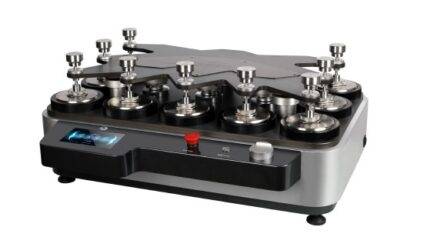
        • Martindale abrasion tester
        • Martindale abrasion tester updated Martindale abrasion tester Updated
        • Digital Elmendorf tearing tester
        • Bursting strength tester
        • ICI pilling & Snagging test machine
        • Fabric Stiffness Tester
        • Color Fastness to washing machine
        • Fabric air permeability tester
        • Fabric drape tester
        • Fabric flame retardant tester
        • fabric moisture permeability tester
      • Products
        • Stretch Recovery Tester Static Method
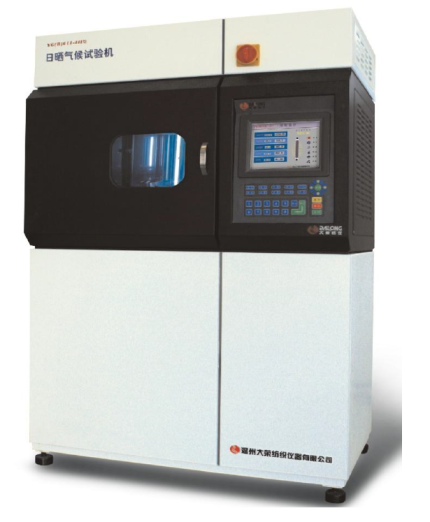
        • Xenon Arc Light Fastness Tester
        • Fastness rotary friction tester
        • Fiber oil fast extractor
        • Fabric flame retardant tester
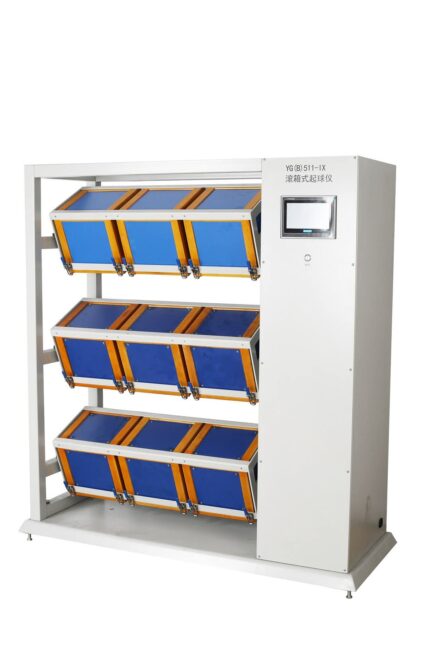
        • Random Tumble Pilling Tester
        • Spray Rating Tester
        • Fatigue tester for Elastic fabric
        • Down Feather Fill tester Powerful & Accurate
    • Lab Equipment & Instrument
      • Products
        • Counting Balance /Weighing Scale
        • controller for Ir Dyeing Machine
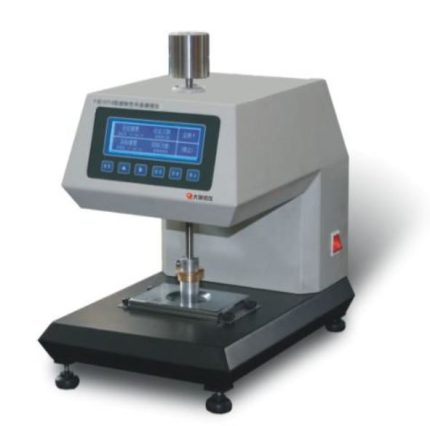
        • Analog Thickness gauge
        • color matching cabinet/Light box
        • VeriVide Colour Assessment Cabinets
        • Digital hotplate magnetic stirrer
        • Digital Temperature Humidity meter
        • Digital Ink Rubbing Tester
        • Digital paper dot meter Densitometer
        • Digital Bench top PH Meter
        • Digital precision balance
        • Digital thickness gauge
      • Products
        • Pantone book
        • Hydraulic GSM Cutter
        • Gray scale
        • GSM Cutter & Balance
        • Hand needle detector
      • Products
        • Perspiration Tester
        • Textile moisture meter tem aqua boy
        • VeriVide D65 Tube Light
        • Yarn Tension Meter
    • Wet & Dry Process Instrument
      • Products
        • Bosch tumble dryer
        • Bosch-Washing-Machine-WAJ2018SGC-4
        • Capillary effect tester
        • Color fastness to wash
        • Color fastness to sublimation & heating
        • Durawash print Durability tester
        • Formaldehyde tester for textiles
        • Ozone Exposure chamber
        • Pilling assessment viewer
        • Whirlpool washer & Dryer
      Textile Machinery Supplier in Bangladesh

      MAAM TEX

      Lab Machine Supplier in Bangladesh, Testing machine supplier in Bangladesh, Dyeing Machine supplier in Bangladesh, Lab Machine Supplier in Dhaka, yarn Dyeing machine supplier in Bangladesh, Lab Dispensing Machine supplier in Bangladesh, soft winding machine supplier in Bangladesh, Hard winding machine supplier in Bangladesh, IR Dyeing machine supplier in Bangladesh, Lab machine Price in Bangladesh, 

    • Yarn Dyeing Machine-Equipment
      • Products
        • Cone yarn Dyeing machine
        • Automatic Bobbin Hydroextractor
        • Card winding machine for yarn
        • Sample Cone Yarn Dyeing machine
        • Digital yarn twist Tester
        • Electronic wrap reel
        • Fully Automatic Radio Frequency Dryer
        • Thread Cone Winding Machine
        • High speed hard winding machine
        • High speed Soft cone winding machine
        • Yarn evenness tester
      • Products
        • Yarn evenness tester
    • Washing-Drying Machine
      • Products
        • Automatic washing project
  • About us
  • Contact us
“fabric moisture permeability tester” has been added to your cart. View cart
Spray Rating Tester
Spray Rating Tester
360 product view
    0%
    Click to enlarge
    Spray Rating Tester
    Spray Rating Tester
    Home Physical Testing & Fabric Testing Spray Rating Tester
    Xenon Arc Light Fastness Tester
    Xenon Arc Light Fastness Tester $0.00
    Back to products
    Martindale abrasion tester updated
    Martindale abrasion tester Updated $0.00
    Spray Rating Tester

    $0.00

    Spray Rating Tester

    Spray Rating Tester

    Spray Rating Tester


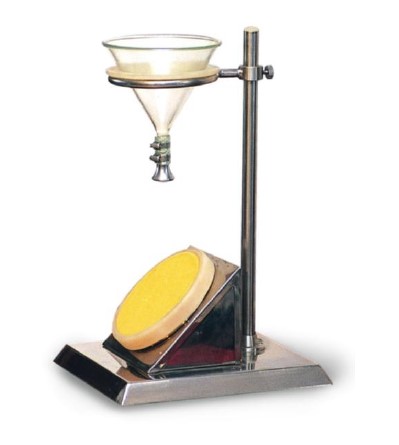
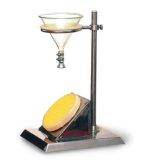
    The Spray Rating Tester is a textile testing instrument used to evaluate the water resistance or water repellency of fabric surfaces. It measures how well a fabric can resist wetting when exposed to a controlled spray of water, helping assess its performance in rain or damp conditions.


    Purpose of Spray Rating Tester

    – To assess surface wetting resistance of textiles.

    – Commonly used for outdoor clothing, rainwear, tents, and performance fabrics.


    Working Principle of Spray Rating Tester

    – A fabric specimen is mounted at a 45° angle.

    – Water is sprayed from a standard nozzle for a specific time.

    – After spraying, the fabric is visually rated based on the appearance of water drops and wetting.


    Key Components of Spray Rating Tester

    – Spray Nozzle: Delivers a consistent, standard water spray.

    – Funnel & Reservoir: Controls the flow and volume of water.

    – Specimen Holder: Positions the fabric at a 45° angle.

    – Spray Stand: Ensures accurate nozzle height and positioning.


    Standards Used of Spray Rating Tester

    – AATCC 22

    – ISO 4920

    – BS EN 24920


    Applications of Spray Rating Tester

    – Rainwear and water-resistant textiles.

    – Quality control in fabric finishing.

    – R&D for performance apparel.


    Benefits of Spray Rating Tester:

    1. Quick and Simple Evaluation – Offers a fast way to assess fabric water repellency without complex setup.
    2. Standardized Testing- Complies with AATCC 22 and ISO 4920, ensuring globally accepted results.
    3. Cost-Effective- Low maintenance and no power requirement make it economical for routine lab use.


    1. Improves Fabric Performance – Helps manufacturers develop or improve water-resistant textiles.
    2. Non-Destructive Test – Does not damage the fabric, allowing for additional tests on the same sample.
    3. Visual Grading- Easy to interpret using a standard spray rating chart (0 to 100 scale).
    4. Supports Quality Control – Detects finish degradation or variation in water-repellent treatments.
    5. Portable and Compact- Lightweight design allows easy use in various lab or field settings.


    Features of Spray Rating Tester:

    1. Standardized Spray Nozzle – Delivers consistent water spray per AATCC and ISO specifications.
    2. 45° Specimen Mounting Angle – Ensures uniform test setup for accurate and repeatable results.
    3. Stainless Steel or Aluminum Frame – Corrosion-resistant and durable for long-term use with water exposure.


    1. Water Reservoir and Funnel System – Provides precise water volume (usually 250 ml) for each test.
    2. Graduated Spray Stand- Fixed height (150 mm above specimen) for controlled spray impact.
    3. Detachable Specimen Holder- Easy loading and removal of fabric samples.
    4. Compact and Lightweight Design – Portable and convenient for both lab and field testing.
    5. No Electricity Required – Fully manual operation increases reliability and reduces operating costs.


    How to Use Spray Rating Tester:

    1. Prepare the Sample – Cut fabric to standard size (usually 180 × 180 mm). – Condition the sample if required (21°C, 65% RH for 24 hours).
    2. Mount the Fabric – Place the fabric on the specimen holder at a 45° angle.
    3. Fill the Reservoir – Pour 250 ml of distilled water into the upper funnel.


    1. Start the Test – Release the water through the nozzle; it sprays over the fabric for about 25–30 seconds.
    2. Inspect the Fabric – After spraying, visually assess the water beading or penetration on the surface.
    3. Rate the Sample – Compare the fabric’s wetting pattern with the standard spray rating chart: – 100 = No sticking/wetting – 90–50 = Partial wetting – 0 = Complete wetting
    4. Record the Rating – Document the spray rating for quality control or reporting.


    Spray Rating Tester,
    Water Repellency Tester
    Spray Reting Tester

    [Scope of application]:
    Used for the determination of moisture resistance (wetting grade) of various fabrics
    which have been or have not been treated with water resistance or water repellency.
    [related standards]:
    GB/T4745 ISO4920 AATCC22 JISL1092 etc.
    [technical parameters]:
    1. Glass funnel:150 x 150 (capacity 500ml)
    2. Specimen placement angle:The level is 45 degrees.
    3. Distance from nozzle to sample center:150mm
    4. Specimen diameter:Ф150mm
    5. Size of water receiving pan:500×400×30mm
    6. Matching measuring cups:500ml
    7, size 500 x 400 x 500mm
    8. Instrument weight:5Kg

    Category: Physical Testing & Fabric Testing Tags: Spray rating tester price in Bangladesh, Spray rating tester Supplier in Bangladesh, Textile lab Machine supplier, textile lab machine supplier in Bangladesh, Textile testing equipment in Bangladesh Brand: DUNLIN, DARONG
    Share:
    • Description
    • Shipping & Delivery
    Description

    Spray Rating Tester

    Spray Rating Tester

    Spray Rating Tester


    The Spray Rating Tester is a textile testing instrument used to evaluate the water resistance or water repellency of fabric surfaces. It measures how well a fabric can resist wetting when exposed to a controlled spray of water, helping assess its performance in rain or damp conditions.


    Purpose of Spray Rating Tester

    – To assess surface wetting resistance of textiles.

    – Commonly used for outdoor clothing, rainwear, tents, and performance fabrics.


    Working Principle of Spray Rating Tester

    – A fabric specimen is mounted at a 45° angle.

    – Water is sprayed from a standard nozzle for a specific time.

    – After spraying, the fabric is visually rated based on the appearance of water drops and wetting.


    Key Components of Spray Rating Tester

    – Spray Nozzle: Delivers a consistent, standard water spray.

    – Funnel & Reservoir: Controls the flow and volume of water.

    – Specimen Holder: Positions the fabric at a 45° angle.

    – Spray Stand: Ensures accurate nozzle height and positioning.


    Standards Used of Spray Rating Tester

    – AATCC 22

    – ISO 4920

    – BS EN 24920


    Applications of Spray Rating Tester

    – Rainwear and water-resistant textiles.

    – Quality control in fabric finishing.

    – R&D for performance apparel.


    Benefits of Spray Rating Tester:

    1. Quick and Simple Evaluation – Offers a fast way to assess fabric water repellency without complex setup.
    2. Standardized Testing- Complies with AATCC 22 and ISO 4920, ensuring globally accepted results.
    3. Cost-Effective- Low maintenance and no power requirement make it economical for routine lab use.


    1. Improves Fabric Performance – Helps manufacturers develop or improve water-resistant textiles.
    2. Non-Destructive Test – Does not damage the fabric, allowing for additional tests on the same sample.
    3. Visual Grading- Easy to interpret using a standard spray rating chart (0 to 100 scale).
    4. Supports Quality Control – Detects finish degradation or variation in water-repellent treatments.
    5. Portable and Compact- Lightweight design allows easy use in various lab or field settings.


    Features of Spray Rating Tester:

    1. Standardized Spray Nozzle – Delivers consistent water spray per AATCC and ISO specifications.
    2. 45° Specimen Mounting Angle – Ensures uniform test setup for accurate and repeatable results.
    3. Stainless Steel or Aluminum Frame – Corrosion-resistant and durable for long-term use with water exposure.


    1. Water Reservoir and Funnel System – Provides precise water volume (usually 250 ml) for each test.
    2. Graduated Spray Stand- Fixed height (150 mm above specimen) for controlled spray impact.
    3. Detachable Specimen Holder- Easy loading and removal of fabric samples.
    4. Compact and Lightweight Design – Portable and convenient for both lab and field testing.
    5. No Electricity Required – Fully manual operation increases reliability and reduces operating costs.


    How to Use Spray Rating Tester:

    1. Prepare the Sample – Cut fabric to standard size (usually 180 × 180 mm). – Condition the sample if required (21°C, 65% RH for 24 hours).
    2. Mount the Fabric – Place the fabric on the specimen holder at a 45° angle.
    3. Fill the Reservoir – Pour 250 ml of distilled water into the upper funnel.


    1. Start the Test – Release the water through the nozzle; it sprays over the fabric for about 25–30 seconds.
    2. Inspect the Fabric – After spraying, visually assess the water beading or penetration on the surface.
    3. Rate the Sample – Compare the fabric’s wetting pattern with the standard spray rating chart: – 100 = No sticking/wetting – 90–50 = Partial wetting – 0 = Complete wetting
    4. Record the Rating – Document the spray rating for quality control or reporting.


    Spray Rating Tester,
    Water Repellency Tester
    Spray Reting Tester

    [Scope of application]:
    Used for the determination of moisture resistance (wetting grade) of various fabrics
    which have been or have not been treated with water resistance or water repellency.
    [related standards]:
    GB/T4745 ISO4920 AATCC22 JISL1092 etc.
    [technical parameters]:
    1. Glass funnel:150 x 150 (capacity 500ml)
    2. Specimen placement angle:The level is 45 degrees.
    3. Distance from nozzle to sample center:150mm
    4. Specimen diameter:Ф150mm
    5. Size of water receiving pan:500×400×30mm
    6. Matching measuring cups:500ml
    7, size 500 x 400 x 500mm
    8. Instrument weight:5Kg
      Shipping & Delivery

      Related products

      Steam Soaping Machine
      Steam Soaping Machine

      Steam Soaping machine

      Dyeing Lab Machine
      $0.00
      Steam Soaping Machine

      Steam Soaping Machine

      Steam Soaping Machine

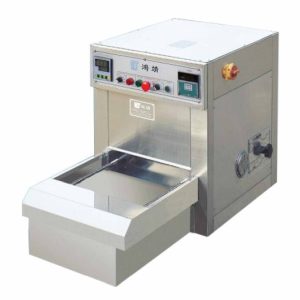
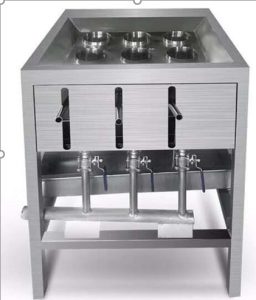
      A Steam Soaping Machine is a specialized laboratory apparatus used in textile dyeing processes, particularly for post-dyeing treatments like soaping, which enhances color fastness and removes unfixed dyes from fabric samples. This machine is designed to perform soaping treatments on dyed textile samples using steam. Soaping is a critical step in dyeing, especially for reactive dyes, as it removes unfixed dye particles, ensuring better color fastness and preventing dye bleeding. The steam soaping process involves treating the dyed fabric with a soaping solution at elevated temperatures, facilitated by steam, to achieve optimal results. ⚙️ Key Features of Steam Soaping Machine - Beaker Material: Constructed with high-grade 316L stainless steel for excellent corrosion resistance and durability.- Operation Modes: Offers both automatic control and manual water filling options, providing flexibility in operation. - Drainage System: Equipped with an automatic drainage device for efficient removal of used solutions.- Temperature Control: Precise temperature regulation to maintain optimal soaping conditions.- Compact Design: Suitable for laboratory settings, occupying minimal space while delivering effective performance. ✅ Benefits of  Steam Soaping Machine - Enhanced Color Fastness: Effectively removes unfixed dyes, resulting in improved wash and rub fastness of the fabric.- Efficient Processing: Reduces the time required for post-dyeing treatments compared to conventional methods.- Consistent Results: Provides uniform treatment across samples, ensuring reproducibility in testing and quality control.- Resource Optimization: Minimizes water and chemical usage through controlled processing parameters.- Versatility: Applicable to various fabric types and dye classes, making it a valuable tool in research and development. Typical Applications - Laboratory Testing: Used in dyeing laboratories for evaluating the fastness properties of dyed samples. - Research and Development: Assists in developing and optimizing dyeing processes and formulations. - Quality Control: Ensures that dyed fabrics meet specified fastness standards before bulk production. In summary, a Steam Soaping Machine is an essential laboratory instrument in the textile industry, facilitating efficient and effective post-dyeing treatments to enhance the quality and durability of dyed fabrics. Features of Steam Soaping Machine:
      1. High-Grade Stainless Steel Beakers - Made from 316L stainless steel for excellent chemical and heat resistance.
      2. Steam-Based Heating - Uses direct or indirect steam to maintain consistent high temperatures ideal for soaping.
      1. Precise Temperature Control - Maintains stable temperatures (typically up to 98–100°C) for effective removal of unfixed dyes.
      2. Automatic and Manual Modes - Offers both programmable automatic cycles and manual operation for flexibility.
       
      1. Beaker Agitation or Rotation - Ensures uniform soaping action across fabric surfaces.
      2. Automatic Drainage System - Efficiently removes used soaping solution to speed up cycle changeovers.
      1. Compact Design - Fits well in lab settings while allowing multiple samples to be processed simultaneously.
      2. Safety Features - Includes pressure and temperature protection systems to ensure safe operation.
       
      1. Low Water and Chemical Use - Designed for minimal liquor ratios, enhancing sustainability.
      2. User-Friendly Interface - Simple digital controls or touch panel for easy operation and cycle programming.
      How to Use a Steam Soaping Machine:
      1. Prepare the Dyed Sample - After dyeing, rinse the fabric to remove surface dye and prepare it for soaping.
      2. Load the Fabric - Place the dyed fabric or sample into the beakers or holders inside the machine.
      1. Add Soaping Solution - Pour the prepared soaping agent (usually a detergent solution) into the beakers or tank as per recipe.
      2. Set Parameters
      - Use the control panel to set: - Temperature (usually 95–98°C) - Soaping time (typically 10–20 minutes) - Steam mode (direct or indirect, if applicable)  
      1. Start the Cycle - Begin the soaping process. The machine will heat the solution using steam and agitate/rotate the beakers for even treatment.
      1. Drain and Rinse - After the cycle ends, the machine may auto-drain. Rinse the fabric with warm water to remove residual chemicals.
      1. Unload the Samples - Carefully remove the fabric. Inspect for evenness and color fastness improvement.
      2. Clean the Machine - Rinse and dry the beakers or tank to maintain hygiene for the next use.
        Safety Tips: - Wear gloves and goggles. - Do not open the lid during operation. - Ensure steam connections are secure.       Steam Soaping machine used for sample soaping after dyeing in laboratory Beaker material: 316L S/S automatic control / manual filling water device, with automatic drainage device. Steam Soaping machine Dunlin price in Bangladesh Steam Soaping machine Dunlin in textile testing equipment Textile testing equipment in Bangladesh Textile testing equipment in Dhaka Textile testing equipment in Uttara MAAM tex Steam Soaping machine Dunlin price in Bangladesh
      Add to cart
      Quick view
      Fastness Rotary Friction Tester

      Fastness Rotary Friction Tester

      Physical Testing & Fabric Testing
      $0.00

      Fastness Rotary Friction Tester

      Fastness Rotary Friction Tester

      Fastness Rotary Friction Tester

        A Fastness Rotary Friction Tester, also known as a Rotary Crock meter, is a specialized instrument used to evaluate the color fastness of textiles and materials when subjected to rotational rubbing. This test simulates the wear and friction that fabrics experience during use, helping manufacturers assess the durability of dyes and finishes. Purpose of Fastness Rotary Friction Tester The primary function of the Fastness Rotary Friction Tester is to determine how well a fabric's color withstands rubbing, both in dry and wet conditions. This is crucial for ensuring the longevity and appearance of textiles in real-world applications, such as clothing, upholstery, and footwear.   Working Principle of Fastness Rotary Friction Tester The tester operates by applying a specified pressure to a fabric sample using a standardized rubbing finger covered with a test cloth. The rubbing finger performs a set number of rotational movements (typically 1.125 turns clockwise followed by 1.125 turns counterclockwise) over the fabric surface. After the test, the degree of color transfer to the test cloth and any changes in the fabric's appearance are evaluated against standardized gray scales.   Common Testing Standards - AATCC 116: Colorfastness to Crocking: Rotary Vertical Crock meter Method. ISO 105 X16: Textiles—Tests for color fastness—Part X16: Color fastness to rubbing—small areas. - SATRA TM8: Color fastness to rubbing.   Key Specifications of Fastness Rotary Friction Tester - Rubbing Head Diameter: Typically 16 mm. - Applied Pressure: Approximately 1134 grams (11.1 N). - Rotation: 1.125 turns clockwise followed by 1.125 turns counterclockwise. - Sample Size: Commonly 60 mm × 60 mm. - Test Cloth: Standardized white cotton cloth, either dry or wetted depending on the test condition.   Benefits of Fastness Rotary Friction Tester - Realistic Simulation: Mimics the actual wear and friction fabrics undergo during use. - Versatility: Applicable to a wide range of materials, including textiles, leather, and printed fabrics. - Quality Assurance: Ensures products meet industry standards for color durability. - Standard Compliance: Aligns with international testing standards, facilitating global trade and quality benchmarks.   Applications Fastness Rotary Friction Tester - Textile Industry: Assessing the color durability of garments, upholstery, and other fabric products. - Footwear Manufacturing: Testing the colorfastness of shoe uppers and linings. - Automotive Interiors: Evaluating the wear resistance of seat covers and other interior fabrics. Quality Control Laboratories: Routine testing to ensure product consistency and compliance with standards.   Benefits of Fastness Rotary Friction Tester:
      1. Accurate Colorfastness Evaluation- Provides precise assessment of how well fabric resists color loss and staining from rubbing.
      2. Simulates Real-World Wear - Recreates rotational friction found in actual use (e.g., seat covers, apparel wear points).
      3. Supports Wet & Dry Testing - Can test under both dry and wet conditions for comprehensive results.
       
      1. Standardized Testing - Complies with global standards (AATCC 116, ISO 105 X16), ensuring reliable and comparable results.
      2. Time-Saving & Efficient - Quick to set up and run, allowing for high-throughput testing in labs.
      3. Versatile Use- Suitable for textiles, leather, coated fabrics, and printed surfaces.
       
      1. Improves Quality Control - Identifies potential durability issues early in the production process.
      2. Enhances Product Performance - Helps in developing fabrics with better resistance to rubbing and abrasion.
        Features of Fastness Rotary Friction Tester:
      1. Rotary Rubbing Mechanism - Simulates 1.125 clockwise and 1.125 counterclockwise turns for realistic friction.
      2. Standardized Rubbing Head - Fixed diameter (typically 16 mm) with specified pressure (≈1134 g) for consistent results.
      3. Dry and Wet Testing Capability - Can perform tests using dry or wet rubbing cloths.
       
      1. Sample Holder- Secure and easy-to-use fixture for holding fabric samples in place.
      2. Test Cloth Mounting Arm- Quick attachment for standardized white rubbing cloths.
      3. Simple Operation - Manual or motorized operation depending on model; easy to handle for lab technicians.
      4. Compliance with Standards - Follows AATCC 116, ISO 105 X16, and SATRA TM8 protocols.
        How to Use Fastness Rotary Friction Tester:
      1. Prepare the Sample - Cut a fabric piece (typically 60 × 60 mm) and condition it per standard requirements.
      2. Mount the Fabric - Secure the fabric sample on the sample holder or base plate of the tester.
      3. Attach Rubbing Cloth - Place a standard white test cloth (dry or wetted as required) over the rubbing head.
       
      1. Apply Pressure - Lower the rubbing head onto the fabric. Standard weight is about 1134 g.
      2. Start the Test - Operate the tester: the head performs 1.125 turns clockwise, then 1.125 turns counterclockwise.- Number of cycles (typically 10 or 20) is set based on the test standard.
       
      1. Remove and Inspect - After testing, remove the rubbing cloth and assess any color transfer using a gray scale.
      2. Evaluate Fabric Surface - Check the fabric for visible changes, fading, or wear.
       
      1. Record Results - Grade both staining and fabric change per standard gray scale ratings.
          Fastness rotary friction tester [Scope of application] It is used to change the color fastness of the textile, printing and dyeing, printing and other products after a specific track friction. [Related standards] GB / T29865 AATCC116 ISO105-X16, etc. [Instrument characteristics]: 1.Single-chip control, speed can be set freely 2.Imported motor, linear guide, low noise, suitable for long time work 3. Liquid crystal display, film panel 4. Freely set the number of friction, can count up and down, and automatically stop the alarm when the set value is reached [Technical Parameters]: 1. Friction head diameter: 16mm 25mm 2. Vertical pressure: 11.1N 3. Working mode: 405 ° clockwise and 405 ° counterclockwise 4. Speed range: constant 60 rpm, LCD display, thin mold panel 5. Counting range: 0-99999 times 6. Power supply: AC 220V 50Hz 80W 7. Weight: 20KG 8. Volume: L420mm × W260mm × H430mm
      Add to cart
      Quick view
      Fabric Stiffness Tester
      Fabric Stiffness Tester

      Fabric Stiffness Tester

      Physical Testing & Fabric Testing
      $0.00

      Fabric Stiffness Tester

      Fabric Stiffness Tester

      Fabric Stiffness Tester

        Fabric Stiffness Tester is a lab instrument used to measure the stiffness or flexural rigidity of fabric materials. It evaluates how resistant a fabric is to bending, which influences its drape, comfort, and handling characteristics. Purpose of Fabric Stiffness Tester: To determine the stiffness of textiles by measuring the bending length and calculating flexural rigidity, often using methods like the Cantilever Test (as per ASTM D1388 or ISO 9073-7).   Working Principle of Fabric Stiffness Tester: A fabric strip is slid over a horizontal platform until its free end bends under its own weight to a specific angle (usually 41.5°). The length at which this occurs is used to calculate bending length and stiffness.   Main Components of Fabric Stiffness Tester: - Test Platform: Flat surface for sample movement. - Graduated Scale: Measures the overhanging length of fabric. - Angle Indicator: Guides the measurement based on standard deflection angle. - Fabric Clamp or Guide: Helps place and move the sample smoothly.   Applications of Fabric Stiffness Tester: - Apparel fabrics (e.g., for comfort and drape analysis) - Technical textiles (e.g., automotive, medical fabrics) - Paper, nonwovens, and films Benefits of Fabric Stiffness Tester:
      1. Accurate Measurement of Flexibility - Provides reliable data on fabric stiffness, essential for quality control and product development.
      2. Improves Product Comfort - Helps assess how soft or rigid a fabric will feel in clothing or furnishings.
      3. Supports Material Selection - Aids designers and engineers in choosing the right fabric for specific applications based on stiffness.
       
      1. Quality Assurance - Detects fabric inconsistencies or defects that affect handling or drape.
      2. Standards Compliance - Enables testing as per international standards like ASTM D1388 and ISO 9073-7 for global product approval.
      3. Quick and Simple Operation - Delivers fast results with minimal operator training or preparation.
       
      1. Applicable to Multiple Materials - Suitable for woven, nonwoven, knitted fabrics, paper, and films.
      2. Enhances R&D Accuracy - Supports consistent material testing during product innovation and textile finishing.
        Features of Fabric Stiffness Tester:
      1. Graduated Measurement Scale - Precise scale to measure overhang length for accurate stiffness calculation.
      2. Flat Test Platform - Smooth, level surface ensures consistent and reliable fabric movement.
      3. Standard Deflection Angle Guide - Built-in 41.5° angle reference for consistent stiffness testing (per ASTM/ISO).
      4. Manual or Motorized Models - Available in both types for simple or automated operation depending on lab needs.
      5. Compact Design - Space-saving unit ideal for textile labs and quality control rooms.
       
      1. Sample Holder or Clamp - Ensures correct alignment and smooth feeding of fabric strips during testing.
      2. Durable Construction - Made of corrosion-resistant materials like stainless steel or aluminum for long-term use.
      3. Compliance with Standards - Supports methods like ASTM D1388, ISO 9073-7 for stiffness testing of fabrics.
       
      1. Lightweight and Portable - Easy to move and use in various lab settings.
      2. Low Maintenance - Simple mechanical parts require minimal servicing.
        How to Use Fabric Stiffness Tester (Cantilever Method):
      1. Prepare the Sample - Cut the fabric into a rectangular strip (e.g., 25 mm × 200 mm), as per standard.
      2. Place the Sample - Lay the fabric strip flat on the test platform with one end aligned at the zero mark.
      3. Slide the Fabric - Gently push the fabric forward so it slowly overhangs the platform.
       
      1. Watch for Deflection - Stop sliding when the free end of the fabric bends down to the reference angle (typically 41.5°).
      2. Read the Bending Length - Measure the overhang distance from the scale. This is the bending length (C).
      3. Calculate Flexural Rigidity
      - Use the formula: G = W × C³ Where: - G = Flexural rigidity (mg·cm) - W = Fabric weight per unit area (mg/cm²) - C = Bending length (cm)  
      1. Repeat for Accuracy - Test both warp and weft directions and average the results for better accuracy.
      Tip: Always perform the test in a controlled environment (standard temperature and humidity) for reliable results.         Fabric Stiffness Tester Scope of application It is used to measure the stiffness of cotton, wool, silk, linen, chemical fibers and other woven fabrics, knitted fabrics, general nonwovens, coated fabrics, etc. It is also suitable for measuring the stiffness of paper, leather, film and other flexible materials. Relevant Standards GB/T 18318, ASTM D 1388, IS09073-7, BS EN22313 etc. [Instrument Characteristics] 1. Infrared photoelectric invisible inclined plane detection system replaces the traditional tangible inclined plane, realizes non-contact detection, and overcomes the problem that the measurement accuracy is affected by the sample torsion lifted by the inclined plane. 2. The inclination adjustable mechanism of instrument measurement to meet different test requirements. 3. Stepping motor drive, accurate measurement, smooth operation; 4. The color touch screen display can show the extended length, bending length, bending stiffness of the sample, the warp average, the weft average and the total average of the above values respectively. 5. Printing of Chinese report forms for thermal printers. Technical parameters 1. Test methods: The two method (A method: Weft test, B method: Forward and backward test) 2. Measurement angle:41.5 degree, 43 degree and 45 degree adjustable 3. Extend the length range:5-220 mm (special requirements can be made at the time of ordering) 4. Length resolution:0.01mm 5. Measurement accuracy:±0.1mm 6. Specimen specifications:250×25mm 7. Work platform specifications:250×50mm 8. Specification of sample pressing plate:250×25mm 9. Pushing speed of press plate:3 mm/s; 4 mm/s; 5 mm/s 10. Display output: Touch screen display 11. Print Output: Chinese Report 12. Data Processing Volume: A total of 15 groups, each group less than 20 trials 13. Printer: Thermal printer 14, power supply:AC220V 50Hz 15. Host volume:570mm×360mm×490mm 16. Host weight:20kg
      Add to cart
      Quick view

      ICI Pilling & Snagging Test Machine

      Physical Testing & Fabric Testing
      $0.00
      ICI Pilling & Snagging Test Machine An ICI Pilling & Snagging Test Machine is a specialized laboratory instrument designed to
      Add to cart
      Quick view
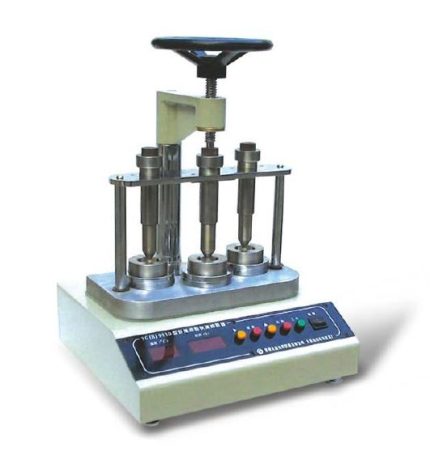
      Fiber Oil Fast Extractor
      Fiber Oil Fast Extractor

      Fiber Oil Fast Extractor

      Physical Testing & Fabric Testing
      $0.00

      Fiber Oil Fast Extractor

      Fiber Oil Fast Extractor

      Fiber Oil Fast Extractor

        A Fiber Oil Fast Extractor is a laboratory instrument designed to determine the oil or finish content in fibers, yarns, or fabrics, particularly wool and synthetic materials. It operates on the principle of solvent extraction followed by evaporation.   Working Principle of Fiber Oil Fast Extractor:
      1. Sample Preparation: Cut the fabric or fiber into small pieces.
      2. Solvent Addition: Place the sample into a metal tube and add an appropriate solvent (e.g., petroleum ether, ethyl ether).
       
      1. Extraction: Apply weight to the sample to facilitate the dissolution of oils into the solvent.
      2. Evaporation: The solvent-oil mixture drips onto a heated plate where the solvent evaporates, leaving behind the oil.
      3. Measurement: Weigh the remaining oil and calculate its percentage relative to the initial sample mass.
        Key Features of Fiber Oil Fast Extractor: - Multiple Workstations: Models like the Quick Extra offer four independent stations for simultaneous testing.- Automatic Weight Pressurization: Eliminates manual pressure application, ensuring consistent results.- Microcomputer Temperature Control: Maintains uniform heating (typically 90°C–120°C) with ±1°C precision.   - Digital Interface: Features timers and oil calculators for efficient operation. - Data Connectivity: Some models can connect to systems like Smart Tex Lab for real-time monitoring and data management.   Applications of Fiber Oil Fast Extractor: - Textile Industry: Assessing oil content in fibers to ensure quality and compliance with standards like GB/T 6504-2017. - Research and Development: Studying the effects of oils and finishes on fiber properties. - Quality Control: Ensuring consistency in fiber treatment processes.   Benefits of Fiber Oil Fast Extractor:
      1. Accurate Oil Content Measurement- Precisely determines oil or finish content in fibers, crucial for quality control.
      2. Rapid Extraction Process - Delivers fast results, improving lab efficiency and productivity.
      3. Simultaneous Multi-Sample Testing - Multiple workstations (e.g., 4 at once) reduce testing time for bulk samples.
       
      1. Improved Product Quality - Helps maintain consistent oil levels, which affect dyeing, processing, and fabric performance.
      2. Automatic Operation - Automated pressing and heating reduce manual effort and operator error.
      3. Digital Monitoring - Built-in timer, temperature control, and oil calculator enhance accuracy and usability.
       
      1. Compliance with Standards - Supports industry methods like GB/T 6504-2017, ensuring reliable and standard-compliant results.
      2. Safe Solvent Handling - Enclosed design minimizes solvent exposure and evaporation loss.
        Features of Fiber Oil Fast Extractor:
      1. Multiple Test Stations - Usually equipped with 2 to 4 independent work units for parallel testing.
      2. Automatic Weight Pressing System - Applies consistent pressure on samples for uniform solvent extraction.
      3. Microcomputer Temperature Control - Maintains precise heating (typically 90–120°C) with ±1°C accuracy.
       
      1. Built-in Timer and Calculator - Allows setting extraction time and calculates oil content directly.
      2. Solvent Evaporation Plate- Heats and evaporates solvent quickly, leaving only the oil residue.
      3. Digital Display - Shows time, temperature, and process status for user-friendly operation.
      4. Compact and Durable Design - Made with corrosion-resistant materials suited for chemical handling.
       
      1. Safety Features - Includes overheat protection and enclosed solvent chamber to reduce exposure risk.
      2. Standard Compliant - Designed to meet GB/T 6504-2017 and similar industry testing standards.
        How to Use Fiber Oil Fast Extractor:
      1. Prepare the Sample - Cut 5–10 g of fiber or yarn into small pieces and place in the sample tube.
      2. Add Solvent - Pour a suitable solvent (e.g., petroleum ether) into the tube to cover the sample.
      3. Apply Weight - Place the extractor's weight or press system onto the sample to aid extraction.
       
      1. Start Extraction - Activate the machine. The solvent dissolves the oils and flows to the heating plate.
      2. Heat for Evaporation - Set the temperature (typically 90–120°C). The solvent evaporates, leaving oil on the plate.
      3. Measure Oil Content- After drying, weigh the remaining oil. Use the built-in calculator or formula:
      Oil % = (Oil weight / Original sample weight) × 100
      1. Clean the Unit - After cooling, clean all parts to prepare for the next test.
        Fiber Oil Fast Extractor

        Fiber Oil Fast Extractor

       
      Add to cart
      Quick view
      Laboratory Mini Stenter Dryer

      Laboratory mini stenter Dryer

      Dyeing Lab Machine, Physical Testing & Fabric Testing
      $0.00
      Laboratory mini stenter Dryer
      Laboratory Mini Stenter Dryer

      Automatic fixing Dryer

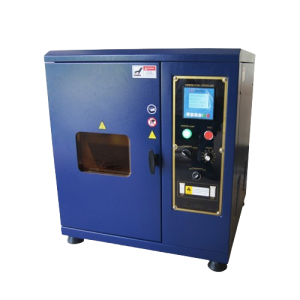
        A Laboratory Mini Stenter Dryer is a compact, lab-scale machine designed to simulate the drying and heat-setting processes used in textile finishing. It mimics the function of industrial stenter machines but on a much smaller scale, making it ideal for testing fabric behavior, shrinkage, and finish quality under controlled conditions. Key Features:
      1. Controlled Heating System
      - Typically uses electric heating with adjustable temperature (up to 220–250°C). - Ensures uniform and precise temperature control.
      1. Adjustable Fabric Width
      - Equipped with clips or pins to hold and stretch fabric width-wise, simulating stenter frame action.  
      1. Variable Speed Conveyor - Allows control over fabric dwell time for drying or heat-setting.
      2. Compact and Bench-Top Design - Space-saving design ideal for textile labs and R&D units.
      3. Digital Controls - Easy-to-use digital interface for setting temperature, conveyor speed, and process time.
      1. Transparent Viewing Window - Allows operators to monitor fabric movement and drying visually.
      2. Low Energy Consumption - Designed for lab use, consuming less power than industrial models.
      Applications: - Heat-setting of synthetic fabrics.   Drying and curing of samples post-dyeing or printing. - Evaluating fabric shrinkage, dimensional stability, and finish behavior. - Testing chemicals and auxiliaries used in textile finishing.   Benefits of Laboratory Mini Stenter Dryer:
      1. Accurate Simulation of Production - Mimics industrial stenter conditions on a lab scale, ideal for pre-production testing and R&D.
      2. Cost-Effective Testing - Enables testing and fabric finishing without the high cost or space requirements of full-scale machines.
       
      1. Energy Efficient - Consumes less power compared to large stenters, making it economical for small-scale or frequent use.
      2. Precise Control - Offers accurate control of temperature, speed, and fabric tension, ensuring consistent results.
       
      1. Space-Saving Design - Compact and bench-top friendly, perfect for laboratories with limited space.
      2. Multiple Applications - Useful for drying, heat-setting, shrinkage testing, and evaluating chemical finishes.
       
      1. Faster Development Cycles - Speeds up new product development by allowing rapid sample testing and adjustments.
      2. Improved Fabric Quality - Helps optimize finishing parameters for better dimensional stability, hand feel, and appearance.
      3. Safe and User-Friendly- Designed with lab safety in mind, including temperature safety controls and easy operation.
        Features of Laboratory Mini Stenter Dryer:
      1. Compact Bench-Top Design - Ideal for laboratory use with limited space requirements.
      2. Adjustable Temperature Control - Precise heating (usually up to 220–250°C) with digital controllers for accurate processing.
       
      1. Variable Conveyor Speed- Allows adjustment of fabric dwell time for different drying or heat-setting needs.
      2. Width Adjustment Mechanism - Equipped with clips or pins to stretch and fix fabric width-wise, simulating industrial stenter conditions.
       
      1. Transparent Viewing Window - Enables visual monitoring of fabric movement and drying inside the chamber.
      2. Digital Display Panel- Easy-to-use interface for setting and monitoring temperature, speed, and time.
      3. Stainless Steel Construction- Durable and corrosion-resistant for long-term use at high temperatures.
       
      1. Uniform Heat Distribution- Ensures consistent fabric treatment across the width.
      2. Safety Features- Over-temperature protection and insulated body for operator safety.
      3. Versatile Applications - Suitable for drying, heat-setting, shrinkage testing, and chemical finish evaluations.
        Laboratory Mini Stenter Dryer dealer In Bangladesh, Lab Mini Stenter Dryer Importer in Bangladesh, Mini Stenter Dryer in Bangladesh, Laboratory Stenter Dryer in Bd, Lab Stenter Dryer In Uttara, Lab Stenter Price in Bangladesh, Laboratory Stenter Dryer in Bangladesh, Laboratory Mini Dryer in Bangladesh,   Automatic fixing dryer Application: used for simulating the production onsite to produce the textile that meets customer requirement, including the time、temperature、resin auxiliary agent formula, elongation of the same textile, and it is also can provide basis manufacture and to ensure the correctness of mass production. Basic design as Automatic Fixing Dryer,also connect external steam for printing sample steaming. Owing the wide adjusting ranges regarding temperature, humidity, dwelling time, this apparatus can be used for : a) Electric heating for drying, curing and thermofixation, room temp.~230℃. b) Steaming with saturated steam 102±2℃ c) Electric heating and steam together for HT steaming between 102±230℃ Textile Testing Instruments Automatic Fixing Dryer  dealer In Bangladesh, Automatic Fixing Dryer Importer in Bangladesh, Automatic Fixing Dryer in Bangladesh, Automatic Fixing Dryer  in Bd, Automatic Fixing Dryer  In Uttara, Automatic Fixing Dryer  Price in Bangladesh, Automatic Fixing Dryer  Supplier in Bangladesh, Lab Dryer Machine in Bangladesh, Rapid Dryer Mini Stanter in Bangladesh
      Add to cart
      Quick view
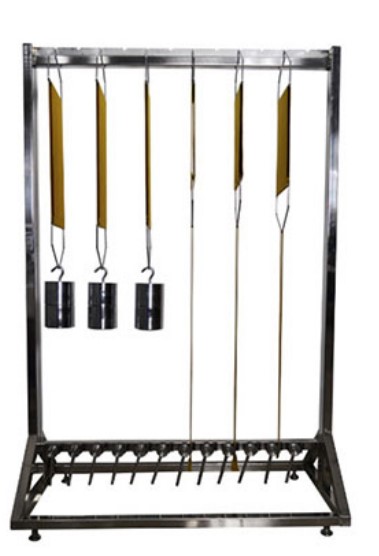
      Stretch Recovery Tester (Static Method)

      Stretch Recovery Tester Static Method

      Physical Testing & Fabric Testing, Dyeing Lab Machine
      $0.00

      Stretch Recovery Tester – Static Method | ASTM D3107 / D2594 | Ready Stock Bangladesh

      Product Introduction

      The Stretch Recovery Tester – Static Method is a professional textile laboratory testing instrument designed to evaluate the stretch and recovery properties of elastic fabrics, knitted fabrics, stretch garments, ribbons and other extensible textile materials. The tester is suitable for Textile Testing Laboratories, Garment Factories, Fabric Manufacturers, QA/QC Departments, R&D Laboratories and Academic Textile Laboratories. ASTM D3107 / ASTM D2594 | Ready Stock in Bangladesh | Quick Delivery | Local Support

      Why Choose This Stretch Recovery Tester?

      • Ready Stock in Bangladesh
      • Suitable for textile and garment testing laboratories
      • Designed for stretch and recovery evaluation
      • Suitable for elastic and stretchable textile materials
      • Applicable to relevant ASTM testing methods
      • Easy laboratory operation
      • Compact and practical testing equipment
      • Competitive price in Bangladesh
      • Quick local delivery
      • Local sales and technical support from MAAM TEX

      Testing Standards

      The Stretch Recovery Tester is suitable for testing requirements related to:
      • ASTM D3107 – Stretch Properties of Fabrics
      • ASTM D2594 – Stretch Properties of Knitted Fabrics
      Testing procedure and applicable standard should be selected according to the material and customer's laboratory requirement.

      Scope of Application

      This equipment can be used for testing:
      • Stretch Fabrics
      • Knitted Fabrics
      • Elastic Fabrics
      • Stretch Garments
      • Sportswear Fabrics
      • Elastic Ribbons
      • Hosiery Materials
      • Textile Materials with Stretch Properties

      Suitable For

      • Textile Testing Laboratories
      • Garment Manufacturing Industries
      • Knitwear Factories
      • Fabric Mills
      • Sportswear Manufacturers
      • Elastic Fabric Manufacturers
      • Quality Control Laboratories
      • R&D Laboratories
      • Third-Party Testing Laboratories
      • Textile Universities & Institutes

      Key Advantages

      Ready Stock in Bangladesh

      No need to wait for overseas import. This product is available from MAAM TEX stock in Bangladesh, subject to current stock availability.

      Quick Delivery

      Local stock enables faster delivery compared with normal import-based supply.

      Competitive Price

      MAAM TEX provides competitive quotations for textile laboratory testing equipment.

      Local Support

      Professional sales and after-sales support are available for customers in Bangladesh.

      Laboratory Suitable

      A practical solution for routine quality control, product development and textile testing applications.

      Frequently Asked Questions

      What is a Stretch Recovery Tester?

      A Stretch Recovery Tester is a textile laboratory instrument used to evaluate the ability of a fabric or elastic textile material to stretch and recover after the application and removal of a specified load or extension.

      What standards are applicable?

      The equipment is intended for testing requirements associated with ASTM D3107 and ASTM D2594, depending on the material and test method.

      Who needs a Stretch Recovery Tester?

      Textile mills, garment factories, knitwear manufacturers, fabric manufacturers, QA/QC laboratories, R&D departments and textile testing laboratories can use this equipment.

      Is this machine available in Bangladesh?

      Yes. MAAM TEX offers this Stretch Recovery Tester from stock in Bangladesh, subject to current availability.

      Can I get a quotation?

      Yes. Contact MAAM TEX for the latest price, stock confirmation, delivery information and quotation.

      Ready Stock – Bangladesh

      No Need to Wait for Import

      Stretch Recovery Tester – Static Method Ready Stock | Competitive Price | Quick Delivery | Local Support For current stock status and quotation, please contact MAAM TEX.

      Call to Action

      Looking for a Stretch Recovery Tester in Bangladesh? Get the Stretch Recovery Tester – Static Method from MAAM TEX with ready-stock availability, competitive pricing and local support. Contact MAAM TEX today for Price & Stock Confirmation.

      Stretch Recovery Tester Static Method 

      Stretch Recovery Tester (Static Method)

      Stretch Recovery Tester

        A Stretch Recovery Tester Static Method is a lab instrument used to evaluate the stretch ability and recovery properties of fabrics, elastomers, or other stretchable materials. This method is crucial in textiles and material science to assess how well a material returns to its original shape after being stretched. Key Functions of Stretch Recovery Tester Static Method : - Measures elongation under a fixed force or length. - Assesses the recovery percentage after a specified recovery time once the force is removed. - Evaluates fabric's resilience, durability, and comfort properties. How It Works Stretch Recovery Tester  Static Method:
      1. A sample is stretched to a predetermined extension or force.
      2. The stretch is maintained for a set period.
      3. After removing the load, the recovery (return to original length) is measured after a fixed time.
      4. The fabric sample is clamped and stretched to a specific length or force.
      5. It’s held for a fixed duration (e.g., 1–5 minutes).
      6. The tension is released, and the sample is allowed to recover.
      7. The recovered length is measured after a set time.
      Main Components: - Fixed clamps to hold the sample. - Movable clamps for stretching. - Precision scale or ruler for measuring elongation and recovery. - Timing device (manual or digital) to control stretching and recovery periods. - To assess elastic recovery and dimensional stability after stretching. Applications: - Used in testing knitwear, sportswear, elastic fabrics, and compression garments. - Helps in product development and quality assurance. Stretch Recovery Tester Static Method is designed to determine the stretch recovery property of elastic material by static method. 2.0mm thickness stainless steel frame and base board, makes the tester firm and stable. Sample holder can be slid along the guide rail smoothly and can be fixed at any position of the rail. Test Scope:elastomeric material Testing Standards:ASTM D2594、ASTM D3107, etc. key features of a Stretch Recovery Tester Static Method: Adjustable clamps and measurement scale. - Timer for accurate stretch/recovery periods. - Simple mechanical design for ease of use. ✅ 1. Manual or Semi-Automatic Operation - Allows controlled stretching and recovery measurements. - Simple setup for routine quality control. ✅ 2. Adjustable Clamp System - Securely holds samples of various sizes and thicknesses. - Ensures consistent test conditions. ✅ 3. Precision Measurement Scale - Provides accurate readings of elongation and recovery length. - Often graduated in millimeters or inches. ✅ 4. Sturdy Frame - Made of corrosion-resistant metal or coated steel. - Ensures durability and stability during testing. ✅ 5. Time Control Support - Timer to monitor stretch and recovery durations. - Helps standardize test procedures. ✅ 6. Compact Design - Space-saving for lab environments. - Easy to move and operate. ✅ 7. Compliance with Standards - Often designed to meet standards like ASTM D3107 or BS 4294. Would you like a comparison with the dynamic method or specifications for a particular model? key benefits of using a Stretch Recovery Tester Static Method: ✅ 1. Accurate Fabric Performance Analysis- Provides reliable data on stretch and recovery, critical for assessing elasticity and fit. ✅ 2. Easy to Operate- Simple, manual setup makes it ideal for routine testing and quality control. ✅ 3. Cost-Effective- More affordable than dynamic testers, making it suitable for smaller labs or production units. ✅ 4. Standardized Testing- Supports industry-standard methods (e.g., ASTM D3107), ensuring consistency across tests. ✅ 5. Versatile Applications- Suitable for testing knit fabrics, elastic bands, spandex materials, and other stretchable textiles. ✅ 6. Durable and Low Maintenance- Mechanically straightforward with minimal upkeep required. ✅ 7. Enhances Product Development- Helps designers and manufacturers optimize materials for comfort, performance, and durability. Applications: - Textile R&D - Production quality control
      Stretch Recovery Tester (Static Method)

      Stretch Recovery Tester

      - Evaluating materials for comfort, durability, and fit Stretch Recovery Tester Diller In Bangladesh, Stretch Recovery Tester Importer In Bangladesh, Stretch Recovery Tester in Bangladesh, Stretch Recovery Tester in Bd, Stretch Recovery Tester In Uttara, Stretch Recovery Tester Price in Bangladesh, Stretch Recovery Tester Supplier in Bangladesh  
      Add to cart
      Quick view
      Gray Scale
      Gray Scale

      Gray scale

      Physical Testing & Fabric Testing
      $0.00
      Gray Scale
      Gray Scale

      Gray Scale

        The Gray Scale is a visual tool used in the textile and dyeing industry to evaluate and grade the color change or staining of a fabric after testing (e.g., washing, rubbing, and light exposure). It helps assess how much a fabric's color has altered or transferred during durability or fastness tests. Types of Gray Scale:
      1. Gray Scale for Color Change - Compares the original and tested sample to measure color fading or alteration.
      2. Gray Scale for Staining - Compares a white adjacent fabric (before and after testing) to assess color transfer or staining.
      Rating System : - Uses a 1 to 5 scale: - Grade 5: No change or staining (excellent) - Grade 1: Severe change or heavy staining (poor) Intermediate grades (like 4–5, 3–4, etc.) are also used for finer evaluation.   Construction :- Each scale includes pairs of gray chips with varying contrast levels to visually match the test results. Usage Areas:- Textile testing labs- Dyeing and finishing quality control- Standards like ISO, AATCC, and BIS tests   Benefits :
      1. Standardized Evaluation - Provides a consistent and objective way to assess color change or staining.
      2. Simple and Quick to Use - Enables rapid visual comparison during fabric testing.
      3. Widely Accepted - Complies with international standards (ISO, AATCC) for color fastness grading.
      4. Cost-Effective Tool - Inexpensive yet essential for reliable quality control in textiles.
       
      1. Enhances Quality Assurance - Helps detect dyeing or printing issues before bulk production.
      2. Supports Multiple Tests - Used for evaluating wash fastness, rubbing fastness, perspiration, light exposure, and more.
      3. Portable and Durable - Easy to carry and long-lasting with proper care.
      Features :
      1. Dual Type Availability - Comes in two types: for Color Change and for Staining.
      2. 5-Point Grading System - Grades from 1 (poor) to 5 (excellent), with half-step intervals like 4–5, 3–4.
      3. Standardized Grey Chips - Includes contrasting grey color pairs to match fabric changes accurately.
      4. Compact Design - Small, portable card or booklet format for easy lab and field use.
       
      1. Durable Material - Made from stable, fade-resistant plastic or cardboard for long-term use.
      2. Compliance with Standards - Follows ISO 105-A02 (Color Change) and ISO 105-A03 (Staining) norms.
      3. Easy Visual Comparison - Designed for quick side-by-side assessment of fabric before and after testing.
        How to Use : Select the Right Gray Scale - Use Color Change scale to check fading, or staining scale to check color transfer.
      1. Place the Samples - Lay the untested (original) and tested fabric side by side (for color change)
      - Or place the adjacent white fabric next to the gray scale (for staining).
      1. Match Against Gray Scale Chips - Visually compare the difference between the samples and find the closest matching gray pair on the scale.
       
      1. Assign a Grade
      - Grade from 1 to 5, where: - Grade 5 = no change/staining - Grade 1 = severe change/staining - Use half-grades like 4–5 if needed.
      1. Record the Result - Note the grade in your test report as per the test method (e.g., ISO 105).
      2. Store Properly - Keep the gray scale away from light and moisture to avoid fading.
      3. Features :
        1. Dual Type Availability - Comes in two types: for Color Change and for Staining.
        2. 5-Point Grading System - Grades from 1 (poor) to 5 (excellent), with half-step intervals like 4–5, 3–4.
        3. Standardized Grey Chips - Includes contrasting grey color pairs to match fabric changes accurately.
        4. Compact Design - Small, portable card or booklet format for easy lab and field use.
        Categories:
      1. Gray Scale for Color Change - Used to evaluate the degree of color fading or change in a fabric after testing (e.g., washing, light exposure). - Assesses how much the original color has altered.
      2. Gray Scale for Staining - Used to assess the degree of color transfer from a dyed fabric to an adjacent white fabric during testing (e.g., rubbing, washing).
      - Evaluates staining on undyed fabrics.   These two types are essential tools in color fastness testing across textile labs. Want to know which standard tests use each type?
      Gray Scale

      Gray Scale

      Add to cart
      Quick view
      • Address
        • House 05, Road 3/A, Sector 09, Uttara, Dhaka.
      • Phone
        • 01713741546, 01974741546, 01714634452, 01838488804
      • Email
        • maamtexbd@gmail.com, info.maamtex@gmail.com, mamun@maamtexbd.com, info@maamtexbd.com
      • USEFUL LINKS
        • Privacy Policy
        • Terms & Conditions
      • USEFUL LINKS
        • Home
        • Contact Us
        • About Us

      SOCIAL MEDIA:

      Copyright Reserved by Maamtexbd 2024 | Developed by Systemeye.net.
      • Menu
      • Categories
      • Electronics
      • Lab Scientific Item
      • Home
      • Shop
      • Portfolio
      • About us
      • Contact us
      Shopping cart
      Close
      Accessibility Adjustments

      Powered by OneTap

      How long do you want to hide the toolbar?
      Hide Toolbar Duration
      Select your accessibility profile
      Vision Impaired Mode
      Enhances website's visuals
      Seizure Safe Profile
      Clear flashes & reduces color
      ADHD Friendly Mode
      Focused browsing, distraction-free
      Blindness Mode
      Reduces distractions, improves focus
      Epilepsy Safe Mode
      Dims colors and stops blinking
      Content Modules
      Font Size

      Default

      Line Height

      Default

      Color Modules
      Orientation Modules
      Chat Now