
 Products
 Martindale abrasion tester Updated

0%

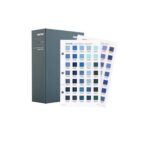
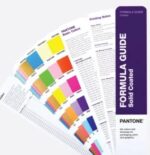
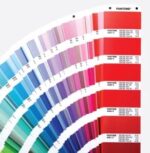
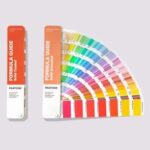
Pantone book
$0.00
Pantone Book

Pantone Book
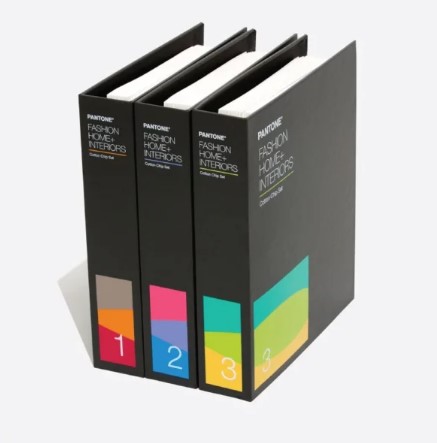
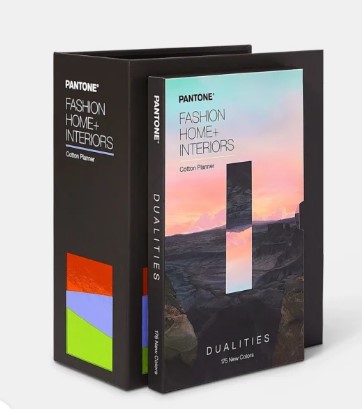
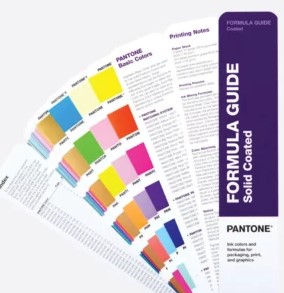
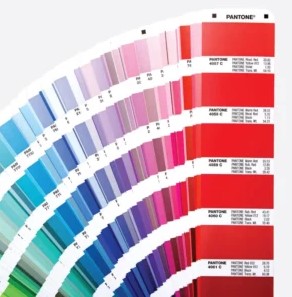
A Pantone Book, commonly referred to as a Pantone Color Guide, is a professional color matching tool used across industries like graphic design, fashion, printing, packaging, and product manufacturing. It helps ensure consistent color communication from design to final production.
What It Does?
– Displays standardized Pantone colors in fan-deck or chip book format.
– Provides color codes, ink formulas, and finish types for accurate color replication.
Types of Pantone Books:
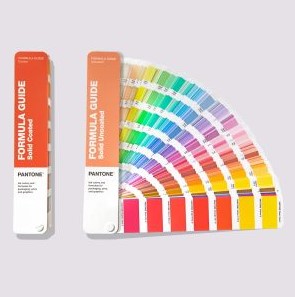
- Formula Guide (Solid Coated & Uncoated) – For spot color printing.
- Color Bridge – Shows Pantone spot colors alongside CMYK equivalents.
- Pantone Fashion, Home + Interiors (FHI) – For textiles, soft goods, and home decor.
- Pantone CMYK and Pastels & Neons Guides – For process printing and special effect colors.
⚙️ Features of Pantone Book:
– Thousands of pre-defined colors.
– Ink mixing formulas (for printers).
– Available in coated, uncoated, and matte finishes.
– Some include digital tools or access to Pantone Connect software.
✅ Benefits of Pantone Book:
– Ensures accurate color matching across designers, clients, and manufacturers.
– Supports branding consistency across all printed and physical materials.
key benefits of using a Pantone Book:
✅ 1. Accurate Color Communication- Ensures consistent color matching between designers, printers, and manufacturers—globally.
✅ 2. Industry Standard- Trusted across printing, fashion, packaging, and branding for reliable color references.
✅ 3. Saves Time and Reduces Errors – Eliminates guesswork in color approval, helping avoid costly reprints or corrections.
✅ 4. Versatile Applications – Supports multiple media types: print, fabric, plastics, digital design, etc.
✅ 5. Real-World Color View – Physical swatches show true ink or dye appearance, which digital screens can’t replicate accurately.
✅ 6. Ink Mixing Formulas – Provides exact mixing guides for printers to replicate spot colors precisely.
✅ 7. Global Consistency – Helps maintain brand color consistency across international production sites.
key features of a Pantone Book:
1. Standardized Color System – Includes thousands of pre-defined Pantone Matching System (PMS) colors with unique codes.
2. Multiple Finish Types – Available in Coated (C), Uncoated (U), Matte (M) formats to match different printing surfaces.
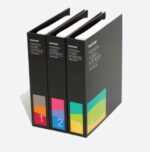
3. Fan Deck or Chip Format – Comes in portable fan-deck or tear-away chip books for easy reference and sharing.
4. Ink Mixing Formulas – Provides precise ink formulas for each color, ideal for print production.
5. Specialized Editions – Guides tailored for graphic design, textiles (FHI), plastics, and digital design.
6. Cross-Media Consistency – Ensures uniform color across print, web, fabric, and packaging.
7. Digital Integration – Many books include access to Pantone Connect for digital workflow and color data sync.
Here’s a simple guide on how to use a Pantone Book effectively:
✅ 1. Choose the Right Pantone Book
– Use Formula Guide for print.
– Use FHI (Fashion, Home + Interiors) for textiles.
– Use Color Bridge to compare spot colors with CMYK.
✅ 2. Select the Color
– Flip through the fan deck or chip book to find the desired color.
– Note the Pantone code (e.g., Pantone 186 C for coated paper).
✅ 3. Communicate the Code
– Share the Pantone number with printers, manufacturers, or team members to ensure consistent color use.
✅ 4. Use the Right Finish – Make sure you’re referencing coated, uncoated, or matte depending on your final material.
✅ 5. Compare to Printed Proofs
– Use the physical Pantone swatch to check if print proofs or samples match.
✅ 6. Maintain Lighting Consistency
– View colors under standard lighting (D50) for accurate color judgment.
✅ 7. Store Properly – Keep the Pantone book in a cool, dry place and replace it every 12–18 months to avoid fading.
Pantone offers a diverse range of color guides tailored to various industries and applications. Here’s an overview of the main Pantone book models:
Pantone Graphics & Print Guides
- Formula Guide (Solid Coated & Uncoated)
– Features over 2,390 spot colors with corresponding ink formulations.
– Essential for branding, packaging, and print design.
– Provides accurate color matching for solid colors.
- Color Bridge Guide (Coated & Uncoated)
– Displays side-by-side comparisons of Pantone spot colors and their closest CMYK equivalents.
– Includes CMYK, RGB, and HEX values for digital and print consistency.
– Ideal for projects requiring color translation across different media.
- CMYK Guide (Coated & Uncoated)
– Contains a comprehensive range of CMYK colors.
– Useful for four-color process printing without spot colors.
– Helps in selecting colors achievable through standard CMYK printing.
- Pastels & Neons Guide
– Offers a collection of soft pastel and vibrant neon colors.
– Suitable for creative projects in fashion, print, and packaging.
– Provides unique color options for special design applications.
- Metallics Guide
– Features metallic spot colors for premium print finishes.
Ideal for luxury packaging, branding, and high-end print materials.
– Adds a sophisticated touch to printed designs.
Pantone Fashion, Home + Interiors (FHI) Guides
- FHI Color Guide (TPG – Paper)
– Contains a wide range of colors for non-fabric materials.
– Used in product design, cosmetics, and interiors.
– Provides color inspiration for various applications.
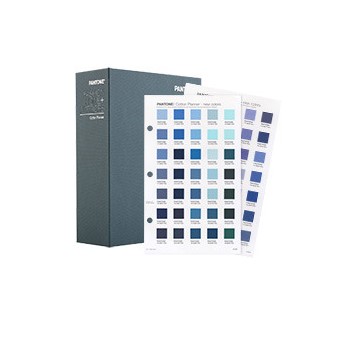
- FHI Cotton Passport & Cotton Planner (TCX – Textile)
– Offers colors on cotton fabric swatches.
– Essential for textile and apparel design.
– Ensures accurate color communication in fabric production.
- FHI Polyester Swatch Book
– Includes colors on polyester fabric.
– Useful for sportswear, footwear, and synthetic textiles.
– Provides color options specific to polyester materials.
Pantone Specialty Guides
- Pantone SkinTone Guide
– Features a range of skin tone colors.
– Used in cosmetics, healthcare, and product development.
– Aids in creating products that match diverse skin tones.
- Pantone Plastic Standard Chips
– Provides color references on plastic substrates.
– Essential for industrial design, consumer electronics, and appliances.
– Ensures color accuracy in plastic product manufacturing.
Pantone Bundles & Studio Sets
– Portable Guide Studio
– A comprehensive set including multiple Pantone guides.
– Designed for professionals needing a wide range of color references.
– Convenient for on-the-go color selection and matching.
– Essentials Set
– Combines key Pantone guides into one package.
– Ideal for designers seeking a versatile color toolkit.
– Offers a cost-effective solution for comprehensive color needs.
Each Pantone guide serves specific purposes across different industries. Selecting the appropriate guide depends on your project’s requirements and the materials involved.

Pantone Book
Shipping & Delivery
Related products

Bursting strength tester
Bursting strength tester

true burst
- Available with automatic test strip feeder Measurements are simple to make with the Mullen type Bursting Strength Tester. Fast automatic measurements Measurement starts automatically once a test piece has been placed in the measuring gap. The clamping foot descends, and a bursting strength measurement is made.
- Bursting pressure can reach up to 1.2MPa 5. The maximum burst and expansion degree can reach 70mm. 6. Strengthen the lighting system on the test surface. 7. The main aerodynamic force helps to clamp the sample system. 8. A variety of test areas are available, and the switching is easy.
- A variety of unit conversions between Chinese and English. 10. Reliable anti-pinch safety protection design. [Technical parameter]: 1. Test range: (0~1)Mpa (the range above 1Mpa needs to be customized) 2. The minimum graduation value: 0.0001Mpa 3. Pressurization mode: direct pressurization, timing pressurization, and expansion degree pressurization.
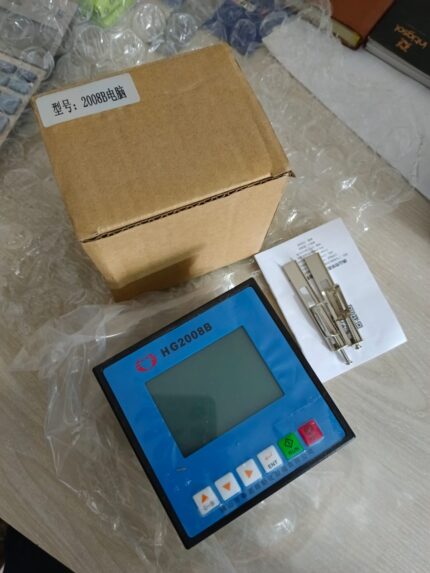

Controller For IR Dyeing Machine
Controller For IR Dyeing Machine
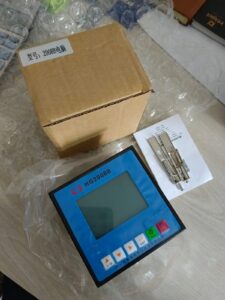
IR Dyeing machine controller
- Temperature Control:- Precisely regulates the infrared heaters to maintain uniform temperature across the dye bath. - Supports customizable heating curves (ramp-up, hold, and cool-down phases).
- Programmable Logic Control (PLC): - Allows operators to set and automate dyeing programs for different fabrics and dye types. - Supports multiple recipes or programs for different batches.
- Real-Time Monitoring and Feedback: - Monitors parameters like temperature, fabric rotation, bath circulation, and timing. - Provides real-time data and alarms for deviations.
- Touchscreen Interface / HMI (Human Machine Interface): - User-friendly interface for configuring and monitoring processes. - Multi-language support and graphical display of process curves.
- Data Logging and Traceability: - Records process data for quality control and traceability.
- Energy Efficiency Optimization: - Manages IR heater output to reduce energy usage. - Often includes features for auto shut-off or idle mode.
- Safety Features: - Includes emergency stop, over-temperature protection, and fault detection systems. 8. Connectivity: - Modern controllers may support Ethernet, Modbus, or other industrial communication protocols for integration into factory automation systems.
- Improved Dyeing Accuracy and Consistency
- Enhanced Energy Efficiency- Infrared heating is more energy-efficient than traditional heating methods.- The controller optimizes energy use by adjusting the IR output based on process needs, reducing overall energy consumption.
- Time Savings- Faster heating and cooling cycles due to infrared technology.- Automated processes reduce manual intervention and cycle times. 4. Better Process Control- Programmable dyeing cycles and precise control over each stage (heating, dyeing, rinsing, cooling).- Real-time monitoring and adjustments improve reliability.
- Reduced Water and Chemical Usage- More efficient dye penetration and fixation mean less water and fewer chemicals are needed for reprocessing or corrections.6. Lower Operational Costs
- Enhanced Safety Built-in alarms, emergency shut-off and automatic fault detection enhance operational safety.8. Data Logging and Traceability- Ability to record and review dyeing process data helps in quality control and troubleshooting.- Facilitates compliance with industry standards and audits.
- User-Friendly Operation- Modern touchscreen interfaces make it easier for operators to manage and monitor processes.- Multilingual support and visual feedback enhance usability.

Hydraulic GSM Cutter
Hydraulic GSM Cutter
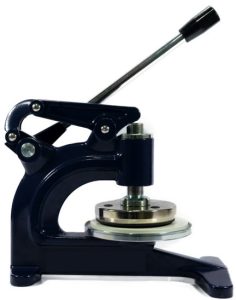
Hydraulic GSM Cutter
- High Cutting Precision - Ensures consistent and accurate fabric sample size for reliable GSM results.
- Effortless Operation- Hydraulic action reduces manual effort and operator fatigue.
- Ideal for Thick or Multi-Layer Fabrics - Cuts through dense or multiple fabric layers cleanly.
- Time-Saving - Speeds up the sample preparation process, especially for high-volume testing.
- Improves Test Accuracy - Uniform samples help eliminate errors in GSM calculation.
- Durable and Long-Lasting - Robust construction ensures stability and extended service life.
- Safety Enhancement - Reduces risk of injury compared to manual rotary cutters.
- Consistent Pressure Application - Hydraulic mechanism maintains steady force for each cut.
- Hydraulic Press Mechanism - Applies consistent and strong pressure for clean, even cuts.
- Standard Cutting Die (100 cm²) - Produces fabric samples suitable for GSM testing with standard area.
- Heavy-Duty Construction - Built with robust metal frame for long-term lab or industrial use.
- Sharp Stainless Steel Blades - Durable and replaceable blades ensure smooth, precise cuts.
- Cutting Pad Included - Comes with a rubber or nylon base to protect blades and ensure clean edges.
- Simple Lever or Button Operation - Easy to use with minimal training required.
- Non-slip Base - Provides stability during operation for safe, accurate cutting.
- Supports Various Fabric Types
- Place the Cutting Pad - Lay the rubber or nylon cutting pad on a flat surface.
- Position the Fabric - Place the fabric sample flat and smooth on the cutting pad.
- Align the Cutter - Position the GSM cutter die over the desired area of the fabric.
- Activate Hydraulic Press - Pull the lever or press the button to apply hydraulic pressure and cut the sample.
- Remove the Sample - Lift the cutter and carefully take out the circular fabric piece (usually 100 cm²).
- Weigh the Sample - Place the cut sample on a precision balance or GSM scale to determine weight.
- Calculate GSM - Multiply the sample weight (in grams) by 100 to get GSM.
Hydraulic GSM Cutter
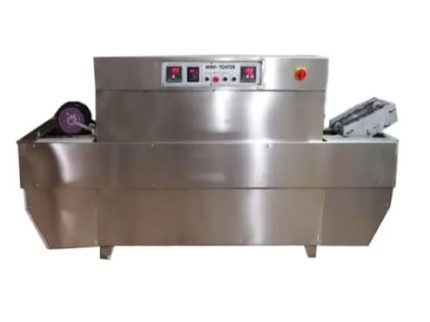
Laboratory tenter
Laboratory Tenter
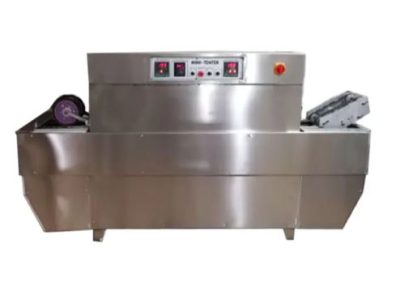
laboratory mini tenter
- Heat-Setting and Drying - Simulates the process of setting fabric dimensions and applying finishes using controlled temperature and tension.
- Fabric Width Control - Uses clips or pins on chains or rails to hold fabric edges and stretch them to desired width, just like in full-size tenters.
- Adjustable Temperature and Speed - Digital controls allow precise setting of drying/curing temperature and conveyor speed to match production conditions.
- Compact Design - Bench-top or floor-standing units suitable for labs with limited space.
- Transparent Viewing Chamber - Allows visual inspection of fabric behavior during processing.
- Versatile Application Range - Can process woven, knitted, and nonwoven fabrics of various compositions (cotton, polyester, blends, etc.).
- Accurate Simulation of Production - Replicates industrial finishing processes for reliable lab-scale testing and development.
- Improves Fabric Quality- Allows precise control of heat and tension, optimizing fabric properties like shrinkage, dimensional stability, and hand feel.
- Cost-Effective - Enables process trials and fabric development without using full-scale production equipment.
- Speeds Up R&D - Facilitates quick testing and adjustment of settings for new fabric styles or finishes.
- Versatile Applications - Suitable for drying, heat-setting, finishing, and evaluating different types of fabrics and treatments.
- Space-Efficient - Compact design fits easily into textile labs or sample rooms.
- Energy Efficient- Uses less power than industrial machines, ideal for small-scale and repeated testing.
- Process Control and Reproducibility- Digital controls ensure consistent and repeatable results, aiding in quality assurance and product development.
- Enhances Safety - Built with lab use in mind, featuring insulation and safety systems to protect users.
- Precise Temperature Control - Digital temperature setting (typically up to 220–250°C) for accurate heat-setting and drying.
- Adjustable Fabric Width - Equipped with clip or pin chains to hold and stretch fabric across the width, simulating real stentering.
- Variable Conveyor or Chain Speed- Adjustable speed to control fabric dwell time during processing.
- Compact and Lab-Friendly Design - Designed for bench-top or small floor space use in textile labs.
- Transparent Chamber Window - Allows monitoring of fabric behavior during treatment.
- Digital Display and Control Panel - Easy operation for setting temperature, speed, and time.
- Uniform Heat Distribution- Ensures even treatment across the fabric width for accurate testing.
- Stainless Steel Construction - Durable, corrosion-resistant body for long-term use at high temperatures.
- Safety Features - Includes over-temperature protection, insulated body, and emergency stop functions.
- Sample Versatility - Suitable for various fabric types (woven, knit, synthetic, blends) and lab finishing tasks.
laboratory mini tenter

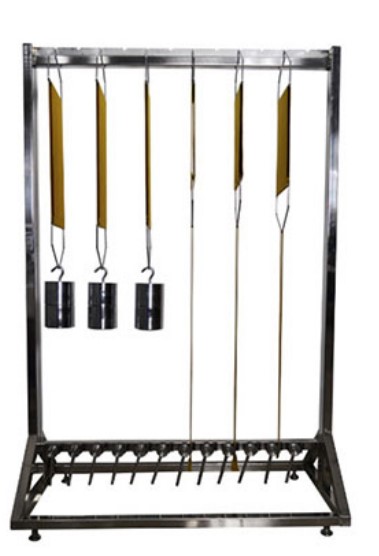
Stretch Recovery Tester Static Method
Stretch Recovery Tester – Static Method | ASTM D3107 / D2594 | Ready Stock Bangladesh
Product Introduction
The Stretch Recovery Tester – Static Method is a professional textile laboratory testing instrument designed to evaluate the stretch and recovery properties of elastic fabrics, knitted fabrics, stretch garments, ribbons and other extensible textile materials. The tester is suitable for Textile Testing Laboratories, Garment Factories, Fabric Manufacturers, QA/QC Departments, R&D Laboratories and Academic Textile Laboratories. ASTM D3107 / ASTM D2594 | Ready Stock in Bangladesh | Quick Delivery | Local SupportWhy Choose This Stretch Recovery Tester?
- Ready Stock in Bangladesh
- Suitable for textile and garment testing laboratories
- Designed for stretch and recovery evaluation
- Suitable for elastic and stretchable textile materials
- Applicable to relevant ASTM testing methods
- Easy laboratory operation
- Compact and practical testing equipment
- Competitive price in Bangladesh
- Quick local delivery
- Local sales and technical support from MAAM TEX
Testing Standards
The Stretch Recovery Tester is suitable for testing requirements related to:- ASTM D3107 – Stretch Properties of Fabrics
- ASTM D2594 – Stretch Properties of Knitted Fabrics
Scope of Application
This equipment can be used for testing:- Stretch Fabrics
- Knitted Fabrics
- Elastic Fabrics
- Stretch Garments
- Sportswear Fabrics
- Elastic Ribbons
- Hosiery Materials
- Textile Materials with Stretch Properties
Suitable For
- Textile Testing Laboratories
- Garment Manufacturing Industries
- Knitwear Factories
- Fabric Mills
- Sportswear Manufacturers
- Elastic Fabric Manufacturers
- Quality Control Laboratories
- R&D Laboratories
- Third-Party Testing Laboratories
- Textile Universities & Institutes
Key Advantages
Ready Stock in Bangladesh
No need to wait for overseas import. This product is available from MAAM TEX stock in Bangladesh, subject to current stock availability.Quick Delivery
Local stock enables faster delivery compared with normal import-based supply.Competitive Price
MAAM TEX provides competitive quotations for textile laboratory testing equipment.Local Support
Professional sales and after-sales support are available for customers in Bangladesh.Laboratory Suitable
A practical solution for routine quality control, product development and textile testing applications.Frequently Asked Questions
What is a Stretch Recovery Tester?
A Stretch Recovery Tester is a textile laboratory instrument used to evaluate the ability of a fabric or elastic textile material to stretch and recover after the application and removal of a specified load or extension.What standards are applicable?
The equipment is intended for testing requirements associated with ASTM D3107 and ASTM D2594, depending on the material and test method.Who needs a Stretch Recovery Tester?
Textile mills, garment factories, knitwear manufacturers, fabric manufacturers, QA/QC laboratories, R&D departments and textile testing laboratories can use this equipment.Is this machine available in Bangladesh?
Yes. MAAM TEX offers this Stretch Recovery Tester from stock in Bangladesh, subject to current availability.Can I get a quotation?
Yes. Contact MAAM TEX for the latest price, stock confirmation, delivery information and quotation.Ready Stock – Bangladesh
No Need to Wait for Import
Stretch Recovery Tester – Static Method Ready Stock | Competitive Price | Quick Delivery | Local Support For current stock status and quotation, please contact MAAM TEX.Call to Action
Looking for a Stretch Recovery Tester in Bangladesh? Get the Stretch Recovery Tester – Static Method from MAAM TEX with ready-stock availability, competitive pricing and local support. Contact MAAM TEX today for Price & Stock Confirmation.Stretch Recovery Tester Static Method
Stretch Recovery Tester
- A sample is stretched to a predetermined extension or force.
- The stretch is maintained for a set period.
- After removing the load, the recovery (return to original length) is measured after a fixed time.
- The fabric sample is clamped and stretched to a specific length or force.
- It’s held for a fixed duration (e.g., 1–5 minutes).
- The tension is released, and the sample is allowed to recover.
- The recovered length is measured after a set time.


Stretch Recovery Tester

HTHP Glycerin bath dyeing machine
HTHP Glycerin Bath Dyeing Machine
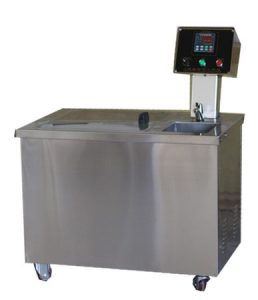
HTHP dyeing machine
- High Temperature Capability - Operates up to 140°C or more, ideal for disperse dyeing of polyester which requires elevated temperatures.
- Glycerin as Heat Transfer Medium - Glycerin allows for precise and uniform heating beyond the boiling point of water, without pressure buildup as in steam-based systems.
- Small Sample Dyeing - Used for lab-scale dyeing of fabric or yarn samples (commonly 5–10 g per tube), useful in R&D or color matching.
- Multiple Sample Capacity - Usually has multiple dyeing tubes/chambers for simultaneous dyeing of several samples under identical conditions.
- Accurate Temperature and Time Control - Digital or microprocessor-based controllers regulate temperature, heating rate, and timing precisely.
- Uniform Dyeing - Ensures even dye penetration due to consistent heat distribution and controlled rotation or agitation.
- Energy Efficient Glycerin’s heat retention reduces energy consumption compared to steam systems.
- Compact and Durable Design - Bench-top design, made from stainless steel and heat-resistant components for long life and lab use.
- Uniform Heating with Glycerin - Glycerin provides consistent heat transfer, ensuring even dye uptake and minimizing shade variation.
- Energy Efficient- Glycerin retains heat longer, reducing energy consumption compared to traditional steam-based dyeing.
- Accurate Process Control - Precise temperature and time control enhance reproducibility and dyeing consistency.
- Ideal for Lab and Sample Work - Perfect for R&D, shade matching, and recipe development with small fabric or yarn samples.
- Multi-Sample Dyeing - Allows multiple samples to be dyed simultaneously under identical conditions, saving time and effort.
- Compact and Safe - Bench-top design fits in laboratories and is safer than high-pressure steam systems.
- Low Maintenance - Simplified operation and fewer mechanical parts compared to steam-based systems lower upkeep needs.
- Faster Dyeing Cycles- Glycerin heats and cools quickly, reducing overall dyeing time.
- High-Temperature Operation - Capable of dyeing up to 140–150°C, suitable for synthetic fibers like polyester.
- Glycerin as Heat Medium - Uses glycerin for uniform, efficient heat transfer without generating high steam pressure.
- Multiple Dyeing Chambers - Usually equipped with 6–24 tubes for simultaneous multi-sample dyeing under identical conditions.
- Digital Temperature Controller- Offers precise control of temperature, time, and heating rate with programmable settings.
- Compact and Lab-Friendly Design - Bench-top model, easy to operate in laboratory environments with limited space.
- Stainless Steel Construction - Corrosion-resistant and durable for long-term, high-temperature operation.
- Safety Features - Includes over-temperature protection and thermal insulation to prevent heat loss and ensure operator safety.
- Agitation or Sample Rotation- Some models offer rotation or agitation for uniform dye penetration.
- Energy Efficient Heating - Glycerin’s heat retention improves energy efficiency over water- or steam-based systems.
- Low Maintenance - Simplified mechanical system reduces the need for frequent servicing.
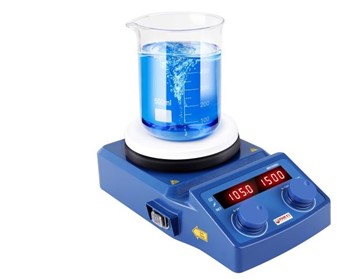
Digital hot plate-magnetic stirrer
Digital hot plate-magnetic stirrer
Digital hot plate-magnetic stirrer
- Magnetic Stirrer:
- Digital Display and Controls:
- Temperature Sensors: - Built-in or external probes (like a PT100 or thermocouple) for accurate temperature control.
- Precision and Control- Digital Interface: Allows accurate setting and monitoring of temperature and stirring speed.- Consistent Results: Ensures reproducibility in experiments and solution preparations.
- Efficient Mixing and Heating- Uniform Mixing: Magnetic stirring eliminates hotspots and ensures even distribution of solutes.- Simultaneous Operation: Ability to heat and stir at the same time improves efficiency.
- Safety Features- Overheat Protection: Prevents accidents by automatically shutting off at unsafe temperatures.- Sealed Surface: Reduces risk of contamination and easy to clean.
- Versatility
- Compact and User-Friendly- Takes up minimal bench space.- Simple to operate with user-friendly controls and displays.
- Durability- High-quality materials like ceramic or stainless steel tops resist corrosion and wear.
- Time-Saving Speeds up preparation of solutions and reactions compared to manual stirring and separate heating. Would you like these benefits presented in a slide format or for a product brochure?

IR Dyeing Machine Dunlin
IR Dyeing Machine Dunlin
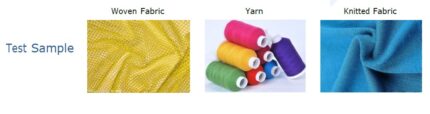
IR Dyeing machine Dunlin is Safe, high efficiency, environment friendly, energy saving, optimum for new dyeing small sample machines
0 - 3.5 ℃ / min Cooling rate 0.2 - 5 ℃ / min Cooling method Air-cooled Rotation speed 0 - 60 rpm Liquor ratio 1:5 -1:100 Power supply 1∮AC 220V 50/60HZ Dimensions( L x W x H) 670×670×780mm 860×680×780mm Weight 100kg 120kg Standard Accessories Cups 1set
Put the test sample. Cups stand 1set Place where to put cups. Protective glove 1set To avoid to be hurt by HT cups. Model: IF-24SCapacity: 24 pots Brad: DUNLIN Origin: China
Color dyeing tests for various dyestuffs of IR Dyeing machine Dunlin- Step dyeing tests. C. Dispersing, levelling and impregnating test. D. High or low liquor ratio exhausting tests. E. Fabric steak and staining tests. F. Concentration tests and others. Protection and Safety gates to protect. Temperature control accuracy +/- 0.2degree

IR Dyeing machine

