Skip to content
About us
Select category
  • Select category
  • Dyeing Lab Machine
  • Lab Equipment & Instrument
  • Physical Testing & Fabric Testing
  • Yarn Dyeing Machine & Equipment
1 item $0.00
Menu
About us
1 item $0.00
  • Home
  • Products
    • Dyeing Lab Machine
      • Products
        • IR Dyeing Machine Dunlin IR Dyeing Machine Dunlin
        • Digital Ph meter
        • Color fastness to washing machine
        • Rainin Digital Pipette
        • HTHP Glycerin bath dyeing machine
        • Laboratory mini stenter Dryer
        • Laboratory tenter
        • Laboretory hydro Extractor
        • Laboretory Padder
        • Oscillation type Dyeing Machine
        • Orbital Shaker Machine
        • Steam Soaping machine

      IR Dyeing Machine Dunlin

      View More
    • Physical Testing & Fabric Testing Machine
      • Products
        • Tensile Strength tester
        • Martindale abrasion tester
        • Martindale abrasion tester updated Martindale abrasion tester Updated
        • Digital Elmendorf tearing tester
        • Bursting strength tester
        • ICI pilling & Snagging test machine
        • Fabric Stiffness Tester
        • Color Fastness to washing machine
        • Fabric air permeability tester
        • Fabric drape tester
        • Fabric flame retardant tester
        • fabric moisture permeability tester
      • Products
        • Stretch Recovery Tester Static Method
        • Xenon Arc Light Fastness Tester
        • Fastness rotary friction tester
        • Fiber oil fast extractor
        • Fabric flame retardant tester
        • Random Tumble Pilling Tester
        • Spray Rating Tester
        • Fatigue tester for Elastic fabric
        • Down Feather Fill tester Powerful & Accurate
    • Lab Equipment & Instrument
      • Products
        • Counting Balance /Weighing Scale
        • controller for Ir Dyeing Machine
        • Analog Thickness gauge
        • color matching cabinet/Light box
        • VeriVide Colour Assessment Cabinets
        • Digital hotplate magnetic stirrer
        • Digital Temperature Humidity meter
        • Digital Ink Rubbing Tester
        • Digital paper dot meter Densitometer
        • Digital Bench top PH Meter
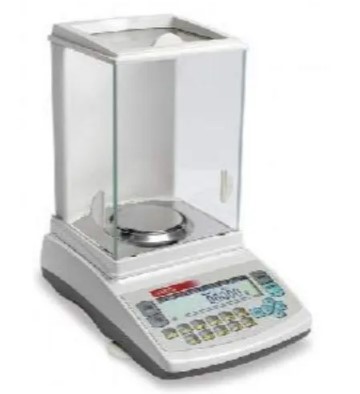
        • Digital precision balance
        • Digital thickness gauge
      • Products
        • Pantone book
        • Hydraulic GSM Cutter
        • Gray scale
        • GSM Cutter & Balance
        • Hand needle detector
      • Products
        • Perspiration Tester
        • Textile moisture meter tem aqua boy
        • VeriVide D65 Tube Light
        • Yarn Tension Meter
    • Wet & Dry Process Instrument
      • Products
        • Bosch tumble dryer
        • Bosch-Washing-Machine-WAJ2018SGC-4
        • Capillary effect tester
        • Color fastness to wash
        • Color fastness to sublimation & heating
        • Durawash print Durability tester
        • Formaldehyde tester for textiles
        • Ozone Exposure chamber
        • Pilling assessment viewer
        • Whirlpool washer & Dryer
      Textile Machinery Supplier in Bangladesh

      MAAM TEX

      Lab Machine Supplier in Bangladesh, Testing machine supplier in Bangladesh, Dyeing Machine supplier in Bangladesh, Lab Machine Supplier in Dhaka, yarn Dyeing machine supplier in Bangladesh, Lab Dispensing Machine supplier in Bangladesh, soft winding machine supplier in Bangladesh, Hard winding machine supplier in Bangladesh, IR Dyeing machine supplier in Bangladesh, Lab machine Price in Bangladesh, 

    • Yarn Dyeing Machine-Equipment
      • Products
        • Cone yarn Dyeing machine
        • Automatic Bobbin Hydroextractor
        • Card winding machine for yarn
        • Sample Cone Yarn Dyeing machine
        • Digital yarn twist Tester
        • Electronic wrap reel
        • Fully Automatic Radio Frequency Dryer
        • Thread Cone Winding Machine
        • High speed hard winding machine
        • High speed Soft cone winding machine
        • Yarn evenness tester
      • Products
        • Yarn evenness tester
    • Washing-Drying Machine
      • Products
        • Automatic washing project
  • About us
  • Contact us
“Pantone book” has been added to your cart. View cart
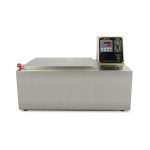
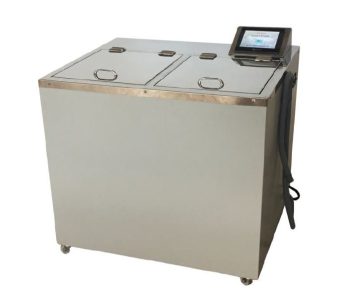
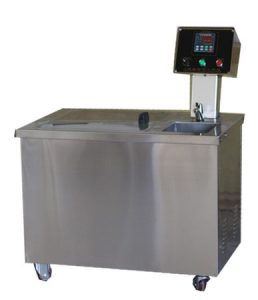
Oscillation Type Water Bath Dyeing Machine
Click to enlarge
Oscillation Type Water Bath Dyeing Machine
Home Dyeing Lab Machine Oscillation type water bath Dyeing Machine
High Speed Hard Winding Machine
High speed hard winding machine $0.00
Back to products
Pneumatic bursting tester
Bursting strength tester $0.00

Oscillation type water bath Dyeing Machine

$0.00

Oscillation Type Water Bath Dyeing Machine

water bath/Shaker bath Dyeing machine

An Oscillation Type Water Bath Dyeing Machine is a laboratory apparatus designed for dyeing and washing textile samples under controlled temperature conditions. It combines a heated water bath with an oscillating mechanism to ensure uniform dye penetration and consistent coloration across fabric or yarn samples.


Key Features of Oscillation Type Water Bath Dyeing Machine

– Oscillating Mechanism: Provides back-and-forth movement to agitate the dye solution, ensuring even contact between the dye and the textile sample.- Multiple Beaker Capacity: Typically accommodates 12 to 24 beakers, allowing simultaneous processing of multiple samples under identical or varied conditions.


– Digital Temperature Control: Maintains precise temperature settings, usually up to 99°C, suitable for various dyeing processes including atmospheric dyeing, scouring, and bleaching.- Adjustable Oscillation Speed: Offers variable speed settings, commonly ranging from 50 to 200 cycles per minute, to accommodate different fabric types and dyeing requirements.

– Programmable Settings: Advanced models come with programmable controllers, allowing users to set and save multiple dyeing protocols for repeatability and efficiency.

Durable Construction: Constructed with high-quality stainless steel (e.g., SUS304), ensuring resistance to corrosion and longevity even under rigorous laboratory conditions.


✅ Benefits of Oscillation Type Water Bath Dyeing Machine

– Uniform Dyeing Results: The oscillation mechanism ensures consistent dye penetration, reducing the risk of uneven coloration and enhancing the reproducibility of results.- Efficiency in Sample Processing: The ability to process multiple samples simultaneously accelerates laboratory workflows and facilitates comparative studies.


– Versatility: Suitable for a range of applications including dyeing, washing, scouring, bleaching, and fastness testing across various textile materials.- Energy and Resource Conservation: Designed for low liquor ratios (e.g., 1:5 to 1:20), these machines minimize water and chemical usage, promoting sustainable laboratory practices.


– Enhanced Safety and Cleanliness: Enclosed beaker systems reduce the risk of spills and exposure to chemicals, ensuring a safer laboratory environment.


Typical Applications of Oscillation Type Water Bath Dyeing Machine

– Textile Research and Development: Ideal for developing and testing new dye formulations and processes on a small scale before scaling up to production levels.

Quality Control: Used in quality assurance laboratories to assess color fastness, dye uptake, and other critical parameters of textile products.- Educational Purposes: Serves as a practical tool in academic settings for teaching dyeing principles and techniques.

In summary, the Oscillation Type Water Bath Dyeing Machine is an essential tool in textile laboratories, offering precise control over dyeing parameters, improving efficiency, and ensuring high-quality, reproducible results across various textile materials.


Features of Oscillation Type Water Bath Dyeing Machine:

  1. Oscillating Mechanism – Provides back-and-forth movement of beakers for uniform dye penetration and sample agitation.
  2. Multiple Beaker Capacity – Supports dyeing of 12–24 samples simultaneously, ideal for comparative lab testing.


  1. Digital Temperature Control – Maintains precise water bath temperature (typically up to 99°C), essential for consistent dyeing.
  2. Variable Oscillation Speed – Adjustable speed settings (e.g., 50–200 cycles/min) to suit different materials and processes.


  1. Programmable Settings – Allows setting of temperature, time, and speed for repeatable and automated dyeing cycles.
  2. Stainless Steel Construction – Corrosion-resistant frame and bath for durability in chemical environments.


  1. Beaker Safety Holders – Secure placement of beakers to prevent spills and maintain consistent treatment.
  2. Compact Design – Lab-friendly size for easy integration into research and quality control spaces.
  3. Low Liquor Ratio Operation – Efficient dyeing using minimal dye bath volume (e.g., 1:5 to 1:20), reducing chemical and water use.
  4. Quiet and Stable Performance

Engineered for smooth, vibration-free operation in laboratory conditions.


Oscillation Type Dyeing Machine
Brand: DUNLIN
Model:DL-D24
Origin: China
Pot Capacity:24 Pot , 250ml SS Beaker
Heating Mode: Electric heating
Heating Medium: Water/ glycerin
Heating Power: 3 Kw
Temperature Range: RT- 99℃/250℃
Liquor Ratio: 1:5-:20
Thermostat Tiime:0~99min
Oscillation: Speed:50-200rpm
Oscillation Range: 40±3mm
Power supply: 1∮AC 220V 50/60HZ
Dimensions (LxWxH): 880×420×330mm

Oscillation Type Dyeing Machine Dunlin price in Bangladesh
Oscillation Type Dyeing Machine Dunlin in textile
Textile testing equipment in Bangladesh
Textile testing equipment in Dhaka
Textile testing equipment in Uttara
MAAM tex Oscillation Type Dyeing Machine Dunlin price in Bangladesh

Oscillation Type Water Bath Dyeing Machine

water bath/Shaker bath Dyeing machine

Oscillation Type Dyeing Machine

Categories: Dyeing Lab Machine, Yarn Dyeing Machine & Equipment Tags: Oscillation Type Dyeing Machine Dunlin in textile, Oscillation Type Dyeing Machine Dunlin price in Bangladesh, Oscillation Type Water Bath Dyeing Machine, Textile testing equipment in Bangladesh, Textile testing equipment in Dhaka, Textile testing equipment in Uttara Brand: DUNLIN
Share:
  • Shipping & Delivery
Shipping & Delivery

Related products

Digital Yarn Twist Tester

Digital Yarn Twist Tester

Yarn Dyeing Machine & Equipment
$0.00

Digital Yarn Twist Tester

Digital Yarn Twist Tester

Digital Yarn Twist Tester

  A Digital Yarn Twist Tester is a laboratory device used to measure the number of twists (turns) per unit length in a yarn. It’s crucial for evaluating yarn quality, strength, elasticity, and uniformity. The digital version offers precise, automated readings for both S-twist and Z-twist yarns.   Purpose Digital Yarn Twist Tester: To determine twist per inch (TPI) or twist per meter (TPM) in single and plied yarns using direct untwist or untwist-retwist methods.   Applications Digital Yarn Twist Tester: Quality control in spinning mills Yarn standard testing (cotton, polyester, blends) R&D in textile manufacturing   Working Principle Digital Yarn Twist Tester: One end of the yarn is clamped, and the other is rotated to remove or measure twists. The tester counts and displays twist digitally based on length and rotation.   Benefits of Digital Yarn Twist Tester: High Accuracy - Digital readout ensures precise twist measurements. Quick Testing - Faster than manual methods, increasing lab efficiency. Versatile Application - Suitable for single, doubled, or plied yarns. Reduces Human Error - Automated counting improves repeatability and consistency.   Supports Both S & Z Twist - Measures both twist directions accurately. User-Friendly Operation - Intuitive controls and clear display simplify use.   Features of Digital Yarn Twist Tester: Digital Display - Shows real-time twist count and length. Motorized Rotation- Smooth, adjustable rotation speed for controlled untwisting. Dual Clamp System - Holds yarn securely to prevent slippage. Length Measurement Scale - Built-in ruler or encoder for precise yarn length setup.   Auto Stop Function - Automatically stops when yarn is fully untwisted. Selectable Units - Twist readings available in TPI or TPM.   How to Use Digital Yarn Twist Tester: Prepare the Yarn Sample - Cut a yarn length (e.g., 250 mm or 10 inches) as per testing standard. - Make sure it’s free from knots or damage. Mount the Yarn   - Fix one end in the stationary clamp and the other in the rotating clamp. - Ensure the yarn is straight and under slight tension.   Set the Gauge Length - Adjust the length scale or input it digitally, depending on the machine. Select Twist Direction - Choose S or Z direction based on the yarn's twist. Start the Test - Activate the motor to untwist (or untwist-retwist, if applicable).   - The display shows the number of rotations. Read the Twist Value  - The twist (TPI/TPM) appears automatically based on the set length.   Stop and Unload - Once reading is complete, stop the machine and remove the yarn. Record the Result - Note the reading for documentation or further analysis.   Maintenance Tips for Digital Yarn Twist Tester: Daily: ☐ Wipe down the machine and clamps to remove dust or fibers ☐ Check for yarn residue on rotating parts ☐ Ensure display and buttons are responsive   Weekly: ☐ Lubricate rotating spindle lightly (if required) ☐ Inspect clamps for wear or misalignment ☐ Test motor rotation for smooth operation ☐ Check twist direction selector switch   Monthly: ☐ Calibrate digital display if twist readings drift ☐ Inspect electrical wiring and connectors ☐ Tighten any loose screws or panel parts     Safety Tips: Avoid Loose Clothing: Prevent getting caught in the rotating spindle Use Proper Yarn Tension: Overstretching may snap the yarn or damage clamps Handle With Care: Avoid rough handling of the digital panel or twist arm Power Off When Not in Use: Prevents accidental operation Follow Manual: Refer to user guide for specific calibration or cleaning procedures   Digital Yarn Twist Tester – Maintenance & Safety Checklist   Daily Maintenance: ☐ Clean clamps and body surface ☐ Remove lint or yarn fragments ☐ Verify display & control buttons function properly   Weekly Maintenance: ☐ Lightly lubricate spindle if required ☐ Inspect clamp alignment and grip ☐ Test motor for smooth, silent operation ☐ Check twist direction switch   Monthly Maintenance: ☐ Calibrate twist reading accuracy ☐ Inspect cables and connectors ☐ Tighten loose hardware ☐ Run full test to ensure system performance   Safety Checklist: ☐ Keep hands clear of rotating parts during testing ☐ Avoid loose clothing or jewelry ☐ Do not overstretch or over tension yarn ☐ Power off when cleaning or not in use ☐ Follow the machine's manual for calibration and service   Basic Troubleshooting Guide – Digital Yarn Twist Tester   Issue: No Power / Display Not Turning On -  Check power cable and socket -  Inspect fuse or main switch -  Ensure emergency stop isn’t engaged   Issue: Twist Count Seems Inaccurate -  Recalibrate the machine -  Verify yarn length input is correct -  Check for slippage in clamps   Issue: Motor Not Rotating -  Ensure motor switch is ON -  Inspect motor connection and wiring -  Test rotation manually to check for blockage   Issue: Display Freezes or Buttons Unresponsive -  Restart the machine -  Check control panel for dust or moisture -  Contact support if issue persists   Issue: Auto-Stop Not Working -  Ensure length and twist direction are set -  Check sensor alignment or damage -  Reboot and re-run test   Scope of application It is used for testing the twist, twist irregularity and twist shrinkage of all kinds of yarns. [Related standards] GB/T2543.1/2 FZ/T10001 ISO2061 ASTM D1422 JIS L1095 etc.   Technical parameters 1. Work mode:Computer program control, data processing, printout results 2. Test methods: A, Average twisting slip elongation B, Average maximum twisting elongation. C, Direct counting method D, twisting twisting A method E, Twisting twisting B method f and three times twisting twisting method 3. Sample length:10、25、50、100、200、250、500mm 4. Twist test range:1~1998 twist /10cm, 1~1998 twist /m 5. The extent of twist removal:Maximum 50mm 6. Maximum twist measurement.20mm 7. Speed:600~3000r/min 8. Pre tension:0.5~171.5cN
Digital Yarn Twist Tester

Digital Yarn Twist Tester

9. Size:920×170×220mm 10. Power supply:Ac220V 50Hz 25W 11. Weight:16kg
Add to cart
Quick view
Color Matching Cabinet -light Box

Color Matching Cabinet-Light Box

Physical Testing & Fabric Testing, Dyeing Lab Machine, Lab Equipment & Instrument
$0.00

Color Matching Cabinet-Light Box

Color Matching Cabinet-Light Box x
Color Matching Cabinet-Light Box

Color Matching Cabinet -light Box A Color Matching Cabinet-Light box (also known as a Light Box) is a standardized visual assessment tool used to evaluate the color consistency of materials like fabric, paint, plastic, paper, and leather under different lighting conditions. Purpose of Color Matching Cabinet-Light Box : To detect color variations and metamerism (color changes under different lights). Ensures accurate color matching across production batches and materials.   How Color Matching Cabinet-Light Box Works: The cabinet is equipped with multiple standardized light sources (e.g., D65, TL84, UV, CWF, A). Samples are placed inside, and their colors are observed under each light to check for consistency.   Common Light Sources of Color Matching Cabinet-Light Box: D65 – Daylight (standard) TL84 – Store lighting (fluorescent) CWF – Cool white fluorescent UV – Ultraviolet (for fluorescent content) A – Incandescent (home light) U30/U35 – Warm white for showroom lighting     Applications of Color Matching Cabinet-Light Box: Textile and garment inspection Paint and coating industry Plastics and packaging Printing and graphic design   Benefits of Color Matching Cabinet-Light Box: Accurate Color Assessment - Ensures color consistency across products by simulating different lighting conditions. Detects Metamerism - Identifies if colors appear differently under various lights, preventing mismatches. Improves Quality Control - Enhances visual inspection processes in textiles, printing, and packaging.   Standardized Viewing Conditions - Provides consistent light sources for reliable and repeatable evaluations. Reduces Rework and Returns - Helps detect color defects early, saving time and production costs. Supports Industry Standards - Meets international color evaluation standards like ASTM D1729, ISO 3664.   Easy to Use of Color Matching Cabinet -Light Box  - Simple controls with clearly labeled light source buttons. Multiple Light Source Options   - Enables testing under conditions matching retail, daylight, home, and UV lighting. Features of Color Matching Cabinet-Light Box: Multiple Standard Light Sources   - Includes D65 (daylight), TL84 (store light), CWF, UV, A (home light), and optional U30/U35. Digital Hour Meter   - Tracks usage time for each light source to schedule timely replacements. Uniform Light Distribution   - Diffused lighting ensures consistent and shadow-free viewing.   Push Button Control Panel- Easy switching between different light sources. No Warm-Up Time - Instant-on lighting allows immediate use. Sturdy Metal Body - Durable and well-coated to reduce light reflection and distortion. Viewing Area Markings - Guides for proper sample placement and comparison. Optional Dimming Function - Adjustable light intensity (in advanced models) for fine-tuned observation.   Standardized Viewing Angles  - Ensures observer views samples under consistent angles for accurate color judgment.   Description of Color Matching Cabinet-Light Box Color Matching TILO 2 Feet 5/6 Option Light Box Cabinet (P60-5/6) TILO 2 Feet 5/6 Option Light Box Cabinet (P60-5/6) is equipped with 5 light sources. The consistency of the light sources in all Tilo Color Assessment Cabinets gives excellent viewing conditions for reliable color critical decisions under consistent lighting. TILO 2 Feet 5 Option Light Box Cabinet (P60-5) can be applied to the industries that need to perform color difference testing as follows: as the premiere designer and manufacturer of color matching instrument products for the Graphic arts, Photographic, Textile, Dyeing, Packaging, Printing, Leather, Inks, Knitwear, Plastic, Automotive and Ceramics industries. TILO 2 Feet 5 Option Light Box Cabinet (P60-5) offers an exact and dependable way to survey colors beneath different lighting conditions. This apparatus is planned to offer assistance experts in the material, paint, and plastic businesses to coordinate and assess colors with exactness. This high-quality item in Bangladesh at the best cost. The color Cabinet box permits for an ideal seeing environment for color inspection. Features of TILO 2 Feet 5 Option Light Box Cabinet (P60-5) Multiple Light Sources of Color Matching Cabinet-Light Box The lTILO 2 Feet 5 Option Light Box Cabinet (P60-5) incorporates a assortment of light sources. These sources can reenact common sunshine, tungsten, and other counterfeit lighting conditions. By changing light sources, clients can compare colors in diverse situations, guaranteeing precise results. Adjustable Light Intensity of Color Matching Cabinet-Light Box The color coordinating light box highlights flexible light concentrated. You can control the brightness to coordinate distinctive real-world conditions. It guarantees a more point by point investigation of how colors alter beneath different lighting intensities. Compact and Solid Design This color appraisal cabinet comes in a compact plan, making it simple to put in any workspace. Its strong structure guarantees long-term utilize, indeed in requesting environments. Precise Color Evaluation The light box gives a controlled environment that makes a difference clients assess colors in a steady way. This highlight is particularly valuable in businesses where correct color coordinating is basic, such as in materials or paints. Energy Efficient The color cabinet is outlined to be energy-efficient. It employments Driven lights that devour less control whereas still advertising dependable and precise color assessment. Simple Client Interface The user-friendly interface of the color coordinating cabinet makes it simple for anybody to work. The controls are straightforward, and clients can alter settings effortlessly. Portable Design The color coordinating light box is lightweight, making it simple to move from one area to another. This movability is particularly valuable when you require to take the cabinet to diverse parts of the generation floor or to different client locations. Ideal for Different Industries Whether you work in materials, car, or fabricating, the color appraisal cabinet offers the exactness and unwavering quality required for color coordinating. It ensures consistency over distinctive materials and generation lines. FEATURES Certified by ASTM D1729, ISO3664, DIN, ANSI and BSI. Automatic changeable into another light source by switching. Usage time display, name of lamp, total number of switches for each. Violated time sensor for tracking lamp service or replacement. Large display & individual switch, easy to operate each light source. No warm-up time, just plug and play. The energy-saving device which generates lower heat & high efficiency. The name of the light source can be changed. SPECIFICATION OF TILO 2 FEET 5 OPTION LIGHT_BOX CABINET (P60-5) Name Details Model P60(5) Brand TILO Origin Hong Kong Dimensions (WxDxH) (710 x 405 x 570)mm Standards ASTM D1729, ISO3664, DIN, ANSI and BSI Light source Five light source. Power Source Electric. Voltage 220 ~ 240V Body Material Fiber-reinforce Warranty One year free service LIGHT SOURCE OF TILO 2 FEET 5 OPTION LIGHT_BOX CABINET (P60-5) Light Source Color viewing applications / Uses of Light Color Temp. (K) Power (W) Brand Info Quantity D65 International standard Artificial Daylight / Natural Daylight 6500 18 PHILIPS; TL-D/18-965 2 Pieces TL84 Applied to stores in Europe, Japan and China 4000 18 PHILIPS; TL-D/18-840 2 Pieces F “Sun-setting Light Yellow” incandescent light source 2700 40 PHILIPS 4 Pieces UV ultraviolet light to detect and evaluate optical brighteners or fluorescent pigments Wave length: 365nm 20 PHILIPS 18W BLB 1 Pieces CWF (Cool White Fluorescent) American Standard 4150 18 PHILIPS; TL-D/18-640 2 Pieces      
Add to cart
Quick view
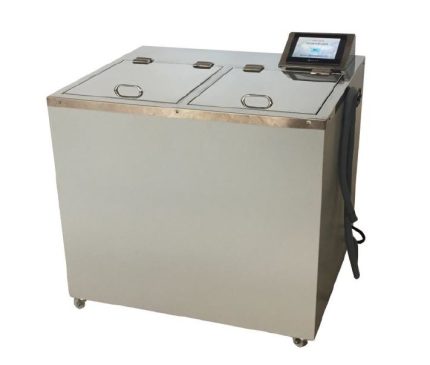
COLOR FASTNESS TO WASHING MACHINE

Color fastness to washing machine

Dyeing Lab Machine
$0.00
COLOR FASTNESS TO WASHING MACHINE

COLOR FASTNESS TO WASH MACHINE

Color fastness to washing machine refers to a fabric’s resistance to fading or bleeding when subjected to washing processes. This test measures how well the dye or colorant stays on the fabric when exposed to water, detergent, heat, and mechanical action—conditions typically found in household or industrial washing machines. Purpose of Color fastness to washing machine - To evaluate the durability of dyed or printed textiles during laundering.- Essential for determining fabric quality and suitability for end-use (e.g., clothing, upholstery). Test Method Usually based on international standards such as: - ISO 105-C06 - AATCC 61- IS 3361- AATCC 28/61/132/151/190, BS 1006 C01-C05, ISO 105 Part C01-C06/C08/D01, M&S C4/C5/C10A/P3B, FTMS 191-5610, NEXT TM2/3/5, GB/T 5711/3921 Procedure (Simplified)1. Sample Preparation:   - A fabric specimen is stitched with undyed adjacent fabrics (usually cotton or wool).2. Washing:   - Washed in a laboratory washing machine using standard detergent, water, and specific temperature/time settings (e.g., 40°C for 30 minutes).
  1. Drying: - After washing, the sample is dried, typically air-dried or tumble-dried.4. Evaluation: - Color change and staining on adjacent fabrics are assessed using a gray scale (1 to 5 scale; 5 = no change, 1 = severe change).   - Results may also be evaluated visually under standard lighting.
Types of Color fastness to washing machine Tests Domestic laundering (home washing conditions)- Industrial laundering (more intense, commercial cleaning)- Accelerated washing (to simulate multiple washes in less time) Applications- Apparel (especially colored garments)- Home textiles (bed linens, curtains)- Industrial fabrics Would you like to know how to perform this test in a lab setting or check color fastness ratings for specific fabrics? Benefits of Color fastness to washing machine: Ensures Product Quality     - Confirms the durability of dyes and prints during laundering, maintaining the fabric's original appearance.2. Enhances Customer Satisfaction - Reduces complaints and returns caused by fading, bleeding, or color transfer.
  1. Supports Brand Reputation - Reliable color fastness contributes to a premium product image and consistent performance.4. Compliance with Standards - Meets industry requirements (e.g., ISO, AATCC), crucial for export, certifications, and regulatory compliance.
  2. Improves Process Control- Helps identify dyeing or finishing process issues early, leading to better production control.6. Reduces Rework and Waste - Minimizes production losses due to color defects after washing.
  3. Essential for Specific End Uses - Critical for items subject to frequent washing (e.g., uniforms, baby clothes, hospital linens).8. Supports Material Selection - Guides textile manufacturers in choosing appropriate dyes and fabrics for specific applications.
Features of Color Fastness to Washing Machine Test:1. Standardized Testing Methods - Follows international standards like ISO 105-C06, AATCC 61, ensuring consistency and comparability of results.2. Simulated Washing Conditions - Replicates real-world laundering (water, detergent, temperature, mechanical action) in a controlled lab environment.
  1. Assessment of Color Change and Staining- Evaluates both the fabric’s color retention and the staining of adjacent fabrics using grey scales (1 to 5 rating).4. Multi-Fiber Fabric Use - Tests include fabric stitched with adjacent test strips (cotton, wool, etc.) to assess color bleeding onto different fibers.
  2. Multiple Test Options - Includes domestic, accelerated, and industrial washing conditions depending on the end-use of the fabric.6. Temperature and Time Control - Precise control over wash temperature (e.g., 40°C, 60°C) and duration (e.g., 30 mins), simulating specific washing cycles.
  3. Detergent and Additive Use - Uses standardized detergent formulations with/without optical brighteners, and sometimes alkaline or oxidizing agents.8. Reproducible and Quantifiable - Provides repeatable results that can be objectively measured and documented.
  4. Applicability to All Textile Types - Suitable for dyed, printed, or coated fabrics across various fibers (cotton, polyester, blends, etc.).
Model: WF-12 Brand: Dunlin Origin: China Beaker Capacity: 12 Test Scope: Dyed textile product Consumables of Color fastness to washing machine: Specimen Container, Stainless Steel Ball, Stainless Steel Disc, Container Sealing Gasket Specification of Color fastness to washing machine: 1. Test dock: 6 unit 550mL containers + 6 unit 1200mL containers 2. Specimen rack rotation speed: 40±2rpm 3. Capacity of container: 550mL, 1200mL 4. Temperature range: Room temperature to 97ºC 5. Temperature accuracy: ± 0.5ºC
  1. Rate of temperature rise: Maximum speed for 2ºC/min 7. Internal materials: Imported Stainless Steel 316L 8. Control panel: Touch screen
  2. Rack point control function helps to replace containers easily 10. Safety device: Safety door switch, over-temperature protector and dry heating protector 11. Heating media: Distilled water 12. Power supply: AC220V 50Hz 30A
Add to cart
Quick view
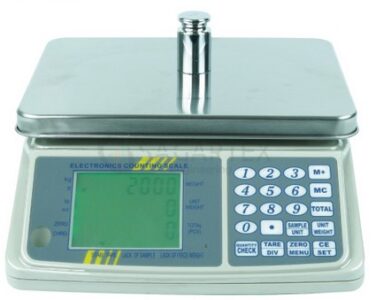
Counting Balance-Weighing Scale
Counting Balance-Weighing Scale
Lab Equipment & Instrument, Dyeing Lab Machine, Physical Testing & Fabric Testing
$0.00

Counting Balance-Weighing Scale

Counting Balance-Weighing Scale
Counting Balance-Weighing Scale

  A Counting Balance-Weighing Scale (or Counting Weighing Scale) is a precision electronic scale designed to weigh items and simultaneously count them based on individual piece weight. It’s commonly used in industries for inventory management, packaging, and quality control.   Purpose of Counting Balance-Weighing Scale: To quickly and accurately count small items like buttons, beads, screws, or pills by weight. Eliminates manual counting, especially for large quantities.   Working Principle of Counting Balance-Weighing Scale: Weigh a sample quantity of items to determine the average weight of one piece. Place a bulk quantity on the scale. The scale divides the total weight by the unit weight to calculate the total item count.     Applications of Counting Balance-Weighing Scale: Textile accessories (buttons, rivets) Hardware (nuts, bolts, washers) Electronics (resistors, chips) Pharmaceuticals (tablets, capsules) Benefits of Counting Balance-Weighing Scale:   Fast and Accurate Counting - Saves time by quickly counting large quantities of small items. Reduces Human Error- Eliminates mistakes common in manual counting. Improves Productivity - Speeds up packing, inventory, and quality control processes. Versatile Use - Suitable for various industries: textiles, hardware, pharmaceuticals, electronics.   Cost-Efficient- Reduces labor costs and improves operational efficiency. Compact and Portable - Easy to move and use in different workstations. Dual Functionality - Can be used for both counting and standard weighing. Memory and Tare Functions - Stores unit weights and allows container weight deduction.   Features of Counting Balance-Weighing Scale: High Precision Sensors- Ensures accurate weight and count, even for tiny components. Digital Display- Separate displays for total weight, unit weight, and piece count. Tare Function - Allows deduction of container weight for net measurements. Memory Function - Stores frequently used unit weights for fast recall.   Multiple Units Support- Measures in grams, kilograms, pounds, etc. Sample Size Selection- Users can set sample sizes (e.g., 10, 20, 50 pcs) to calculate piece weight. Overload Protection- Prevents damage from excessive weight. Auto Calibration - Maintains long-term accuracy with internal or external calibration options. Sturdy Platform- Stainless steel pan with anti-slip design for stable weighing. Battery and AC Operation- Can run on rechargeable batteries or power adapter.   How to Use Counting Balance-Weighing Scale: Turn On the Scale - Power it on and wait for the display to stabilize at zero. Tare the Container - Place an empty container on the pan and press the "TARE" button to zero out its weight. Set Sample Size - Place a known quantity (e.g., 10 or 20 pcs) of identical items on the scale. - Enter the sample quantity using the keypad. Confirm Unit Weight - The scale calculates and stores the average unit weight automatically. Add Bulk Items - Add the rest of the items into the container. - The display will show the total count based on the stored unit weight. Record Results   - Note down the total piece count and remove the items. Turn Off After Use - Power off the scale to save battery or electricity.     Counting Balance /Weighing Scale Model : DS610C Brand : DIGISCALE Origin : Germany Capacity : 3 kg Division : 0.1g Min Weight : 0.5g Grade : Class 3 Platter : 280 × 215mm Battery : Rechargeable Battery with AC Adaptor Display : Double Large LCD Display Warranty : One Year Service Warranty SPECIFICATION Build With 5 Measuring Units: kg, g, lb, oz, PCS Count Platter : 280 × 215mm Quality : Heavy Duty Premium Quality Product Net / Gross Weight : 3080g / 3130g Battery : Rechargeable Battery with AC Adaptor Battery Capacity: 6V 4.5Ah / 20 HR Adaptor Power Input : AC 220V-240V / 50Hz Adaptor Power Output : 10V DC/ 500mA Display : Double Large LCD Display Color : White-Gray Keyboard : 20 Members Key Operating Temperature : 0-40°C (32-104°F) FEATURES Auto Zero Tracking Automatic Overload Display Grade Class 3 Auto Backlight Double LCD Display Low Battery Indication Rechargeable Battery with Adaptor Save Electricity Advantage Piece Counting Functionality: The DS603C Counting Weighing Scale is prepared with an precise piece checking highlight, perfect for stock administration, generation lines, and quality control assignments. This guarantees you can tally things like screws, jolts, or other little components efficiently. High-Precision Digital Scale Display: The advanced scale show gives clear and precise readings, making it simple to screen weight and amount. Its shinning and natural interface guarantees ease of use in diverse lighting conditions. Digital Scale Calibration: To keep up exactness, the DS610C weighing scale calibration prepare is direct, guaranteeing the scale remains dependable over time. Normal weight scale calibration ensures reliable execution, indeed with overwhelming use. Durable and Reliable Build: The DS610C advanced weight scale is created with strong materials to withstand visit utilize in requesting situations, such as stockrooms and fabricating facilities. Versatility: As a weighing and tallying scale, it combines the benefits of weight estimation and piece tallying in one gadget. This makes it appropriate for a wide extend of applications, from retail to mechanical uses. Categories: Digital Scale and Balance, Piece Counting Scale, Table Top Scale
Counting Balance-Weighing Scale

Counting Balance-Weighing Scale

 
Add to cart
Quick view
Pantone Book

Pantone book

Lab Equipment & Instrument, Dyeing Lab Machine
$0.00

Pantone Book

Pantone Book

Pantone Book

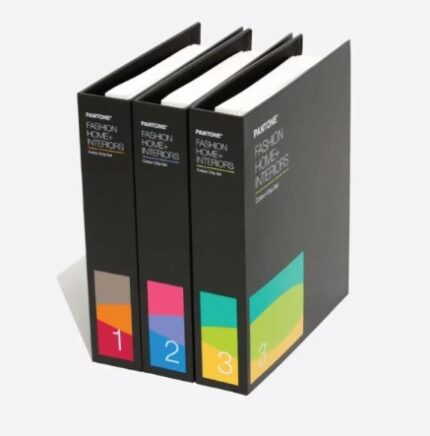
  A Pantone Book, commonly referred to as a Pantone Color Guide, is a professional color matching tool used across industries like graphic design, fashion, printing, packaging, and product manufacturing. It helps ensure consistent color communication from design to final production.   What It Does? - Displays standardized Pantone colors in fan-deck or chip book format. - Provides color codes, ink formulas, and finish types for accurate color replication.     Types of Pantone Books:
  1. Formula Guide (Solid Coated & Uncoated) – For spot color printing.
  2. Color Bridge – Shows Pantone spot colors alongside CMYK equivalents.
  3. Pantone Fashion, Home + Interiors (FHI) – For textiles, soft goods, and home decor.
  4. Pantone CMYK and Pastels & Neons Guides – For process printing and special effect colors.
  ⚙️ Features of Pantone Book: - Thousands of pre-defined colors. - Ink mixing formulas (for printers). - Available in coated, uncoated, and matte finishes. - Some include digital tools or access to Pantone Connect software.   ✅ Benefits of Pantone Book: - Ensures accurate color matching across designers, clients, and manufacturers. - Supports branding consistency across all printed and physical materials.   key benefits of using a Pantone Book: ✅ 1. Accurate Color Communication- Ensures consistent color matching between designers, printers, and manufacturers—globally. ✅ 2. Industry Standard- Trusted across printing, fashion, packaging, and branding for reliable color references.   ✅ 3. Saves Time and Reduces Errors - Eliminates guesswork in color approval, helping avoid costly reprints or corrections. ✅ 4. Versatile Applications - Supports multiple media types: print, fabric, plastics, digital design, etc. ✅ 5. Real-World Color View - Physical swatches show true ink or dye appearance, which digital screens can’t replicate accurately.   ✅ 6. Ink Mixing Formulas - Provides exact mixing guides for printers to replicate spot colors precisely. ✅ 7. Global Consistency - Helps maintain brand color consistency across international production sites.   key features of a Pantone Book: 1. Standardized Color System - Includes thousands of pre-defined Pantone Matching System (PMS) colors with unique codes. 2. Multiple Finish Types - Available in Coated (C), Uncoated (U), Matte (M) formats to match different printing surfaces.   3. Fan Deck or Chip Format - Comes in portable fan-deck or tear-away chip books for easy reference and sharing. 4. Ink Mixing Formulas - Provides precise ink formulas for each color, ideal for print production. 5. Specialized Editions - Guides tailored for graphic design, textiles (FHI), plastics, and digital design.   6. Cross-Media Consistency - Ensures uniform color across print, web, fabric, and packaging. 7. Digital Integration - Many books include access to Pantone Connect for digital workflow and color data sync.   Here’s a simple guide on how to use a Pantone Book effectively: ✅ 1. Choose the Right Pantone Book - Use Formula Guide for print. - Use FHI (Fashion, Home + Interiors) for textiles. - Use Color Bridge to compare spot colors with CMYK.   ✅ 2. Select the Color - Flip through the fan deck or chip book to find the desired color. - Note the Pantone code (e.g., Pantone 186 C for coated paper). ✅ 3. Communicate the Code - Share the Pantone number with printers, manufacturers, or team members to ensure consistent color use.   ✅ 4. Use the Right Finish - Make sure you're referencing coated, uncoated, or matte depending on your final material. ✅ 5. Compare to Printed Proofs - Use the physical Pantone swatch to check if print proofs or samples match. ✅ 6. Maintain Lighting Consistency - View colors under standard lighting (D50) for accurate color judgment.   ✅ 7. Store Properly - Keep the Pantone book in a cool, dry place and replace it every 12–18 months to avoid fading.   Pantone offers a diverse range of color guides tailored to various industries and applications. Here's an overview of the main Pantone book models:     Pantone Graphics & Print Guides  
  1. Formula Guide (Solid Coated & Uncoated)
- Features over 2,390 spot colors with corresponding ink formulations. - Essential for branding, packaging, and print design. - Provides accurate color matching for solid colors.  
  1. Color Bridge Guide (Coated & Uncoated)
- Displays side-by-side comparisons of Pantone spot colors and their closest CMYK equivalents. - Includes CMYK, RGB, and HEX values for digital and print consistency. - Ideal for projects requiring color translation across different media.  
  1. CMYK Guide (Coated & Uncoated)
- Contains a comprehensive range of CMYK colors. - Useful for four-color process printing without spot colors. - Helps in selecting colors achievable through standard CMYK printing.  
  1. Pastels & Neons Guide
- Offers a collection of soft pastel and vibrant neon colors. - Suitable for creative projects in fashion, print, and packaging. - Provides unique color options for special design applications.  
  1. Metallics Guide
- Features metallic spot colors for premium print finishes. Ideal for luxury packaging, branding, and high-end print materials. - Adds a sophisticated touch to printed designs.   Pantone Fashion, Home + Interiors (FHI) Guides
  1. FHI Color Guide (TPG – Paper)
- Contains a wide range of colors for non-fabric materials. - Used in product design, cosmetics, and interiors. - Provides color inspiration for various applications.  
  1. FHI Cotton Passport & Cotton Planner (TCX – Textile)
- Offers colors on cotton fabric swatches. - Essential for textile and apparel design. - Ensures accurate color communication in fabric production.  
  1. FHI Polyester Swatch Book
- Includes colors on polyester fabric. - Useful for sportswear, footwear, and synthetic textiles. - Provides color options specific to polyester materials.   Pantone Specialty Guides  
  1. Pantone SkinTone Guide
- Features a range of skin tone colors. - Used in cosmetics, healthcare, and product development. - Aids in creating products that match diverse skin tones.  
  1. Pantone Plastic Standard Chips
- Provides color references on plastic substrates. - Essential for industrial design, consumer electronics, and appliances. - Ensures color accuracy in plastic product manufacturing.   Pantone Bundles & Studio Sets   - Portable Guide Studio - A comprehensive set including multiple Pantone guides. - Designed for professionals needing a wide range of color references. - Convenient for on-the-go color selection and matching.   - Essentials Set - Combines key Pantone guides into one package. - Ideal for designers seeking a versatile color toolkit. - Offers a cost-effective solution for comprehensive color needs.   Each Pantone guide serves specific purposes across different industries. Selecting the appropriate guide depends on your project's requirements and the materials involved.
Pantone Book

Pantone Book

 
Add to cart
Quick view
HTHP Glycerin bath dyeing machine

HTHP Glycerin bath dyeing machine

Dyeing Lab Machine
$0.00
HTHP Glycerin Bath Dyeing Machine
HTHP Glycerin bath dyeing machine

HTHP dyeing machine

  The HTHP Glycerin Bath Dyeing Machine (High Temperature High Pressure) is a laboratory or small-scale dyeing machine designed to dye textile samples, especially synthetic fibers like polyester, under high temperature and pressure using glycerin as a heating medium instead of water. Key Features:
  1. High Temperature Capability - Operates up to 140°C or more, ideal for disperse dyeing of polyester which requires elevated temperatures.
  2. Glycerin as Heat Transfer Medium - Glycerin allows for precise and uniform heating beyond the boiling point of water, without pressure buildup as in steam-based systems.
  1. Small Sample Dyeing - Used for lab-scale dyeing of fabric or yarn samples (commonly 5–10 g per tube), useful in R&D or color matching.
  2. Multiple Sample Capacity - Usually has multiple dyeing tubes/chambers for simultaneous dyeing of several samples under identical conditions.
  1. Accurate Temperature and Time Control - Digital or microprocessor-based controllers regulate temperature, heating rate, and timing precisely.
  2. Uniform Dyeing - Ensures even dye penetration due to consistent heat distribution and controlled rotation or agitation.
  1. Energy Efficient Glycerin’s heat retention reduces energy consumption compared to steam systems.
  2. Compact and Durable Design - Bench-top design, made from stainless steel and heat-resistant components for long life and lab use.
Applications: - Disperse dyeing of polyester. - Color matching and development. - Small-batch dye recipe trials before production. Benefits of HTHP Glycerin Bath Dyeing Machine: High-Temperature Dyeing - Enables dyeing of synthetic fibers like polyester at temperatures above 100°C without requiring high-pressure steam systems.
  1. Uniform Heating with Glycerin - Glycerin provides consistent heat transfer, ensuring even dye uptake and minimizing shade variation.
  1. Energy Efficient- Glycerin retains heat longer, reducing energy consumption compared to traditional steam-based dyeing.
  2. Accurate Process Control - Precise temperature and time control enhance reproducibility and dyeing consistency.
  1. Ideal for Lab and Sample Work - Perfect for R&D, shade matching, and recipe development with small fabric or yarn samples.
  2. Multi-Sample Dyeing - Allows multiple samples to be dyed simultaneously under identical conditions, saving time and effort.
  3. Compact and Safe - Bench-top design fits in laboratories and is safer than high-pressure steam systems.
  1. Low Maintenance - Simplified operation and fewer mechanical parts compared to steam-based systems lower upkeep needs.
  2. Faster Dyeing Cycles- Glycerin heats and cools quickly, reducing overall dyeing time.
Features of HTHP Glycerin Bath Dyeing Machine:
  1. High-Temperature Operation - Capable of dyeing up to 140–150°C, suitable for synthetic fibers like polyester.
  2. Glycerin as Heat Medium - Uses glycerin for uniform, efficient heat transfer without generating high steam pressure.
  1. Multiple Dyeing Chambers - Usually equipped with 6–24 tubes for simultaneous multi-sample dyeing under identical conditions.
  2. Digital Temperature Controller- Offers precise control of temperature, time, and heating rate with programmable settings.
  1. Compact and Lab-Friendly Design - Bench-top model, easy to operate in laboratory environments with limited space.
  2. Stainless Steel Construction - Corrosion-resistant and durable for long-term, high-temperature operation.
  3. Safety Features - Includes over-temperature protection and thermal insulation to prevent heat loss and ensure operator safety.
  1. Agitation or Sample Rotation- Some models offer rotation or agitation for uniform dye penetration.
  2. Energy Efficient Heating - Glycerin’s heat retention improves energy efficiency over water- or steam-based systems.
  3. Low Maintenance - Simplified mechanical system reduces the need for frequent servicing.
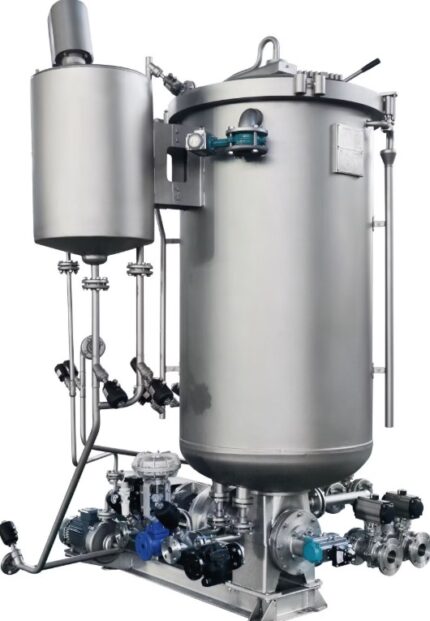
HTHP Glycerin Bath Dyeing Machine dealer In Bangladesh, Glycerin Bath Dyeing Machine Importer in Bangladesh, HTHP  Dyeing Machine in Bangladesh, HTHP Bath Dyeing Machine in Bd, HTHP Dyeing Machine In Uttara, Glycerin Bath Dyeing Machine Price in Bangladesh, HTHP Dyeing Machine Supplier in Bangladesh, Glycerin Bath Dyeing Machine in Bangladesh,   High temperature glycerin Bath Dyeing machine. Brad: DUNLIN Origin: China Application scope of high temperature glycerin machine: it is suitable for high temperature sample dyeing and washing fastness test of needle woven fabric, woven fabric, yarn, cotton, loose fiber and zipper. It is a high temperature dyeing sample machine specially designed for dyeing industry, chemical industry, raw material and cloth industry. It can accurately simulate the actual production conditions and achieve the required process effect. Parameter specification: Model: H-24P Number of test cups: 24*450ml Maximum dyeing temperature: 235 ℃ Bath ratio: 1:10~1:60 Heating power: 10800w Heating medium: Glycerin Motor power: 0.75w Rotor speed: 42 r/min
Add to cart
Quick view
Cone Yarn Dyeing Machine

Cone yarn Dyeing machine

Yarn Dyeing Machine & Equipment
$0.00

Cone Yarn Dyeing Machine

Cone Yarn Dyeing Machine

  A Cone Yarn Dyeing Machine is an industrial machine used for dyeing yarn wound on perforated cones. It allows dye liquor to flow through the yarn packages under pressure and temperature, ensuring deep and uniform color penetration. A Production Cone Yarn Dyeing Machine is a large-capacity, high-efficiency machine designed for dyeing yarns wound on cones in bulk. It's essential in commercial textile operations where consistent shade, penetration, and process repeatability are critical.     Purpose of Cone Yarn Dyeing Machine: To dye large batches of yarn cones efficiently and consistently.   Key Components: Dyeing Vessel:   - A vertical or horizontal pressure vessel made of stainless steel (SS 316/304), designed to withstand high pressure and temperature. Yarn Carrier (Spindles):   - Holds multiple cones arranged on perforated spindles allowing dye to pass through. Circulation Pump:  - Forces dye liquor through yarn in inward and/or outward flow for thorough penetration. Heat Exchanger: - Heats dye bath using steam or thermal fluid, with precise control.   Control System (PLC): - Fully automated for setting temperature profile, flow direction, timing, and rinsing cycles. Liquor Tanks & Valves: - For preparation, dosing, and circulation of dyes, chemicals, and water.   Working Cycle: Loading: Cones are placed on carriers and loaded into the machine. Liquor Preparation: Dye and auxiliaries mixed in a separate tank or directly. Dyeing: Liquor is circulated through cones under set temperature and pressure. Rinsing & Soaping: Post-dyeing cleaning and neutralization cycles. Cooling & Unloading: Bath cooled; cones unloaded for hydro extraction.   Production Capacity: Varies from 5 kg lab models to over 1000 kg per batch in industrial setups.   How to Use Production Cone Yarn Dyeing Machine: Preparation: - Inspect the machine for cleanliness and proper function. - Prepare dye liquor by mixing dyes and auxiliaries according to recipe. Loading Yarn: - Place yarn cones evenly on perforated spindles/carriers. - Load the carriers into the dyeing vessel securely.     Set Parameters: - Input dyeing parameters on the control panel (temperature, time, flow direction, pressure). Start Dyeing Cycle: - Begin liquor circulation and heating. - Monitor temperature and pressure for stability. Flow Control: - Switch between inward and outward liquor flow as programmed to ensure uniform dyeing. Rinsing & Soaping: - After dyeing, run rinse cycles to remove unfixed dye and chemicals.  - Soaping cycle if required for color fixation.   Cooling:  - Lower temperature gradually to avoid thermal shock. Unloading: - After the cycle completes, safely open the vessel.  - Remove dyed cones and transfer for hydro-extraction or drying. Cleaning: - Clean the vessel and filters for the next batch. Tips: Always check for uniform loading to avoid uneven dyeing.   Applications of Cone Yarn Dyeing Machine: Used in yarn dyeing mills for cotton, polyester, viscose, and blended yarns. Ideal for commercial-scale dyeing before weaving or knitting.   Working Principle: Yarn cones are stacked on spindles inside a dyeing vessel. Dye liquor is pumped through the cones (inward or outward flow). Temperature, pressure, and time are controlled digitally for accurate dyeing.   Benefits of Cone Yarn Dyeing Machine: Uniform Dye Penetration - Ensures even color across the entire yarn cone. High Productivity - Capable of dyeing multiple cones simultaneously. Efficient Dye Utilization - Recycles dye liquor to reduce waste and cost. Energy & Water Saving - Optimized cycles lower water, steam, and chemical usage. Consistent Quality - Controlled temperature and pressure ensure repeatable results. Suitable for Various Yarns - Handles cotton, polyester, viscose, acrylic, and blends.   Features of Cone Yarn Dyeing Machine: High-Pressure Dyeing Vessel - Made from stainless steel for durability and corrosion resistance. Inward/Outward Flow System - Alternating flow ensures full yarn coverage. Automatic Controls - PLC or digital panel for temperature, time, and pressure settings. Heat Recovery System (optional) - Saves energy by recycling heat from spent liquor.   Safety Mechanisms - Includes pressure relief valves and auto-locking lids. Multiple Carrier Sizes - Supports various bobbin sizes and production capacities. Follow safety procedures due to high pressure and temperature. Use proper protective equipment when handling chemicals.   Safety Tips for Production Cone Yarn Dyeing Machine: Always wear appropriate PPE (gloves, goggles, apron) when handling dyes and chemicals. Ensure the dyeing vessel lid is securely locked before starting the machine. Do not open the vessel while it is pressurized or hot. Follow emergency shutdown procedures if abnormal noise, leaks, or pressure occur. Keep the workspace clean and free of slip hazards from spilled liquids. Regularly inspect safety valves and pressure gauges for proper function. Train operators on emergency response and chemical handling protocols.   Maintenance Tips: Clean the dyeing vessel and filters after each batch to prevent residue build-up. Regularly check and lubricate moving parts like pumps and valves. Inspect seals and gaskets to avoid leaks under pressure. Calibrate temperature and pressure sensors periodically. Check electrical panels and control systems for damage or loose connections. Schedule preventive maintenance as recommended by the manufacturer.     Production Cone Yarn Dyeing Machine Safety Checklist ☐ Wear PPE (gloves, goggles, apron) during operation ☐ Ensure vessel lid is securely locked before starting ☐ Never open vessel when pressurized or hot ☐ Follow emergency shutdown procedures if issues arise ☐ Keep floor clean and dry around machine ☐ Regularly inspect safety valves and pressure gauges ☐ Train operators on emergency and chemical handling     Maintenance Checklist ☐ Clean vessel and filters after each batch ☐ Lubricate pumps, valves, and moving parts regularly ☐ Inspect seals and gaskets for wear or leaks ☐ Calibrate temperature an   TECHNICAL DATA OF THE MACHINE
  • Computer system: Foshan HuaGao Chinese English computer, equipped with LG PLC.
  • Electromagnetic valve: Ningbo Jiaerling
  • Frequency converter: Use Made in China frequency converters.
  • Pump: self-made high head and large flow centrifugal water pump.
  • Main pump motor: Anhui Wannan Motor.
 
  • Master cylinder liquid level: Use 4-20mA analog signal output.
  • Level of deputy temporary worker: use foam water level gauge. (American Mike)
  • Temperature detection and display: digital temperature display instrument, dual temperature measuring probes.
  • The safety system has a triple cylinder head safety interlock mechanism, and the main cylinder is equipped with a stainless
  • steel safety valve.
  • Heat exchanger: external spacer heating.
 
  • Feeding system: Quantitative feeding based on the process curve.
  • Circulation system: The main pump flows internally and externally, which is automatically controlled by a computer or manually controlled by a relay.
  • Valves: Y valves are used for heating, stainless steel Y valves are used for single inlet and single row, and other Y valves are produced by joint ventures.
  • Temperature control: on-off temperature control, controlled by a computer, with automatic heating, cooling, and insulation functions.
  • Dyeing method: air cushion type.
 
  • Opening method: manual opening.
  • Surface treatment: polishing inside and outside the cylinder.
  • Cage: Each dyeing machine is equipped with butterfly blades and self-locking locks.
  • Body plate: high-quality stainless steel. (S31603)
  • Bath ratio: 1:5-1:6
 
  • Chemical material system: including heating and water adding functions, including overflow type salt melting device.
  • Overflow cleaning: The cleaning port is installed on the upper part of the cylinder port, and the bottom of the cylinder is filled with water, while the cylinder is drained for easy cleaning.
  • Commutation method: Novel "U" type commutation.
  • Random accessories: Each model comes with one set of mechanical seals, pot mouth rings, and reversing seals for the main and auxiliary pumps.
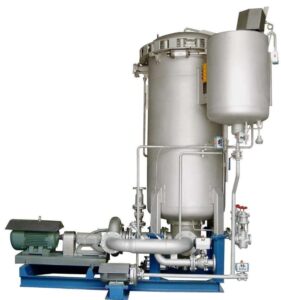
    Cone Yarn Dyeing Machine

    Cone Yarn Dyeing Machine

Add to cart
Quick view
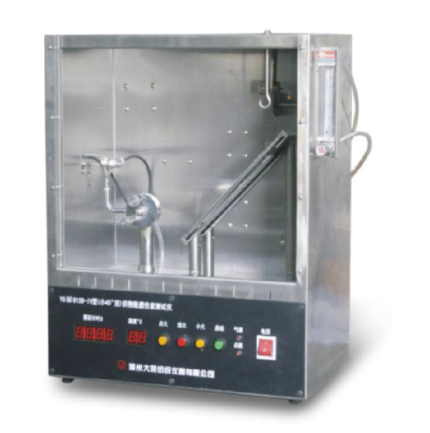
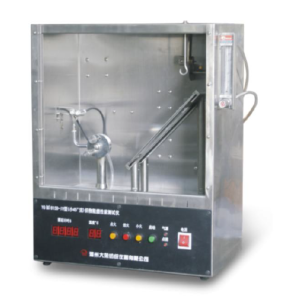
Fabric Flame Retardant Tester

Fabric flame retardant tester

Dyeing Lab Machine, Physical Testing & Fabric Testing
$0.00
Fabric Flame Retardant Tester

Fabric Flame Retardant Tester

  A Fabric Flame Retardant Tester is a specialized laboratory instrument designed to evaluate the flammability characteristics of textiles. It assesses how fabrics react to direct flame exposure, measuring parameters such as ignition time, flame spread rate, after-flame duration, and afterglow time. This testing is crucial for ensuring that textiles meet safety standards for various applications, including apparel, home furnishings, and industrial uses.   Purpose and Applications The primary purpose of a Fabric Flame Retardant Tester is to determine the flame resistance of textile materials. This is essential for:- Apparel Safety: Ensuring garments, especially children's sleepwear and industrial work wear, meet flammability standards. - Home Textiles: Testing curtains, drapes, upholstery, and bedding for fire safety compliance. - Technical Textiles: Evaluating materials used in tents, protective clothing, and automotive interiors.   ⚙️ Key Features Modern Fabric Flame Retardant Testers incorporate several features to ensure accurate and reliable testing:- Adjustable Burner Angles: Allowing tests at various orientations (e.g., 0°, 45°, 90°) to simulate different real-world scenarios. Automated Ignition Systems: Providing consistent flame application and reducing operator variability. - Digital Timing Mechanisms: Accurately recording ignition time, flame spread, after-flame, and afterglow durations.   - Transparent Observation Windows: Enabling safe monitoring of the test without exposure to hazards. - Compliance with International Standards: Meeting protocols such as ASTM D6413, ISO 6941, and EN ISO 15025 for standardized testing procedures.   Testing Standards Fabric Flame Retardant Testers are designed to comply with various international standards, including: - ASTM D6413: Standard Test Method for Flame Resistance of Textiles (Vertical Test). - ISO 6941: Textiles — burning behavior — Measurement of flame spread properties of vertically oriented specimens. - EN ISO 15025: Protective clothing — Protection against heat and flame — Method of test for limited flame spread.   ️ How It Works
  1. Sample Preparation: A fabric specimen is cut to specified dimensions and conditioned as per standard requirements.
  2. Mounting: The sample is mounted vertically or at a specified angle in the testing chamber.
  3. Ignition: A controlled flame is applied to the fabric for a predetermined time.
  4. Observation: The tester records ignition time, flame spread, after-flame time, and afterglow time.
  5. Evaluation: Results are compared against standard criteria to determine compliance.
    ✅ Benefits - Safety Assurance: Ensures textiles meet fire safety regulations, reducing risk in end-use applications. - Quality Control: Identifies flammability issues during the manufacturing process. - Regulatory Compliance: Helps manufacturers meet legal requirements for flammability. - Product Development: Assists in developing flame-retardant materials for specialized applications.   For more detailed information on specific models and their features, you can refer to manufacturers like SDL Atlas's Auto Flam Flammability Tester [1], TESTEX's Vertical Flammability Chamber TF312   How to Use a Fabric Flame Retardant Tester (Vertical Flammability Test Method):
  1. Prepare the Sample
- Cut the fabric to standard dimensions (usually 300 × 75 mm). - Condition the fabric for 24 hours at 21°C and 65% relative humidity.  
  1. Mount the Sample
- Place the fabric vertically in the frame inside the test chamber. - Ensure it's held securely with no folds or slack.  
  1. Set Up the Burner Position the burner at the required angle (usually 90° for vertical tests).
- Adjust flame size according to the standard (about 38 mm for ASTM D6413).
  1. Ignite the Flame - Apply the flame to the bottom edge of the fabric for 12 seconds.
 
  1. Observe and Measure - Start timing when flame is applied.
- Measure: - After-flame time (how long it burns after flame removal) - After-glow time (how long it glows after burning stops) - Char length (distance burned vertically)  
  1. Record the Results
- Repeat the test on multiple samples (usually 5) and calculate averages.  
  1. Compare with Standards
- Evaluate whether the results meet the required flame resistance limits.     fabric flame retardant tester IV type (small 450 method) Scope of application It is used for testing the intensity and speed of burning of flammable textile materials after ignition. (specific ignition nozzles and sample holders can be customized to meet multiple criteria). Related standards GB/T14644 ASTM D1230 CFR1610 etc. Technical parameters 1. The spread of time:0 ~ 999.9S resolution 0.1S 2. The temperature inside the box shows:Room temperature -99 degrees C resolution 1 c 3. Igniting time:1S 4. Type of igniter:4 1/2 syringe 5. Sample clip size:Outer frame:204mm * 78mm inner frame:152mm×38mm 6. Distance from the top of the igniter to the sample surface:8mm 7. Studio size and outline size Studio size:370mm×220mm×350mm Outline size:375mm×245mm×478mm 8. Power supply:AC220V 50Hz 20W 9. Weight:18Kg  
Add to cart
Quick view
  • Address
    • House 05, Road 3/A, Sector 09, Uttara, Dhaka.
  • Phone
    • 01713741546, 01974741546, 01714634452, 01838488804
  • Email
    • maamtexbd@gmail.com, info.maamtex@gmail.com, mamun@maamtexbd.com, info@maamtexbd.com
  • USEFUL LINKS
    • Privacy Policy
    • Terms & Conditions
  • USEFUL LINKS
    • Home
    • Contact Us
    • About Us

SOCIAL MEDIA:

Copyright Reserved by Maamtexbd 2024 | Developed by Systemeye.net.
  • Menu
  • Categories
  • Electronics
  • Lab Scientific Item
  • Home
  • Shop
  • Portfolio
  • About us
  • Contact us
Shopping cart
Close
Accessibility Adjustments

Powered by OneTap

How long do you want to hide the toolbar?
Hide Toolbar Duration
Select your accessibility profile
Vision Impaired Mode
Enhances website's visuals
Seizure Safe Profile
Clear flashes & reduces color
ADHD Friendly Mode
Focused browsing, distraction-free
Blindness Mode
Reduces distractions, improves focus
Epilepsy Safe Mode
Dims colors and stops blinking
Content Modules
Font Size

Default

Line Height

Default

Color Modules
Orientation Modules
Chat Now