 Products
 Martindale abrasion tester Updated





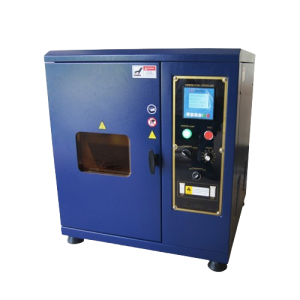
IR Dyeing Machine Dunlin
$0.00
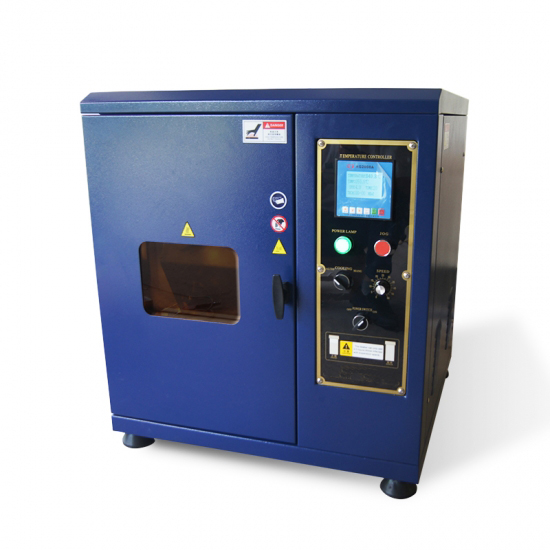
IR Dyeing Machine Dunlin
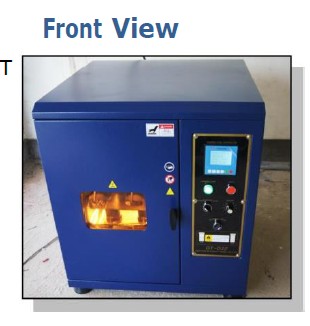
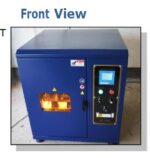
IR Dyeing machine Dunlin is Safe, high efficiency, environment friendly, energy saving, optimum for new dyeing small sample machines

24 pot 300 ml
Application
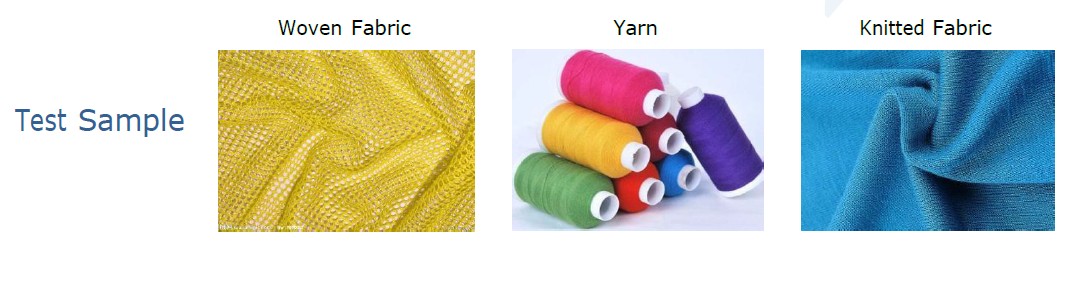
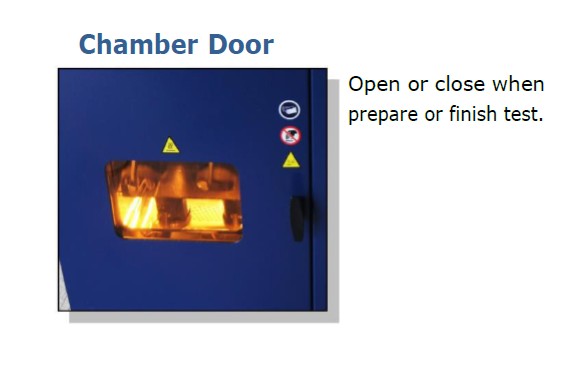
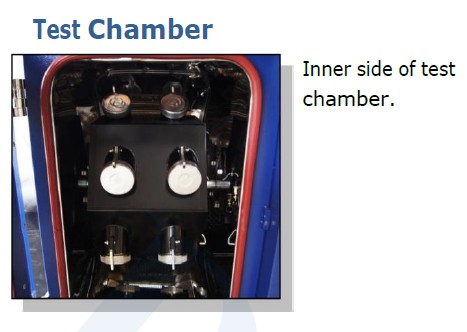
This machine is oil bath type infrared laboratory dyeing machine, it combine the advantages of traditional glycerol dyeing machine with common infrared dyeing machine together. It’s apply to dyeing and testing the color fastness of the knitted
fabric, woven fabric, yarn, cotton, loose fiber, zipper etc. It was special design for dyeing industry, chemical industry, raw material, cloth which can simulate the production conditions exactly and reach the process effect. Used for simulate the dyeing process in actual production, even apply for the small-batch production.
Characteristics
Safety, high efficiency, environmental protection, energy saving and consumption reduction, which can fully meet the requirements of dyeing and color matching experiments; segmented heating sampling experiments, segmented, uniform
dyeing and Permeability test, dye absorption rate tests of pH, temperature and bath ratio differences, concentration and other tests, etc. In addition, the machine is highly personalized, and can make different specifications of dyeing steel
cups according to customer needs.
Feature
Easy to operate, dye pot can be individually Turn plate removed to save waiting time. The ability to conduct the tests of various dyes and chemicals on dispersing, leveling, liquor ratio exhausting etc. l Special recommendation for “STEP DYEING “to select the best dyestuff and combinations for the most
Suitable dyeing curve to achieve the highest efficiency and quality Different sizes of dye pots for various weight of samples with yarn or fabric holders to ensure the good leveling result .There will be no crease mark. Suitable for low liquor ratio dyeing. Sample weight from 4g to 20g.
Special design for humanity, durability and easy-maintenance. Safe, high efficiency, environment friendly, energy saving, optimum for new dyeing small sample machines Product Parameter of IR Dyeing machine Dunlin
specifically designed with a focus on human usability, durability, and ease of maintenance. It prioritizes safety, high efficiency, and environmental friendliness while also being energy-saving. This machine is optimal for new dyeing small sample machines due to its product parameter advantages.
specifically designed to prioritize humanity, durability, and ease of maintenance. It offers a safe, high-efficiency operation while being environmentally friendly and energy-saving. This machine is optimal for new dyeing small sample machines due to its specialized features and product parameters.
Model : IF-24S
Infrared Laboratory Dyeing Machine
Key Specification
Model : IF-12S
IF-24S Staining cup number
12/24 Staining cup volume
300cc OR 425cc Control mode
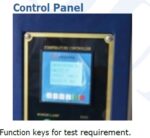
LCD Microprocessor type,
programmable process number: 100(0—99),
100 programmable steps per process Heat method
Infrared heat Temperature range
RT – 140 ℃ Temperature control accuracy
±0.2 ℃ Heating rate
0 – 3.5 ℃ / min Cooling rate
0.2 – 5 ℃ / min Cooling method
Air-cooled Rotation speed
0 – 60 rpm Liquor ratio
1:5 -1:100 Power supply
1∮AC 220V 50/60HZ Dimensions( L x W x H)
670×670×780mm
860×680×780mm Weight
100kg
120kg
Standard Accessories
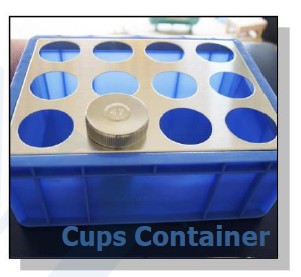
Cups 1set
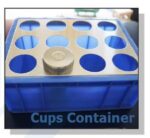
Put the test sample. Cups stand 1set
Place where to put cups. Protective glove 1set
To avoid to be hurt by HT cups.
Model: IF-24SCapacity: 24 pots
Brad: DUNLIN
Origin: China
Color dyeing tests for various dyestuffs of IR Dyeing machine Dunlin
- Step dyeing tests. C. Dispersing, levelling and impregnating test. D. High or low liquor ratio exhausting tests. E. Fabric steak and staining tests. F. Concentration tests and others. Protection and Safety gates to protect. Temperature control accuracy +/- 0.2degree
Working temperature of IR Dyeing machine Dunlin 20 – 140 degree Heating rate of dye bath 0 – 3.5degree / min Cooling rate 0.2 – 5 degree / min Cooling method air-cooled / Auto Speed control frequency conversion Rotation speed 0 – 60 turn / min Microprocessor type Newhaven controller 99 programs each Program with 99steps.

IR Dyeing machine
Shipping & Delivery
Related products

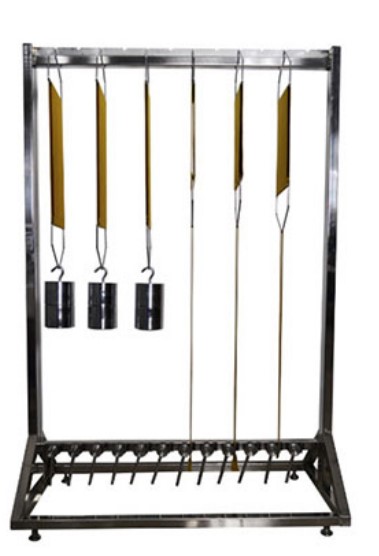
Stretch Recovery Tester Static Method
Stretch Recovery Tester – Static Method | ASTM D3107 / D2594 | Ready Stock Bangladesh
Product Introduction
The Stretch Recovery Tester – Static Method is a professional textile laboratory testing instrument designed to evaluate the stretch and recovery properties of elastic fabrics, knitted fabrics, stretch garments, ribbons and other extensible textile materials. The tester is suitable for Textile Testing Laboratories, Garment Factories, Fabric Manufacturers, QA/QC Departments, R&D Laboratories and Academic Textile Laboratories. ASTM D3107 / ASTM D2594 | Ready Stock in Bangladesh | Quick Delivery | Local SupportWhy Choose This Stretch Recovery Tester?
- Ready Stock in Bangladesh
- Suitable for textile and garment testing laboratories
- Designed for stretch and recovery evaluation
- Suitable for elastic and stretchable textile materials
- Applicable to relevant ASTM testing methods
- Easy laboratory operation
- Compact and practical testing equipment
- Competitive price in Bangladesh
- Quick local delivery
- Local sales and technical support from MAAM TEX
Testing Standards
The Stretch Recovery Tester is suitable for testing requirements related to:- ASTM D3107 – Stretch Properties of Fabrics
- ASTM D2594 – Stretch Properties of Knitted Fabrics
Scope of Application
This equipment can be used for testing:- Stretch Fabrics
- Knitted Fabrics
- Elastic Fabrics
- Stretch Garments
- Sportswear Fabrics
- Elastic Ribbons
- Hosiery Materials
- Textile Materials with Stretch Properties
Suitable For
- Textile Testing Laboratories
- Garment Manufacturing Industries
- Knitwear Factories
- Fabric Mills
- Sportswear Manufacturers
- Elastic Fabric Manufacturers
- Quality Control Laboratories
- R&D Laboratories
- Third-Party Testing Laboratories
- Textile Universities & Institutes
Key Advantages
Ready Stock in Bangladesh
No need to wait for overseas import. This product is available from MAAM TEX stock in Bangladesh, subject to current stock availability.Quick Delivery
Local stock enables faster delivery compared with normal import-based supply.Competitive Price
MAAM TEX provides competitive quotations for textile laboratory testing equipment.Local Support
Professional sales and after-sales support are available for customers in Bangladesh.Laboratory Suitable
A practical solution for routine quality control, product development and textile testing applications.Frequently Asked Questions
What is a Stretch Recovery Tester?
A Stretch Recovery Tester is a textile laboratory instrument used to evaluate the ability of a fabric or elastic textile material to stretch and recover after the application and removal of a specified load or extension.What standards are applicable?
The equipment is intended for testing requirements associated with ASTM D3107 and ASTM D2594, depending on the material and test method.Who needs a Stretch Recovery Tester?
Textile mills, garment factories, knitwear manufacturers, fabric manufacturers, QA/QC laboratories, R&D departments and textile testing laboratories can use this equipment.Is this machine available in Bangladesh?
Yes. MAAM TEX offers this Stretch Recovery Tester from stock in Bangladesh, subject to current availability.Can I get a quotation?
Yes. Contact MAAM TEX for the latest price, stock confirmation, delivery information and quotation.Ready Stock – Bangladesh
No Need to Wait for Import
Stretch Recovery Tester – Static Method Ready Stock | Competitive Price | Quick Delivery | Local Support For current stock status and quotation, please contact MAAM TEX.Call to Action
Looking for a Stretch Recovery Tester in Bangladesh? Get the Stretch Recovery Tester – Static Method from MAAM TEX with ready-stock availability, competitive pricing and local support. Contact MAAM TEX today for Price & Stock Confirmation.Stretch Recovery Tester Static Method
Stretch Recovery Tester
- A sample is stretched to a predetermined extension or force.
- The stretch is maintained for a set period.
- After removing the load, the recovery (return to original length) is measured after a fixed time.
- The fabric sample is clamped and stretched to a specific length or force.
- It’s held for a fixed duration (e.g., 1–5 minutes).
- The tension is released, and the sample is allowed to recover.
- The recovered length is measured after a set time.


Stretch Recovery Tester

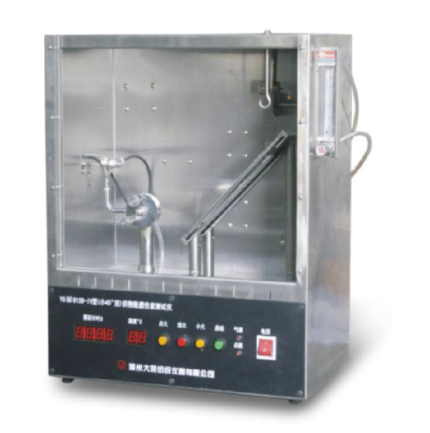
Fabric flame retardant tester
Fabric Flame Retardant Tester
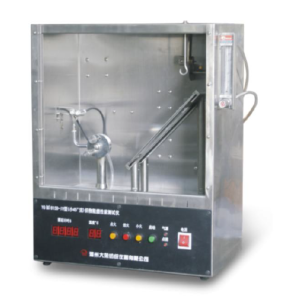
Fabric Flame Retardant Tester
- Sample Preparation: A fabric specimen is cut to specified dimensions and conditioned as per standard requirements.
- Mounting: The sample is mounted vertically or at a specified angle in the testing chamber.
- Ignition: A controlled flame is applied to the fabric for a predetermined time.
- Observation: The tester records ignition time, flame spread, after-flame time, and afterglow time.
- Evaluation: Results are compared against standard criteria to determine compliance.
- Prepare the Sample
- Mount the Sample
- Set Up the Burner Position the burner at the required angle (usually 90° for vertical tests).
- Ignite the Flame - Apply the flame to the bottom edge of the fabric for 12 seconds.
- Observe and Measure - Start timing when flame is applied.
- Record the Results
- Compare with Standards
 burning of flammable textile materials after ignition.
(specific ignition nozzles and sample holders can be customized to meet multiple criteria).
Related standards
GB/T14644 ASTM D1230 CFR1610 etc.
Technical parameters
1. The spread of time:0 ~ 999.9S resolution 0.1S
2. The temperature inside the box shows:Room temperature -99 degrees C resolution 1 c
3. Igniting time:1S
4. Type of igniter:4 1/2 syringe
5. Sample clip size:Outer frame:204mm * 78mm inner frame:152mm×38mm
6. Distance from the top of the igniter to the sample surface:8mm
7. Studio size and outline size
Studio size:370mm×220mm×350mm
Outline size:375mm×245mm×478mm
8. Power supply:AC220V 50Hz 20W
9. Weight:18Kg
burning of flammable textile materials after ignition.
(specific ignition nozzles and sample holders can be customized to meet multiple criteria).
Related standards
GB/T14644 ASTM D1230 CFR1610 etc.
Technical parameters
1. The spread of time:0 ~ 999.9S resolution 0.1S
2. The temperature inside the box shows:Room temperature -99 degrees C resolution 1 c
3. Igniting time:1S
4. Type of igniter:4 1/2 syringe
5. Sample clip size:Outer frame:204mm * 78mm inner frame:152mm×38mm
6. Distance from the top of the igniter to the sample surface:8mm
7. Studio size and outline size
Studio size:370mm×220mm×350mm
Outline size:375mm×245mm×478mm
8. Power supply:AC220V 50Hz 20W
9. Weight:18Kg
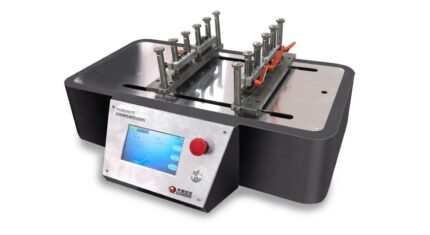
Fatigue tester for Elastic fabric
Fatigue Tester for Elastic Fabric
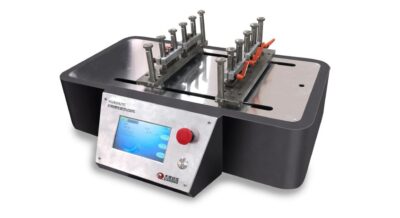
Fatigue tester for Elastic fabric
- Adjustable Stretch Range - Allows setting stretch levels (e.g., 0–100%) to simulate real-life fabric use.
- High-Cycle Capability - Supports up to millions of stretch-relax cycles for long-term fatigue analysis.
- Touch Screen Control - 7-inch color display for easy setup, monitoring, and data entry.
- Servo Motor Driven - Ensures precise and smooth linear motion during testing.
- Customizable Speed - Adjustable test speed (e.g., up to 40 cycles per minute) based on test requirements.
- Multi-Sample Testing - Some models allow testing multiple specimens simultaneously.
- Cycle Counter with Alarm - Built-in counter with programmable stop after preset cycles and auto-alert feature.
- Durable Construction - Robust metal frame suitable for continuous testing in lab environments.
- Standard Compliance - Designed to follow standards like GB/T 37635 for elastic fabric testing.
- Prepare the Sample
- Mount the Sample - Secure both ends of the fabric in the upper and lower clamps.
- Set Test Parameters
- Start the Test - Press start on the touch screen interface. - The machine will cyclically stretch and release the sample.
- Monitor Progress - Observe operation or let it run automatically.
- Remove and inspect - Take out the fabric and measure elongation, recovery, or visual defects.
- Record and Compare Results - Compare with initial measurements or standard performance criteria.
Fatigue tester for Elastic fabric

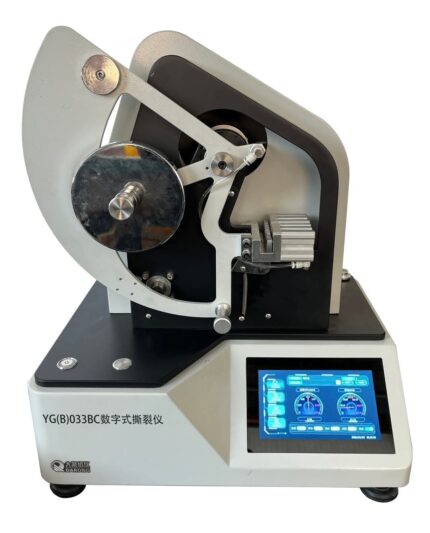
Digital Elmendorf tearing tester
Digital Elmendorf Tearing Tester
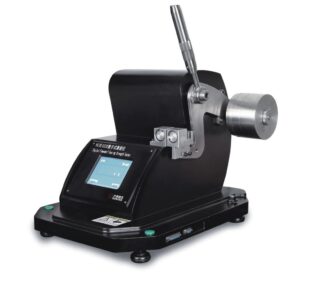
Digital Elmendorf Tearing Tester
- Accurate Tear Strength Measurement - Provides precise data on tear resistance, critical for quality control and product performance.
- Digital Readout - Easy-to-read display gives instant, reliable results without manual calculations.
- High Reproducibility - Ensures consistent test outcomes due to controlled tearing angle and speed.
- Fast Testing Process - Simple loading and quick test cycle increase lab efficiency.
- Suitable for Various Materials - Tests a wide range of flexible materials like textiles, paper, plastic, and packaging.
- Customizable Range - Use of optional weights extends the test range for low to high tear strength materials.
- Low Sample Waste - Requires small fabric or material samples, reducing waste during testing.
- Standards Compliance - Meets international testing standards (e.g., ASTM D1424, ISO 13937) for credibility and uniformity.
- Precision Sample Clamp - Securely holds samples in place to ensure accurate tear initiation.
- Pre-Cutting Blade - Integrated knife creates a precise initial slit in the sample before tearing.
- User-Friendly Interface - Simple buttons and screen navigation for ease of operation.
- Standard Test Compliance - Compatible with ASTM D1424, ISO 1974, ISO 13937, and other tear strength standards.
- Sturdy Construction - Made with durable materials for long-lasting performance and stable operation.
- Compact Design - Space-efficient footprint ideal for laboratory environments.
- Data Output Options- Some models offer USB or printer connectivity for result documentation.
- Prepare the Sample - Cut the material (fabric, paper, film, etc.) to standard size (typically 100 × 63 mm for textiles) and slit it with the pre-cutter as required.
- Select Pendulum Weight - Choose the appropriate pendulum or add counterweights based on expected tear strength.
- Calibrate the Machine - Set the pendulum to its starting position and zero the display.
- Clamp the Sample - Fix one half of the sample in the stationary clamp and the other in the moving clamp.
- Cut the Initial Slit - Use the integrated blade to make a precise cut at the marked slit area (usually 20 mm).
- Release the Pendulum - Trigger the pendulum to swing and tear the sample through the pre-slit.
- Read the Result - The digital display will show the tearing force automatically (in g, mN, or cN).
- Record or Export Data - Save or print the result if your model supports USB or printer connection.
- Reset for Next Test - Reposition the pendulum and prepare a new sample for the next cycle.
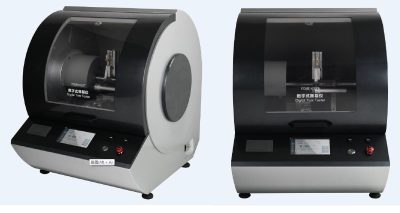 Scope of application
It is used for the determination of the tear resistance of various woven
fabrics (Elmendorf method), and it can also be used for the determination
of the tear resistance of thick paper, plastic sheeting, electrical tape, etc.
Related standards
GB/T 3917.1 FZ/T60006 FZ/T75001 ISO1974/9290 ASTM D1424/5734
etc.
Instrument characteristics
1. Maximum 300N test range
2. Microcomputer control, digital decoding, support online
communication
3. Color touch screen control, Chinese and English menu operation
interface
4. Pneumatic clamping, automatic cutting
5. A variety of measurement units (cN, gf) selection
6. Fully automatic operation with safe operation protection.
7. Automatically increase potential energy
[Technical parameter]:
1. Test range: first gear: (0~16)N second gear: (0~32)N third gear: (0~
64)N fourth gear: (0~128)N fifth gear: (0~300)N
2. Test accuracy: ≤±0.2%F·S
3. Tearing length: 43mm (non-standard 30-60mm can be set)
4. Automatic incision length: (20±0.2)mm
5. Sample size: (100×63)mm
6. Specimen clamping: pneumatic way
7. Sample test: Up to 10 sets per group on the device side, and 30 sets
of data can be selected to be saved
8. Power supply: AC220V±10% 50Hz 100W
9. Dimensions: (650×660×680)mm
10. Weight: 50kg
[Sample of control interface]:(English version is also available.)
Scope of application
It is used for the determination of the tear resistance of various woven
fabrics (Elmendorf method), and it can also be used for the determination
of the tear resistance of thick paper, plastic sheeting, electrical tape, etc.
Related standards
GB/T 3917.1 FZ/T60006 FZ/T75001 ISO1974/9290 ASTM D1424/5734
etc.
Instrument characteristics
1. Maximum 300N test range
2. Microcomputer control, digital decoding, support online
communication
3. Color touch screen control, Chinese and English menu operation
interface
4. Pneumatic clamping, automatic cutting
5. A variety of measurement units (cN, gf) selection
6. Fully automatic operation with safe operation protection.
7. Automatically increase potential energy
[Technical parameter]:
1. Test range: first gear: (0~16)N second gear: (0~32)N third gear: (0~
64)N fourth gear: (0~128)N fifth gear: (0~300)N
2. Test accuracy: ≤±0.2%F·S
3. Tearing length: 43mm (non-standard 30-60mm can be set)
4. Automatic incision length: (20±0.2)mm
5. Sample size: (100×63)mm
6. Specimen clamping: pneumatic way
7. Sample test: Up to 10 sets per group on the device side, and 30 sets
of data can be selected to be saved
8. Power supply: AC220V±10% 50Hz 100W
9. Dimensions: (650×660×680)mm
10. Weight: 50kg
[Sample of control interface]:(English version is also available.) 
Steam Soaping machine
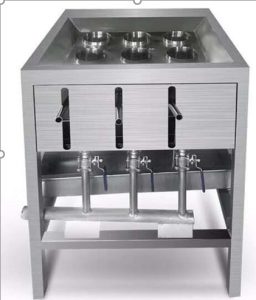
Steam Soaping Machine
Steam Soaping Machine
A Steam Soaping Machine is a specialized laboratory apparatus used in textile dyeing processes, particularly for post-dyeing treatments like soaping, which enhances color fastness and removes unfixed dyes from fabric samples. This machine is designed to perform soaping treatments on dyed textile samples using steam. Soaping is a critical step in dyeing, especially for reactive dyes, as it removes unfixed dye particles, ensuring better color fastness and preventing dye bleeding. The steam soaping process involves treating the dyed fabric with a soaping solution at elevated temperatures, facilitated by steam, to achieve optimal results. ⚙️ Key Features of Steam Soaping Machine - Beaker Material: Constructed with high-grade 316L stainless steel for excellent corrosion resistance and durability.- Operation Modes: Offers both automatic control and manual water filling options, providing flexibility in operation. - Drainage System: Equipped with an automatic drainage device for efficient removal of used solutions.- Temperature Control: Precise temperature regulation to maintain optimal soaping conditions.- Compact Design: Suitable for laboratory settings, occupying minimal space while delivering effective performance. ✅ Benefits of Steam Soaping Machine - Enhanced Color Fastness: Effectively removes unfixed dyes, resulting in improved wash and rub fastness of the fabric.- Efficient Processing: Reduces the time required for post-dyeing treatments compared to conventional methods.- Consistent Results: Provides uniform treatment across samples, ensuring reproducibility in testing and quality control.- Resource Optimization: Minimizes water and chemical usage through controlled processing parameters.- Versatility: Applicable to various fabric types and dye classes, making it a valuable tool in research and development. Typical Applications - Laboratory Testing: Used in dyeing laboratories for evaluating the fastness properties of dyed samples. - Research and Development: Assists in developing and optimizing dyeing processes and formulations. - Quality Control: Ensures that dyed fabrics meet specified fastness standards before bulk production. In summary, a Steam Soaping Machine is an essential laboratory instrument in the textile industry, facilitating efficient and effective post-dyeing treatments to enhance the quality and durability of dyed fabrics. Features of Steam Soaping Machine:- High-Grade Stainless Steel Beakers - Made from 316L stainless steel for excellent chemical and heat resistance.
- Steam-Based Heating - Uses direct or indirect steam to maintain consistent high temperatures ideal for soaping.
- Precise Temperature Control - Maintains stable temperatures (typically up to 98–100°C) for effective removal of unfixed dyes.
- Automatic and Manual Modes - Offers both programmable automatic cycles and manual operation for flexibility.
- Beaker Agitation or Rotation - Ensures uniform soaping action across fabric surfaces.
- Automatic Drainage System - Efficiently removes used soaping solution to speed up cycle changeovers.
- Compact Design - Fits well in lab settings while allowing multiple samples to be processed simultaneously.
- Safety Features - Includes pressure and temperature protection systems to ensure safe operation.
- Low Water and Chemical Use - Designed for minimal liquor ratios, enhancing sustainability.
- User-Friendly Interface - Simple digital controls or touch panel for easy operation and cycle programming.
- Prepare the Dyed Sample - After dyeing, rinse the fabric to remove surface dye and prepare it for soaping.
- Load the Fabric - Place the dyed fabric or sample into the beakers or holders inside the machine.
- Add Soaping Solution - Pour the prepared soaping agent (usually a detergent solution) into the beakers or tank as per recipe.
- Set Parameters
- Start the Cycle - Begin the soaping process. The machine will heat the solution using steam and agitate/rotate the beakers for even treatment.
- Drain and Rinse - After the cycle ends, the machine may auto-drain. Rinse the fabric with warm water to remove residual chemicals.
- Unload the Samples - Carefully remove the fabric. Inspect for evenness and color fastness improvement.
- Clean the Machine - Rinse and dry the beakers or tank to maintain hygiene for the next use.
 used for sample soaping after dyeing in laboratory
Beaker material: 316L S/S
automatic control / manual filling water device, with automatic drainage device.
Steam Soaping machine Dunlin price in Bangladesh
Steam Soaping machine Dunlin in textile testing equipment
Textile testing equipment in Bangladesh
Textile testing equipment in Dhaka
Textile testing equipment in Uttara
MAAM tex Steam Soaping machine Dunlin price in Bangladesh
used for sample soaping after dyeing in laboratory
Beaker material: 316L S/S
automatic control / manual filling water device, with automatic drainage device.
Steam Soaping machine Dunlin price in Bangladesh
Steam Soaping machine Dunlin in textile testing equipment
Textile testing equipment in Bangladesh
Textile testing equipment in Dhaka
Textile testing equipment in Uttara
MAAM tex Steam Soaping machine Dunlin price in Bangladesh 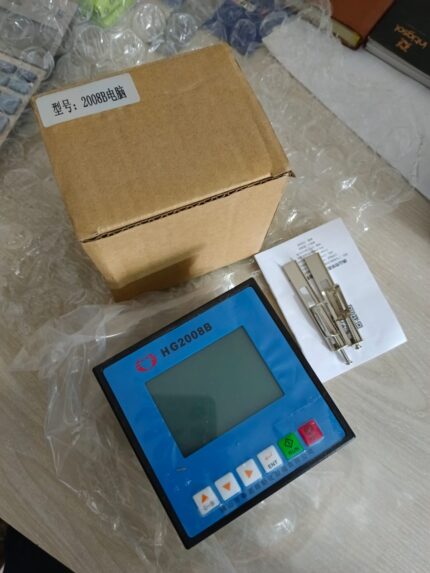

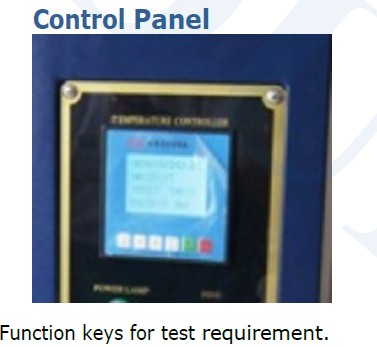
Controller For IR Dyeing Machine
Controller For IR Dyeing Machine
IR Dyeing machine controller
- Temperature Control:- Precisely regulates the infrared heaters to maintain uniform temperature across the dye bath. - Supports customizable heating curves (ramp-up, hold, and cool-down phases).
- Programmable Logic Control (PLC): - Allows operators to set and automate dyeing programs for different fabrics and dye types. - Supports multiple recipes or programs for different batches.
- Real-Time Monitoring and Feedback: - Monitors parameters like temperature, fabric rotation, bath circulation, and timing. - Provides real-time data and alarms for deviations.
- Touchscreen Interface / HMI (Human Machine Interface): - User-friendly interface for configuring and monitoring processes. - Multi-language support and graphical display of process curves.
- Data Logging and Traceability: - Records process data for quality control and traceability.
- Energy Efficiency Optimization: - Manages IR heater output to reduce energy usage. - Often includes features for auto shut-off or idle mode.
- Safety Features: - Includes emergency stop, over-temperature protection, and fault detection systems. 8. Connectivity: - Modern controllers may support Ethernet, Modbus, or other industrial communication protocols for integration into factory automation systems.
- Improved Dyeing Accuracy and Consistency
- Enhanced Energy Efficiency- Infrared heating is more energy-efficient than traditional heating methods.- The controller optimizes energy use by adjusting the IR output based on process needs, reducing overall energy consumption.
- Time Savings- Faster heating and cooling cycles due to infrared technology.- Automated processes reduce manual intervention and cycle times. 4. Better Process Control- Programmable dyeing cycles and precise control over each stage (heating, dyeing, rinsing, cooling).- Real-time monitoring and adjustments improve reliability.
- Reduced Water and Chemical Usage- More efficient dye penetration and fixation mean less water and fewer chemicals are needed for reprocessing or corrections.6. Lower Operational Costs
- Enhanced Safety Built-in alarms, emergency shut-off and automatic fault detection enhance operational safety.8. Data Logging and Traceability- Ability to record and review dyeing process data helps in quality control and troubleshooting.- Facilitates compliance with industry standards and audits.
- User-Friendly Operation- Modern touchscreen interfaces make it easier for operators to manage and monitor processes.- Multilingual support and visual feedback enhance usability.
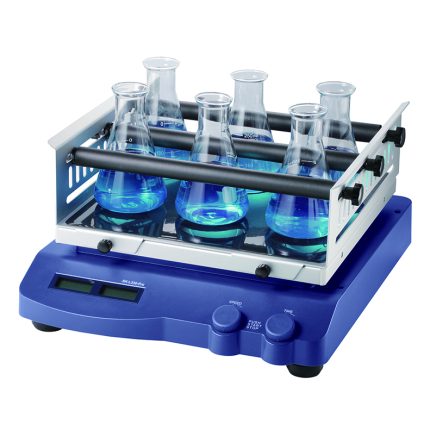
Orbital Shaker Machine
Orbital Shaker Machine
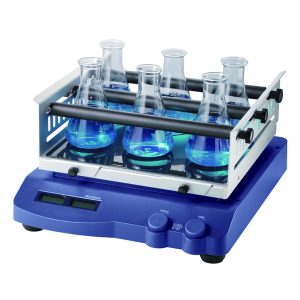
Orbital Shaker Machine
- Orbital Motion - Provides a smooth circular shaking pattern, ideal for gentle mixing without foaming or splashing.
- Adjustable Speed Control - Speed typically ranges from 50 to 300 RPM, depending on the model and application.
- Timer Function - Allows users to set shaking time from minutes to hours for precise control of experiments.
- Platform with Clamps or Mats - Holds flasks, beakers, test tubes, or trays securely during operation.
- Digital Display (in advanced models) - Shows speed and time settings for accurate and repeatable performance.
- Variable Capacity - Available in sizes to accommodate different lab needs—from a few samples to dozens.
- Quiet Operation - Designed for minimal vibration and noise during continuous use.
- Uniform Mixing - Ensures even distribution of dyes, chemicals, or cultures without manual stirring.
- Gentle Agitation - Ideal for delicate samples like cell cultures or fabric swatches, reducing damage or splashing.
- Hands-Free Operation - Allows continuous, unattended mixing—improving lab efficiency and freeing up personnel.
- Customizable Settings - Adjustable speed and timer let users tailor mixing to specific sample types and needs.
- Versatile Use - Suitable for a wide range of applications including dye mixing, sample incubation, chemical reaction enhancement, and microbial growth.
- Enhanced Reproducibility - Consistent shaking patterns and digital controls ensure repeatable results across experiments.
- Reduces Human Error - Automated operation minimizes variability and manual handling mistakes.
- Compact and Lab-Friendly - Takes up minimal space while accommodating multiple sample containers.
- Orbital Shaking Motion - Moves samples in a circular path for uniform and consistent mixing.
- Variable Speed Control - Adjustable shaking speed (typically 50–300 RPM) to suit different sample types.
- Digital Timer - Programmable run time for precise and repeatable operations.
- Flat Platform Design - Accommodates flasks, beakers, tubes, or trays with optional clamps or non-slip mats.
- LCD or LED Display (in advanced models) - Shows speed, time, and operating status clearly.
- Quiet Operation - Low-noise motor and stable base minimize vibration and disturbance in the lab.
- Overload Protection - Prevents motor damage from excessive weight or resistance.
- Compact and Durable Build - Designed to fit standard lab benches and withstand regular use.
- Versatile Capacity Options - Available in various sizes to handle different numbers and sizes of containers. User-Friendly Interface - Simple control panel for easy setup and operation.
 Brand: Dunlin
Origin: Korea.
Maximum. load capacity (with platform) is 7.5kg
Support orbital and linear shaking
Fashion design of high strength tempered glass on the front panel
LED display for easy-reading of speed and time simultaneously
Digital speed control system and micro-computer control make stable running and prevent sample splashing.
Brushless DC motor is maintenance-free and provides long service life
Over-load and over-speed detection and protection
Supports both orbital shaking and linear shaking and easy to switch the shaking mode
Continuous operation and timed operation in range of 0-99h59min are available
Automatic alarm by time controller allows for unsupervised operation
A wide choice of platforms for various applications
Orbital Shaker Machine Shaker Machine Dunlin price in Bangladesh
Orbital Shaker Machine Shaker Machine Dunlin in textile
Textile testing equipment in Bangladesh
Textile testing equipment in Dhaka
Textile testing equipment in Uttara
MAAM tex Shaker Machine Dunlin price in Bangladesh
Brand: Dunlin
Origin: Korea.
Maximum. load capacity (with platform) is 7.5kg
Support orbital and linear shaking
Fashion design of high strength tempered glass on the front panel
LED display for easy-reading of speed and time simultaneously
Digital speed control system and micro-computer control make stable running and prevent sample splashing.
Brushless DC motor is maintenance-free and provides long service life
Over-load and over-speed detection and protection
Supports both orbital shaking and linear shaking and easy to switch the shaking mode
Continuous operation and timed operation in range of 0-99h59min are available
Automatic alarm by time controller allows for unsupervised operation
A wide choice of platforms for various applications
Orbital Shaker Machine Shaker Machine Dunlin price in Bangladesh
Orbital Shaker Machine Shaker Machine Dunlin in textile
Textile testing equipment in Bangladesh
Textile testing equipment in Dhaka
Textile testing equipment in Uttara
MAAM tex Shaker Machine Dunlin price in Bangladesh 
VeriVide Colour Assessment Cabinets
VeriVide Colour Assessment Cabinets
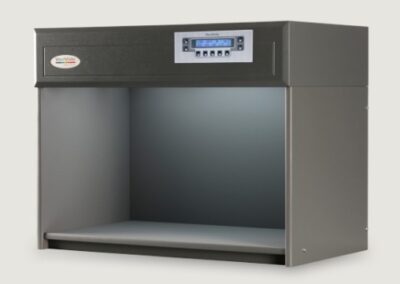 VeriVide offers high-quality Colour Assessment Cabinets (CACs) such as the CAC 60-4, CAC 60-5, and CAC 120-4&5. These cabinets, originating from the UK, are reliable tools for visual evaluation in quality assurance, meeting national, international, and retailer standards. They effectively mitigate issues related to color assessment.VeriVide Colour Assessment Cabinets
High-quality visual evaluation tool for quality assurance. Adhering to national, international and retailer standards.Colour Assessment Cabinet's (CACs) reduce problems associated with assessing products or samples in different environments,be though geological or seasonal, offering a cost-effective method to ensure visual accuracy and product quality.
Color Light Box Enhance color precision with VeriVide's cutting-edge Colour Assessment
Cabinets. These cabinets are meticulously designed to ensure accurate color evaluation in various industries. Invest in VeriVide Colour Assessment Cabinets to elevate your color assessment process.
Enhance Color Precision with VeriVide's Cutting-Edge Assessment Cabinets, which meet or surpass ISO 3664 and BS 950 Part 1 international standards. The cabinets are adaptable to user requirements, with lamp options to choose different light sources. Available in 60, 120, and 150cm widths, VeriVide Colour Assessment Cabinets provide a flexible solution for accurate color assessment.
Incorporate user-friendly features like servicing indicator, auto sequence, warm-up, power save and data storage.4 or 5 light source options Versions available for colour fastness testing and particulate testing both adhering to global standardsEnsure that you are using the best equipment available as they provide the best fluorescent D65 daylight simulator, with the highest Colour
Rendering Index (CRI), available. VeriVide Colour Assessment Cabinets products are known as light boxes, viewing booths, colour cabinets and others, depending on which industry or country they are serving in. They are used within a wide array of industry sectors throughout the world including textile and apparel, graphics, automotive, ceramics, cosmetics, pharmacology (CAC Particulate),
food, footwear, packaging and printing.Download the Datasheet below for more information or click 'VeriVide CAC Datasheet Here' to get in touch with colour experts.
VeriVide CAC Datasheet Here Features of VeriVide Colour Assessment Cabinets
• CAC 60, CAC 120 and CAC 150 accommodate 60, 120 and 150cm tubes respectively
VeriVide offers high-quality Colour Assessment Cabinets (CACs) such as the CAC 60-4, CAC 60-5, and CAC 120-4&5. These cabinets, originating from the UK, are reliable tools for visual evaluation in quality assurance, meeting national, international, and retailer standards. They effectively mitigate issues related to color assessment.VeriVide Colour Assessment Cabinets
High-quality visual evaluation tool for quality assurance. Adhering to national, international and retailer standards.Colour Assessment Cabinet's (CACs) reduce problems associated with assessing products or samples in different environments,be though geological or seasonal, offering a cost-effective method to ensure visual accuracy and product quality.
Color Light Box Enhance color precision with VeriVide's cutting-edge Colour Assessment
Cabinets. These cabinets are meticulously designed to ensure accurate color evaluation in various industries. Invest in VeriVide Colour Assessment Cabinets to elevate your color assessment process.
Enhance Color Precision with VeriVide's Cutting-Edge Assessment Cabinets, which meet or surpass ISO 3664 and BS 950 Part 1 international standards. The cabinets are adaptable to user requirements, with lamp options to choose different light sources. Available in 60, 120, and 150cm widths, VeriVide Colour Assessment Cabinets provide a flexible solution for accurate color assessment.
Incorporate user-friendly features like servicing indicator, auto sequence, warm-up, power save and data storage.4 or 5 light source options Versions available for colour fastness testing and particulate testing both adhering to global standardsEnsure that you are using the best equipment available as they provide the best fluorescent D65 daylight simulator, with the highest Colour
Rendering Index (CRI), available. VeriVide Colour Assessment Cabinets products are known as light boxes, viewing booths, colour cabinets and others, depending on which industry or country they are serving in. They are used within a wide array of industry sectors throughout the world including textile and apparel, graphics, automotive, ceramics, cosmetics, pharmacology (CAC Particulate),
food, footwear, packaging and printing.Download the Datasheet below for more information or click 'VeriVide CAC Datasheet Here' to get in touch with colour experts.
VeriVide CAC Datasheet Here Features of VeriVide Colour Assessment Cabinets
• CAC 60, CAC 120 and CAC 150 accommodate 60, 120 and 150cm tubes respectively
- Either 4 or 5 light sources available for each model including D65, D50, 840P15, F and UV - see Lamp Options.• Internal finishes in Munsell N5, Munsell N7 or Grey 5574 • Diffuser and/or dimmer options available Dimensions of VeriVide Colour Assessment Cabinets CAC 60-4 Dimensions (mm) Width Height Depth Overall 710 545 420

