Skip to content
About us
Select category
  • Select category
  • Dyeing Lab Machine
  • Lab Equipment & Instrument
  • Physical Testing & Fabric Testing
  • Yarn Dyeing Machine & Equipment
1 item $0.00
Menu
About us
1 item $0.00
  • Home
  • Products
    • Dyeing Lab Machine
      • Products
        • IR Dyeing Machine Dunlin IR Dyeing Machine Dunlin
        • Digital Ph meter
        • Color fastness to washing machine
        • Rainin Digital Pipette
        • HTHP Glycerin bath dyeing machine
        • Laboratory mini stenter Dryer
        • Laboratory tenter
        • Laboretory hydro Extractor
        • Laboretory Padder
        • Oscillation type Dyeing Machine
        • Orbital Shaker Machine
        • Steam Soaping machine

      IR Dyeing Machine Dunlin

      View More
    • Physical Testing & Fabric Testing Machine
      • Products
        • Tensile Strength tester
        • Martindale abrasion tester
        • Martindale abrasion tester updated Martindale abrasion tester Updated
        • Digital Elmendorf tearing tester
        • Bursting strength tester
        • ICI pilling & Snagging test machine
        • Fabric Stiffness Tester
        • Color Fastness to washing machine
        • Fabric air permeability tester
        • Fabric drape tester
        • Fabric flame retardant tester
        • fabric moisture permeability tester
      • Products
        • Stretch Recovery Tester Static Method
        • Xenon Arc Light Fastness Tester
        • Fastness rotary friction tester
        • Fiber oil fast extractor
        • Fabric flame retardant tester
        • Random Tumble Pilling Tester
        • Spray Rating Tester
        • Fatigue tester for Elastic fabric
    • Lab Equipment & Instrument
      • Products
        • Counting Balance /Weighing Scale
        • controller for Ir Dyeing Machine
        • Analog Thickness gauge
        • color matching cabinet/Light box
        • VeriVide Colour Assessment Cabinets
        • Digital hotplate magnetic stirrer
        • Digital Temperature Humidity meter
        • Digital Ink Rubbing Tester
        • Digital paper dot meter Densitometer
        • Digital Bench top PH Meter
        • Digital precision balance
        • Digital thickness gauge
      • Products
        • Pantone book
        • Hydraulic GSM Cutter
        • Gray scale
        • GSM Cutter & Balance
        • Hand needle detector
      • Products
        • Perspiration Tester
        • Textile moisture meter tem aqua boy
        • VeriVide D65 Tube Light
        • Yarn Tension Meter
    • Wet & Dry Process Instrument
      • Products
        • Bosch tumble dryer
        • Bosch-Washing-Machine-WAJ2018SGC-4
        • Capillary effect tester
        • Color fastness to wash
        • Color fastness to sublimation & heating
        • Durawash print Durability tester
        • Formaldehyde tester for textiles
        • Ozone Exposure chamber
        • Pilling assessment viewer
        • Whirlpool washer & Dryer
      Textile Machinery Supplier in Bangladesh

      MAAM TEX

      Lab Machine Supplier in Bangladesh, Testing machine supplier in Bangladesh, Dyeing Machine supplier in Bangladesh, Lab Machine Supplier in Dhaka, yarn Dyeing machine supplier in Bangladesh, Lab Dispensing Machine supplier in Bangladesh, soft winding machine supplier in Bangladesh, Hard winding machine supplier in Bangladesh, IR Dyeing machine supplier in Bangladesh, Lab machine Price in Bangladesh, 

    • Yarn Dyeing Machine-Equipment
      • Products
        • Cone yarn Dyeing machine
        • Automatic Bobbin Hydroextractor
        • Card winding machine for yarn
        • Sample Cone Yarn Dyeing machine
        • Digital yarn twist Tester
        • Electronic wrap reel
        • Fully Automatic Radio Frequency Dryer
        • Thread Cone Winding Machine
        • High speed hard winding machine
        • High speed Soft cone winding machine
        • Yarn evenness tester
      • Products
        • Yarn evenness tester
    • Washing-Drying Machine
      • Products
        • Automatic washing project
  • About us
  • Contact us
“Martindale abrasion tester Updated” has been added to your cart. View cart
Down Feather Fill tester Powerful & Accurate 1
Fatigue tester for Elastic fabric
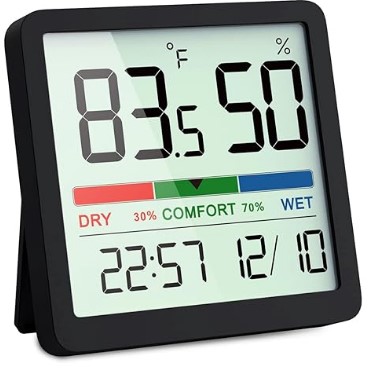
Digital Temperature Humidity Meter
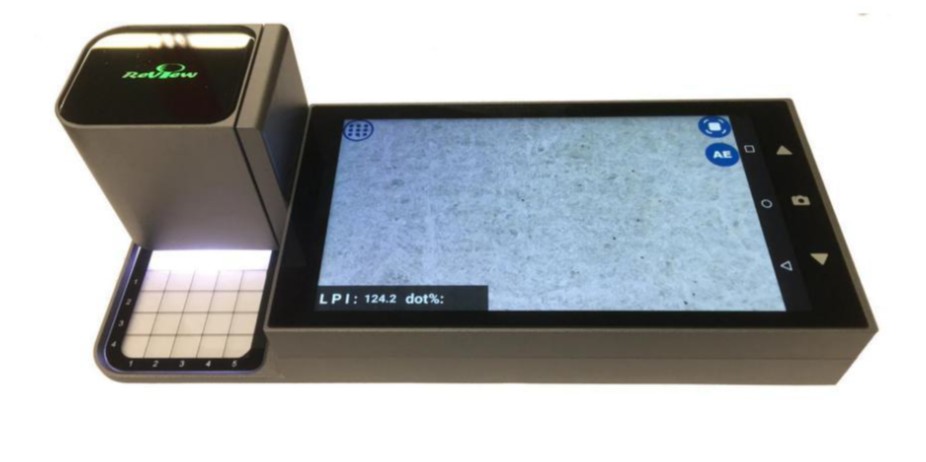
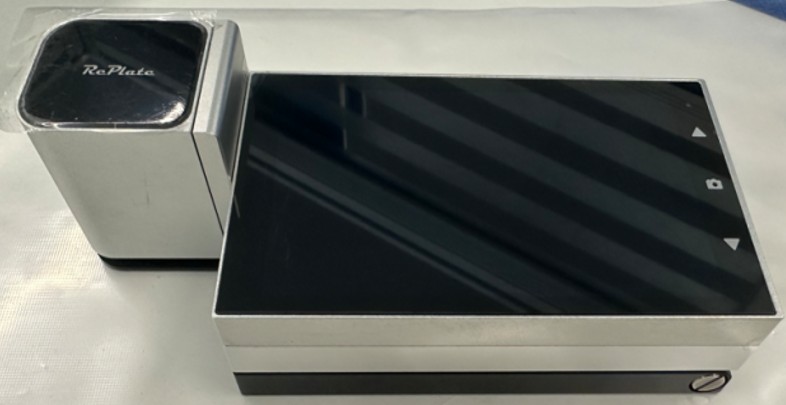
Digital Paper Dot Meter Densitometer
Digital paper dot meter Densitometer
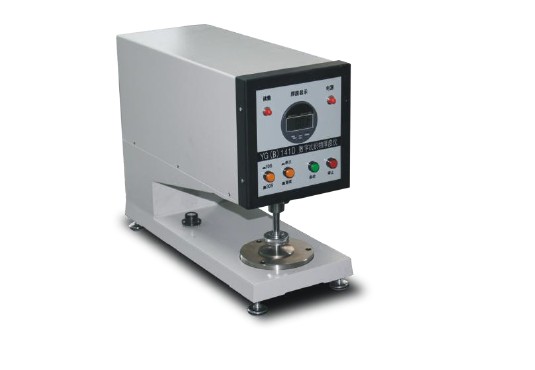
Digital Thickness Gauge
360 product view
    0%
    Click to enlarge
    Down Feather Fill tester Powerful & Accurate 1
    Fatigue tester for Elastic fabric
    Digital Temperature Humidity Meter
    Digital Paper Dot Meter Densitometer
    Digital paper dot meter Densitometer
    Digital Thickness Gauge
    Home Physical Testing & Fabric Testing Down Feather Fill tester Powerful & Accurate
    Digital Thickness Gauge
    Digital thickness gauge $0.00
    Back to products
    COLOR FASTNESS TO WASHING MACHINE
    Color fastness to washing machine $0.00

    Down Feather Fill tester Powerful & Accurate

    $0.00

    Down Feather Fill tester Powerful & Accurate 1

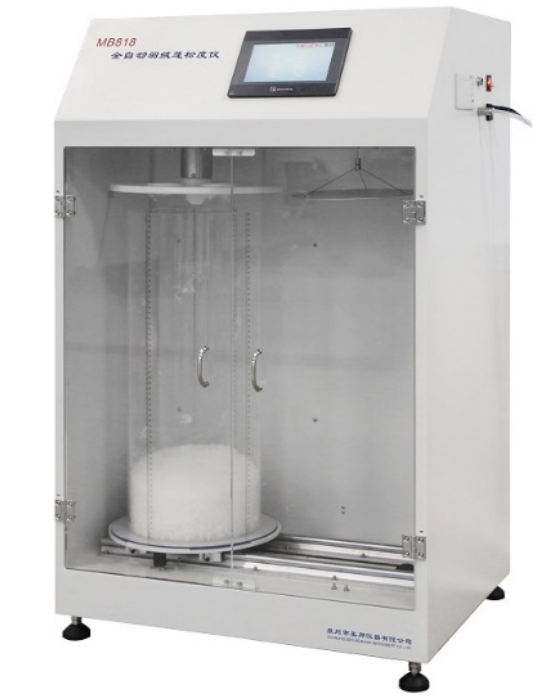
    MB818 Automated Filling Power Meter for Down & Feather Fill Power Testing

    Down Feather Fill tester Powerful & Accurate 1

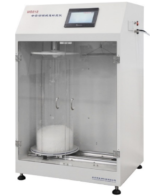
    Down Feather Fill Power Test Machine MB818 is a powerful and accurate automated testing instrument designed to measure the fill power of down, feather, and other filling materials. The machine provides reliable test results for quality control and laboratory testing in textile, garment, bedding, and down-product industries.

    The Down Feather Fill tester Powerful & Accurate 1 is designed to support internationally recognized testing methods and provides convenient operation with an LCD control panel, automatic measurement, selectable testing units, and printer connectivity.

    The Down Feather Fill Power Test Machine is an advanced laboratory testing instrument designed to determine the filling power of down, feather and other filling materials. The MB818 Automated Filling Power Meter measures the volume occupied by a specified amount of filling material under controlled testing conditions. Fill Power is an important quality parameter used to evaluate the approximate insulation performance and lofting characteristics of down and feather fillings.

    The MB818 is suitable for textile laboratories, garment testing laboratories, bedding manufacturers, down and feather processors, quality control departments and research & development facilities. The instrument supports major international testing methods including IDFB-FP, JIS L1903, GB/T 14272 and BS EN 12130.

    Product Overview

    The MB818 Automated Filling Power Meter features an automated testing system, adjustable sinking speed, controlled air volume and adjustable air blowing time. It is designed to provide convenient and repeatable testing of down and feather filling materials.

    The instrument incorporates a strong metal housing, adjustable rubber feet, removable testing-bin and movable testing-bin plate. A built-in blower helps loosen and prepare the test material before measurement. The LCD control panel provides convenient operation and monitoring of the testing process.

    Different measuring units can be selected according to the applicable testing method, including mm, cm, l/kg, cubic inch and Japanese standard units. The instrument can also be connected to a printer for test-result documentation.

    What is Fill Power of Down Feather Fill tester Powerful & Accurate 1

    Fill Power is a volumetric measurement commonly used for down and feather filling materials. It indicates the volume occupied by a specific mass of filling material under defined testing conditions.

    Higher-quality down generally has greater lofting ability and can occupy a larger volume with the same mass of material. Therefore, fill power is an important parameter when evaluating down and feather filling materials used in insulated garments, quilts, comforters, sleeping bags and other products.

    Accurate measurement of fill power helps manufacturers and laboratories maintain consistent product quality and compare different filling materials under standardized conditions.

    Scope of Application

    The MB818 Down Feather Fill Power Test Machine is suitable for testing:

    • Down filling materials
    • Feather filling materials
    • Down and feather blends
    • Filling materials used in garments
    • Quilt and comforter fillings
    • Sleeping bag filling materials
    • Bedding insulation materials
    • Other suitable textile filling materials

    It can be used for incoming material inspection, production quality control, laboratory testing, product development and research.

    Standard Features of Down Feather Fill tester Powerful & Accurate 1

    The MB818 Automated Filling Power Meter provides a combination of automated operation and flexible testing control.

    Key features include:

    • Modern and professional instrument design
    • Strong metal housing
    • Adjustable rubber feet for stability
    • Movable testing-bin plate
    • Removable testing-bin
    • Built-in blower for loosening test material
    • Adjustable sinking speed
    • Adjustable air volume
    • Adjustable air blowing time
    • Multiple selectable measuring units
    • LCD control panel
    • Printer connection
    • Suitable for laboratory quality control
    • Supports multiple international testing methods

    Technical Specification of Down Feather Fill tester Powerful & Accurate 1

    Parameter Specification
    Model MB818
    Product Type Automated Filling Power Meter
    Brand MEBON
    Origin China
    Sinking Speed 0–1000 mm/min, adjustable
    Air Volume 2–40 l/s, adjustable
    Air Blowing Time 0:00–99:59 min, adjustable
    IDFB-FP Cylinder Ø288 mm × Minimum 500 mm
    JIS L1903 Cylinder Ø290 mm × Minimum 600 mm, Optional
    GB/T 14272 Cylinder Ø240 mm × 750 mm, Optional
    Dimensions 450 × 500 × 1250 mm
    Power Supply 220V, 50Hz / 110V, 60Hz
    Weight Approx. 75 kg
    Control Panel LCD
    Printer Connection Available

    Testing Standards of Down Feather Fill tester Powerful & Accurate 1

    The MB818 Down Feather Fill Power Test Machine is designed to support major international testing standards and methods, including:

    IDFB-FP

    The IDFB-FP method is used for determining the filling power of down and feather materials under specified test conditions.

    JIS L1903

    The instrument can be configured with an optional testing cylinder for the JIS L1903 method.

    GB/T 14272

    An optional testing cylinder is available for testing according to GB/T 14272 requirements.

    BS EN 12130

    BS EN 12130 – Feather and Down – Test Methods – Determination of the Filling Power (Massic Volume) provides a standardized method for determining the filling power of feather and down materials.

    Applications of Down Feather Fill tester Powerful & Accurate 1

    The MB818 can be used in a wide range of textile and filling-material testing applications.

    Down and Feather Industry

    The machine can be used to evaluate the filling power of raw and processed down and feather materials before they are used in finished products.

    Garment Industry

    Manufacturers of down jackets and insulated garments can use fill power testing to evaluate filling materials and maintain consistent product quality.

    Bedding Industry

    The MB818 is suitable for testing fillings used in quilts, comforters, pillows and other bedding products.

    Sleeping Bags

    Fill power is an important characteristic of insulation materials used in sleeping bags. The MB818 can assist manufacturers in evaluating filling performance.

    Textile Laboratories

    Testing laboratories can use the instrument for routine quality control, material comparison, product development and research.

    Advantages of Down Feather Fill tester Powerful & Accurate 1

    The MB818 offers several practical advantages for laboratory and production testing.

    Automated Testing:
    The automated design reduces manual operations and makes the testing procedure convenient for laboratory users.

    Adjustable Testing Parameters:
    Sinking speed, air volume and blowing time can be adjusted according to testing requirements.

    Built-in Blower:
    The integrated blower helps loosen the filling material before measurement, supporting consistent sample preparation.

    Multiple Measuring Units:
    Users can select different measurement units such as mm, cm, l/kg and cubic inch, including Japanese standard units.

    International Standard Support:
    The machine supports testing methods associated with IDFB-FP, JIS L1903, GB/T 14272 and BS EN 12130.

    Strong Construction:
    The metal housing and adjustable rubber feet provide a stable structure suitable for laboratory use.

    Easy Operation:
    The LCD control panel provides convenient operation and monitoring of test parameters.

    Printer Connectivity:
    The instrument can be connected to a printer for documentation and reporting of test results.

    Standard Accessories of Down Feather Fill tester Powerful & Accurate 1

    The standard supply includes:

    1. Main Unit – 01 No.
    2. IDFB-FP Testing Kit – 01 No.
    3. Power Cord – 01 No.
    4. User’s Manual – 01 No.
    5. Inspection & Conformance Certificate – 01 No.

    Optional Testing Kits:
    JIS L1903 and GB/T 14272 testing cylinders are available as optional configurations according to the required testing method.

    Why Choose a Down Feather Fill tester Powerful & Accurate 1

    Accurate fill power measurement is important for manufacturers and laboratories working with down and feather products. Manual or inconsistent testing can make it difficult to compare materials and maintain consistent quality.

    A dedicated Down Feather Fill Power Test Machine provides controlled testing conditions and adjustable parameters for laboratory evaluation. The MB818 combines automated operation, adjustable testing conditions, multiple measurement units and support for international testing methods in one laboratory instrument.

    For companies producing down garments, quilts, bedding, sleeping bags or other insulated products, fill power testing can support raw-material inspection, quality assurance and product development.

    Suitable for Textile Quality Control

    The Down Feather Fill tester Powerful & Accurate is suitable for both laboratory and quality-control environments. Its compact footprint, strong metal construction and user-friendly LCD control panel make it practical for textile testing laboratories and production quality-control departments.

    The Down Feather Fill tester Powerful & Accurate machine can be used alongside other textile laboratory instruments to establish a complete quality-control system for down and feather products.

    Product Summary of Down Feather Fill tester Powerful & Accurate 1

    The Down Feather Fill tester Powerful & Accurate  is a professional Automated Filling Power Meter for determining the filling power of down, feather and other suitable filling materials. With adjustable sinking speed, air volume and blowing time, the instrument provides flexible testing conditions for different applications.

    With support for IDFB-FP, JIS L1903, GB/T 14272 and BS EN 12130, the MB818 is suitable for textile laboratories, down and feather manufacturers, garment factories, bedding manufacturers, sleeping-bag manufacturers, quality-control departments and research facilities.

    Product: Down Feather Fill Power Test Machine Powerful & Accurate

    Model: MB818
    Brand: MEBON
    Origin: China
    Main Application: Down & Feather Fill Power Testing
    Website: MAAM TEX www.maamtexbd.com – Textile Testing & Laboratory Equipment

    https://maamtexbd.com/product/down-feather-fill-power-test-machine/

    www.facebook.com/maamtex

    Category: Physical Testing & Fabric Testing Tags: Automated Filling Power Meter, Down and Feather Laboratory Equipment, Down Feather Fill Power Test Machine, Down Feather Testing Machine, Down Fill Power Tester, Down Filling Power Tester, Down Testing Equipment, Feather Fill Power Tester, Feather Testing Equipment, Fill Power Testing Machine, Filling Power Tester, MB818 Filling Power Meter Brand: MEBON
    Share:
    • Description
    • Shipping & Delivery
    Description

      Shipping & Delivery

      Related products

      Stretch Recovery Tester (Static Method)

      Stretch Recovery Tester Static Method

      Physical Testing & Fabric Testing, Dyeing Lab Machine
      $0.00

      Stretch Recovery Tester – Static Method | ASTM D3107 / D2594 | Ready Stock Bangladesh

      Product Introduction

      The Stretch Recovery Tester – Static Method is a professional textile laboratory testing instrument designed to evaluate the stretch and recovery properties of elastic fabrics, knitted fabrics, stretch garments, ribbons and other extensible textile materials. The tester is suitable for Textile Testing Laboratories, Garment Factories, Fabric Manufacturers, QA/QC Departments, R&D Laboratories and Academic Textile Laboratories. ASTM D3107 / ASTM D2594 | Ready Stock in Bangladesh | Quick Delivery | Local Support

      Why Choose This Stretch Recovery Tester?

      • Ready Stock in Bangladesh
      • Suitable for textile and garment testing laboratories
      • Designed for stretch and recovery evaluation
      • Suitable for elastic and stretchable textile materials
      • Applicable to relevant ASTM testing methods
      • Easy laboratory operation
      • Compact and practical testing equipment
      • Competitive price in Bangladesh
      • Quick local delivery
      • Local sales and technical support from MAAM TEX

      Testing Standards

      The Stretch Recovery Tester is suitable for testing requirements related to:
      • ASTM D3107 – Stretch Properties of Fabrics
      • ASTM D2594 – Stretch Properties of Knitted Fabrics
      Testing procedure and applicable standard should be selected according to the material and customer's laboratory requirement.

      Scope of Application

      This equipment can be used for testing:
      • Stretch Fabrics
      • Knitted Fabrics
      • Elastic Fabrics
      • Stretch Garments
      • Sportswear Fabrics
      • Elastic Ribbons
      • Hosiery Materials
      • Textile Materials with Stretch Properties

      Suitable For

      • Textile Testing Laboratories
      • Garment Manufacturing Industries
      • Knitwear Factories
      • Fabric Mills
      • Sportswear Manufacturers
      • Elastic Fabric Manufacturers
      • Quality Control Laboratories
      • R&D Laboratories
      • Third-Party Testing Laboratories
      • Textile Universities & Institutes

      Key Advantages

      Ready Stock in Bangladesh

      No need to wait for overseas import. This product is available from MAAM TEX stock in Bangladesh, subject to current stock availability.

      Quick Delivery

      Local stock enables faster delivery compared with normal import-based supply.

      Competitive Price

      MAAM TEX provides competitive quotations for textile laboratory testing equipment.

      Local Support

      Professional sales and after-sales support are available for customers in Bangladesh.

      Laboratory Suitable

      A practical solution for routine quality control, product development and textile testing applications.

      Frequently Asked Questions

      What is a Stretch Recovery Tester?

      A Stretch Recovery Tester is a textile laboratory instrument used to evaluate the ability of a fabric or elastic textile material to stretch and recover after the application and removal of a specified load or extension.

      What standards are applicable?

      The equipment is intended for testing requirements associated with ASTM D3107 and ASTM D2594, depending on the material and test method.

      Who needs a Stretch Recovery Tester?

      Textile mills, garment factories, knitwear manufacturers, fabric manufacturers, QA/QC laboratories, R&D departments and textile testing laboratories can use this equipment.

      Is this machine available in Bangladesh?

      Yes. MAAM TEX offers this Stretch Recovery Tester from stock in Bangladesh, subject to current availability.

      Can I get a quotation?

      Yes. Contact MAAM TEX for the latest price, stock confirmation, delivery information and quotation.

      Ready Stock – Bangladesh

      No Need to Wait for Import

      Stretch Recovery Tester – Static Method Ready Stock | Competitive Price | Quick Delivery | Local Support For current stock status and quotation, please contact MAAM TEX.

      Call to Action

      Looking for a Stretch Recovery Tester in Bangladesh? Get the Stretch Recovery Tester – Static Method from MAAM TEX with ready-stock availability, competitive pricing and local support. Contact MAAM TEX today for Price & Stock Confirmation.

      Stretch Recovery Tester Static Method 

      Stretch Recovery Tester (Static Method)

      Stretch Recovery Tester

        A Stretch Recovery Tester Static Method is a lab instrument used to evaluate the stretch ability and recovery properties of fabrics, elastomers, or other stretchable materials. This method is crucial in textiles and material science to assess how well a material returns to its original shape after being stretched. Key Functions of Stretch Recovery Tester Static Method : - Measures elongation under a fixed force or length. - Assesses the recovery percentage after a specified recovery time once the force is removed. - Evaluates fabric's resilience, durability, and comfort properties. How It Works Stretch Recovery Tester  Static Method:
      1. A sample is stretched to a predetermined extension or force.
      2. The stretch is maintained for a set period.
      3. After removing the load, the recovery (return to original length) is measured after a fixed time.
      4. The fabric sample is clamped and stretched to a specific length or force.
      5. It’s held for a fixed duration (e.g., 1–5 minutes).
      6. The tension is released, and the sample is allowed to recover.
      7. The recovered length is measured after a set time.
      Main Components: - Fixed clamps to hold the sample. - Movable clamps for stretching. - Precision scale or ruler for measuring elongation and recovery. - Timing device (manual or digital) to control stretching and recovery periods. - To assess elastic recovery and dimensional stability after stretching. Applications: - Used in testing knitwear, sportswear, elastic fabrics, and compression garments. - Helps in product development and quality assurance. Stretch Recovery Tester Static Method is designed to determine the stretch recovery property of elastic material by static method. 2.0mm thickness stainless steel frame and base board, makes the tester firm and stable. Sample holder can be slid along the guide rail smoothly and can be fixed at any position of the rail. Test Scope:elastomeric material Testing Standards:ASTM D2594、ASTM D3107, etc. key features of a Stretch Recovery Tester Static Method: Adjustable clamps and measurement scale. - Timer for accurate stretch/recovery periods. - Simple mechanical design for ease of use. ✅ 1. Manual or Semi-Automatic Operation - Allows controlled stretching and recovery measurements. - Simple setup for routine quality control. ✅ 2. Adjustable Clamp System - Securely holds samples of various sizes and thicknesses. - Ensures consistent test conditions. ✅ 3. Precision Measurement Scale - Provides accurate readings of elongation and recovery length. - Often graduated in millimeters or inches. ✅ 4. Sturdy Frame - Made of corrosion-resistant metal or coated steel. - Ensures durability and stability during testing. ✅ 5. Time Control Support - Timer to monitor stretch and recovery durations. - Helps standardize test procedures. ✅ 6. Compact Design - Space-saving for lab environments. - Easy to move and operate. ✅ 7. Compliance with Standards - Often designed to meet standards like ASTM D3107 or BS 4294. Would you like a comparison with the dynamic method or specifications for a particular model? key benefits of using a Stretch Recovery Tester Static Method: ✅ 1. Accurate Fabric Performance Analysis- Provides reliable data on stretch and recovery, critical for assessing elasticity and fit. ✅ 2. Easy to Operate- Simple, manual setup makes it ideal for routine testing and quality control. ✅ 3. Cost-Effective- More affordable than dynamic testers, making it suitable for smaller labs or production units. ✅ 4. Standardized Testing- Supports industry-standard methods (e.g., ASTM D3107), ensuring consistency across tests. ✅ 5. Versatile Applications- Suitable for testing knit fabrics, elastic bands, spandex materials, and other stretchable textiles. ✅ 6. Durable and Low Maintenance- Mechanically straightforward with minimal upkeep required. ✅ 7. Enhances Product Development- Helps designers and manufacturers optimize materials for comfort, performance, and durability. Applications: - Textile R&D - Production quality control
      Stretch Recovery Tester (Static Method)

      Stretch Recovery Tester

      - Evaluating materials for comfort, durability, and fit Stretch Recovery Tester Diller In Bangladesh, Stretch Recovery Tester Importer In Bangladesh, Stretch Recovery Tester in Bangladesh, Stretch Recovery Tester in Bd, Stretch Recovery Tester In Uttara, Stretch Recovery Tester Price in Bangladesh, Stretch Recovery Tester Supplier in Bangladesh  
      Add to cart
      Quick view
      New
      Fabric air permeability tester

      Fabric air permeability tester

      Dyeing Lab Machine, Physical Testing & Fabric Testing
      $0.00
      Fabric Air Permeability Tester
      Fabric air permeability tester

      Fabric air permeability tester

        Fabric Air Permeability Tester is a lab instrument used to measure how easily air passes through a fabric. It quantifies the air permeability, which is crucial for evaluating breathability, comfort, and functional performance in textiles. Purpose Fabric Air Permeability Tester: It determines the rate of airflow through a fabric sample under a set air pressure, typically reported in units like cm³/cm²/s or L/m²/s. Working Principle: The tester creates a pressure difference across the fabric sample and measures the volume of air flowing through it. Higher air permeability means the fabric is more breathable. Main Components of Fabric Air Permeability Tester: - Test Head / Clamp: Holds the fabric securely without leakage. - Pressure Regulator: Maintains a constant air pressure during testing. - Flow Meter or Digital Sensor: Measures the actual airflow rate through the fabric. - Display Unit: Shows readings of air permeability instantly.   Applications of Fabric Air Permeability Tester: - Performance textiles (sportswear, PPE) - Technical fabrics (filters, tents, airbags) - Medical textiles (masks, gowns) - Nonwovens and industrial materials   Benefits of Fabric Air Permeability Tester:
      1. Accurate Breathability Measurement - Precisely measures how breathable a fabric is, essential for comfort and performance.
      2. Supports Quality Control - Ensures consistent air permeability in fabric batches, critical for products like PPE, sportswear, and filters.
       
      1. Enhances Product Design - Helps in selecting or engineering fabrics with the right airflow properties for specific uses.
      2. Standard Compliance - Conforms to international testing standards (e.g., ASTM D737, ISO 9237), ensuring global credibility.
      3. Quick and Reliable Testing - Provides rapid results, increasing lab efficiency and production decision-making speed.
       
      1. Wide Material Compatibility - Suitable for woven, nonwoven, knitted fabrics, and even paper or coated materials.
      2. Improves Functional Performance - Helps optimize products for ventilation, moisture control, and thermal comfort.
      3. Reduces Product Failure - Identifies underperforming fabrics early, minimizing risks in high-performance applications.
      Features of Fabric Air Permeability Tester:
      1. Digital Display - Shows air permeability readings clearly in units like L/m²/s or cm³/cm²/s.
      2. Precise Test Head/Clamp - Provides an airtight seal to prevent air leakage and ensure accurate results.
      3. Adjustable Pressure Settings - Allows testing under various pressure drops (e.g., 10–2500 Pa), depending on fabric type.
       
      1. Automatic Airflow Measurement - Built-in sensors or flow meters capture airflow rate automatically for quick analysis.
      2. Multiple Test Area Sizes - Interchangeable test plates to match different sample sizes and standard requirements.
      3. Data Logging and Export - Some models include USB or software connectivity for storing and exporting test results.
       
      1. Standard Compliance - Conforms to ASTM D737, ISO 9237, BS 5636, DIN 53887, etc.
      2. Robust Construction - Built with corrosion-resistant materials and durable components for long-term lab use.
      3. Low Maintenance - Simple cleaning and calibration process for reliable performance.
      4. Compact and User-Friendly Design - Ideal for lab benches and easy operation with minimal training.
      How to Use Fabric Air Permeability Tester:
      1. Prepare the Sample - Cut the fabric sample to the required size (usually circular, e.g., 20 cm²).
      2. Mount the Sample - Place the fabric securely in the test clamp or holder, ensuring no wrinkles or gaps.
      3. Set Test Parameters - Adjust the air pressure drop according to the fabric type or standard (e.g., 100 Pa).
       
      1. Start the Test - Turn on the air supply and start the airflow through the fabric.
      2. Read the Measurement - The digital display will show the air permeability value in the selected units.
      3. Record the Results - Note the readings or export data if the device supports it.
      4. Repeat if needed - Test multiple samples or areas for accuracy and average the results.
      5. Clean and Maintain - After testing, clean the clamp and ensure the device is calibrated regularly.
        Tip: Ensure the test environment maintains standard temperature and humidity for consistent results.   Fabric Air Permeability Tester Appliance Range It is used to TEST the air permeability of various textile fabrics, including industrial fabrics, nonwoven fabrics and other textile products and other breathable materials. Related Standards GB / T 5453, GB / T 13764, ISO 9237, ISO 5636, ASTM D737, etc. Instrument characteristics 1. Automatic sample clamping, automatic nozzle replacement, and quick test. 2. Microcomputer processing, the test results are displayed directly, without manual table calculation; 3. Built-in continuous test mode, the test unit can be switched as needed. 4. Chinese LCD menu operation, configure computer interface. Technical parameter 1. Range of sample pressure difference: 1 ~ 4000Pa 2. Measurable air permeability: 1 ~ 40,000mm / s 3. Measurement error: ≤ ± 2% 4. Measurable fabric thickness: ≤8mm 5. Test area: 5cm2; 20cm2; 50cm2; 100cm2 Ф50mm (≈19.6cm2) Ф70mm (≈38.5cm2) 6. Nozzles: 11 in total (automatic replacement of digital setting) CODE 00 01 02 03 04 05 06 07 08 09 10 DIAφ(mm) 0.8 1.2 2 3 4 6 8 10 12 16 20 7.Data Capacity:≤200 times tests 8.Power Supply:AC220V 50Hz 2KW 9.Weight:80Kg 10.Shape:1250×700×1250mm
      Add to cart
      Quick view
      Counting Balance-Weighing Scale
      Counting Balance-Weighing Scale

      Counting Balance-Weighing Scale

      Lab Equipment & Instrument, Dyeing Lab Machine, Physical Testing & Fabric Testing
      $0.00

      Counting Balance-Weighing Scale

      Counting Balance-Weighing Scale

      Counting Balance-Weighing Scale

        A Counting Balance-Weighing Scale (or Counting Weighing Scale) is a precision electronic scale designed to weigh items and simultaneously count them based on individual piece weight. It’s commonly used in industries for inventory management, packaging, and quality control.   Purpose of Counting Balance-Weighing Scale: To quickly and accurately count small items like buttons, beads, screws, or pills by weight. Eliminates manual counting, especially for large quantities.   Working Principle of Counting Balance-Weighing Scale: Weigh a sample quantity of items to determine the average weight of one piece. Place a bulk quantity on the scale. The scale divides the total weight by the unit weight to calculate the total item count.     Applications of Counting Balance-Weighing Scale: Textile accessories (buttons, rivets) Hardware (nuts, bolts, washers) Electronics (resistors, chips) Pharmaceuticals (tablets, capsules) Benefits of Counting Balance-Weighing Scale:   Fast and Accurate Counting - Saves time by quickly counting large quantities of small items. Reduces Human Error- Eliminates mistakes common in manual counting. Improves Productivity - Speeds up packing, inventory, and quality control processes. Versatile Use - Suitable for various industries: textiles, hardware, pharmaceuticals, electronics.   Cost-Efficient- Reduces labor costs and improves operational efficiency. Compact and Portable - Easy to move and use in different workstations. Dual Functionality - Can be used for both counting and standard weighing. Memory and Tare Functions - Stores unit weights and allows container weight deduction.   Features of Counting Balance-Weighing Scale: High Precision Sensors- Ensures accurate weight and count, even for tiny components. Digital Display- Separate displays for total weight, unit weight, and piece count. Tare Function - Allows deduction of container weight for net measurements. Memory Function - Stores frequently used unit weights for fast recall.   Multiple Units Support- Measures in grams, kilograms, pounds, etc. Sample Size Selection- Users can set sample sizes (e.g., 10, 20, 50 pcs) to calculate piece weight. Overload Protection- Prevents damage from excessive weight. Auto Calibration - Maintains long-term accuracy with internal or external calibration options. Sturdy Platform- Stainless steel pan with anti-slip design for stable weighing. Battery and AC Operation- Can run on rechargeable batteries or power adapter.   How to Use Counting Balance-Weighing Scale: Turn On the Scale - Power it on and wait for the display to stabilize at zero. Tare the Container - Place an empty container on the pan and press the "TARE" button to zero out its weight. Set Sample Size - Place a known quantity (e.g., 10 or 20 pcs) of identical items on the scale. - Enter the sample quantity using the keypad. Confirm Unit Weight - The scale calculates and stores the average unit weight automatically. Add Bulk Items - Add the rest of the items into the container. - The display will show the total count based on the stored unit weight. Record Results   - Note down the total piece count and remove the items. Turn Off After Use - Power off the scale to save battery or electricity.     Counting Balance /Weighing Scale Model : DS610C Brand : DIGISCALE Origin : Germany Capacity : 3 kg Division : 0.1g Min Weight : 0.5g Grade : Class 3 Platter : 280 × 215mm Battery : Rechargeable Battery with AC Adaptor Display : Double Large LCD Display Warranty : One Year Service Warranty SPECIFICATION Build With 5 Measuring Units: kg, g, lb, oz, PCS Count Platter : 280 × 215mm Quality : Heavy Duty Premium Quality Product Net / Gross Weight : 3080g / 3130g Battery : Rechargeable Battery with AC Adaptor Battery Capacity: 6V 4.5Ah / 20 HR Adaptor Power Input : AC 220V-240V / 50Hz Adaptor Power Output : 10V DC/ 500mA Display : Double Large LCD Display Color : White-Gray Keyboard : 20 Members Key Operating Temperature : 0-40°C (32-104°F) FEATURES Auto Zero Tracking Automatic Overload Display Grade Class 3 Auto Backlight Double LCD Display Low Battery Indication Rechargeable Battery with Adaptor Save Electricity Advantage Piece Counting Functionality: The DS603C Counting Weighing Scale is prepared with an precise piece checking highlight, perfect for stock administration, generation lines, and quality control assignments. This guarantees you can tally things like screws, jolts, or other little components efficiently. High-Precision Digital Scale Display: The advanced scale show gives clear and precise readings, making it simple to screen weight and amount. Its shinning and natural interface guarantees ease of use in diverse lighting conditions. Digital Scale Calibration: To keep up exactness, the DS610C weighing scale calibration prepare is direct, guaranteeing the scale remains dependable over time. Normal weight scale calibration ensures reliable execution, indeed with overwhelming use. Durable and Reliable Build: The DS610C advanced weight scale is created with strong materials to withstand visit utilize in requesting situations, such as stockrooms and fabricating facilities. Versatility: As a weighing and tallying scale, it combines the benefits of weight estimation and piece tallying in one gadget. This makes it appropriate for a wide extend of applications, from retail to mechanical uses. Categories: Digital Scale and Balance, Piece Counting Scale, Table Top Scale
      Counting Balance-Weighing Scale

      Counting Balance-Weighing Scale

       
      Add to cart
      Quick view
      Fabric Stiffness Tester
      Fabric Stiffness Tester

      Fabric Stiffness Tester

      Physical Testing & Fabric Testing
      $0.00

      Fabric Stiffness Tester

      Fabric Stiffness Tester

      Fabric Stiffness Tester

        Fabric Stiffness Tester is a lab instrument used to measure the stiffness or flexural rigidity of fabric materials. It evaluates how resistant a fabric is to bending, which influences its drape, comfort, and handling characteristics. Purpose of Fabric Stiffness Tester: To determine the stiffness of textiles by measuring the bending length and calculating flexural rigidity, often using methods like the Cantilever Test (as per ASTM D1388 or ISO 9073-7).   Working Principle of Fabric Stiffness Tester: A fabric strip is slid over a horizontal platform until its free end bends under its own weight to a specific angle (usually 41.5°). The length at which this occurs is used to calculate bending length and stiffness.   Main Components of Fabric Stiffness Tester: - Test Platform: Flat surface for sample movement. - Graduated Scale: Measures the overhanging length of fabric. - Angle Indicator: Guides the measurement based on standard deflection angle. - Fabric Clamp or Guide: Helps place and move the sample smoothly.   Applications of Fabric Stiffness Tester: - Apparel fabrics (e.g., for comfort and drape analysis) - Technical textiles (e.g., automotive, medical fabrics) - Paper, nonwovens, and films Benefits of Fabric Stiffness Tester:
      1. Accurate Measurement of Flexibility - Provides reliable data on fabric stiffness, essential for quality control and product development.
      2. Improves Product Comfort - Helps assess how soft or rigid a fabric will feel in clothing or furnishings.
      3. Supports Material Selection - Aids designers and engineers in choosing the right fabric for specific applications based on stiffness.
       
      1. Quality Assurance - Detects fabric inconsistencies or defects that affect handling or drape.
      2. Standards Compliance - Enables testing as per international standards like ASTM D1388 and ISO 9073-7 for global product approval.
      3. Quick and Simple Operation - Delivers fast results with minimal operator training or preparation.
       
      1. Applicable to Multiple Materials - Suitable for woven, nonwoven, knitted fabrics, paper, and films.
      2. Enhances R&D Accuracy - Supports consistent material testing during product innovation and textile finishing.
        Features of Fabric Stiffness Tester:
      1. Graduated Measurement Scale - Precise scale to measure overhang length for accurate stiffness calculation.
      2. Flat Test Platform - Smooth, level surface ensures consistent and reliable fabric movement.
      3. Standard Deflection Angle Guide - Built-in 41.5° angle reference for consistent stiffness testing (per ASTM/ISO).
      4. Manual or Motorized Models - Available in both types for simple or automated operation depending on lab needs.
      5. Compact Design - Space-saving unit ideal for textile labs and quality control rooms.
       
      1. Sample Holder or Clamp - Ensures correct alignment and smooth feeding of fabric strips during testing.
      2. Durable Construction - Made of corrosion-resistant materials like stainless steel or aluminum for long-term use.
      3. Compliance with Standards - Supports methods like ASTM D1388, ISO 9073-7 for stiffness testing of fabrics.
       
      1. Lightweight and Portable - Easy to move and use in various lab settings.
      2. Low Maintenance - Simple mechanical parts require minimal servicing.
        How to Use Fabric Stiffness Tester (Cantilever Method):
      1. Prepare the Sample - Cut the fabric into a rectangular strip (e.g., 25 mm × 200 mm), as per standard.
      2. Place the Sample - Lay the fabric strip flat on the test platform with one end aligned at the zero mark.
      3. Slide the Fabric - Gently push the fabric forward so it slowly overhangs the platform.
       
      1. Watch for Deflection - Stop sliding when the free end of the fabric bends down to the reference angle (typically 41.5°).
      2. Read the Bending Length - Measure the overhang distance from the scale. This is the bending length (C).
      3. Calculate Flexural Rigidity
      - Use the formula: G = W × C³ Where: - G = Flexural rigidity (mg·cm) - W = Fabric weight per unit area (mg/cm²) - C = Bending length (cm)  
      1. Repeat for Accuracy - Test both warp and weft directions and average the results for better accuracy.
      Tip: Always perform the test in a controlled environment (standard temperature and humidity) for reliable results.         Fabric Stiffness Tester Scope of application It is used to measure the stiffness of cotton, wool, silk, linen, chemical fibers and other woven fabrics, knitted fabrics, general nonwovens, coated fabrics, etc. It is also suitable for measuring the stiffness of paper, leather, film and other flexible materials. Relevant Standards GB/T 18318, ASTM D 1388, IS09073-7, BS EN22313 etc. [Instrument Characteristics] 1. Infrared photoelectric invisible inclined plane detection system replaces the traditional tangible inclined plane, realizes non-contact detection, and overcomes the problem that the measurement accuracy is affected by the sample torsion lifted by the inclined plane. 2. The inclination adjustable mechanism of instrument measurement to meet different test requirements. 3. Stepping motor drive, accurate measurement, smooth operation; 4. The color touch screen display can show the extended length, bending length, bending stiffness of the sample, the warp average, the weft average and the total average of the above values respectively. 5. Printing of Chinese report forms for thermal printers. Technical parameters 1. Test methods: The two method (A method: Weft test, B method: Forward and backward test) 2. Measurement angle:41.5 degree, 43 degree and 45 degree adjustable 3. Extend the length range:5-220 mm (special requirements can be made at the time of ordering) 4. Length resolution:0.01mm 5. Measurement accuracy:±0.1mm 6. Specimen specifications:250×25mm 7. Work platform specifications:250×50mm 8. Specification of sample pressing plate:250×25mm 9. Pushing speed of press plate:3 mm/s; 4 mm/s; 5 mm/s 10. Display output: Touch screen display 11. Print Output: Chinese Report 12. Data Processing Volume: A total of 15 groups, each group less than 20 trials 13. Printer: Thermal printer 14, power supply:AC220V 50Hz 15. Host volume:570mm×360mm×490mm 16. Host weight:20kg
      Add to cart
      Quick view
      Martindale abrasion tester updated
      Martindale abrasion tester updated

      Martindale abrasion tester Updated
      Physical Testing & Fabric Testing
      $0.00

      Martindale abrasion tester updated

      Martindale abrasion tester updated
      Latest Update 1 A+

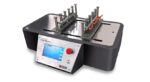
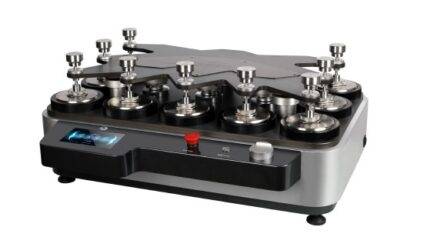
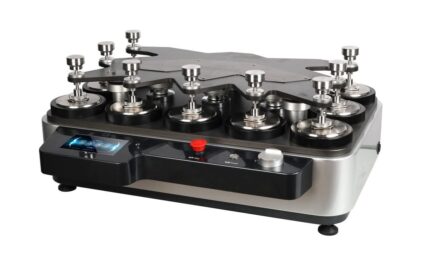
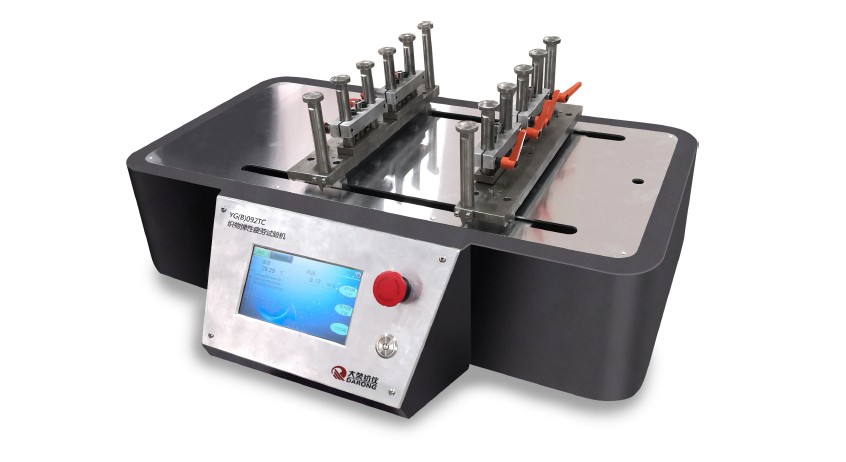
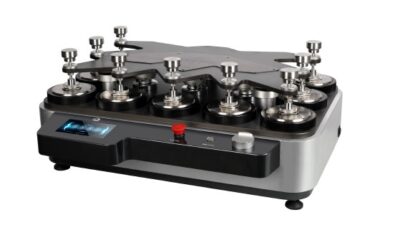
      Martindale Wear-Resistant Instrument Martindale Wear-Resistant Instrument Martindale abrasion tester updated purposefully designed to enhance the ease of use and reliability of results Strong and solid base feet to increase instrument stability Sliding pad design reduces noise of motion plate. Martindale abrasion tester updated Accessible Motion plate storage rack incorporated into the side of the instrument to conserve lab space and allowing full access to all abrasion stations Enhanced sample holders allowing for quicker sample loading Quick-lock couplers facilitate easy access for service and calibration Martindale abrasion tester updated is a versatile instrument capable of multiple abrasion and pilling tests. It uses precision components to deliver the exact abrasion or pilling movement required by all international and retailer standards. Martindale abrasion tester updated Full Color Touch Screen Controls Most common functions accessible in one or two touches Displays individual station counters Test materials ordering information accessible directly on the instrument display Multi-lingual interface with display options in English, Chinese. Martindale abrasion tester updated Designed for Adaptability the Martindale Line can perform a variety of abrasion and pilling tests. The user-friendly design allows operators to easily change over testing station configurations with specialized enhancement kits. Martindale abrasion tester updated can be used for: Fabric Abrasion, Fabric Pilling, Sock, Abrasion, Leather Abrasion, Edge Abrasion, Testing Floor Coverings, Toothbrush Testing's, Other Specialized Testing's, Martindale abrasion tester updated Convenient The compact base is designed to conserve valuable lab space while providing maximum testing capacity. Two sizes available: Larger base can have 4, 6, or 9 test positions Instrument Comes Standard with: Sample Holders 9 kPa and 12 kPa Weights for standard abrasion testing Standard Mounting Device Martindale abrasion tester updated have Accessory Holder Available separately to conveniently hold martindale accessories while not in use Made from high quality acrylic and designed to be both practical and attractive Quality Test Materials supplies a wide variety of consumables design specifically for testing on the Martindale Abrasion and Pilling Tester. These high quality consumables will ensure that each test performed is accurate and reliable. Martindale abrasion tester updated Scope of application Its is used for testing the wear resistance, abrasion and appearance change (pilling) of textiles and membrane materials (Martindale method). Martindale abrasion tester updated Related standard GB/T 21196 (International Standard Drafting Unit), FZ/T 20020, GB/T 4802.2, GB/T 13775, ASTM D4966, ASTM D4970, ASTM D3886, ISO 12945.2, ISO 12947, JIS L1096, IWSTM 196/TM112 M&S, etc. [Instrumentation characteristics] 1. Three test modes, adding and subtracting two counting modes. 2. No turning guide plate design, no need to move the sample. 3. PLC modular control, seven inch color touch screen, Chinese and English double-choice menu operation. [Technical parameters] 1. Workplace:9 place 666665555 2. Counting range:0-999999 times 3. Maximum travel:60.5±0.5mm 24±0.5mm 4. Pressure mass:
      1. Clothing sample weight hammer:397±2g Furniture decoration sample weight hammer:597±2g C. Stainless steel discs:260±1g
      2. Effective friction diameter of grinding block: Type A 198g(3kpa) friction head 28.8-0.084mm Type B 155g(1.52N) friction head 90-0.10mm 6. Relative velocity of gripper and grinding table:50 + 2R / MI (20-70r / min adjustable) 7. Sampling hammer quality:2385±10g 8. Shape size:870×580×300mm 9. power supply:AC220V 50Hz 500W 10.Weight:73KG.
      3. [Standard accessories] Items and specifications Qty Notes Main machine 1Power cable 1A type 198g Friction head 9 B type 155g(1.52N) Friction head 9 597g Hammer 9 397g Hammer 9, 666666666 260g Stainless steel disc 9, 2385g Holding hammer 1,B Friction head felt 18 ¢90mm Steel ball 6, Rubber ring 18, Inner Hexagonal Wrench 1
      4. Sampler 1, Fuse 2 3A, Standard felt 18, Weight:750±50g/m2, Thickness:2.5±0.5mm, Standard foam lining 40, Density:0.03g/cm3,Thickness:3mm,Standard abrasive 9 Circular shear template Each φ140mm、φ38mm,Small screw knife 1, Bottom foot 4
         
      Add to cart
      Quick view
      Random Tumble Pilling Tester

      Random Tumble Pilling Tester
      Physical Testing & Fabric Testing
      $0.00

      Random Tumble Pilling Tester

      Random Tumble Pilling Tester

      Random Tumble Pilling Tester

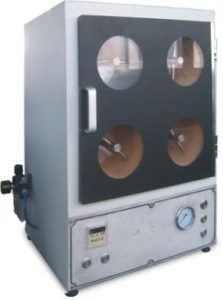
        The Random Tumble Pilling Tester is a specialized instrument designed to assess the pilling resistance of textile fabrics. Pilling refers to the formation of small, fuzzy balls (pills) on the fabric surface due to wear and friction. This tester simulates the wear conditions that fabrics experience during actual use, providing valuable data on their durability and appearance retention.   Purpose of Random Tumble Pilling Tester The primary function of the Random Tumble Pilling Tester is to evaluate how fabrics resist pilling, fuzzing, and matting. This assessment is crucial for manufacturers aiming to ensure the longevity and aesthetic quality of their textile products.   Working Principle of Random Tumble Pilling Tester The tester operates by placing fabric specimens into cylindrical test chambers lined with cork. Inside each chamber, a stainless steel impeller rotates at a high speed (typically around 1200 revolutions per minute), causing the fabric samples to tumble randomly. Compressed air is injected to enhance the tumbling action. This process simulates the friction and wear that fabrics undergo during regular use. After a predetermined duration, the samples are removed and visually assessed for pilling using standardized rating scales.   Key Specifications of Random Tumble Pilling Tester Test Chambers: Available in configurations of 2 or 4 chambers to accommodate multiple samples simultaneously. - Rotation Speed: Approximately 1200 revolutions per minute. - Chamber Dimensions: Typically around 146 mm in diameter and 152 mm in length. - Impeller Size: Standard impellers measuring about 121 mm. - Compressed Air Pressure: Adjustable, commonly between 14–21 kPa (2–3 psi). - Timer: Digital timer allowing precise control over test duration. - Power Supply: Generally operates on 220V, 50Hz power sources.   Applicable Standards of Random Tumble Pilling Tester The Random Tumble Pilling Tester complies with several international testing standards, ensuring its suitability for global applications:- ASTM D3512- ISO 12945-3- DIN 53867- JIS L 1076- GB/T 4802.4   Benefits of Random Tumble Pilling Tester - Realistic Simulation: Accurately replicates the wear and friction conditions fabrics face during actual use.- Standardized Testing: Adheres to international standards, facilitating consistent and comparable results.- Efficient Evaluation: Allows simultaneous testing of multiple samples, increasing laboratory throughput.- Quality Assurance: Provides manufacturers with critical data to improve fabric formulations and production processes. User-Friendly Operation: Features intuitive controls and clear viewing windows for easy monitoring.   Applications of Random Tumble Pilling Tester The Random Tumble Pilling Tester is widely used in various sectors of the textile industry: - Apparel Manufacturing: Assessing the durability of clothing fabrics. - Home Textiles: Evaluating materials used in upholstery, curtains, and bedding. - Quality Control Laboratories: Routine testing to ensure product consistency and compliance with standards.- Research and Development: Developing new fabrics with enhanced resistance to pilling.     Features of Random Tumble Pilling Tester:
      1. Multiple Test Chambers - Typically comes with 2 or 4 cork-lined chambers for simultaneous testing of multiple fabric samples.
      2. High-Speed Rotating Impellers - Impellers rotate at around 1200 rpm to create intense, random tumbling motion.
       
      1. Compressed Air System - Ensures continuous fabric movement and realistic simulation of wear.
      2. Digital Timer- Allows precise setting of test duration with easy-to-read display.
      3. Viewing Windows- Transparent chamber doors for monitoring fabric movement during testing.
      4. Standard Compliant Design- Meets ASTM D3512, ISO 12945-3, GB/T 4802.4 and other major standards.
       
      1. Robust Construction- Durable materials and components designed for long-term laboratory use.
      2. Easy Sample Handling - Quick-open chamber lids and simple sample placement process.
      3. Compact Footprint- Saves space in laboratory environments.
        How to Use Random Tumble Pilling Tester:
      1. Prepare Samples- Cut fabric into standard-sized specimens (usually circular or rectangular per ASTM/ISO specs)- Condition samples as per the standard (usually 24 hrs at 21°C, 65% RH).
      2. Load the Chambers - Place each sample into a cork-lined test chamber. - Add a small piece of gray cotton backing fabric if required by the method.
       
      1. Set Parameters - Adjust compressed air pressure (typically 14–21 kPa or 2–3 psi).
      - Set the test time (e.g., 30–60 minutes) using the digital timer.
      1. Start the Test- Close the chamber doors and press start. - Impellers rotate, tumbling the samples randomly with air flow.
       
      1. Stop and Unload - Once the timer ends, remove the samples carefully.
      2. Evaluate Pilling - Compare the tested samples to standard pilling rating photographs or scales.
      - Assign a rating from 1 (severe pilling) to 5 (no pilling).
      1. Record Results - Document the pilling grades and any observations.
          Random Tumble Pilling Tester [Scope of application]: It is used to test the fuzzing and pilling performance of the fabric under the condition of free rolling and friction in the drum. [Related standards]: GB/T4802.4 (Standard Drafting Unit) ISO12945.3, ASTM D3512, ASTM D1375, DIN 53867, ISO 12945-3, JIS L1076, etc. [Technical parameter]: 1. Number of boxes: 4 2. Roller specifications: diameter (146±1.0) mm, depth (152.4±1.0) mm; 3. Lining material: polychloroprene lining thickness (3.2±0.4) mm. , Hardness (60~70) IRHD; 4. Impeller specifications: φ12.7 mm×120.6 mm; 5. Plastic blade specifications: 10 mm×65 mm; 6. Rotation speed: 1~2400 rpm can be set freely 7. Working pressure: 14kPa~21kPa; 8. Time counting: (1~999) min. 9. Power supply: AC220V±10% 50Hz 80W 10. Appearance: (480×400×680)mm 11. Weight: 40kg [Standard accessories] Items and specifications Qty. Note Fuse 2 3A Main machine 1 Power cable 1 Air tube 1 Φ8mm Grey cotton sliver 4 Cork lining 4 Rating sample photo 1 White glue 1    
      Add to cart
      Quick view
      Pneumatic bursting tester

      Bursting strength tester

      Dyeing Lab Machine, Physical Testing & Fabric Testing
      $0.00
      Bursting strength tester

      Pneumatic bursting strength tester

      true burst

      Pneumatic bursting tester China national patent:ZL201210486480.8 ZL201220628425.3 Pneumatic bursting strength tester China national patent:ZL201210486480.8 ZL201220628425.3 [Scope of application]: It is used to measure the burst strength and burst expansion degree of various fabrics, including knitted fabrics, woven fabrics, non-woven fabrics, laminated fabrics and other fabrics made by other processes, under standard conditions or wet conditions. This method is employed to assess the burst strength and degree of burst expansion of various types of fabrics, such as knitted, woven, non-woven, laminated, and others produced through different processes, under both standard and wet conditions. This technique is utilized to evaluate the burst strength and extent of burst expansion in various fabric types, including knitted, woven, non-woven, laminated, and others produced through diverse manufacturing processes, under both standard and wet conditions. Benefits of Bursting strength tester: Fast testing cycle for fast feedback to the production • Auto-start, a photocell detects the presence of a sample and automatically initiates a measurement sequence, thus allowing hands-free operation • Auto-cycling function permits the continuous cycling of the upper pressure foot to facilitate representative and continuous measurements
      • Available with automatic test strip feeder Measurements are simple to make with the Mullen type Bursting Strength Tester. Fast automatic measurements Measurement starts automatically once a test piece has been placed in the measuring gap. The clamping foot descends, and a bursting strength measurement is made.
      The sample is then quickly released and is ready for the next measurement at a new position. To maximize the sample measurement rate, the tester uses a minimum of time between the bursts, so that a series of 10 measurements can be done in less than 45 seconds. The actual measuring time depends of course on the type of paper or paper board being tested. Three Different test results can be reported after a single measurement; bursting strength standard, bursting strength compensated, and bursting energy absorption (BEA).Bursting strength tester can be compensated for the stiffness of the diaphragm For low bursting strength levels, the stiffness of the diaphragm can account for a large portion of the bursting strength value. If desired, the device can also measure, calculate, and report effective bursting strength compensated from the effects of the diaphragm. Measurement of Bursting Energy Absorption (BEA) is used to determine the energy absorption capability of a material. Strong, flexible paper has higher energy absorption values, while brittle, stiff paper has lower values. Bursting Strength Tester calculates and reports BEA according to the SCAN P 24 standard Related standards of Bursting strength tester: GB/T7742.2 (the first drafting unit of national standards) ISO13938-2, etc. [Instrument characteristics]: 1. Microcomputer control, automatic burst test, automatic correction, automatic data processing, and output results in the form of experimental report. 2. Aerodynamics, high cleanliness. 3. Color touch screen interface, Chinese and English menu operation, support online communication.
      1. Bursting pressure can reach up to 1.2MPa 5. The maximum burst and expansion degree can reach 70mm. 6. Strengthen the lighting system on the test surface. 7. The main aerodynamic force helps to clamp the sample system. 8. A variety of test areas are available, and the switching is easy.
      2. A variety of unit conversions between Chinese and English. 10. Reliable anti-pinch safety protection design. [Technical parameter]: 1. Test range: (0~1)Mpa (the range above 1Mpa needs to be customized) 2. The minimum graduation value: 0.0001Mpa 3. Pressurization mode: direct pressurization, timing pressurization, and expansion degree pressurization.
      4. Test accuracy: ≤±0.2%F·S 5. Thickness of elastic diaphragm: ≤2mm 6. Testing area: cm²) 100 50 10 7.3 Dia.φ(mm) φ112.8 φ79.8 φ35.7 φ30.5 7. Air pressure rate: non-linear segmented pressurization (0.1~0.5) L/min 8. Safety cover: high-transparent plexiglass 9. Power supply: AC220V±10% 50Hz 800W 10. Dimensions: (470×490×780)mm (host L×W×H)
      Add to cart
      Quick view
      GSM Cutter with Balance
      GSM Cutter with Balance

      GSM Cutter with Balance

      Physical Testing & Fabric Testing
      $0.00
      GSM Cutter with Balance
      GSM Cutter with Balance

      GSM Cutter with Balance

        A GSM Cutter with Balance is a lab toolset used to determine the GSM (Grams per Square Meter) of fabrics, which indicates the fabric's weight and density. The kit includes a GSM round cutter and a precision weighing balance.   Purpose GSM Cutter with Balance: To accurately measure the weight per unit area of textile, paper, or nonwoven samples for quality control and product classification.   How It Works: GSM Cutter: - A circular blade cuts a fixed area (usually 100 cm²) from the fabric. Weighing Balance: - The cut piece is weighed, and the result is multiplied by 100 to get GSM. GSM = Weight (in grams) × 100   Applications of GSM Cutter with Balance: Textile and garment industry Nonwovens and paper manufacturing QC labs and R&D   Benefits of GSM Cutter with Balance: Accurate GSM Measurement - Ensures precise fabric weight analysis for quality control. Quick and Simple Operation - Allows fast sampling and GSM calculation in minutes. No Need for Area Calculation - Cutter gives a fixed area (usually 100 cm²), simplifying the formula. Improves Product Consistency - Helps maintain uniform fabric weight across batches.   Portable and User-Friendly - Compact design makes it ideal for labs and production floors. Cost-Effective Tool - Offers high accuracy without the need for expensive equipment. Versatile Use - Suitable for fabrics, paper, leather, films, and more.   Features of GSM Cutter with Balance: Rotary Blade Cutter - Stainless steel blades for clean and accurate circular cuts. Fixed Sample Area - Typically 100 cm², eliminating the need for area measurement. Precision Digital Balance   - Measures in grams with high resolution (0.01 g or better).   Rubber Cutting Pad - Protects blade and provides a smooth surface for cutting. Safety Lock - Prevents accidental blade exposure. Compact & Durable Design- Long-lasting, lab-friendly construction.   How to Use GSM Cutter with Balance: Prepare the Fabric Sample- Place the fabric on the rubber cutting pad. Cut the Sample - Hold the GSM cutter firmly and rotate it to cut a 100 cm² circular sample. Turn on the Balance - Power up the digital weighing scale and tare it to zero.   Weigh the Sample - Place the cut fabric piece on the balance and note the weight in grams. Calculate GSM - Multiply the weight by 100 to get GSM.  - GSM = Sample weight (g) × 100 Record the Result- Log the GSM value for quality control or analysis. Clean and Store - Wipe the cutter and balance, and store them safely after use.   GSM Calculation Formula: GSM (g/m²) = (Weight of Sample in grams) × 100 When using a GSM cutter (100 cm²): The cutter gives a fixed area of 100 cm², which is 1/100th of a square meter. So, multiplying the sample's weight by 100 gives the GSM directly. Example: If the sample weighs 1.75 g, then: GSM = 1.75 × 100 = 175 g/m²   Balance Calibration Guide (Manual Calibration): Warm-Up   - Turn on the balance and let it warm up for 10–15 minutes if required. Level the Balance   - Use the built-in bubble level and adjust leveling feet until the bubble is centered. Tare the Balance   - Press the “TARE” or “ZERO” button to reset the display to 0.000 g.   Enter Calibration Mode   - Press the “CAL” or “MODE” button (depends on the model). - Some balances may require holding the button for a few seconds. Use Standard Weight   - When prompted, place a certified calibration weight (e.g., 100g, 200g) on the pan.   - Wait for the display to stabilize.   Confirm Calibration   - The balance will beep or show “PASS” once successful.   - Remove the weight when done. Recheck Zero  - Ensure the display returns to 0.000 g after removing the weight.   Tips: Use certified weights for accuracy (Class F1 or E2). Calibrate in a draft-free, vibration-free environment. Calibrate daily or before critical measurements.     GSM Cutter  & Balance GSM Cutter Brand: Schroder Origin: Germany Capacity: 100 Sq.cm Supplied with 1 pcs cutting Pad and 04 pcs cutting blade. Digital Electronics balance Precision GSM Weight Balance 0.01g to 200g Model: GSM200 Brand: Schroder Origin: Germany
      Add to cart
      Quick view
      • Address
        • House 05, Road 3/A, Sector 09, Uttara, Dhaka.
      • Phone
        • 01713741546, 01974741546, 01714634452, 01838488804
      • Email
        • maamtexbd@gmail.com, info.maamtex@gmail.com, mamun@maamtexbd.com, info@maamtexbd.com
      • USEFUL LINKS
        • Privacy Policy
        • Terms & Conditions
      • USEFUL LINKS
        • Home
        • Contact Us
        • About Us

      SOCIAL MEDIA:

      Copyright Reserved by Maamtexbd 2024 | Developed by Systemeye.net.
      • Menu
      • Categories
      • Electronics
      • Lab Scientific Item
      • Home
      • Shop
      • Portfolio
      • About us
      • Contact us
      Shopping cart
      Close
      Accessibility Adjustments

      Powered by OneTap

      How long do you want to hide the toolbar?
      Hide Toolbar Duration
      Select your accessibility profile
      Vision Impaired Mode
      Enhances website's visuals
      Seizure Safe Profile
      Clear flashes & reduces color
      ADHD Friendly Mode
      Focused browsing, distraction-free
      Blindness Mode
      Reduces distractions, improves focus
      Epilepsy Safe Mode
      Dims colors and stops blinking
      Content Modules
      Font Size

      Default

      Line Height

      Default

      Color Modules
      Orientation Modules
      Chat Now