
 Products
 Martindale abrasion tester Updated
0%



Down Feather Fill tester Powerful & Accurate
$0.00
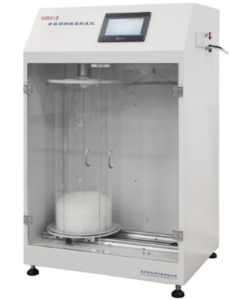
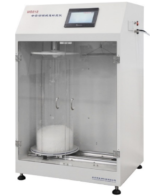
MB818 Automated Filling Power Meter for Down & Feather Fill Power Testing
Down Feather Fill tester Powerful & Accurate 1
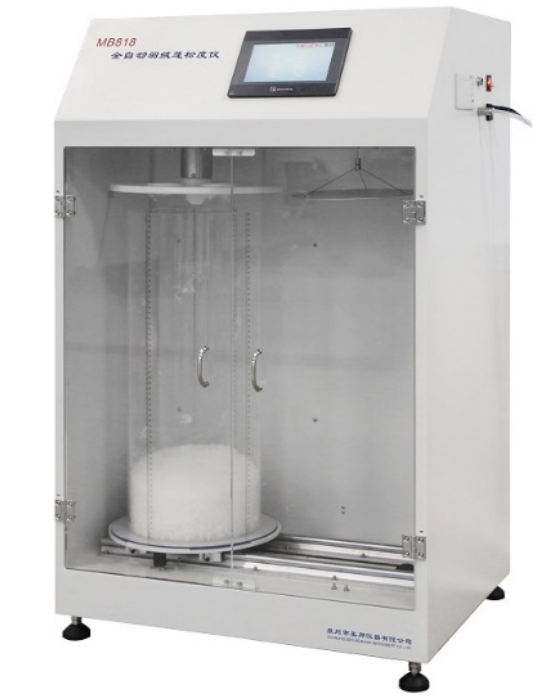
Down Feather Fill Power Test Machine MB818 is a powerful and accurate automated testing instrument designed to measure the fill power of down, feather, and other filling materials. The machine provides reliable test results for quality control and laboratory testing in textile, garment, bedding, and down-product industries.
The Down Feather Fill tester Powerful & Accurate 1 is designed to support internationally recognized testing methods and provides convenient operation with an LCD control panel, automatic measurement, selectable testing units, and printer connectivity.
The Down Feather Fill Power Test Machine is an advanced laboratory testing instrument designed to determine the filling power of down, feather and other filling materials. The MB818 Automated Filling Power Meter measures the volume occupied by a specified amount of filling material under controlled testing conditions. Fill Power is an important quality parameter used to evaluate the approximate insulation performance and lofting characteristics of down and feather fillings.
The MB818 is suitable for textile laboratories, garment testing laboratories, bedding manufacturers, down and feather processors, quality control departments and research & development facilities. The instrument supports major international testing methods including IDFB-FP, JIS L1903, GB/T 14272 and BS EN 12130.
Product Overview
The MB818 Automated Filling Power Meter features an automated testing system, adjustable sinking speed, controlled air volume and adjustable air blowing time. It is designed to provide convenient and repeatable testing of down and feather filling materials.
The instrument incorporates a strong metal housing, adjustable rubber feet, removable testing-bin and movable testing-bin plate. A built-in blower helps loosen and prepare the test material before measurement. The LCD control panel provides convenient operation and monitoring of the testing process.
Different measuring units can be selected according to the applicable testing method, including mm, cm, l/kg, cubic inch and Japanese standard units. The instrument can also be connected to a printer for test-result documentation.
What is Fill Power of Down Feather Fill tester Powerful & Accurate 1
Fill Power is a volumetric measurement commonly used for down and feather filling materials. It indicates the volume occupied by a specific mass of filling material under defined testing conditions.
Higher-quality down generally has greater lofting ability and can occupy a larger volume with the same mass of material. Therefore, fill power is an important parameter when evaluating down and feather filling materials used in insulated garments, quilts, comforters, sleeping bags and other products.
Accurate measurement of fill power helps manufacturers and laboratories maintain consistent product quality and compare different filling materials under standardized conditions.
Scope of Application
The MB818 Down Feather Fill Power Test Machine is suitable for testing:
- Down filling materials
- Feather filling materials
- Down and feather blends
- Filling materials used in garments
- Quilt and comforter fillings
- Sleeping bag filling materials
- Bedding insulation materials
- Other suitable textile filling materials
It can be used for incoming material inspection, production quality control, laboratory testing, product development and research.
Standard Features of Down Feather Fill tester Powerful & Accurate 1
The MB818 Automated Filling Power Meter provides a combination of automated operation and flexible testing control.
Key features include:
- Modern and professional instrument design
- Strong metal housing
- Adjustable rubber feet for stability
- Movable testing-bin plate
- Removable testing-bin
- Built-in blower for loosening test material
- Adjustable sinking speed
- Adjustable air volume
- Adjustable air blowing time
- Multiple selectable measuring units
- LCD control panel
- Printer connection
- Suitable for laboratory quality control
- Supports multiple international testing methods
Technical Specification of Down Feather Fill tester Powerful & Accurate 1
| Parameter | Specification |
|---|---|
| Model | MB818 |
| Product Type | Automated Filling Power Meter |
| Brand | MEBON |
| Origin | China |
| Sinking Speed | 0–1000 mm/min, adjustable |
| Air Volume | 2–40 l/s, adjustable |
| Air Blowing Time | 0:00–99:59 min, adjustable |
| IDFB-FP Cylinder | Ø288 mm × Minimum 500 mm |
| JIS L1903 Cylinder | Ø290 mm × Minimum 600 mm, Optional |
| GB/T 14272 Cylinder | Ø240 mm × 750 mm, Optional |
| Dimensions | 450 × 500 × 1250 mm |
| Power Supply | 220V, 50Hz / 110V, 60Hz |
| Weight | Approx. 75 kg |
| Control Panel | LCD |
| Printer Connection | Available |
Testing Standards of Down Feather Fill tester Powerful & Accurate 1
The MB818 Down Feather Fill Power Test Machine is designed to support major international testing standards and methods, including:
IDFB-FP
The IDFB-FP method is used for determining the filling power of down and feather materials under specified test conditions.
JIS L1903
The instrument can be configured with an optional testing cylinder for the JIS L1903 method.
GB/T 14272
An optional testing cylinder is available for testing according to GB/T 14272 requirements.
BS EN 12130
BS EN 12130 – Feather and Down – Test Methods – Determination of the Filling Power (Massic Volume) provides a standardized method for determining the filling power of feather and down materials.
Applications of Down Feather Fill tester Powerful & Accurate 1
The MB818 can be used in a wide range of textile and filling-material testing applications.
Down and Feather Industry
The machine can be used to evaluate the filling power of raw and processed down and feather materials before they are used in finished products.
Garment Industry
Manufacturers of down jackets and insulated garments can use fill power testing to evaluate filling materials and maintain consistent product quality.
Bedding Industry
The MB818 is suitable for testing fillings used in quilts, comforters, pillows and other bedding products.
Sleeping Bags
Fill power is an important characteristic of insulation materials used in sleeping bags. The MB818 can assist manufacturers in evaluating filling performance.
Textile Laboratories
Testing laboratories can use the instrument for routine quality control, material comparison, product development and research.
Advantages of Down Feather Fill tester Powerful & Accurate 1
The MB818 offers several practical advantages for laboratory and production testing.
Automated Testing:
The automated design reduces manual operations and makes the testing procedure convenient for laboratory users.
Adjustable Testing Parameters:
Sinking speed, air volume and blowing time can be adjusted according to testing requirements.
Built-in Blower:
The integrated blower helps loosen the filling material before measurement, supporting consistent sample preparation.
Multiple Measuring Units:
Users can select different measurement units such as mm, cm, l/kg and cubic inch, including Japanese standard units.
International Standard Support:
The machine supports testing methods associated with IDFB-FP, JIS L1903, GB/T 14272 and BS EN 12130.
Strong Construction:
The metal housing and adjustable rubber feet provide a stable structure suitable for laboratory use.
Easy Operation:
The LCD control panel provides convenient operation and monitoring of test parameters.
Printer Connectivity:
The instrument can be connected to a printer for documentation and reporting of test results.
Standard Accessories of Down Feather Fill tester Powerful & Accurate 1
The standard supply includes:
- Main Unit – 01 No.
- IDFB-FP Testing Kit – 01 No.
- Power Cord – 01 No.
- User’s Manual – 01 No.
- Inspection & Conformance Certificate – 01 No.
Optional Testing Kits:
JIS L1903 and GB/T 14272 testing cylinders are available as optional configurations according to the required testing method.
Why Choose a Down Feather Fill tester Powerful & Accurate 1
Accurate fill power measurement is important for manufacturers and laboratories working with down and feather products. Manual or inconsistent testing can make it difficult to compare materials and maintain consistent quality.
A dedicated Down Feather Fill Power Test Machine provides controlled testing conditions and adjustable parameters for laboratory evaluation. The MB818 combines automated operation, adjustable testing conditions, multiple measurement units and support for international testing methods in one laboratory instrument.
For companies producing down garments, quilts, bedding, sleeping bags or other insulated products, fill power testing can support raw-material inspection, quality assurance and product development.
Suitable for Textile Quality Control
The Down Feather Fill tester Powerful & Accurate is suitable for both laboratory and quality-control environments. Its compact footprint, strong metal construction and user-friendly LCD control panel make it practical for textile testing laboratories and production quality-control departments.
The Down Feather Fill tester Powerful & Accurate machine can be used alongside other textile laboratory instruments to establish a complete quality-control system for down and feather products.
Product Summary of Down Feather Fill tester Powerful & Accurate 1
The Down Feather Fill tester Powerful & Accurate is a professional Automated Filling Power Meter for determining the filling power of down, feather and other suitable filling materials. With adjustable sinking speed, air volume and blowing time, the instrument provides flexible testing conditions for different applications.
With support for IDFB-FP, JIS L1903, GB/T 14272 and BS EN 12130, the MB818 is suitable for textile laboratories, down and feather manufacturers, garment factories, bedding manufacturers, sleeping-bag manufacturers, quality-control departments and research facilities.
Product: Down Feather Fill Power Test Machine Powerful & Accurate
Model: MB818
Brand: MEBON
Origin: China
Main Application: Down & Feather Fill Power Testing
Website: MAAM TEX www.maamtexbd.com – Textile Testing & Laboratory Equipment
https://maamtexbd.com/product/down-feather-fill-power-test-machine/
www.facebook.com/maamtex
Description
Shipping & Delivery
Related products

Counting Balance-Weighing Scale
Counting Balance-Weighing Scale
Counting Balance-Weighing Scale
Counting Balance-Weighing Scale
Spray Rating Tester
Spray Rating Tester

Spray Rating Tester
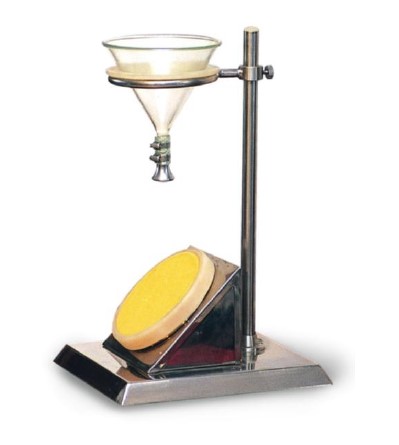
- Quick and Simple Evaluation - Offers a fast way to assess fabric water repellency without complex setup.
- Standardized Testing- Complies with AATCC 22 and ISO 4920, ensuring globally accepted results.
- Cost-Effective- Low maintenance and no power requirement make it economical for routine lab use.
- Improves Fabric Performance - Helps manufacturers develop or improve water-resistant textiles.
- Non-Destructive Test - Does not damage the fabric, allowing for additional tests on the same sample.
- Visual Grading- Easy to interpret using a standard spray rating chart (0 to 100 scale).
- Supports Quality Control - Detects finish degradation or variation in water-repellent treatments.
- Portable and Compact- Lightweight design allows easy use in various lab or field settings.
- Standardized Spray Nozzle - Delivers consistent water spray per AATCC and ISO specifications.
- 45° Specimen Mounting Angle - Ensures uniform test setup for accurate and repeatable results.
- Stainless Steel or Aluminum Frame - Corrosion-resistant and durable for long-term use with water exposure.
- Water Reservoir and Funnel System - Provides precise water volume (usually 250 ml) for each test.
- Graduated Spray Stand- Fixed height (150 mm above specimen) for controlled spray impact.
- Detachable Specimen Holder- Easy loading and removal of fabric samples.
- Compact and Lightweight Design - Portable and convenient for both lab and field testing.
- No Electricity Required - Fully manual operation increases reliability and reduces operating costs.
- Prepare the Sample - Cut fabric to standard size (usually 180 × 180 mm). - Condition the sample if required (21°C, 65% RH for 24 hours).
- Mount the Fabric - Place the fabric on the specimen holder at a 45° angle.
- Fill the Reservoir - Pour 250 ml of distilled water into the upper funnel.
- Start the Test - Release the water through the nozzle; it sprays over the fabric for about 25–30 seconds.
- Inspect the Fabric - After spraying, visually assess the water beading or penetration on the surface.
- Rate the Sample - Compare the fabric’s wetting pattern with the standard spray rating chart: - 100 = No sticking/wetting - 90–50 = Partial wetting - 0 = Complete wetting
- Record the Rating - Document the spray rating for quality control or reporting.
 Spray Reting Tester
[Scope of application]:
Used for the determination of moisture resistance (wetting grade) of various fabrics
which have been or have not been treated with water resistance or water repellency.
[related standards]:
GB/T4745 ISO4920 AATCC22 JISL1092 etc.
[technical parameters]:
1. Glass funnel:150 x 150 (capacity 500ml)
2. Specimen placement angle:The level is 45 degrees.
3. Distance from nozzle to sample center:150mm
4. Specimen diameter:Ф150mm
5. Size of water receiving pan:500×400×30mm
6. Matching measuring cups:500ml
7, size 500 x 400 x 500mm
8. Instrument weight:5Kg
Spray Reting Tester
[Scope of application]:
Used for the determination of moisture resistance (wetting grade) of various fabrics
which have been or have not been treated with water resistance or water repellency.
[related standards]:
GB/T4745 ISO4920 AATCC22 JISL1092 etc.
[technical parameters]:
1. Glass funnel:150 x 150 (capacity 500ml)
2. Specimen placement angle:The level is 45 degrees.
3. Distance from nozzle to sample center:150mm
4. Specimen diameter:Ф150mm
5. Size of water receiving pan:500×400×30mm
6. Matching measuring cups:500ml
7, size 500 x 400 x 500mm
8. Instrument weight:5Kg 
Color Matching Cabinet-Light Box
Color Matching Cabinet-Light Box
Color Matching Cabinet-Light Box

Fiber Oil Fast Extractor
Fiber Oil Fast Extractor

Fiber Oil Fast Extractor
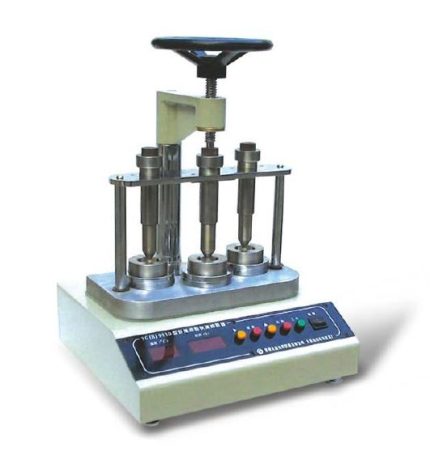
- Sample Preparation: Cut the fabric or fiber into small pieces.
- Solvent Addition: Place the sample into a metal tube and add an appropriate solvent (e.g., petroleum ether, ethyl ether).
- Extraction: Apply weight to the sample to facilitate the dissolution of oils into the solvent.
- Evaporation: The solvent-oil mixture drips onto a heated plate where the solvent evaporates, leaving behind the oil.
- Measurement: Weigh the remaining oil and calculate its percentage relative to the initial sample mass.
- Accurate Oil Content Measurement- Precisely determines oil or finish content in fibers, crucial for quality control.
- Rapid Extraction Process - Delivers fast results, improving lab efficiency and productivity.
- Simultaneous Multi-Sample Testing - Multiple workstations (e.g., 4 at once) reduce testing time for bulk samples.
- Improved Product Quality - Helps maintain consistent oil levels, which affect dyeing, processing, and fabric performance.
- Automatic Operation - Automated pressing and heating reduce manual effort and operator error.
- Digital Monitoring - Built-in timer, temperature control, and oil calculator enhance accuracy and usability.
- Compliance with Standards - Supports industry methods like GB/T 6504-2017, ensuring reliable and standard-compliant results.
- Safe Solvent Handling - Enclosed design minimizes solvent exposure and evaporation loss.
- Multiple Test Stations - Usually equipped with 2 to 4 independent work units for parallel testing.
- Automatic Weight Pressing System - Applies consistent pressure on samples for uniform solvent extraction.
- Microcomputer Temperature Control - Maintains precise heating (typically 90–120°C) with ±1°C accuracy.
- Built-in Timer and Calculator - Allows setting extraction time and calculates oil content directly.
- Solvent Evaporation Plate- Heats and evaporates solvent quickly, leaving only the oil residue.
- Digital Display - Shows time, temperature, and process status for user-friendly operation.
- Compact and Durable Design - Made with corrosion-resistant materials suited for chemical handling.
- Safety Features - Includes overheat protection and enclosed solvent chamber to reduce exposure risk.
- Standard Compliant - Designed to meet GB/T 6504-2017 and similar industry testing standards.
- Prepare the Sample - Cut 5–10 g of fiber or yarn into small pieces and place in the sample tube.
- Add Solvent - Pour a suitable solvent (e.g., petroleum ether) into the tube to cover the sample.
- Apply Weight - Place the extractor's weight or press system onto the sample to aid extraction.
- Start Extraction - Activate the machine. The solvent dissolves the oils and flows to the heating plate.
- Heat for Evaporation - Set the temperature (typically 90–120°C). The solvent evaporates, leaving oil on the plate.
- Measure Oil Content- After drying, weigh the remaining oil. Use the built-in calculator or formula:
- Clean the Unit - After cooling, clean all parts to prepare for the next test.
Fiber Oil Fast Extractor
Digital Temperature Humidity Meter
Digital Temperature Humidity Meter
Digital Temperature Humidity Meter
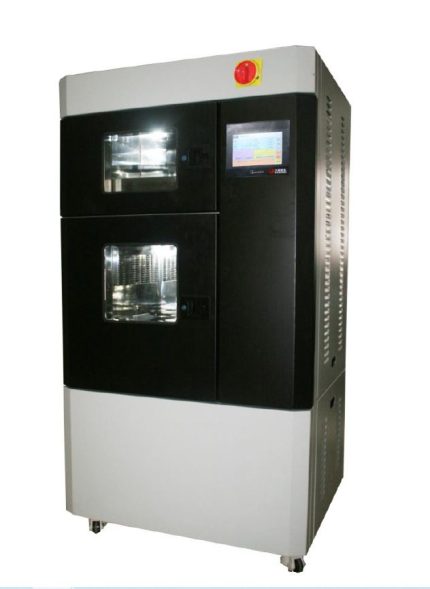
fabric moisture permeability tester
Fabric Moisture Permeability Tester
Fabric Moisture Permeability Tester
Fabric Moisture Permeability Tester
- Upright Cup Method: The fabric covers a cup containing water, and the assembly is placed upright in a controlled environment. After a set duration, the weight loss is measured to determine the WVTR.
- Inverted Cup Method: The fabric is sealed over a cup, which is then inverted and exposed to a controlled environment. The amount of water vapor absorbed by the fabric is measured over time.
- Sweating Hot Plate Test: Simulates human perspiration by measuring the energy required to maintain a constant temperature on a heated plate covered with the fabric, providing insights into the fabric's breathability.
- Multi-Cup Design - Typically includes 6 or more test cups for simultaneous testing of multiple samples.
- Rotating Turntable - Ensures uniform air exposure and consistent vapor transmission across all samples.
- Precision Weighing System- Accurate measurement of weight loss to calculate water vapor transmission rate (WVTR).
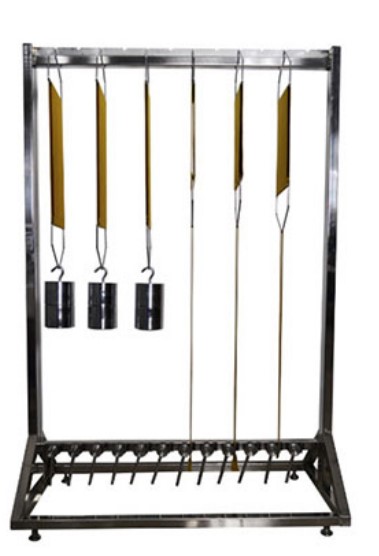
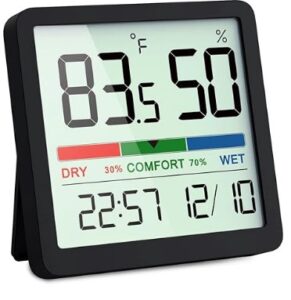
- Temperature & Humidity Control - Maintains stable environmental conditions (e.g., 23°C, 50% RH) for reliable results.
- Digital Display or Software Interface - Displays real-time data and test status; advanced models offer data logging and export.
- Compliance with Standards - Supports ASTM E96, ISO 15496, BS 7209, JIS L1099 testing methods.
- Sealed Test Chambers- Prevents external air interference, improving accuracy.
- Corrosion-Resistant Construction - Durable materials suitable for long-term use in lab environments.
- Easy Sample Mounting - Quick and secure fabric placement on test cups with sealing rings.
- Low Maintenance Design- Simplified components for easy cleaning and upkeep.
- Prepare the Test Solution - Fill each test cup with a set amount of water (e.g., 50 ml), or a desiccant if using inverted method.
- Mount the Fabric - Cut the fabric into circular pieces matching the cup size.
- Weigh the Cups - Record the initial weight of each cup with the fabric mounted.
- Place on Turntable - Position all cups on the rotating tray inside the controlled chamber.
- Set Conditions - Close the chamber and maintain temperature (e.g., 23°C) and relative humidity (e.g., 50%) as per test standard.
- Start the Test - Begin rotation (usually ~2 RPM) and let it run for the specified time (often 24 hours).
- Weigh the Cups Again- After the test duration, reweigh the cups to determine weight loss due to moisture vapor passing through the fabric. Calculate WVTR - Use the formula: WVTR = (Weight Loss in grams × 24) / (Test Area in m² × Time in hours) Expressed in g/m²/24h.Clean and Store - Clean cups and components for future use.
 Scope of application
It is used to determine the moisture permeability of various fabrics
(including moisture permeable coated fabrics)
and nonwovens such as batting cotton and space cotton.
[Related standards] GB/T12704 ASTM E90 JIS L1099A BS 7209 JIS L1099B (custom) etc.
Instrument characteristics
1. Integrated structure of baking oven and constant temperature and humidity box.
2. Microcomputer control, color touch screen Chinese menu operation.
3. Circulating air velocity 0.2-3m/s digital setting.
4. Imported high-precision temperature and humidity sensor, imported motor drive, ceramic
heating tube heating.
Technical parameters
1.Work mode: Microcomputer control, color touch screen Chinese menu operation, test environment monitoring.
2. Sample box control temperature:15 ~ 40 C, accuracy 0.1 + C, resolution 0.01 C
3. Heat dissipation mode:Air cooling
4. Sample box control humidity:30 ~ 95%, precision + 2%, resolution 0.01%
5. Test chamber humidification:≥300ml/h
6. Accompany oven control temperature: Room temperature to 200 c
7. Test time:1min~999h59min
8. The rate of circulating steam flow:0. 2-3m/s digital setting resolution 0.01m/s
9. Moisture permeability area:2827㎜2(∮60㎜GB)
Optional 3848, 2 (70 70 ASTM)
10. The number of moisture permeable cups.6 (GB) can be replaced by 6 (US standard).
11. Internal dimensions of drying oven:490×400×215mm
12. Power supply:Ac220V 50Hz 6kw
13. Size:930×820×1700mm
14. Weight:350kg
Scope of application
It is used to determine the moisture permeability of various fabrics
(including moisture permeable coated fabrics)
and nonwovens such as batting cotton and space cotton.
[Related standards] GB/T12704 ASTM E90 JIS L1099A BS 7209 JIS L1099B (custom) etc.
Instrument characteristics
1. Integrated structure of baking oven and constant temperature and humidity box.
2. Microcomputer control, color touch screen Chinese menu operation.
3. Circulating air velocity 0.2-3m/s digital setting.
4. Imported high-precision temperature and humidity sensor, imported motor drive, ceramic
heating tube heating.
Technical parameters
1.Work mode: Microcomputer control, color touch screen Chinese menu operation, test environment monitoring.
2. Sample box control temperature:15 ~ 40 C, accuracy 0.1 + C, resolution 0.01 C
3. Heat dissipation mode:Air cooling
4. Sample box control humidity:30 ~ 95%, precision + 2%, resolution 0.01%
5. Test chamber humidification:≥300ml/h
6. Accompany oven control temperature: Room temperature to 200 c
7. Test time:1min~999h59min
8. The rate of circulating steam flow:0. 2-3m/s digital setting resolution 0.01m/s
9. Moisture permeability area:2827㎜2(∮60㎜GB)
Optional 3848, 2 (70 70 ASTM)
10. The number of moisture permeable cups.6 (GB) can be replaced by 6 (US standard).
11. Internal dimensions of drying oven:490×400×215mm
12. Power supply:Ac220V 50Hz 6kw
13. Size:930×820×1700mm
14. Weight:350kg 
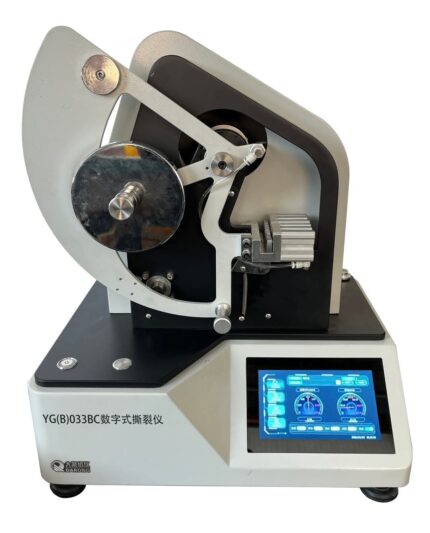
Digital Elmendorf tearing tester
Digital Elmendorf Tearing Tester
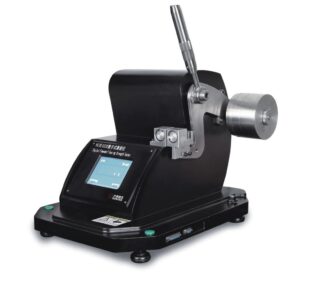
Digital Elmendorf Tearing Tester
- Accurate Tear Strength Measurement - Provides precise data on tear resistance, critical for quality control and product performance.
- Digital Readout - Easy-to-read display gives instant, reliable results without manual calculations.
- High Reproducibility - Ensures consistent test outcomes due to controlled tearing angle and speed.
- Fast Testing Process - Simple loading and quick test cycle increase lab efficiency.
- Suitable for Various Materials - Tests a wide range of flexible materials like textiles, paper, plastic, and packaging.
- Customizable Range - Use of optional weights extends the test range for low to high tear strength materials.
- Low Sample Waste - Requires small fabric or material samples, reducing waste during testing.
- Standards Compliance - Meets international testing standards (e.g., ASTM D1424, ISO 13937) for credibility and uniformity.
- Precision Sample Clamp - Securely holds samples in place to ensure accurate tear initiation.
- Pre-Cutting Blade - Integrated knife creates a precise initial slit in the sample before tearing.
- User-Friendly Interface - Simple buttons and screen navigation for ease of operation.
- Standard Test Compliance - Compatible with ASTM D1424, ISO 1974, ISO 13937, and other tear strength standards.
- Sturdy Construction - Made with durable materials for long-lasting performance and stable operation.
- Compact Design - Space-efficient footprint ideal for laboratory environments.
- Data Output Options- Some models offer USB or printer connectivity for result documentation.
- Prepare the Sample - Cut the material (fabric, paper, film, etc.) to standard size (typically 100 × 63 mm for textiles) and slit it with the pre-cutter as required.
- Select Pendulum Weight - Choose the appropriate pendulum or add counterweights based on expected tear strength.
- Calibrate the Machine - Set the pendulum to its starting position and zero the display.
- Clamp the Sample - Fix one half of the sample in the stationary clamp and the other in the moving clamp.
- Cut the Initial Slit - Use the integrated blade to make a precise cut at the marked slit area (usually 20 mm).
- Release the Pendulum - Trigger the pendulum to swing and tear the sample through the pre-slit.
- Read the Result - The digital display will show the tearing force automatically (in g, mN, or cN).
- Record or Export Data - Save or print the result if your model supports USB or printer connection.
- Reset for Next Test - Reposition the pendulum and prepare a new sample for the next cycle.
 Scope of application
It is used for the determination of the tear resistance of various woven
fabrics (Elmendorf method), and it can also be used for the determination
of the tear resistance of thick paper, plastic sheeting, electrical tape, etc.
Related standards
GB/T 3917.1 FZ/T60006 FZ/T75001 ISO1974/9290 ASTM D1424/5734
etc.
Instrument characteristics
1. Maximum 300N test range
2. Microcomputer control, digital decoding, support online
communication
3. Color touch screen control, Chinese and English menu operation
interface
4. Pneumatic clamping, automatic cutting
5. A variety of measurement units (cN, gf) selection
6. Fully automatic operation with safe operation protection.
7. Automatically increase potential energy
[Technical parameter]:
1. Test range: first gear: (0~16)N second gear: (0~32)N third gear: (0~
64)N fourth gear: (0~128)N fifth gear: (0~300)N
2. Test accuracy: ≤±0.2%F·S
3. Tearing length: 43mm (non-standard 30-60mm can be set)
4. Automatic incision length: (20±0.2)mm
5. Sample size: (100×63)mm
6. Specimen clamping: pneumatic way
7. Sample test: Up to 10 sets per group on the device side, and 30 sets
of data can be selected to be saved
8. Power supply: AC220V±10% 50Hz 100W
9. Dimensions: (650×660×680)mm
10. Weight: 50kg
[Sample of control interface]:(English version is also available.)
Scope of application
It is used for the determination of the tear resistance of various woven
fabrics (Elmendorf method), and it can also be used for the determination
of the tear resistance of thick paper, plastic sheeting, electrical tape, etc.
Related standards
GB/T 3917.1 FZ/T60006 FZ/T75001 ISO1974/9290 ASTM D1424/5734
etc.
Instrument characteristics
1. Maximum 300N test range
2. Microcomputer control, digital decoding, support online
communication
3. Color touch screen control, Chinese and English menu operation
interface
4. Pneumatic clamping, automatic cutting
5. A variety of measurement units (cN, gf) selection
6. Fully automatic operation with safe operation protection.
7. Automatically increase potential energy
[Technical parameter]:
1. Test range: first gear: (0~16)N second gear: (0~32)N third gear: (0~
64)N fourth gear: (0~128)N fifth gear: (0~300)N
2. Test accuracy: ≤±0.2%F·S
3. Tearing length: 43mm (non-standard 30-60mm can be set)
4. Automatic incision length: (20±0.2)mm
5. Sample size: (100×63)mm
6. Specimen clamping: pneumatic way
7. Sample test: Up to 10 sets per group on the device side, and 30 sets
of data can be selected to be saved
8. Power supply: AC220V±10% 50Hz 100W
9. Dimensions: (650×660×680)mm
10. Weight: 50kg
[Sample of control interface]:(English version is also available.)