

 Products
 Martindale abrasion tester Updated

0%
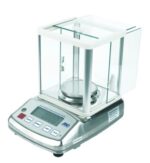
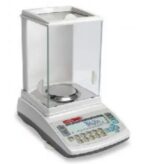
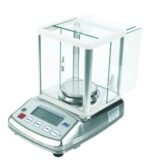
Digital precision balance
$0.00
digital precision balance
2/3/4/5 Digit Digital precision Balance
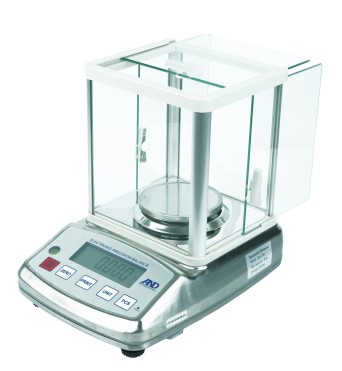
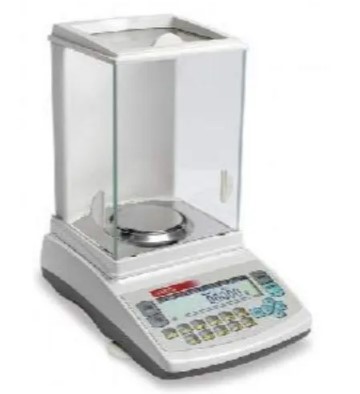
digital precision balance is a weight balance machine. It’s used to Low capacity balance. digital precision balance play an important role to accurate measurement. Digital precision balance is used to check weight paper, jewelry etc. It shows accurate result. We have the best collection of digital precision balance. MAAM TEX IS the best supplier of Precision Balance in Bangladesh
A Digital Precision Balance is a high-accuracy electronic weighing device used in laboratories, industries, and educational institutions for measuring mass with a high degree of precision. It is essential for tasks that require meticulous weight measurements, such as chemical analysis, formulation, and quality control.
Key Features:
- High Accuracy & Precision: – Typically offers readability from 0.1 g to 0.001 g (or even finer). – Ideal for weighing small amounts of material where accuracy is crucial.
- Digital Display: – Large, backlit LCD or LED display for easy reading. – Some models include touch screen interfaces.
- Tarring Function: – Allows you to subtract the weight of a container or packaging to get the net weight.
- Calibration: – Internal or external calibration to maintain accuracy over time. – Some advanced models have auto-calibration features.
- Weighing Units: – Supports multiple units like grams (g), milligrams (mg), carats (ct), and ounces (oz). Stable Platform: – Includes a draft shield to protect against air currents and vibrations, which can affect measurement accuracy.
Common Applications:- Laboratory Analysis: Precise measurement of chemicals and reagents.- Pharmaceuticals: Formulation and quality control.- Jewelry: Accurate measurement of precious metals and stones.- Education: Scientific experiments in schools and universities.
Benefits:- Reliable and Consistent Measurements- User-Friendly Operation- Compact Design with Minimal Footprint- Improved Workflow Efficiency- Enhanced Data Handling (USB or RS232 ports for data transfer in advanced models)
Benefits of digital precision balance Here are the key benefits of using a Digital Precision Balance:
- High Accuracy and Precision- Delivers extremely accurate weight measurements, often down to 0.001 g or better.- Crucial for experiments and applications where even slight variations can affect outcomes.
- User-Friendly Interface- Digital display makes readings easy to read and interpret.- Most models include intuitive controls for functions like tarring, unit conversion, and calibration.3. Speed and Efficiency- Provides instant, stable readings, saving time compared to manual or mechanical balances.- Streamlines lab workflows and enhances productivity.
- Versatile Applications- Suitable for various fields including chemistry, biology, pharmacology, food testing, and gemology.- Can handle diverse weighing tasks from solids to liquids and powders.
- Advanced Features- Tare Function: Subtracts the weight of containers automatically.- Multiple Weighing Units: Supports various measurement units.- Data Connectivity: Many models allow connection to computers or printers for data logging.
- Portability and Space Efficiency- Compact design fits easily in most laboratory setups.- Lightweight models are easy to move and store.
- Enhanced Safety and Reliability- Stable platform and draft shields reduce environmental interference.- Built-in calibration ensures ongoing accuracy.
Here’s a step-by-step guide on how to use a Digital Precision Balance safely and accurately:
1. Set Up the Balance- Place the balance on a stable, vibration-free, and level surface.- Avoid placing near fans, windows, or air vents to prevent air drafts.- Allow the balance to warm up (usually 15–30 minutes) if it has just been turned on.
⚙️ 2. Calibrate the Balance
– If it’s manual calibration, use certified calibration weights.
– For auto-calibration models, follow on-screen instructions.
– Calibration ensures accuracy in measurements.
⚖️ 3. Tare the Balance
– Place the container or weighing paper on the balance.
– Press the “Tare” or “Zero” button to set the display to zero. This subtracts the container’s weight.
4. Weigh the Sample
– Carefully add the sample into the container.
– Wait for the reading to stabilize (usually indicated by a stable icon or beep).
– Read the weight from the digital display.
5. Repeat or Change Units (if needed)
– You can press the unit button to switch between grams, milligrams, ounces, etc., depending on your needs.
6. Clean After Use
– Remove any spilled substances.
– Wipe the surface with a soft, lint-free cloth.
Do not use harsh chemicals unless specified by the manufacturer.
⚠️ Tips for Best Use:
– Avoid touching the container with bare hands (use tweezers or gloves to avoid adding extra weight from oils or moisture).- Use a draft shield if available to minimize airflow interference.- Do not overload the balance beyond its maximum capacity—it can damage the sensors.
Shipping & Delivery
Related products

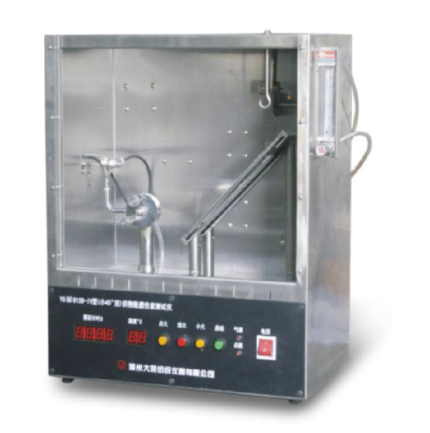
Fabric flame retardant tester
Fabric Flame Retardant Tester
Fabric Flame Retardant Tester
- Sample Preparation: A fabric specimen is cut to specified dimensions and conditioned as per standard requirements.
- Mounting: The sample is mounted vertically or at a specified angle in the testing chamber.
- Ignition: A controlled flame is applied to the fabric for a predetermined time.
- Observation: The tester records ignition time, flame spread, after-flame time, and afterglow time.
- Evaluation: Results are compared against standard criteria to determine compliance.
- Prepare the Sample
- Mount the Sample
- Set Up the Burner Position the burner at the required angle (usually 90° for vertical tests).
- Ignite the Flame - Apply the flame to the bottom edge of the fabric for 12 seconds.
- Observe and Measure - Start timing when flame is applied.
- Record the Results
- Compare with Standards
 burning of flammable textile materials after ignition.
(specific ignition nozzles and sample holders can be customized to meet multiple criteria).
Related standards
GB/T14644 ASTM D1230 CFR1610 etc.
Technical parameters
1. The spread of time:0 ~ 999.9S resolution 0.1S
2. The temperature inside the box shows:Room temperature -99 degrees C resolution 1 c
3. Igniting time:1S
4. Type of igniter:4 1/2 syringe
5. Sample clip size:Outer frame:204mm * 78mm inner frame:152mm×38mm
6. Distance from the top of the igniter to the sample surface:8mm
7. Studio size and outline size
Studio size:370mm×220mm×350mm
Outline size:375mm×245mm×478mm
8. Power supply:AC220V 50Hz 20W
9. Weight:18Kg
burning of flammable textile materials after ignition.
(specific ignition nozzles and sample holders can be customized to meet multiple criteria).
Related standards
GB/T14644 ASTM D1230 CFR1610 etc.
Technical parameters
1. The spread of time:0 ~ 999.9S resolution 0.1S
2. The temperature inside the box shows:Room temperature -99 degrees C resolution 1 c
3. Igniting time:1S
4. Type of igniter:4 1/2 syringe
5. Sample clip size:Outer frame:204mm * 78mm inner frame:152mm×38mm
6. Distance from the top of the igniter to the sample surface:8mm
7. Studio size and outline size
Studio size:370mm×220mm×350mm
Outline size:375mm×245mm×478mm
8. Power supply:AC220V 50Hz 20W
9. Weight:18Kg

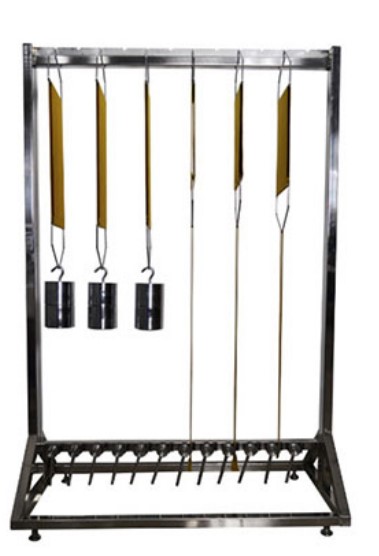
Stretch Recovery Tester Static Method
Stretch Recovery Tester – Static Method | ASTM D3107 / D2594 | Ready Stock Bangladesh
Product Introduction
The Stretch Recovery Tester – Static Method is a professional textile laboratory testing instrument designed to evaluate the stretch and recovery properties of elastic fabrics, knitted fabrics, stretch garments, ribbons and other extensible textile materials. The tester is suitable for Textile Testing Laboratories, Garment Factories, Fabric Manufacturers, QA/QC Departments, R&D Laboratories and Academic Textile Laboratories. ASTM D3107 / ASTM D2594 | Ready Stock in Bangladesh | Quick Delivery | Local SupportWhy Choose This Stretch Recovery Tester?
- Ready Stock in Bangladesh
- Suitable for textile and garment testing laboratories
- Designed for stretch and recovery evaluation
- Suitable for elastic and stretchable textile materials
- Applicable to relevant ASTM testing methods
- Easy laboratory operation
- Compact and practical testing equipment
- Competitive price in Bangladesh
- Quick local delivery
- Local sales and technical support from MAAM TEX
Testing Standards
The Stretch Recovery Tester is suitable for testing requirements related to:- ASTM D3107 – Stretch Properties of Fabrics
- ASTM D2594 – Stretch Properties of Knitted Fabrics
Scope of Application
This equipment can be used for testing:- Stretch Fabrics
- Knitted Fabrics
- Elastic Fabrics
- Stretch Garments
- Sportswear Fabrics
- Elastic Ribbons
- Hosiery Materials
- Textile Materials with Stretch Properties
Suitable For
- Textile Testing Laboratories
- Garment Manufacturing Industries
- Knitwear Factories
- Fabric Mills
- Sportswear Manufacturers
- Elastic Fabric Manufacturers
- Quality Control Laboratories
- R&D Laboratories
- Third-Party Testing Laboratories
- Textile Universities & Institutes
Key Advantages
Ready Stock in Bangladesh
No need to wait for overseas import. This product is available from MAAM TEX stock in Bangladesh, subject to current stock availability.Quick Delivery
Local stock enables faster delivery compared with normal import-based supply.Competitive Price
MAAM TEX provides competitive quotations for textile laboratory testing equipment.Local Support
Professional sales and after-sales support are available for customers in Bangladesh.Laboratory Suitable
A practical solution for routine quality control, product development and textile testing applications.Frequently Asked Questions
What is a Stretch Recovery Tester?
A Stretch Recovery Tester is a textile laboratory instrument used to evaluate the ability of a fabric or elastic textile material to stretch and recover after the application and removal of a specified load or extension.What standards are applicable?
The equipment is intended for testing requirements associated with ASTM D3107 and ASTM D2594, depending on the material and test method.Who needs a Stretch Recovery Tester?
Textile mills, garment factories, knitwear manufacturers, fabric manufacturers, QA/QC laboratories, R&D departments and textile testing laboratories can use this equipment.Is this machine available in Bangladesh?
Yes. MAAM TEX offers this Stretch Recovery Tester from stock in Bangladesh, subject to current availability.Can I get a quotation?
Yes. Contact MAAM TEX for the latest price, stock confirmation, delivery information and quotation.Ready Stock – Bangladesh
No Need to Wait for Import
Stretch Recovery Tester – Static Method Ready Stock | Competitive Price | Quick Delivery | Local Support For current stock status and quotation, please contact MAAM TEX.Call to Action
Looking for a Stretch Recovery Tester in Bangladesh? Get the Stretch Recovery Tester – Static Method from MAAM TEX with ready-stock availability, competitive pricing and local support. Contact MAAM TEX today for Price & Stock Confirmation.Stretch Recovery Tester Static Method
Stretch Recovery Tester
- A sample is stretched to a predetermined extension or force.
- The stretch is maintained for a set period.
- After removing the load, the recovery (return to original length) is measured after a fixed time.
- The fabric sample is clamped and stretched to a specific length or force.
- It’s held for a fixed duration (e.g., 1–5 minutes).
- The tension is released, and the sample is allowed to recover.
- The recovered length is measured after a set time.


Stretch Recovery Tester
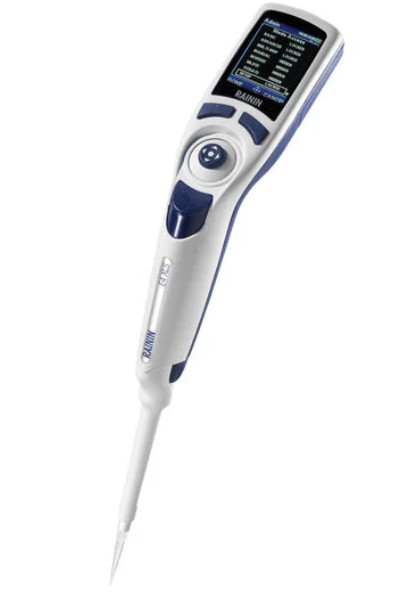
Rainin Digital Pipette
Rainin Digital Pipette
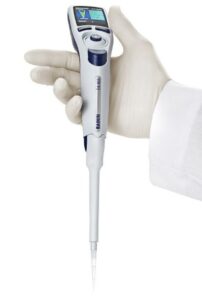
Digital Pipette
- Digital Volume Setting
- High Accuracy and Precision
- Ergonomic Design
- Easy Calibration and Maintenance
- Durable and Chemically Resistant - Built with high-quality materials that resist damage from chemicals and frequent use.
- Models and Volume Ranges - Available in single-channel and multi-channel versions.
- LTS (LiteTouch System) - Many Rainin pipettes use the LTS tip system which reduces tip ejection force and ensures a consistent seal.
- Compliance and Traceability - Some digital models offer data storage or integration with lab information systems for traceability.
- High Accuracy and Precision - Ensures reliable and reproducible results, essential for sensitive experiments.
- Digital Volume Control - Reduces human error with easy and precise volume setting via digital interface.
- Ergonomic Design- Minimizes hand strain and fatigue during prolonged use; ideal for repetitive pipetting tasks.
- LiteTouch System (LTS) - Eases tip attachment and ejection, reducing risk of RSI (Repetitive Strain Injury) and improving comfort.
- Versatile Volume Range - Available in multiple models to handle volumes from microliters to milliliters.
- Durable and Reliable - Built with high-quality materials for long life and resistance to chemicals and frequent use.
- Easy Maintenance and Calibration - Simplified calibration and cleaning ensure long-term performance and compliance.
- Data Integrity and Traceability -Some models store data, supporting audit trails and regulatory compliance.
- Enhanced Productivity - Quick setup, easy operation, and consistent performance speed up lab workflows.
- Digital Volume Adjustment - Precise and easy-to-read digital display for accurate volume setting.
- High Precision and Accuracy- Delivers consistent results, meeting ISO and GLP/GMP standards.
- Ergonomic Design- Lightweight, balanced with low plunger and tip ejection force to reduce fatigue.
- LiteTouch Tip Ejection System (LTS) - Reduces tip attachment/ejection force, improving comfort and consistency.
- Durable Construction - Built with high-quality, chemically resistant materials for long-term use.
- Wide Volume Range - Available in multiple models from 0.1 µL to 10 mL.
- Single-Channel and Multi-Channel Options - Suitable for various applications including high-throughput assays.
- Autoclavable Components- Some parts can be autoclaved for sterilization and contamination control.
- Easy Calibration and Maintenance - User-friendly calibration settings with accessible parts for cleaning.
- Optional Electronic Models - Some versions include programmable features, multiple modes (e.g., reverse pipetting), and memory storage.
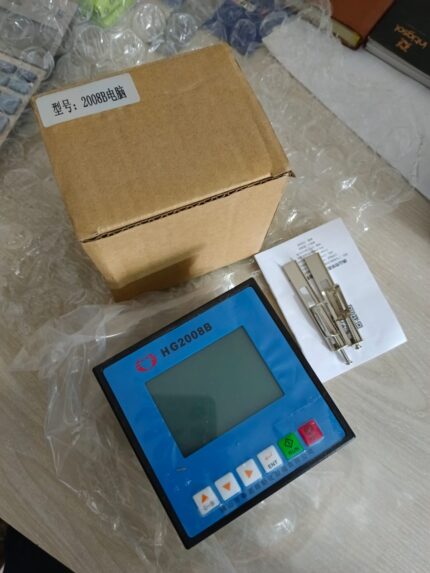

Controller For IR Dyeing Machine
Controller For IR Dyeing Machine
IR Dyeing machine controller
- Temperature Control:- Precisely regulates the infrared heaters to maintain uniform temperature across the dye bath. - Supports customizable heating curves (ramp-up, hold, and cool-down phases).
- Programmable Logic Control (PLC): - Allows operators to set and automate dyeing programs for different fabrics and dye types. - Supports multiple recipes or programs for different batches.
- Real-Time Monitoring and Feedback: - Monitors parameters like temperature, fabric rotation, bath circulation, and timing. - Provides real-time data and alarms for deviations.
- Touchscreen Interface / HMI (Human Machine Interface): - User-friendly interface for configuring and monitoring processes. - Multi-language support and graphical display of process curves.
- Data Logging and Traceability: - Records process data for quality control and traceability.
- Energy Efficiency Optimization: - Manages IR heater output to reduce energy usage. - Often includes features for auto shut-off or idle mode.
- Safety Features: - Includes emergency stop, over-temperature protection, and fault detection systems. 8. Connectivity: - Modern controllers may support Ethernet, Modbus, or other industrial communication protocols for integration into factory automation systems.
- Improved Dyeing Accuracy and Consistency
- Enhanced Energy Efficiency- Infrared heating is more energy-efficient than traditional heating methods.- The controller optimizes energy use by adjusting the IR output based on process needs, reducing overall energy consumption.
- Time Savings- Faster heating and cooling cycles due to infrared technology.- Automated processes reduce manual intervention and cycle times. 4. Better Process Control- Programmable dyeing cycles and precise control over each stage (heating, dyeing, rinsing, cooling).- Real-time monitoring and adjustments improve reliability.
- Reduced Water and Chemical Usage- More efficient dye penetration and fixation mean less water and fewer chemicals are needed for reprocessing or corrections.6. Lower Operational Costs
- Enhanced Safety Built-in alarms, emergency shut-off and automatic fault detection enhance operational safety.8. Data Logging and Traceability- Ability to record and review dyeing process data helps in quality control and troubleshooting.- Facilitates compliance with industry standards and audits.
- User-Friendly Operation- Modern touchscreen interfaces make it easier for operators to manage and monitor processes.- Multilingual support and visual feedback enhance usability.
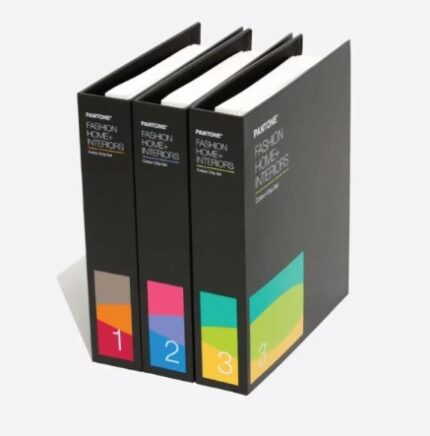
Pantone book
Pantone Book

Pantone Book
- Formula Guide (Solid Coated & Uncoated) – For spot color printing.
- Color Bridge – Shows Pantone spot colors alongside CMYK equivalents.
- Pantone Fashion, Home + Interiors (FHI) – For textiles, soft goods, and home decor.
- Pantone CMYK and Pastels & Neons Guides – For process printing and special effect colors.
- Formula Guide (Solid Coated & Uncoated)
- Color Bridge Guide (Coated & Uncoated)
- CMYK Guide (Coated & Uncoated)
- Pastels & Neons Guide
- Metallics Guide
- FHI Color Guide (TPG – Paper)
- FHI Cotton Passport & Cotton Planner (TCX – Textile)
- FHI Polyester Swatch Book
- Pantone SkinTone Guide
- Pantone Plastic Standard Chips

Pantone Book

HTHP Glycerin bath dyeing machine
HTHP Glycerin Bath Dyeing Machine
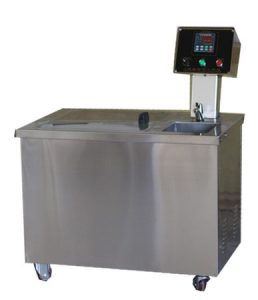
HTHP dyeing machine
- High Temperature Capability - Operates up to 140°C or more, ideal for disperse dyeing of polyester which requires elevated temperatures.
- Glycerin as Heat Transfer Medium - Glycerin allows for precise and uniform heating beyond the boiling point of water, without pressure buildup as in steam-based systems.
- Small Sample Dyeing - Used for lab-scale dyeing of fabric or yarn samples (commonly 5–10 g per tube), useful in R&D or color matching.
- Multiple Sample Capacity - Usually has multiple dyeing tubes/chambers for simultaneous dyeing of several samples under identical conditions.
- Accurate Temperature and Time Control - Digital or microprocessor-based controllers regulate temperature, heating rate, and timing precisely.
- Uniform Dyeing - Ensures even dye penetration due to consistent heat distribution and controlled rotation or agitation.
- Energy Efficient Glycerin’s heat retention reduces energy consumption compared to steam systems.
- Compact and Durable Design - Bench-top design, made from stainless steel and heat-resistant components for long life and lab use.
- Uniform Heating with Glycerin - Glycerin provides consistent heat transfer, ensuring even dye uptake and minimizing shade variation.
- Energy Efficient- Glycerin retains heat longer, reducing energy consumption compared to traditional steam-based dyeing.
- Accurate Process Control - Precise temperature and time control enhance reproducibility and dyeing consistency.
- Ideal for Lab and Sample Work - Perfect for R&D, shade matching, and recipe development with small fabric or yarn samples.
- Multi-Sample Dyeing - Allows multiple samples to be dyed simultaneously under identical conditions, saving time and effort.
- Compact and Safe - Bench-top design fits in laboratories and is safer than high-pressure steam systems.
- Low Maintenance - Simplified operation and fewer mechanical parts compared to steam-based systems lower upkeep needs.
- Faster Dyeing Cycles- Glycerin heats and cools quickly, reducing overall dyeing time.
- High-Temperature Operation - Capable of dyeing up to 140–150°C, suitable for synthetic fibers like polyester.
- Glycerin as Heat Medium - Uses glycerin for uniform, efficient heat transfer without generating high steam pressure.
- Multiple Dyeing Chambers - Usually equipped with 6–24 tubes for simultaneous multi-sample dyeing under identical conditions.
- Digital Temperature Controller- Offers precise control of temperature, time, and heating rate with programmable settings.
- Compact and Lab-Friendly Design - Bench-top model, easy to operate in laboratory environments with limited space.
- Stainless Steel Construction - Corrosion-resistant and durable for long-term, high-temperature operation.
- Safety Features - Includes over-temperature protection and thermal insulation to prevent heat loss and ensure operator safety.
- Agitation or Sample Rotation- Some models offer rotation or agitation for uniform dye penetration.
- Energy Efficient Heating - Glycerin’s heat retention improves energy efficiency over water- or steam-based systems.
- Low Maintenance - Simplified mechanical system reduces the need for frequent servicing.
Color Matching Cabinet-Light Box
Color Matching Cabinet-Light Box
Color Matching Cabinet-Light Box

Oscillation type water bath Dyeing Machine
Oscillation Type Water Bath Dyeing Machine

water bath/Shaker bath Dyeing machine
- Oscillating Mechanism - Provides back-and-forth movement of beakers for uniform dye penetration and sample agitation.
- Multiple Beaker Capacity - Supports dyeing of 12–24 samples simultaneously, ideal for comparative lab testing.
- Digital Temperature Control - Maintains precise water bath temperature (typically up to 99°C), essential for consistent dyeing.
- Variable Oscillation Speed - Adjustable speed settings (e.g., 50–200 cycles/min) to suit different materials and processes.
- Programmable Settings - Allows setting of temperature, time, and speed for repeatable and automated dyeing cycles.
- Stainless Steel Construction - Corrosion-resistant frame and bath for durability in chemical environments.
- Beaker Safety Holders - Secure placement of beakers to prevent spills and maintain consistent treatment.
- Compact Design - Lab-friendly size for easy integration into research and quality control spaces.
- Low Liquor Ratio Operation - Efficient dyeing using minimal dye bath volume (e.g., 1:5 to 1:20), reducing chemical and water use.
- Quiet and Stable Performance
water bath/Shaker bath Dyeing machine

