About us
Select category
  • Select category
  • Dyeing Lab Machine
  • Lab Equipment & Instrument
  • Physical Testing & Fabric Testing
  • Yarn Dyeing Machine & Equipment
0 items $0.00
Menu
About us
0 items $0.00
  • Home
  • Products
    • Dyeing Lab Machine
      • Products
        • IR Dyeing Machine Dunlin IR Dyeing Machine Dunlin
        • Digital Ph meter
        • Color fastness to washing machine
        • Rainin Digital Pipette
        • HTHP Glycerin bath dyeing machine
        • Laboratory mini stenter Dryer
        • Laboratory tenter
        • Laboretory hydro Extractor
        • Laboretory Padder
        • Oscillation type Dyeing Machine
        • Orbital Shaker Machine
        • Steam Soaping machine

      IR Dyeing Machine Dunlin

      View More
    • Physical Testing & Fabric Testing Machine
      • Products
        • Tensile Strength tester
        • Martindale abrasion tester
        • Martindale abrasion tester updated Martindale abrasion tester Updated
        • Digital Elmendorf tearing tester
        • Bursting strength tester
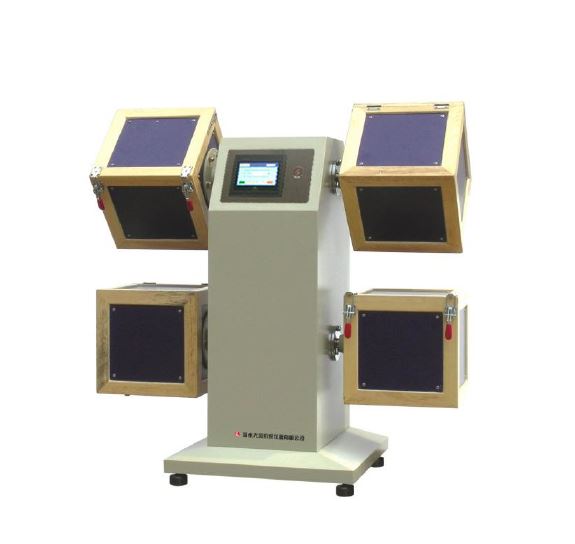
        • ICI pilling & Snagging test machine
        • Fabric Stiffness Tester
        • Color Fastness to washing machine
        • Fabric air permeability tester
        • Fabric drape tester
        • Fabric flame retardant tester
        • fabric moisture permeability tester
      • Products
        • Stretch Recovery Tester Static Method
        • Xenon Arc Light Fastness Tester
        • Fastness rotary friction tester
        • Fiber oil fast extractor
        • Fabric flame retardant tester
        • Random Tumble Pilling Tester
        • Spray Rating Tester
        • Fatigue tester for Elastic fabric
    • Lab Equipment & Instrument
      • Products
        • Counting Balance /Weighing Scale
        • controller for Ir Dyeing Machine
        • Analog Thickness gauge
        • color matching cabinet/Light box
        • VeriVide Colour Assessment Cabinets
        • Digital hotplate magnetic stirrer
        • Digital Temperature Humidity meter
        • Digital Ink Rubbing Tester
        • Digital paper dot meter Densitometer
        • Digital Bench top PH Meter
        • Digital precision balance
        • Digital thickness gauge
      • Products
        • Pantone book
        • Hydraulic GSM Cutter
        • Gray scale
        • GSM Cutter & Balance
        • Hand needle detector
      • Products
        • Perspiration Tester
        • Textile moisture meter tem aqua boy
        • VeriVide D65 Tube Light
        • Yarn Tension Meter
    • Wet & Dry Process Instrument
      • Products
        • Bosch tumble dryer
        • Bosch-Washing-Machine-WAJ2018SGC-4
        • Capillary effect tester
        • Color fastness to wash
        • Color fastness to sublimation & heating
        • Durawash print Durability tester
        • Formaldehyde tester for textiles
        • Ozone Exposure chamber
        • Pilling assessment viewer
        • Whirlpool washer & Dryer
      Textile Machinery Supplier in Bangladesh

      MAAM TEX

      Lab Machine Supplier in Bangladesh, Testing machine supplier in Bangladesh, Dyeing Machine supplier in Bangladesh, Lab Machine Supplier in Dhaka, yarn Dyeing machine supplier in Bangladesh, Lab Dispensing Machine supplier in Bangladesh, soft winding machine supplier in Bangladesh, Hard winding machine supplier in Bangladesh, IR Dyeing machine supplier in Bangladesh, Lab machine Price in Bangladesh, 

    • Yarn Dyeing Machine-Equipment
      • Products
        • Cone yarn Dyeing machine
        • Automatic Bobbin Hydroextractor
        • Card winding machine for yarn
        • Sample Cone Yarn Dyeing machine
        • Digital yarn twist Tester
        • Electronic wrap reel
        • Fully Automatic Radio Frequency Dryer
        • Thread Cone Winding Machine
        • High speed hard winding machine
        • High speed Soft cone winding machine
        • Yarn evenness tester
      • Products
        • Yarn evenness tester
    • Washing-Drying Machine
      • Products
        • Automatic washing project
  • About us
  • Contact us
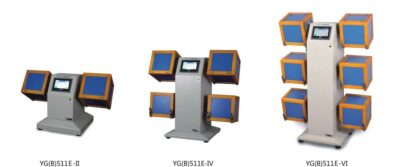
ICI Pilling & Snagging Test Machine
360 product view
    0%
    Click to enlarge
    ICI Pilling & Snagging Test Machine
    Home Physical Testing & Fabric Testing ICI Pilling & Snagging Test Machine
    Fabric Stiffness Tester
    Fabric Stiffness Tester $0.00
    Back to products
    Fastness Rotary Friction Tester
    Fastness Rotary Friction Tester $0.00

    ICI Pilling & Snagging Test Machine

    $0.00

    Category: Physical Testing & Fabric Testing Tags: ICI Pilling & Snagging Test Machine, ICI Pilling & Snagging Test Machine price in Bangladesh, ICI Pilling & Snagging Tester, ICI Pilling & Snagging Tester price in Bangladesh, ICI Pilling tester Brand: DARONG, DUNLIN
    Share:
    • Description
    • Shipping & Delivery
    Description

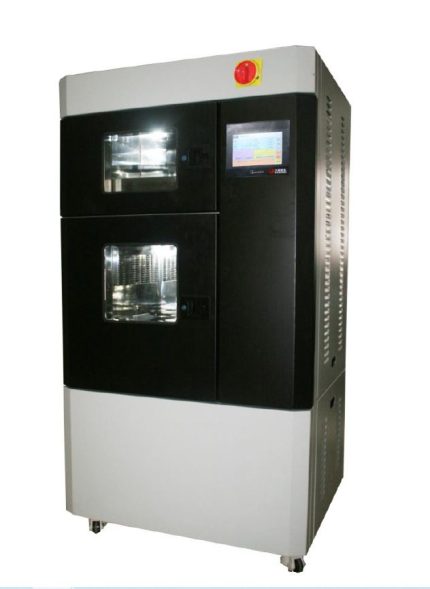
    ICI Pilling & Snagging Test Machine

    ICI Pilling & Snagging Test Machine

    ICI Pilling & Snagging Test Machine


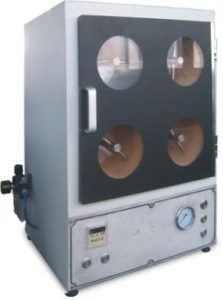
    An ICI Pilling & Snagging Test Machine is a specialized laboratory instrument designed to evaluate the resistance of textile fabrics to pilling and snagging, which are common surface defects caused by wear and friction. This tester is widely used in quality control and research and development within the textile industry to ensure fabric durability and appearance retention.


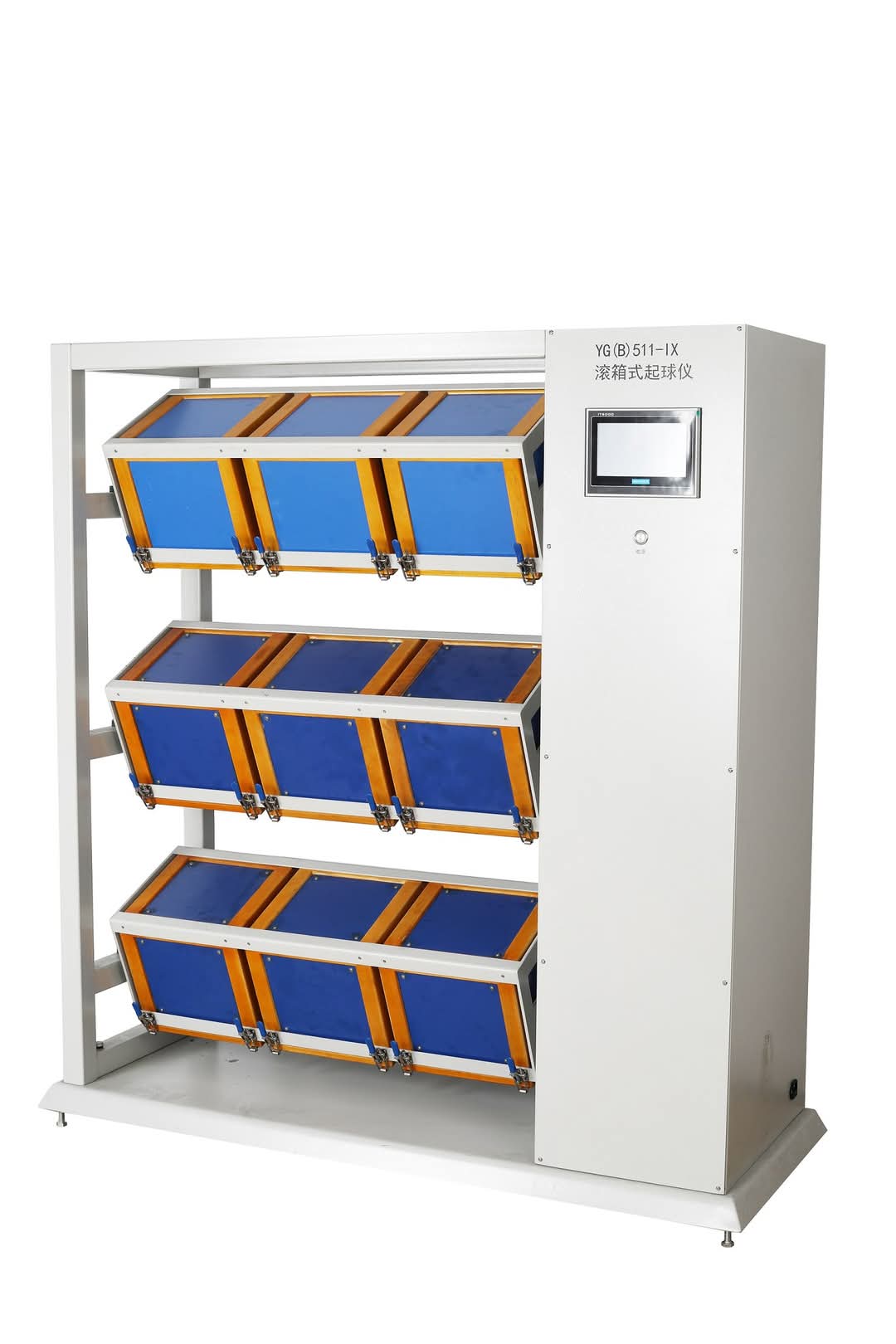
    The ICI Pilling & Snagging Test Machine simulates the mechanical action that fabrics undergo during actual wear. Test specimens are mounted on polyurethane tubes and placed inside cork-lined boxes. These boxes rotate at a specified speed, causing the specimens to tumble and rub against the cork lining and themselves, thereby replicating the conditions that lead to pilling and snagging

    Digital Control Panel: Equipped with a user-friendly interface, often featuring a touchscreen display for setting test parameters and monitoring progress.


    – Detachable Cork Liners: Cork liners inside the boxes are removable, facilitating easy replacement and maintenance. – Compliance with International Standards: Designed to meet various testing standards, including ISO 12945-1, BS 5811, JIS L1076, and IWS TM152, ensuring reliable and comparable results.


    ✅ Benefits of ICI Pilling & Snagging Test Machine:

    – Accurate Simulation of Wear Conditions: Replicates the mechanical stresses that fabrics experience during actual use, providing realistic assessments of pilling and snagging tendencies.

    – Enhanced Quality Control: Enables manufacturers to identify and address potential issues in fabric durability before products reach the market.

    – Versatility: Suitable for testing a wide range of fabrics, including woven and knitted materials, under various conditions.

    – Efficient Testing Process: Multiple specimens can be tested simultaneously, increasing throughput and productivity in laboratory settings.


    Typical Applications

    – Textile Manufacturing: Assessing the durability of fabrics during the development of new materials or quality assurance of existing products. Research and Development: Studying the effects of different yarns, weaves, and finishes on fabric performance. – Quality Assurance: Ensuring that fabrics meet specified standards for pilling and snagging resistance before mass production.


    In summary, the ICI Pilling & Snagging Tester is an essential tool in the textile industry for evaluating the surface durability of fabrics. Its ability to simulate real-life wear conditions and provide standardized assessments helps manufacturers and researchers ensure the quality and longevity of textile products.


    Features of ICI Pilling & Snagging Test Machine:

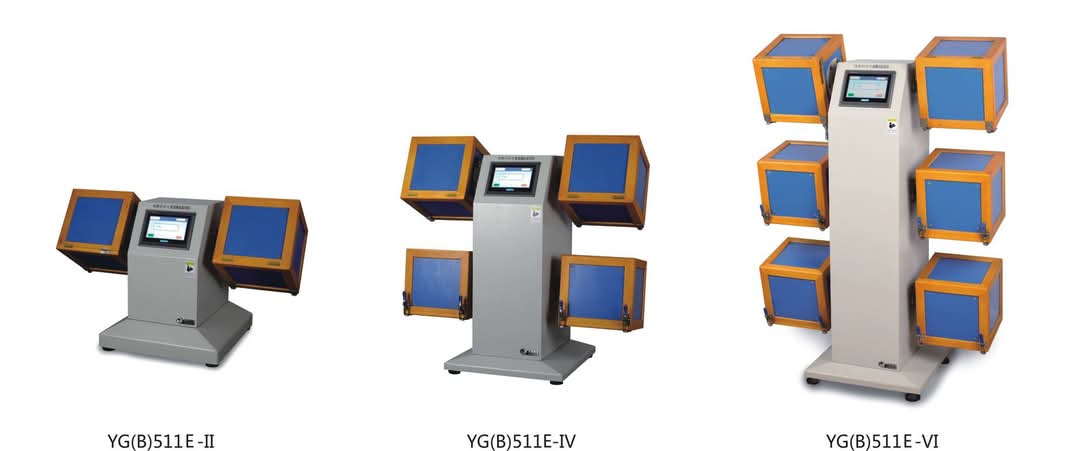
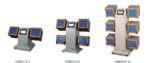
    1. Multiple Test Stations – Typically available in 2, 4, 6 & more -box configurations for simultaneous testing of multiple samples.
    2. Rotating Pilling Boxes – Cork-lined boxes rotate at a fixed speed (usually 60 ± 2 rpm) to simulate wear and friction.


    1. Adjustable Timer – Digital timer allows precise control over test duration (usually up to 9999 cycles).
    2. Detachable Cork Liners – Easily replaceable liners to maintain consistent friction surfaces and accurate results.
    3. Standard Tubes & Sample Holders- Polyurethane or foam-covered tubes hold fabric samples in a consistent shape during testing.


    1. Digital Display or Touch Panel – User-friendly interface for setting speed, cycle count, and monitoring progress.
    2. Compact and Sturdy Design – Built to withstand long testing cycles and minimize vibration.
    3. Compliance with International Standards – Supports ISO 12945-1, BS 5811, JIS L1076, IWS TM152, etc.
    4. Low Noise Operation – Engineered for quiet performance in lab environments.
    5. Safety Features – Includes secure locking system on doors and overload protection.


    How to Use ICI Pilling & Snagging Test Machine:

    1. Prepare Samples – Cut fabric specimens to standard size (typically 125 mm × 125 mm).

    – Mount each sample around a polyurethane tube and secure it with elastic bands or ties.

    1. Load into Pilling Boxes – Place each prepared tube into the cork-lined rotating boxes of the machine.
    2. Set Test Parameters – Use the digital control panel to set the number of revolutions (e.g., 7200 for ISO 12945-1) and speed (usually 60 ± 2 rpm).


    1. Start the Test- Close the box lids securely and press “Start.” The boxes will rotate, tumbling the samples inside.
    2. Monitor Progress – The timer counts down the set cycles. No need for manual supervision during the run.
    3. End of Test – Machine stops automatically when the cycle count is reached. Open the boxes and remove the tubes.


    1. Evaluate Results – Remove the fabric from the tubes and visually assess pilling or snagging using standard photographic rating scales (e.g., ASTM D3512, ISO 12945)
    2. Clean the Machine – Remove lint and debris from cork liners and clean tubes if needed.


    Tip: Always ensure samples are mounted uniformly to avoid inconsistent results.


    Use ICI Pilling & Snagging Test Machine
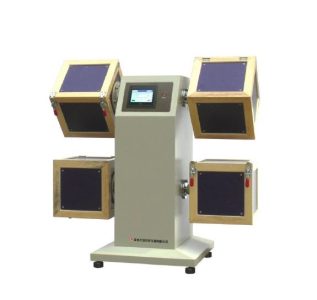
    Rolling Pilling Tester

    series rolling Pilling Resistance tester

    type rolling Pilling Resistance instrument


    [Scope of application] It is used for testing the pilling degree of fabrics (especially wool knitted fabrics) under no pressure.
    [Related standards]:GB/T4802.3 ISO12945.1 JIS L1076 IWS TM152 BS5811 etc.
    [Instrument characteristics]
    1. color touch screen menu operation in Chinese.
    2. AC servo motor quiet driving, adjustable speed.
    3. Inner village rubber cork adopts detachable design.
    4. Contactless photoelectric counting, liquid crystal display.


    Technical parameters of  ICI Pilling & Snagging Test Machine:

    Model: Number of pilling boxes
    2     4       6      9

    Inter Size: 225×225×225mm
    Rotating speed of box: 60±2r/min
    Counting range: The 1~99999 time


    [Sample carrying tube]:
    1: The shape is 31.5 x 140 mm weight 52.25g.
    2: 4 root / box
    Power Supply: Ac 220V±10% 50Hz 120W
    Outline size (mm): 930×500×580, 930×500×950, 930×500×1410, 1260×560×1470
    Weight (Kg): 60 65 125 165

      Shipping & Delivery

      Related products

      Laboratory Mini Stenter Dryer

      Laboratory mini stenter Dryer

      Dyeing Lab Machine, Physical Testing & Fabric Testing
      $0.00
      Laboratory mini stenter Dryer
      Laboratory Mini Stenter Dryer

      Automatic fixing Dryer

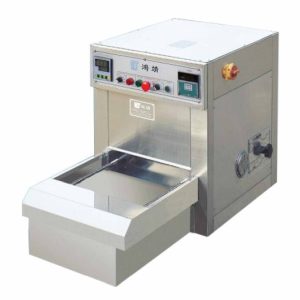
        A Laboratory Mini Stenter Dryer is a compact, lab-scale machine designed to simulate the drying and heat-setting processes used in textile finishing. It mimics the function of industrial stenter machines but on a much smaller scale, making it ideal for testing fabric behavior, shrinkage, and finish quality under controlled conditions. Key Features:
      1. Controlled Heating System
      - Typically uses electric heating with adjustable temperature (up to 220–250°C). - Ensures uniform and precise temperature control.
      1. Adjustable Fabric Width
      - Equipped with clips or pins to hold and stretch fabric width-wise, simulating stenter frame action.  
      1. Variable Speed Conveyor - Allows control over fabric dwell time for drying or heat-setting.
      2. Compact and Bench-Top Design - Space-saving design ideal for textile labs and R&D units.
      3. Digital Controls - Easy-to-use digital interface for setting temperature, conveyor speed, and process time.
      1. Transparent Viewing Window - Allows operators to monitor fabric movement and drying visually.
      2. Low Energy Consumption - Designed for lab use, consuming less power than industrial models.
      Applications: - Heat-setting of synthetic fabrics.   Drying and curing of samples post-dyeing or printing. - Evaluating fabric shrinkage, dimensional stability, and finish behavior. - Testing chemicals and auxiliaries used in textile finishing.   Benefits of Laboratory Mini Stenter Dryer:
      1. Accurate Simulation of Production - Mimics industrial stenter conditions on a lab scale, ideal for pre-production testing and R&D.
      2. Cost-Effective Testing - Enables testing and fabric finishing without the high cost or space requirements of full-scale machines.
       
      1. Energy Efficient - Consumes less power compared to large stenters, making it economical for small-scale or frequent use.
      2. Precise Control - Offers accurate control of temperature, speed, and fabric tension, ensuring consistent results.
       
      1. Space-Saving Design - Compact and bench-top friendly, perfect for laboratories with limited space.
      2. Multiple Applications - Useful for drying, heat-setting, shrinkage testing, and evaluating chemical finishes.
       
      1. Faster Development Cycles - Speeds up new product development by allowing rapid sample testing and adjustments.
      2. Improved Fabric Quality - Helps optimize finishing parameters for better dimensional stability, hand feel, and appearance.
      3. Safe and User-Friendly- Designed with lab safety in mind, including temperature safety controls and easy operation.
        Features of Laboratory Mini Stenter Dryer:
      1. Compact Bench-Top Design - Ideal for laboratory use with limited space requirements.
      2. Adjustable Temperature Control - Precise heating (usually up to 220–250°C) with digital controllers for accurate processing.
       
      1. Variable Conveyor Speed- Allows adjustment of fabric dwell time for different drying or heat-setting needs.
      2. Width Adjustment Mechanism - Equipped with clips or pins to stretch and fix fabric width-wise, simulating industrial stenter conditions.
       
      1. Transparent Viewing Window - Enables visual monitoring of fabric movement and drying inside the chamber.
      2. Digital Display Panel- Easy-to-use interface for setting and monitoring temperature, speed, and time.
      3. Stainless Steel Construction- Durable and corrosion-resistant for long-term use at high temperatures.
       
      1. Uniform Heat Distribution- Ensures consistent fabric treatment across the width.
      2. Safety Features- Over-temperature protection and insulated body for operator safety.
      3. Versatile Applications - Suitable for drying, heat-setting, shrinkage testing, and chemical finish evaluations.
        Laboratory Mini Stenter Dryer dealer In Bangladesh, Lab Mini Stenter Dryer Importer in Bangladesh, Mini Stenter Dryer in Bangladesh, Laboratory Stenter Dryer in Bd, Lab Stenter Dryer In Uttara, Lab Stenter Price in Bangladesh, Laboratory Stenter Dryer in Bangladesh, Laboratory Mini Dryer in Bangladesh,   Automatic fixing dryer Application: used for simulating the production onsite to produce the textile that meets customer requirement, including the time、temperature、resin auxiliary agent formula, elongation of the same textile, and it is also can provide basis manufacture and to ensure the correctness of mass production. Basic design as Automatic Fixing Dryer,also connect external steam for printing sample steaming. Owing the wide adjusting ranges regarding temperature, humidity, dwelling time, this apparatus can be used for : a) Electric heating for drying, curing and thermofixation, room temp.~230℃. b) Steaming with saturated steam 102±2℃ c) Electric heating and steam together for HT steaming between 102±230℃ Textile Testing Instruments Automatic Fixing Dryer  dealer In Bangladesh, Automatic Fixing Dryer Importer in Bangladesh, Automatic Fixing Dryer in Bangladesh, Automatic Fixing Dryer  in Bd, Automatic Fixing Dryer  In Uttara, Automatic Fixing Dryer  Price in Bangladesh, Automatic Fixing Dryer  Supplier in Bangladesh, Lab Dryer Machine in Bangladesh, Rapid Dryer Mini Stanter in Bangladesh
      Add to cart
      Quick view
      Hydraulic GSM Cutter
      Hydraulic GSM Cutter

      Hydraulic GSM Cutter

      Lab Equipment & Instrument, Physical Testing & Fabric Testing
      $0.00

      Hydraulic GSM Cutter

      Hydraulic GSM Cutter

      Hydraulic GSM Cutter

        A Hydraulic GSM Cutter is a precision instrument used to cut circular fabric samples for GSM (Grams per Square Meter) testing. It uses hydraulic pressure to ensure clean, uniform cuts through multiple fabric layers, making it ideal for high-throughput or thicker materials.   Purpose of Hydraulic GSM Cutter: - To prepare accurate circular samples (usually 100 cm² area) for determining fabric weight in GSM. - Used widely in textile testing labs for quality control and consistency.   Working Principle of Hydraulic GSM Cutter: - Fabric is placed on a cutting pad. - The cutter, equipped with a sharp circular blade, is hydraulically pressed down on the fabric. - The cut sample is then weighed to calculate GSM using a formula or GSM scale.   Applications of Hydraulic GSM Cutter: - Suitable for woven, knitted, and nonwoven fabrics. - Used in textile mills, labs, and R&D centers.   Benefits of Hydraulic GSM Cutter:
      1. High Cutting Precision - Ensures consistent and accurate fabric sample size for reliable GSM results.
      2. Effortless Operation- Hydraulic action reduces manual effort and operator fatigue.
      3. Ideal for Thick or Multi-Layer Fabrics - Cuts through dense or multiple fabric layers cleanly.
       
      1. Time-Saving - Speeds up the sample preparation process, especially for high-volume testing.
      2. Improves Test Accuracy - Uniform samples help eliminate errors in GSM calculation.
      3. Durable and Long-Lasting - Robust construction ensures stability and extended service life.
       
      1. Safety Enhancement - Reduces risk of injury compared to manual rotary cutters.
      2. Consistent Pressure Application - Hydraulic mechanism maintains steady force for each cut.
        Features of Hydraulic GSM Cutter:
      1. Hydraulic Press Mechanism - Applies consistent and strong pressure for clean, even cuts.
      2. Standard Cutting Die (100 cm²) - Produces fabric samples suitable for GSM testing with standard area.
      3. Heavy-Duty Construction - Built with robust metal frame for long-term lab or industrial use.
       
      1. Sharp Stainless Steel Blades - Durable and replaceable blades ensure smooth, precise cuts.
      2. Cutting Pad Included - Comes with a rubber or nylon base to protect blades and ensure clean edges.
      3. Simple Lever or Button Operation - Easy to use with minimal training required.
      4. Non-slip Base - Provides stability during operation for safe, accurate cutting.
      5. Supports Various Fabric Types
      - Suitable for woven, knitted, nonwoven, technical textiles, and coated fabrics.   How to Use Hydraulic GSM Cutter:
      1. Place the Cutting Pad - Lay the rubber or nylon cutting pad on a flat surface.
      2. Position the Fabric - Place the fabric sample flat and smooth on the cutting pad.
      3. Align the Cutter - Position the GSM cutter die over the desired area of the fabric.
      4. Activate Hydraulic Press - Pull the lever or press the button to apply hydraulic pressure and cut the sample.
       
      1. Remove the Sample - Lift the cutter and carefully take out the circular fabric piece (usually 100 cm²).
      2. Weigh the Sample - Place the cut sample on a precision balance or GSM scale to determine weight.
      3. Calculate GSM - Multiply the sample weight (in grams) by 100 to get GSM.
        GSM Formula (Grams per Square Meter): GSM is used to measure the weight of fabric and indicates its thickness and quality. Formula: GSM = (Sample Weight in grams × 10000) / Sample Area in cm² For standard cutters that cut 100 cm² samples: GSM = Sample Weight (in grams) × 100   Example: - If a 100 cm² fabric sample weighs 1.5 grams: GSM = 1.5 × 100 = 150 GSM
      Hydraulic GSM Cutter

      Hydraulic GSM Cutter

      Add to cart
      Quick view
      Digital Elmendorf Tearing Tester

      Digital Elmendorf tearing tester

      Dyeing Lab Machine, Physical Testing & Fabric Testing
      $0.00
      Digital Elmendorf Tearing Tester
      Digital Elmendorf Tearing Tester

      Digital Elmendorf Tearing Tester

        Digital Elmendorf Tearing Tester is a precision instrument used to measure the tear strength of materials like woven fabrics, paper, plastic films, and nonwovens. It determines how much force is required to continue tearing a pre-slit sample. Key Functions of Digital Elmendorf Tearing Tester: - Measures propagation tear resistance, not initial tear. - Uses a pendulum to apply force; the energy lost during tearing is calculated to determine tear strength. - Equipped with a digital display for direct reading of results in grams or millinewtons. Core Components: - Pendulum Arm: Applies tearing force. - Clamps: Secure the sample before and after the tear. - Cutting Blade: Creates a precise slit at the start of the test. - Digital Display Unit: Shows the tearing force result clearly and instantly. - Counterweights: Optional weights for increasing test range (for stronger materials).   Applications of Digital Elmendorf Tearing Tester: - Testing tear resistance of: - Textile fabrics (especially woven) - Paper and cardboard - Plastic films - Nonwovens - Packaging materials Benefits of Digital Elmendorf Tearing Tester:
      1. Accurate Tear Strength Measurement - Provides precise data on tear resistance, critical for quality control and product performance.
      2. Digital Readout - Easy-to-read display gives instant, reliable results without manual calculations.
      3. High Reproducibility - Ensures consistent test outcomes due to controlled tearing angle and speed.
       
      1. Fast Testing Process - Simple loading and quick test cycle increase lab efficiency.
      2. Suitable for Various Materials - Tests a wide range of flexible materials like textiles, paper, plastic, and packaging.
      3. Customizable Range - Use of optional weights extends the test range for low to high tear strength materials.
      4. Low Sample Waste - Requires small fabric or material samples, reducing waste during testing.
      5. Standards Compliance - Meets international testing standards (e.g., ASTM D1424, ISO 13937) for credibility and uniformity.
      Features of Digital Elmendorf Tearing Tester: Digital Display - Provides accurate and direct reading of tear strength in grams, mN, or cN. Pendulum Mechanism - Uses a swinging pendulum to simulate tear propagation with consistent force. Adjustable Test Range - Includes interchangeable pendulum weights to test various material strengths.
      1. Precision Sample Clamp - Securely holds samples in place to ensure accurate tear initiation.
      2. Pre-Cutting Blade - Integrated knife creates a precise initial slit in the sample before tearing.
      3. User-Friendly Interface - Simple buttons and screen navigation for ease of operation.
      4. Standard Test Compliance - Compatible with ASTM D1424, ISO 1974, ISO 13937, and other tear strength standards.
      1. Sturdy Construction - Made with durable materials for long-lasting performance and stable operation.
      2. Compact Design - Space-efficient footprint ideal for laboratory environments.
      3. Data Output Options- Some models offer USB or printer connectivity for result documentation.
      How to Use a Digital Elmendorf Tearing Tester:
      1. Prepare the Sample - Cut the material (fabric, paper, film, etc.) to standard size (typically 100 × 63 mm for textiles) and slit it with the pre-cutter as required.
      2. Select Pendulum Weight - Choose the appropriate pendulum or add counterweights based on expected tear strength.
      1. Calibrate the Machine - Set the pendulum to its starting position and zero the display.
      2. Clamp the Sample - Fix one half of the sample in the stationary clamp and the other in the moving clamp.
      3. Cut the Initial Slit - Use the integrated blade to make a precise cut at the marked slit area (usually 20 mm).
      1. Release the Pendulum - Trigger the pendulum to swing and tear the sample through the pre-slit.
      2. Read the Result - The digital display will show the tearing force automatically (in g, mN, or cN).
      3. Record or Export Data - Save or print the result if your model supports USB or printer connection.
      4. Reset for Next Test - Reposition the pendulum and prepare a new sample for the next cycle.
      Safety Tip: - Always ensure your hands are clear before releasing the pendulum.   Digital Elmendorf tearing tester Scope of application It is used for the determination of the tear resistance of various woven fabrics (Elmendorf method), and it can also be used for the determination of the tear resistance of thick paper, plastic sheeting, electrical tape, etc. Related standards GB/T 3917.1 FZ/T60006 FZ/T75001 ISO1974/9290 ASTM D1424/5734 etc. Instrument characteristics 1. Maximum 300N test range 2. Microcomputer control, digital decoding, support online communication 3. Color touch screen control, Chinese and English menu operation interface 4. Pneumatic clamping, automatic cutting 5. A variety of measurement units (cN, gf) selection 6. Fully automatic operation with safe operation protection. 7. Automatically increase potential energy [Technical parameter]: 1. Test range: first gear: (0~16)N second gear: (0~32)N third gear: (0~ 64)N fourth gear: (0~128)N fifth gear: (0~300)N 2. Test accuracy: ≤±0.2%F·S 3. Tearing length: 43mm (non-standard 30-60mm can be set) 4. Automatic incision length: (20±0.2)mm 5. Sample size: (100×63)mm 6. Specimen clamping: pneumatic way 7. Sample test: Up to 10 sets per group on the device side, and 30 sets of data can be selected to be saved 8. Power supply: AC220V±10% 50Hz 100W 9. Dimensions: (650×660×680)mm 10. Weight: 50kg [Sample of control interface]:(English version is also available.)
      Add to cart
      Quick view
      Fatigue tester for Elastic fabric

      Fatigue tester for Elastic fabric

      Physical Testing & Fabric Testing, Dyeing Lab Machine
      $0.00

      Fatigue Tester for Elastic Fabric

      Fatigue tester for Elastic fabric

      Fatigue tester for Elastic fabric

        A Fatigue Tester for Elastic Fabric is a specialized instrument designed to evaluate the durability and performance of elastic materials, such as elastic bands, tapes, and fabrics, under repeated stretching and relaxation cycles. This testing is crucial for applications where elastic materials are subjected to continuous or repetitive stress, ensuring they maintain their functionality over time.   Purpose Fatigue Tester for Elastic Fabric The primary objective of this tester is to simulate the conditions that elastic fabrics endure during actual use. By repeatedly stretching and relaxing the material, the tester assesses:   - Elastic Recovery: The ability of the material to return to its original length after stretching. - Fatigue Resistance: How well the material withstands repeated cycles without significant degradation. - Durability: The lifespan of the elastic properties under continuous use.   Working Principle of Fatigue Tester for Elastic Fabric The tester operates by clamping a specimen of the elastic fabric and subjecting it to cyclic stretching and relaxation.   Key operational features include: Cycle Count: The number of stretching and relaxation cycles is set according to testing requirements. - Speed Regulation: The rate of stretching can be adjusted to simulate different usage conditions. - Monitoring: The tester records data such as the number of cycles completed and any changes in the fabric's properties.   For instance, the Elastic Band Fatigue Tester ADL-FT01 features a high-speed linear slide, servo motor, and touch screen control software, allowing precise control over stretching parameters   Key Specifications of Fatigue Tester for Elastic Fabric While specifications may vary among different models, common parameters include: - Stretch Percentage: Adjustable from 0% to 100%. - Stretching Speed: Up to 40 cycles per minute. - Sample Length Range: Maximum of 260mm. - Cycle Count Capacity: Up to 9,999,999 cycles. - Control Interface: Typically a 7-inch color touch screen. - Power Supply: AC220V 50Hz/60Hz. These features enable comprehensive testing of elastic materials under various conditions.   Benefits of Fatigue Tester for Elastic Fabric - Quality Assurance: Ensures that elastic materials meet required durability standards. - Product Development: Aids in the design of materials with improved fatigue resistance. Cost Efficiency: Identifies potential material failures early, reducing product returns and warranty claims. - Compliance: Helps manufacturers adhere to industry standards such as GB/T 37635.   Applications of Fatigue Tester for Elastic Fabric Fatigue testers for elastic fabrics are widely used in: - Textile Manufacturing: Testing elastic components in garments, such as waistbands and cuffs. - Medical Textiles: Evaluating the durability of elastic materials used in bandages and supports. - Automotive Industry: Assessing elastic components in car interiors. - Research and Development: Developing new elastic materials with enhanced properties.   Features of Fatigue Tester for Elastic Fabric:
      1. Adjustable Stretch Range - Allows setting stretch levels (e.g., 0–100%) to simulate real-life fabric use.
      2. High-Cycle Capability - Supports up to millions of stretch-relax cycles for long-term fatigue analysis.
      3. Touch Screen Control - 7-inch color display for easy setup, monitoring, and data entry.
      4. Servo Motor Driven - Ensures precise and smooth linear motion during testing.
       
      1. Customizable Speed - Adjustable test speed (e.g., up to 40 cycles per minute) based on test requirements.
      2. Multi-Sample Testing - Some models allow testing multiple specimens simultaneously.
      3. Cycle Counter with Alarm - Built-in counter with programmable stop after preset cycles and auto-alert feature.
       
      1. Durable Construction - Robust metal frame suitable for continuous testing in lab environments.
      2. Standard Compliance - Designed to follow standards like GB/T 37635 for elastic fabric testing.
        How to Use Fatigue Tester for Elastic Fabric:
      1. Prepare the Sample
      - Cut the elastic fabric to the specified size (e.g., 260 mm max length). - Mark the gauge length if needed for measurement after testing.
      1. Mount the Sample - Secure both ends of the fabric in the upper and lower clamps.
      2. Set Test Parameters
      - Enter the desired stretch percentage (e.g., 50%). - Set the number of cycles and speed (e.g., 30 cycles/min). - Adjust dwell time if required (time fabric stays stretched).  
      1. Start the Test - Press start on the touch screen interface. - The machine will cyclically stretch and release the sample.
      2. Monitor Progress - Observe operation or let it run automatically.
      - Machine stops automatically after reaching the set cycles.
      1. Remove and inspect - Take out the fabric and measure elongation, recovery, or visual defects.
      2. Record and Compare Results - Compare with initial measurements or standard performance criteria.
        Fatigue tester for Elastic fabric

        Fatigue tester for Elastic fabric

         
      Add to cart
      Quick view
      GSM Cutter with Balance
      GSM Cutter with Balance

      GSM Cutter with Balance

      Physical Testing & Fabric Testing
      $0.00
      GSM Cutter with Balance
      GSM Cutter with Balance

      GSM Cutter with Balance

        A GSM Cutter with Balance is a lab toolset used to determine the GSM (Grams per Square Meter) of fabrics, which indicates the fabric's weight and density. The kit includes a GSM round cutter and a precision weighing balance.   Purpose GSM Cutter with Balance: To accurately measure the weight per unit area of textile, paper, or nonwoven samples for quality control and product classification.   How It Works: GSM Cutter: - A circular blade cuts a fixed area (usually 100 cm²) from the fabric. Weighing Balance: - The cut piece is weighed, and the result is multiplied by 100 to get GSM. GSM = Weight (in grams) × 100   Applications of GSM Cutter with Balance: Textile and garment industry Nonwovens and paper manufacturing QC labs and R&D   Benefits of GSM Cutter with Balance: Accurate GSM Measurement - Ensures precise fabric weight analysis for quality control. Quick and Simple Operation - Allows fast sampling and GSM calculation in minutes. No Need for Area Calculation - Cutter gives a fixed area (usually 100 cm²), simplifying the formula. Improves Product Consistency - Helps maintain uniform fabric weight across batches.   Portable and User-Friendly - Compact design makes it ideal for labs and production floors. Cost-Effective Tool - Offers high accuracy without the need for expensive equipment. Versatile Use - Suitable for fabrics, paper, leather, films, and more.   Features of GSM Cutter with Balance: Rotary Blade Cutter - Stainless steel blades for clean and accurate circular cuts. Fixed Sample Area - Typically 100 cm², eliminating the need for area measurement. Precision Digital Balance   - Measures in grams with high resolution (0.01 g or better).   Rubber Cutting Pad - Protects blade and provides a smooth surface for cutting. Safety Lock - Prevents accidental blade exposure. Compact & Durable Design- Long-lasting, lab-friendly construction.   How to Use GSM Cutter with Balance: Prepare the Fabric Sample- Place the fabric on the rubber cutting pad. Cut the Sample - Hold the GSM cutter firmly and rotate it to cut a 100 cm² circular sample. Turn on the Balance - Power up the digital weighing scale and tare it to zero.   Weigh the Sample - Place the cut fabric piece on the balance and note the weight in grams. Calculate GSM - Multiply the weight by 100 to get GSM.  - GSM = Sample weight (g) × 100 Record the Result- Log the GSM value for quality control or analysis. Clean and Store - Wipe the cutter and balance, and store them safely after use.   GSM Calculation Formula: GSM (g/m²) = (Weight of Sample in grams) × 100 When using a GSM cutter (100 cm²): The cutter gives a fixed area of 100 cm², which is 1/100th of a square meter. So, multiplying the sample's weight by 100 gives the GSM directly. Example: If the sample weighs 1.75 g, then: GSM = 1.75 × 100 = 175 g/m²   Balance Calibration Guide (Manual Calibration): Warm-Up   - Turn on the balance and let it warm up for 10–15 minutes if required. Level the Balance   - Use the built-in bubble level and adjust leveling feet until the bubble is centered. Tare the Balance   - Press the “TARE” or “ZERO” button to reset the display to 0.000 g.   Enter Calibration Mode   - Press the “CAL” or “MODE” button (depends on the model). - Some balances may require holding the button for a few seconds. Use Standard Weight   - When prompted, place a certified calibration weight (e.g., 100g, 200g) on the pan.   - Wait for the display to stabilize.   Confirm Calibration   - The balance will beep or show “PASS” once successful.   - Remove the weight when done. Recheck Zero  - Ensure the display returns to 0.000 g after removing the weight.   Tips: Use certified weights for accuracy (Class F1 or E2). Calibrate in a draft-free, vibration-free environment. Calibrate daily or before critical measurements.     GSM Cutter  & Balance GSM Cutter Brand: Schroder Origin: Germany Capacity: 100 Sq.cm Supplied with 1 pcs cutting Pad and 04 pcs cutting blade. Digital Electronics balance Precision GSM Weight Balance 0.01g to 200g Model: GSM200 Brand: Schroder Origin: Germany
      Add to cart
      Quick view
      Gray Scale
      Gray Scale

      Gray scale

      Physical Testing & Fabric Testing
      $0.00
      Gray Scale
      Gray Scale

      Gray Scale

        The Gray Scale is a visual tool used in the textile and dyeing industry to evaluate and grade the color change or staining of a fabric after testing (e.g., washing, rubbing, and light exposure). It helps assess how much a fabric's color has altered or transferred during durability or fastness tests. Types of Gray Scale:
      1. Gray Scale for Color Change - Compares the original and tested sample to measure color fading or alteration.
      2. Gray Scale for Staining - Compares a white adjacent fabric (before and after testing) to assess color transfer or staining.
      Rating System : - Uses a 1 to 5 scale: - Grade 5: No change or staining (excellent) - Grade 1: Severe change or heavy staining (poor) Intermediate grades (like 4–5, 3–4, etc.) are also used for finer evaluation.   Construction :- Each scale includes pairs of gray chips with varying contrast levels to visually match the test results. Usage Areas:- Textile testing labs- Dyeing and finishing quality control- Standards like ISO, AATCC, and BIS tests   Benefits :
      1. Standardized Evaluation - Provides a consistent and objective way to assess color change or staining.
      2. Simple and Quick to Use - Enables rapid visual comparison during fabric testing.
      3. Widely Accepted - Complies with international standards (ISO, AATCC) for color fastness grading.
      4. Cost-Effective Tool - Inexpensive yet essential for reliable quality control in textiles.
       
      1. Enhances Quality Assurance - Helps detect dyeing or printing issues before bulk production.
      2. Supports Multiple Tests - Used for evaluating wash fastness, rubbing fastness, perspiration, light exposure, and more.
      3. Portable and Durable - Easy to carry and long-lasting with proper care.
      Features :
      1. Dual Type Availability - Comes in two types: for Color Change and for Staining.
      2. 5-Point Grading System - Grades from 1 (poor) to 5 (excellent), with half-step intervals like 4–5, 3–4.
      3. Standardized Grey Chips - Includes contrasting grey color pairs to match fabric changes accurately.
      4. Compact Design - Small, portable card or booklet format for easy lab and field use.
       
      1. Durable Material - Made from stable, fade-resistant plastic or cardboard for long-term use.
      2. Compliance with Standards - Follows ISO 105-A02 (Color Change) and ISO 105-A03 (Staining) norms.
      3. Easy Visual Comparison - Designed for quick side-by-side assessment of fabric before and after testing.
        How to Use : Select the Right Gray Scale - Use Color Change scale to check fading, or staining scale to check color transfer.
      1. Place the Samples - Lay the untested (original) and tested fabric side by side (for color change)
      - Or place the adjacent white fabric next to the gray scale (for staining).
      1. Match Against Gray Scale Chips - Visually compare the difference between the samples and find the closest matching gray pair on the scale.
       
      1. Assign a Grade
      - Grade from 1 to 5, where: - Grade 5 = no change/staining - Grade 1 = severe change/staining - Use half-grades like 4–5 if needed.
      1. Record the Result - Note the grade in your test report as per the test method (e.g., ISO 105).
      2. Store Properly - Keep the gray scale away from light and moisture to avoid fading.
      3. Features :
        1. Dual Type Availability - Comes in two types: for Color Change and for Staining.
        2. 5-Point Grading System - Grades from 1 (poor) to 5 (excellent), with half-step intervals like 4–5, 3–4.
        3. Standardized Grey Chips - Includes contrasting grey color pairs to match fabric changes accurately.
        4. Compact Design - Small, portable card or booklet format for easy lab and field use.
        Categories:
      1. Gray Scale for Color Change - Used to evaluate the degree of color fading or change in a fabric after testing (e.g., washing, light exposure). - Assesses how much the original color has altered.
      2. Gray Scale for Staining - Used to assess the degree of color transfer from a dyed fabric to an adjacent white fabric during testing (e.g., rubbing, washing).
      - Evaluates staining on undyed fabrics.   These two types are essential tools in color fastness testing across textile labs. Want to know which standard tests use each type?
      Gray Scale

      Gray Scale

      Add to cart
      Quick view
      Pneumatic bursting tester

      Bursting strength tester

      Dyeing Lab Machine, Physical Testing & Fabric Testing
      $0.00
      Bursting strength tester

      Pneumatic bursting strength tester

      true burst

      Pneumatic bursting tester China national patent:ZL201210486480.8 ZL201220628425.3 Pneumatic bursting strength tester China national patent:ZL201210486480.8 ZL201220628425.3 [Scope of application]: It is used to measure the burst strength and burst expansion degree of various fabrics, including knitted fabrics, woven fabrics, non-woven fabrics, laminated fabrics and other fabrics made by other processes, under standard conditions or wet conditions. This method is employed to assess the burst strength and degree of burst expansion of various types of fabrics, such as knitted, woven, non-woven, laminated, and others produced through different processes, under both standard and wet conditions. This technique is utilized to evaluate the burst strength and extent of burst expansion in various fabric types, including knitted, woven, non-woven, laminated, and others produced through diverse manufacturing processes, under both standard and wet conditions. Benefits of Bursting strength tester: Fast testing cycle for fast feedback to the production • Auto-start, a photocell detects the presence of a sample and automatically initiates a measurement sequence, thus allowing hands-free operation • Auto-cycling function permits the continuous cycling of the upper pressure foot to facilitate representative and continuous measurements
      • Available with automatic test strip feeder Measurements are simple to make with the Mullen type Bursting Strength Tester. Fast automatic measurements Measurement starts automatically once a test piece has been placed in the measuring gap. The clamping foot descends, and a bursting strength measurement is made.
      The sample is then quickly released and is ready for the next measurement at a new position. To maximize the sample measurement rate, the tester uses a minimum of time between the bursts, so that a series of 10 measurements can be done in less than 45 seconds. The actual measuring time depends of course on the type of paper or paper board being tested. Three Different test results can be reported after a single measurement; bursting strength standard, bursting strength compensated, and bursting energy absorption (BEA).Bursting strength tester can be compensated for the stiffness of the diaphragm For low bursting strength levels, the stiffness of the diaphragm can account for a large portion of the bursting strength value. If desired, the device can also measure, calculate, and report effective bursting strength compensated from the effects of the diaphragm. Measurement of Bursting Energy Absorption (BEA) is used to determine the energy absorption capability of a material. Strong, flexible paper has higher energy absorption values, while brittle, stiff paper has lower values. Bursting Strength Tester calculates and reports BEA according to the SCAN P 24 standard Related standards of Bursting strength tester: GB/T7742.2 (the first drafting unit of national standards) ISO13938-2, etc. [Instrument characteristics]: 1. Microcomputer control, automatic burst test, automatic correction, automatic data processing, and output results in the form of experimental report. 2. Aerodynamics, high cleanliness. 3. Color touch screen interface, Chinese and English menu operation, support online communication.
      1. Bursting pressure can reach up to 1.2MPa 5. The maximum burst and expansion degree can reach 70mm. 6. Strengthen the lighting system on the test surface. 7. The main aerodynamic force helps to clamp the sample system. 8. A variety of test areas are available, and the switching is easy.
      2. A variety of unit conversions between Chinese and English. 10. Reliable anti-pinch safety protection design. [Technical parameter]: 1. Test range: (0~1)Mpa (the range above 1Mpa needs to be customized) 2. The minimum graduation value: 0.0001Mpa 3. Pressurization mode: direct pressurization, timing pressurization, and expansion degree pressurization.
      4. Test accuracy: ≤±0.2%F·S 5. Thickness of elastic diaphragm: ≤2mm 6. Testing area: cm²) 100 50 10 7.3 Dia.φ(mm) φ112.8 φ79.8 φ35.7 φ30.5 7. Air pressure rate: non-linear segmented pressurization (0.1~0.5) L/min 8. Safety cover: high-transparent plexiglass 9. Power supply: AC220V±10% 50Hz 800W 10. Dimensions: (470×490×780)mm (host L×W×H)
      Add to cart
      Quick view
      Fabric Drape Tester
      Fabric Drape Tester

      Fabric drape tester

      Physical Testing & Fabric Testing
      $0.00
      Fabric Drape Tester
      Fabric Drape Tester

      Fabric Drape Tester

        Fabric Drape Tester is a lab device used to measure the drape ability of fabric—how it hangs under its own weight. It assesses how fabric conforms in folds or waves, which affects garment appearance and comfort.   Purpose of Fabric Drape Tester: To evaluate the aesthetic and functional behavior of a fabric when suspended, especially important in apparel and home textiles.   Working Principle: A circular fabric specimen is placed over a smaller disc. The unsupported edges drape downward. A light source casts a shadow of the draped shape onto a recording surface or scanner. The area of the shadow is measured to calculate the drape coefficient.   Main Components of Fabric Drape Tester: - Rotating Support Disc: Holds the fabric. - Light Source: Projects the drape shadow. - Paper or Digital Scanner: Captures the drape outline. - Template: For cutting fabric to standard test size. - Software or Plan meter: Calculates the drape coefficient.   Applications of Fabric Drape Tester: - Fashion and apparel design - Fabric development - Quality control in woven, knitted, or nonwoven fabrics   Benefits of Fabric Drape Tester:
      1. Quantifies Fabric Flow - Measures drape behavior accurately, crucial for garments and furnishings.
      2. Supports Design Decisions - Helps designers select fabrics that match the intended look and movement of a product.
      3. Improves Garment Fit and Comfort - Ensures fabrics behave naturally on the body, enhancing wear ability.
       
      1. Enhances Product Aesthetics - Prevents stiff or limp fabric choices in fashion, interior, or technical textiles.
      2. Standardized Evaluation - Enables comparison across fabrics using drape coefficient, based on standards (e.g., BS 5058).
      3. Supports R&D - Useful in developing new fabrics or finishes to improve drape quality.
       
      1. Non-Destructive Testing - Tests fabric without damaging it, allowing for further analysis.
      2. Boosts Quality Control - Identifies batch inconsistencies or performance issues early in production.
        Features of Fabric Drape Tester:
      1. Rotating Support Disc - Holds the fabric sample over a smaller disc to create natural drape.
      2. Standard Sample Size Support - Designed for circular fabric samples, usually 30 cm in diameter.
      3. Light Projection System - Projects the draped fabric’s shadow onto a screen or recording surface.
       
      1. Drape Coefficient Calculation - Measures the shadow area to compute the drape coefficient (percentage of unsupported area covered by the shadow).
      2. Digital or Manual Options - Available in models with digital image processing or manual plan meter tracing.
      3. Stable Base and Structure - Ensures consistent and vibration-free testing conditions.
       
      1. Sample Templates Provided - For cutting precise, standard-sized fabric specimens.
      2. User-Friendly Interface - Simple controls for rotation and light alignment.
      3. Compact and Lab-Ready Design - Fits easily on lab benches and in testing environments.
      4. Compliance with Testing Standards - Supports BS 5058 and other relevant drape measurement methods.
        How to Use Fabric Drape Tester:
      1. Prepare the Fabric Sample - Cut a circular fabric sample, typically 30 cm in diameter, using the provided template.
      2. Place the Fabric - Center the fabric sample over the smaller support disc (usually 18 cm diameter) on the tester.
      3. Turn on the Light Source - Illuminate the fabric from above so it casts a shadow onto the recording surface or paper below.
       
      1. Capture the Shadow Outline - Trace the shadow manually on paper or capture it digitally, depending on the model.
      2. Measure the Shadow Area - Use a plan meter (manual) or software (digital) to determine the shadow’s area.
      3. Calculate Drape Coefficient (DC) - Use the formula:
      DC (%) = (Shadow Area - Support Disc Area) / (Full Fabric Area - Support Disc Area) × 100  
      1. Record the Result - Log the drape coefficient to evaluate how stiff or flexible the fabric is.
      2. Repeat for Accuracy - Test multiple samples and average the results for consistency.
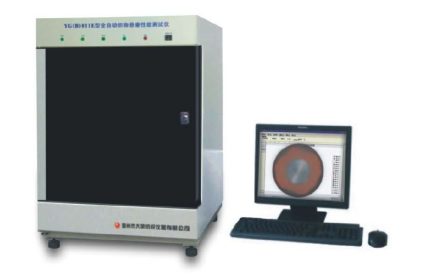
          fabric drape tester Scope of application It is used for testing dynamic and static drape properties (drape coefficient, shape change rate, surface ripple and drape uniformity, etc.) of various fabrics. Related standards GB/T23329 FZ/01045 BS5058 etc. Instrument characteristics 1. CCD imaging, dynamic and static image processing. 2. A variety of charts and data statistics, analysis, storage, output 3. No need to replace background color, can test all kinds of color samples. 4. Work mode:Microcomputer control, CCD imaging, automatic processing of images and data automatically. Technical parameters 1. Communication interface: RS232, USB 2. Image sensor: CCD sensor. 3. Static (dynamic) state draping coefficient: 0 ~ 100% + 2 4. Drapability uniformity: 0 ~ 100% + 2 5. The rate of morphological change is 0 to 100% + 2. 6. Surface waviness error: + 1
      Add to cart
      Quick view
      • Address
        • House 05, Road 3/A, Sector 09, Uttara, Dhaka.
      • Phone
        • 01713741546, 01974741546, 01714634452, 01838488804
      • Email
        • maamtexbd@gmail.com, info.maamtex@gmail.com, mamun@maamtexbd.com, info@maamtexbd.com
      • USEFUL LINKS
        • Privacy Policy
        • Terms & Conditions
      • USEFUL LINKS
        • Home
        • Contact Us
        • About Us

      SOCIAL MEDIA:

      Copyright Reserved by Maamtexbd 2024 | Developed by Systemeye.net.
      • Menu
      • Categories
      • Electronics
      • Lab Scientific Item
      • Home
      • Products
        • Dyeing Lab Machine
        • Physical Testing & Fabric Testing Machine
        • Lab Equipment & Instrument
        • Wet & Dry Process Instrument
        • Yarn Dyeing Machine-Equipment
        • Washing-Drying Machine
      • About us
      • Contact us
      Shopping cart
      Close
      Chat Now