

 Products
 Martindale abrasion tester Updated
 VeriVide Original D65 Tube Light

0%


Bursting strength tester
$0.00
Bursting strength tester

true burst
Pneumatic bursting tester
China national patent:ZL201210486480.8 ZL201220628425.3
Pneumatic bursting strength tester
China national patent:ZL201210486480.8 ZL201220628425.3
[Scope of application]:
It is used to measure the burst strength and burst expansion degree of various fabrics,
including knitted fabrics, woven fabrics, non-woven fabrics, laminated fabrics and other
fabrics made by other processes, under standard conditions or wet conditions.
This method is employed to assess the burst strength and degree of burst expansion of various types of fabrics, such as knitted, woven, non-woven, laminated, and others produced through different processes, under both standard and wet conditions.
This technique is utilized to evaluate the burst strength and extent of burst expansion in various fabric types, including knitted, woven, non-woven, laminated, and others produced through diverse manufacturing processes, under both standard and wet conditions.
Benefits of Bursting strength tester:
Fast testing cycle for fast feedback to the production • Auto-start, a photocell detects the presence of a sample and automatically initiates a measurement sequence, thus allowing hands-free operation • Auto-cycling function permits the continuous cycling of the upper pressure foot to facilitate representative and continuous measurements
- Available with automatic test strip feeder Measurements are simple to make with the Mullen type Bursting Strength Tester. Fast automatic measurements Measurement starts automatically once a test piece has been placed in the measuring gap. The clamping foot descends, and a bursting strength measurement is made.
The sample is then quickly released and is ready for the next measurement at a new position. To maximize the sample measurement rate, the tester uses a minimum of time between the bursts, so that a series of 10 measurements can be done in less than 45 seconds. The actual measuring time depends of course on the type of paper or paper board being tested. Three
Different test results can be reported after a single measurement; bursting strength standard, bursting strength compensated, and bursting energy absorption (BEA).Bursting strength tester can be compensated for the stiffness of the diaphragm For low bursting strength levels, the stiffness of the diaphragm can account for a large portion of the bursting strength value. If desired, the device can also measure, calculate, and report effective bursting strength compensated from the effects of the diaphragm.
Measurement of Bursting Energy Absorption (BEA) is used to determine the energy absorption capability of a material. Strong, flexible paper has higher energy absorption values, while brittle, stiff paper has lower values. Bursting Strength Tester calculates and reports BEA according to the SCAN P 24 standard
Related standards of Bursting strength tester:
GB/T7742.2 (the first drafting unit of national standards) ISO13938-2, etc.
[Instrument characteristics]:
1. Microcomputer control, automatic burst test, automatic correction, automatic data
processing, and output results in the form of experimental report.
2. Aerodynamics, high cleanliness.
3. Color touch screen interface, Chinese and English menu operation, support online
communication.
- Bursting pressure can reach up to 1.2MPa
5. The maximum burst and expansion degree can reach 70mm.
6. Strengthen the lighting system on the test surface.
7. The main aerodynamic force helps to clamp the sample system.
8. A variety of test areas are available, and the switching is easy. - A variety of unit conversions between Chinese and English.
10. Reliable anti-pinch safety protection design.
[Technical parameter]:
1. Test range: (0~1)Mpa (the range above 1Mpa needs to be customized)
2. The minimum graduation value: 0.0001Mpa
3. Pressurization mode: direct pressurization, timing pressurization, and expansion degree
pressurization.
4. Test accuracy: ≤±0.2%F·S
5. Thickness of elastic diaphragm: ≤2mm
6. Testing area: cm²) 100 50 10 7.3 Dia.φ(mm) φ112.8 φ79.8 φ35.7 φ30.5
7. Air pressure rate: non-linear segmented pressurization (0.1~0.5) L/min
8. Safety cover: high-transparent plexiglass
9. Power supply: AC220V±10% 50Hz 800W
10. Dimensions: (470×490×780)mm (host L×W×H)
Shipping & Delivery
Related products

Laboratory mini stenter Dryer
Laboratory mini stenter Dryer
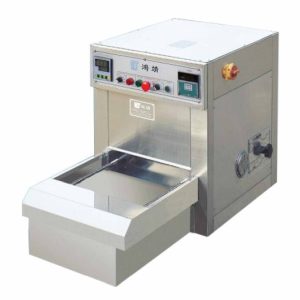
Automatic fixing Dryer
- Controlled Heating System
- Adjustable Fabric Width
- Variable Speed Conveyor - Allows control over fabric dwell time for drying or heat-setting.
- Compact and Bench-Top Design - Space-saving design ideal for textile labs and R&D units.
- Digital Controls - Easy-to-use digital interface for setting temperature, conveyor speed, and process time.
- Transparent Viewing Window - Allows operators to monitor fabric movement and drying visually.
- Low Energy Consumption - Designed for lab use, consuming less power than industrial models.
- Accurate Simulation of Production - Mimics industrial stenter conditions on a lab scale, ideal for pre-production testing and R&D.
- Cost-Effective Testing - Enables testing and fabric finishing without the high cost or space requirements of full-scale machines.
- Energy Efficient - Consumes less power compared to large stenters, making it economical for small-scale or frequent use.
- Precise Control - Offers accurate control of temperature, speed, and fabric tension, ensuring consistent results.
- Space-Saving Design - Compact and bench-top friendly, perfect for laboratories with limited space.
- Multiple Applications - Useful for drying, heat-setting, shrinkage testing, and evaluating chemical finishes.
- Faster Development Cycles - Speeds up new product development by allowing rapid sample testing and adjustments.
- Improved Fabric Quality - Helps optimize finishing parameters for better dimensional stability, hand feel, and appearance.
- Safe and User-Friendly- Designed with lab safety in mind, including temperature safety controls and easy operation.
- Compact Bench-Top Design - Ideal for laboratory use with limited space requirements.
- Adjustable Temperature Control - Precise heating (usually up to 220–250°C) with digital controllers for accurate processing.
- Variable Conveyor Speed- Allows adjustment of fabric dwell time for different drying or heat-setting needs.
- Width Adjustment Mechanism - Equipped with clips or pins to stretch and fix fabric width-wise, simulating industrial stenter conditions.
- Transparent Viewing Window - Enables visual monitoring of fabric movement and drying inside the chamber.
- Digital Display Panel- Easy-to-use interface for setting and monitoring temperature, speed, and time.
- Stainless Steel Construction- Durable and corrosion-resistant for long-term use at high temperatures.
- Uniform Heat Distribution- Ensures consistent fabric treatment across the width.
- Safety Features- Over-temperature protection and insulated body for operator safety.
- Versatile Applications - Suitable for drying, heat-setting, shrinkage testing, and chemical finish evaluations.

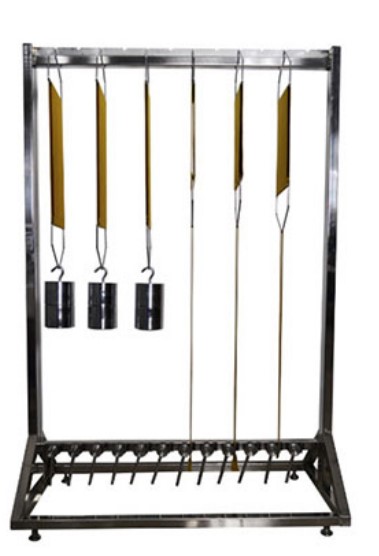
Stretch Recovery Tester Static Method
Stretch Recovery Tester – Static Method | ASTM D3107 / D2594 | Ready Stock Bangladesh
Product Introduction
The Stretch Recovery Tester – Static Method is a professional textile laboratory testing instrument designed to evaluate the stretch and recovery properties of elastic fabrics, knitted fabrics, stretch garments, ribbons and other extensible textile materials. The tester is suitable for Textile Testing Laboratories, Garment Factories, Fabric Manufacturers, QA/QC Departments, R&D Laboratories and Academic Textile Laboratories. ASTM D3107 / ASTM D2594 | Ready Stock in Bangladesh | Quick Delivery | Local SupportWhy Choose This Stretch Recovery Tester?
- Ready Stock in Bangladesh
- Suitable for textile and garment testing laboratories
- Designed for stretch and recovery evaluation
- Suitable for elastic and stretchable textile materials
- Applicable to relevant ASTM testing methods
- Easy laboratory operation
- Compact and practical testing equipment
- Competitive price in Bangladesh
- Quick local delivery
- Local sales and technical support from MAAM TEX
Testing Standards
The Stretch Recovery Tester is suitable for testing requirements related to:- ASTM D3107 – Stretch Properties of Fabrics
- ASTM D2594 – Stretch Properties of Knitted Fabrics
Scope of Application
This equipment can be used for testing:- Stretch Fabrics
- Knitted Fabrics
- Elastic Fabrics
- Stretch Garments
- Sportswear Fabrics
- Elastic Ribbons
- Hosiery Materials
- Textile Materials with Stretch Properties
Suitable For
- Textile Testing Laboratories
- Garment Manufacturing Industries
- Knitwear Factories
- Fabric Mills
- Sportswear Manufacturers
- Elastic Fabric Manufacturers
- Quality Control Laboratories
- R&D Laboratories
- Third-Party Testing Laboratories
- Textile Universities & Institutes
Key Advantages
Ready Stock in Bangladesh
No need to wait for overseas import. This product is available from MAAM TEX stock in Bangladesh, subject to current stock availability.Quick Delivery
Local stock enables faster delivery compared with normal import-based supply.Competitive Price
MAAM TEX provides competitive quotations for textile laboratory testing equipment.Local Support
Professional sales and after-sales support are available for customers in Bangladesh.Laboratory Suitable
A practical solution for routine quality control, product development and textile testing applications.Frequently Asked Questions
What is a Stretch Recovery Tester?
A Stretch Recovery Tester is a textile laboratory instrument used to evaluate the ability of a fabric or elastic textile material to stretch and recover after the application and removal of a specified load or extension.What standards are applicable?
The equipment is intended for testing requirements associated with ASTM D3107 and ASTM D2594, depending on the material and test method.Who needs a Stretch Recovery Tester?
Textile mills, garment factories, knitwear manufacturers, fabric manufacturers, QA/QC laboratories, R&D departments and textile testing laboratories can use this equipment.Is this machine available in Bangladesh?
Yes. MAAM TEX offers this Stretch Recovery Tester from stock in Bangladesh, subject to current availability.Can I get a quotation?
Yes. Contact MAAM TEX for the latest price, stock confirmation, delivery information and quotation.Ready Stock – Bangladesh
No Need to Wait for Import
Stretch Recovery Tester – Static Method Ready Stock | Competitive Price | Quick Delivery | Local Support For current stock status and quotation, please contact MAAM TEX.Call to Action
Looking for a Stretch Recovery Tester in Bangladesh? Get the Stretch Recovery Tester – Static Method from MAAM TEX with ready-stock availability, competitive pricing and local support. Contact MAAM TEX today for Price & Stock Confirmation.Stretch Recovery Tester Static Method
Stretch Recovery Tester
- A sample is stretched to a predetermined extension or force.
- The stretch is maintained for a set period.
- After removing the load, the recovery (return to original length) is measured after a fixed time.
- The fabric sample is clamped and stretched to a specific length or force.
- It’s held for a fixed duration (e.g., 1–5 minutes).
- The tension is released, and the sample is allowed to recover.
- The recovered length is measured after a set time.


Stretch Recovery Tester
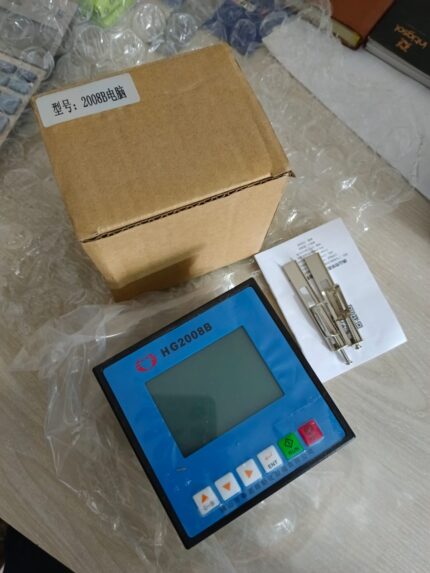

Controller For IR Dyeing Machine
Controller For IR Dyeing Machine
IR Dyeing machine controller
- Temperature Control:- Precisely regulates the infrared heaters to maintain uniform temperature across the dye bath. - Supports customizable heating curves (ramp-up, hold, and cool-down phases).
- Programmable Logic Control (PLC): - Allows operators to set and automate dyeing programs for different fabrics and dye types. - Supports multiple recipes or programs for different batches.
- Real-Time Monitoring and Feedback: - Monitors parameters like temperature, fabric rotation, bath circulation, and timing. - Provides real-time data and alarms for deviations.
- Touchscreen Interface / HMI (Human Machine Interface): - User-friendly interface for configuring and monitoring processes. - Multi-language support and graphical display of process curves.
- Data Logging and Traceability: - Records process data for quality control and traceability.
- Energy Efficiency Optimization: - Manages IR heater output to reduce energy usage. - Often includes features for auto shut-off or idle mode.
- Safety Features: - Includes emergency stop, over-temperature protection, and fault detection systems. 8. Connectivity: - Modern controllers may support Ethernet, Modbus, or other industrial communication protocols for integration into factory automation systems.
- Improved Dyeing Accuracy and Consistency
- Enhanced Energy Efficiency- Infrared heating is more energy-efficient than traditional heating methods.- The controller optimizes energy use by adjusting the IR output based on process needs, reducing overall energy consumption.
- Time Savings- Faster heating and cooling cycles due to infrared technology.- Automated processes reduce manual intervention and cycle times. 4. Better Process Control- Programmable dyeing cycles and precise control over each stage (heating, dyeing, rinsing, cooling).- Real-time monitoring and adjustments improve reliability.
- Reduced Water and Chemical Usage- More efficient dye penetration and fixation mean less water and fewer chemicals are needed for reprocessing or corrections.6. Lower Operational Costs
- Enhanced Safety Built-in alarms, emergency shut-off and automatic fault detection enhance operational safety.8. Data Logging and Traceability- Ability to record and review dyeing process data helps in quality control and troubleshooting.- Facilitates compliance with industry standards and audits.
- User-Friendly Operation- Modern touchscreen interfaces make it easier for operators to manage and monitor processes.- Multilingual support and visual feedback enhance usability.

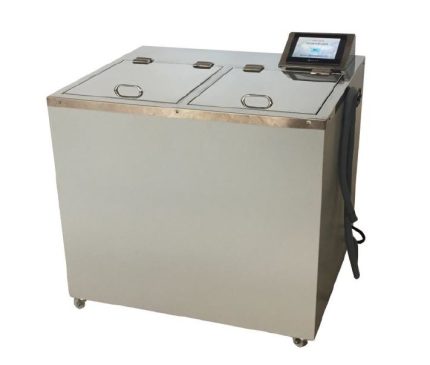
Color fastness to washing machine
COLOR FASTNESS TO WASHING MACHINE
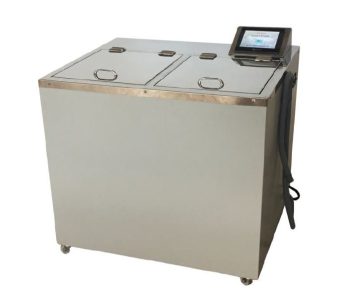
COLOR FASTNESS TO WASH MACHINE
- Drying: - After washing, the sample is dried, typically air-dried or tumble-dried.4. Evaluation: - Color change and staining on adjacent fabrics are assessed using a gray scale (1 to 5 scale; 5 = no change, 1 = severe change). - Results may also be evaluated visually under standard lighting.
- Supports Brand Reputation - Reliable color fastness contributes to a premium product image and consistent performance.4. Compliance with Standards - Meets industry requirements (e.g., ISO, AATCC), crucial for export, certifications, and regulatory compliance.
- Improves Process Control- Helps identify dyeing or finishing process issues early, leading to better production control.6. Reduces Rework and Waste - Minimizes production losses due to color defects after washing.
- Essential for Specific End Uses - Critical for items subject to frequent washing (e.g., uniforms, baby clothes, hospital linens).8. Supports Material Selection - Guides textile manufacturers in choosing appropriate dyes and fabrics for specific applications.
- Assessment of Color Change and Staining- Evaluates both the fabric’s color retention and the staining of adjacent fabrics using grey scales (1 to 5 rating).4. Multi-Fiber Fabric Use - Tests include fabric stitched with adjacent test strips (cotton, wool, etc.) to assess color bleeding onto different fibers.
- Multiple Test Options - Includes domestic, accelerated, and industrial washing conditions depending on the end-use of the fabric.6. Temperature and Time Control - Precise control over wash temperature (e.g., 40°C, 60°C) and duration (e.g., 30 mins), simulating specific washing cycles.
- Detergent and Additive Use - Uses standardized detergent formulations with/without optical brighteners, and sometimes alkaline or oxidizing agents.8. Reproducible and Quantifiable - Provides repeatable results that can be objectively measured and documented.
- Applicability to All Textile Types - Suitable for dyed, printed, or coated fabrics across various fibers (cotton, polyester, blends, etc.).
- Rate of temperature rise: Maximum speed for 2ºC/min 7. Internal materials: Imported Stainless Steel 316L 8. Control panel: Touch screen
- Rack point control function helps to replace containers easily 10. Safety device: Safety door switch, over-temperature protector and dry heating protector 11. Heating media: Distilled water 12. Power supply: AC220V 50Hz 30A
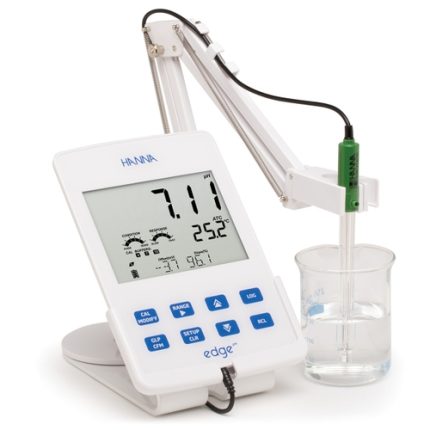
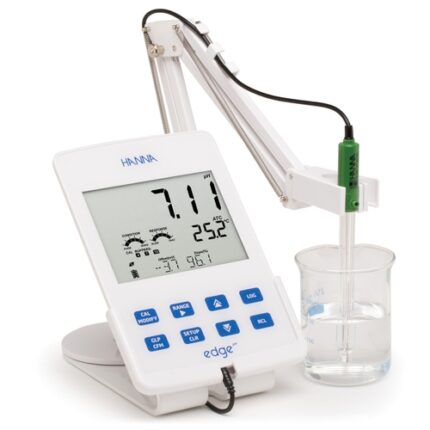
Digital Bench top PH Meter
Digital Bench top PH Meter
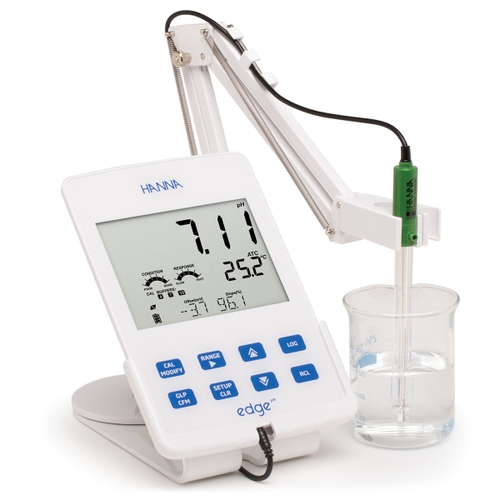
Digital Bench top PH Meter
Brand: Hanna Model: HI2002 Country of Manufacture: Romania Origin: USA
Digital Bench top PH Meter
Single parameter of Digital Bench top PH Meter features user-friendly tablet design with bench, portable or wall mount options for ultimate flexibility. Switch from portable to bench in the same procedure or clear the surface for easier working and hang on the wall. Digital Bench top PH Meter Range -2.00 to 16.00pH; pH Digital smart electrode compatible Accuracy: ±0.01 pH edge® pH is dedicated to testing pH. Using Hanna's latest innovation in technology and design, edge® can be adapted to suit your working method. Select from hand held, wall mount or bench top - or switch between them all. edge® is happy any which way. Simply plug in the electrode, then play. Measurement is simpler, quicker and more accurate than ever. Results are fast and reliable. Combining high precision technology with the user-friendly dimensions and format of a small digital tablet, edge® is breaking new ground in electrochemistry. This is a must-have meter for your laboratory.| pH Range | basic mode: -2.00 to 16.00 pH; standard mode: -2.000 to 16.000 pH | |
| Resolution | basic mode: 0.01 pH; standard mode: 0.001 pH | |
| Accuracy (@25°C) | basic mode: ±0.01 pH; standard mode: ±0.002 pH | |
| Calibration | basic mode: automatic, up to three points calibration, 5 standard buffers available; standard mode: automatic, up to five point calibration, 7 standard buffers available and two custom buffers | |
| Temperature Compensation | automatic, -5.0 to 100.0°C (using integral temperature sensor) | |
| Electrode Diagnostics | standard mode: probe condition, response time and out of calibration range | |
| mV pH Range | ±1000 mV | |
| Resolution | 0.1 mV | |
| Accuracy (@25°C) | ±0.2 mV | |
| ORP Range | ±2000 mV | |
| Resolution | 0.1 mV | |
| Accuracy (@25°C) | ±0.2 mV | |
| Temperature Range | -20.0 to 120.0°C | |
| Resolution | 0.1°C | |
| Accuracy | ±0.5°C | |
| Additional Specifications: | ||
| Probe | HI-11310 digital glass body pH electrode with 3.5mm connector and 1m cable | |
| Logging | up to 1000 (400 for basic mode) records organised in: manual log-on demand (max. 200 logs), manual log-on-stability (max. 200 logs), interval logging (max. 600 samples; 100 lots) | |
| Connectivity | 1 USB port for storage; 1 micro USB port for charging and PC connectivity | |
| Environment | 0 to 50°C; RH max 95% non-condensing | |
| Power Supply | 5 VDC adapter (included) | |
| Dimensions | 2020 x 140 x 12 mm | |
| Weight | 250 g |
- High Accuracy and Resolution
- Digital Display - Large, clear LCD or LED screen shows pH readings, temperature, and sometimes mV or ion concentration. - Some models include a backlit display for better visibility.
- Electrode System - Uses a pH-sensitive electrode (usually glass) connected to a reference electrode. Electrodes are often replaceable and require regular calibration and maintenance.
- Temperature Compensation - Automatic or manual temperature compensation to correct pH readings based on sample temperature. - Integrated temperature sensors or separate probes are used.
- Calibration Functions - Supports 2-point, 3-point, or multi-point calibration using standard buffer solutions. - Auto-recognition of calibration buffers in advanced models.
- Data Storage and Connectivity - Internal memory for storing results. - USB or RS232 ports for data export to PCs or printers; some models support wireless connectivity.
- Sturdy Design - Benchtop models are larger and more stable than portable meters. - Often come with a durable casing and electrode arm for hands-free operation.
- High Accuracy and Precision
- User-Friendly Interface- Digital displays (LCD/LED) make readings easy to see and interpret.- Many models offer intuitive controls and guided calibration, simplifying operation.
- Advanced Calibration Features- Supports multi-point calibration for improved accuracy across a wide pH range.- Some models automatically recognize buffer solutions, reducing user error.
- Temperature Compensation- Automatic temperature compensation (ATC) corrects readings based on sample temperature, ensuring accuracy.
- Stable and Durable Design- Benchtop units are more robust and stable than handheld devices, reducing the risk of spills or tipping.- Often include electrode holders or arms for secure, hands-free measurements.
- Data Management and Connectivity- Built-in memory for storing measurement data.USB, RS232, or wireless connectivity for exporting data to computers or laboratory information systems (LIS).
- Multi-Functionality- Some models also measure ORP (oxidation-reduction potential), ion concentration, or conductivity.- Suitable for a variety of testing needs beyond just pH.
- Ideal for Long-Term Use- Designed for prolonged and repeated use in laboratory environments.- Replaceable electrodes and parts extend the meter’s usable life.
- Compliance and Documentation- Data logging features support documentation and compliance with regulatory standards in regulated industries (e.g., pharma, food, environmental testing).

Laboratory hydro Extractor
Laboratory Hydro Extractor
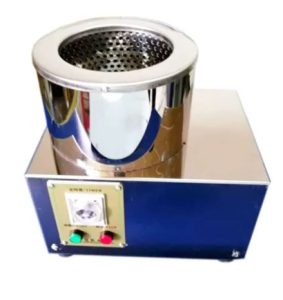
Laboratory Hydro Extractor
- Centrifugal Water Extraction - Uses high-speed spinning (typically 1400–2800 RPM) to extract water from textiles.
- Stainless Steel Inner Basket - Perforated drum holds fabric/yarn securely and allows water to drain efficiently.
- Compact Lab Design - Space-saving unit designed specifically for laboratory sample sizes.
- Digital Timer and Speed Control - Allows precise setting of spin duration and RPM to match sample needs.
- Safety Lock System - Ensures the lid remains closed during operation for user safety.
- Quick Water Removal - Significantly reduces drying time by extracting up to 90–95% of water content.
- Low Noise and Vibration - Balanced design ensures quiet and stable operation.
- Efficient Water Removal - Rapidly extracts 90–95% of water from samples, reducing drying time significantly.
- Saves Time and Energy - Cuts down the load on dryers and shortens total processing time in lab workflows.
- Improves Sample Quality - Gentle spinning preserves fabric structure, avoiding damage or distortion.
- Precise Control - Adjustable speed and timer ensure optimal settings for different fabric types.
- Compact and Lab-Friendly - Small footprint ideal for laboratory use with limited space.
- User Safety - Safety lock prevents lid opening during operation, protecting the user.
- Cost-Effective - Reduces the need for extended dryer use, saving on electricity and equipment wear.
- Versatile Use - Suitable for yarn, fabric, and garment samples across various fiber types.
- High-Speed Centrifugal Operation - Typically runs at 1400–2800 RPM for quick and efficient water removal.
- Stainless Steel Inner Drum - Corrosion-resistant, perforated basket for durability and efficient water drainage.
- Digital Timer and Speed Control - Allows precise control of spin duration and speed based on sample type.
- Compact and Portable Design - Ideal for lab environments with limited space.
- Safety Lock Mechanism - Prevents the lid from opening while the machine is in operation.
- Shock Absorption System- Reduces vibration and noise for smooth, stable performance.
- Quick Cycle Times - Short dewatering cycles improve lab throughput and efficiency.
- Low Maintenance Design - Simple mechanical setup with easy-to-clean components.
- Sample Versatility - Suitable for small fabric swatches, yarns, and small garments.
- Energy Efficient - Uses minimal power while delivering high performance.
- Prepare the Sample - After dyeing or washing, gently squeeze excess water from the fabric or yarn sample by hand.
- Load the Sample - Open the lid and place the sample evenly in the stainless steel drum. - Avoid overloading or uneven placement to maintain balance.
- Close the Lid securely - Ensure the safety lid is properly closed and locked.
- Set the Timer and Speed - Use the control panel to set the spin time (typically 1–5 minutes) and RPM suitable for the sample type.
- Start the Machine- Press the start button. The extractor will spin at the selected speed to remove water via centrifugal force.
- Wait for Spin Completion - The machine will automatically stop after the timer runs out.
- Unload the Sample - Once the drum stops completely, open the lid and carefully remove the sample.
- Proceed to Drying - The dewatered sample can now be air-dried or placed in a drying oven or stenter.
 Brad: DUNLIN
Origin: China
Application scope of small dehydrator:
This dehydrator is a kind of small sample dehydration
experimental equipment with micro capacity
Parameter specification:
Inner barrel size: 185mm in diameter * 80Hmm
Outer barrel size: ∮200*125Hmm
Overall dimension: 290 * 220* 295Hmm
Power supply: single phase 220 V / 50 Hz power: 60 W speed: 1800 R / min
Brad: DUNLIN
Origin: China
Application scope of small dehydrator:
This dehydrator is a kind of small sample dehydration
experimental equipment with micro capacity
Parameter specification:
Inner barrel size: 185mm in diameter * 80Hmm
Outer barrel size: ∮200*125Hmm
Overall dimension: 290 * 220* 295Hmm
Power supply: single phase 220 V / 50 Hz power: 60 W speed: 1800 R / min
Laboratory hydro Extractor Machine Dunlin price in Bangladesh Laboratory hydro Extractor Machine Dunlin in textile Textile testing equipment in Bangladesh Textile testing equipment in Dhaka Textile testing equipment in Uttara MAAM tex Laboratory hydro Extractor Machine Dunlin price in Bangladesh
Laboratory hydro Extractor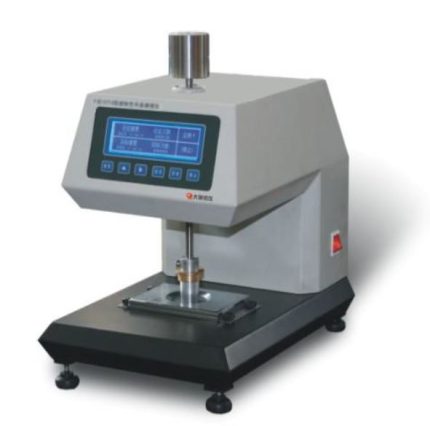
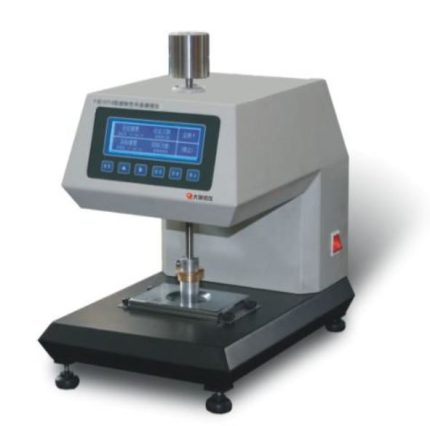
Fastness Rotary Friction Tester
Fastness Rotary Friction Tester

Fastness Rotary Friction Tester
- Accurate Colorfastness Evaluation- Provides precise assessment of how well fabric resists color loss and staining from rubbing.
- Simulates Real-World Wear - Recreates rotational friction found in actual use (e.g., seat covers, apparel wear points).
- Supports Wet & Dry Testing - Can test under both dry and wet conditions for comprehensive results.
- Standardized Testing - Complies with global standards (AATCC 116, ISO 105 X16), ensuring reliable and comparable results.
- Time-Saving & Efficient - Quick to set up and run, allowing for high-throughput testing in labs.
- Versatile Use- Suitable for textiles, leather, coated fabrics, and printed surfaces.
- Improves Quality Control - Identifies potential durability issues early in the production process.
- Enhances Product Performance - Helps in developing fabrics with better resistance to rubbing and abrasion.
- Rotary Rubbing Mechanism - Simulates 1.125 clockwise and 1.125 counterclockwise turns for realistic friction.
- Standardized Rubbing Head - Fixed diameter (typically 16 mm) with specified pressure (≈1134 g) for consistent results.
- Dry and Wet Testing Capability - Can perform tests using dry or wet rubbing cloths.
- Sample Holder- Secure and easy-to-use fixture for holding fabric samples in place.
- Test Cloth Mounting Arm- Quick attachment for standardized white rubbing cloths.
- Simple Operation - Manual or motorized operation depending on model; easy to handle for lab technicians.
- Compliance with Standards - Follows AATCC 116, ISO 105 X16, and SATRA TM8 protocols.
- Prepare the Sample - Cut a fabric piece (typically 60 × 60 mm) and condition it per standard requirements.
- Mount the Fabric - Secure the fabric sample on the sample holder or base plate of the tester.
- Attach Rubbing Cloth - Place a standard white test cloth (dry or wetted as required) over the rubbing head.
- Apply Pressure - Lower the rubbing head onto the fabric. Standard weight is about 1134 g.
- Start the Test - Operate the tester: the head performs 1.125 turns clockwise, then 1.125 turns counterclockwise.- Number of cycles (typically 10 or 20) is set based on the test standard.
- Remove and Inspect - After testing, remove the rubbing cloth and assess any color transfer using a gray scale.
- Evaluate Fabric Surface - Check the fabric for visible changes, fading, or wear.
- Record Results - Grade both staining and fabric change per standard gray scale ratings.
 It is used to change the color fastness of the textile,
printing and dyeing, printing and other products after a specific track friction.
[Related standards]
GB / T29865 AATCC116 ISO105-X16, etc.
[Instrument characteristics]:
1.Single-chip control, speed can be set freely
2.Imported motor, linear guide, low noise, suitable for long time work
3. Liquid crystal display, film panel
4. Freely set the number of friction, can count up and down,
and automatically stop the alarm when the set value is reached
[Technical Parameters]:
1. Friction head diameter: 16mm 25mm
2. Vertical pressure: 11.1N
3. Working mode: 405 ° clockwise and 405 ° counterclockwise
4. Speed range: constant 60 rpm, LCD display, thin mold panel
5. Counting range: 0-99999 times
6. Power supply: AC 220V 50Hz 80W
7. Weight: 20KG
8. Volume: L420mm × W260mm × H430mm
It is used to change the color fastness of the textile,
printing and dyeing, printing and other products after a specific track friction.
[Related standards]
GB / T29865 AATCC116 ISO105-X16, etc.
[Instrument characteristics]:
1.Single-chip control, speed can be set freely
2.Imported motor, linear guide, low noise, suitable for long time work
3. Liquid crystal display, film panel
4. Freely set the number of friction, can count up and down,
and automatically stop the alarm when the set value is reached
[Technical Parameters]:
1. Friction head diameter: 16mm 25mm
2. Vertical pressure: 11.1N
3. Working mode: 405 ° clockwise and 405 ° counterclockwise
4. Speed range: constant 60 rpm, LCD display, thin mold panel
5. Counting range: 0-99999 times
6. Power supply: AC 220V 50Hz 80W
7. Weight: 20KG
8. Volume: L420mm × W260mm × H430mm 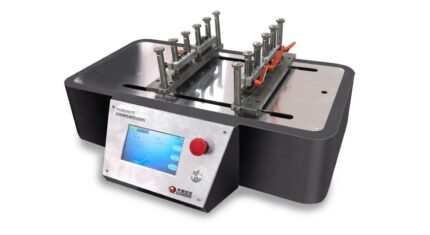
Fatigue tester for Elastic fabric
Fatigue Tester for Elastic Fabric
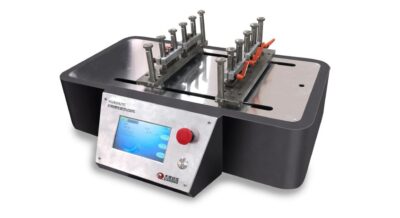
Fatigue tester for Elastic fabric
- Adjustable Stretch Range - Allows setting stretch levels (e.g., 0–100%) to simulate real-life fabric use.
- High-Cycle Capability - Supports up to millions of stretch-relax cycles for long-term fatigue analysis.
- Touch Screen Control - 7-inch color display for easy setup, monitoring, and data entry.
- Servo Motor Driven - Ensures precise and smooth linear motion during testing.
- Customizable Speed - Adjustable test speed (e.g., up to 40 cycles per minute) based on test requirements.
- Multi-Sample Testing - Some models allow testing multiple specimens simultaneously.
- Cycle Counter with Alarm - Built-in counter with programmable stop after preset cycles and auto-alert feature.
- Durable Construction - Robust metal frame suitable for continuous testing in lab environments.
- Standard Compliance - Designed to follow standards like GB/T 37635 for elastic fabric testing.
- Prepare the Sample
- Mount the Sample - Secure both ends of the fabric in the upper and lower clamps.
- Set Test Parameters
- Start the Test - Press start on the touch screen interface. - The machine will cyclically stretch and release the sample.
- Monitor Progress - Observe operation or let it run automatically.
- Remove and inspect - Take out the fabric and measure elongation, recovery, or visual defects.
- Record and Compare Results - Compare with initial measurements or standard performance criteria.
Fatigue tester for Elastic fabric

