Skip to content
About us
Select category
  • Select category
  • Dyeing Lab Machine
  • Lab Equipment & Instrument
  • Physical Testing & Fabric Testing
  • Yarn Dyeing Machine & Equipment
1 item $0.00
Menu
About us
1 item $0.00
Create your first navigation menu here and add it to the "Main menu" location.
“Automatic Bobbin Hydro extractor” has been added to your cart. View cart
Perspiration Tester
Perspiration Tester
360 product view
    0%
    Click to enlarge
    Perspiration Tester
    Perspiration Tester
    Home Lab Equipment & Instrument Perspiration Tester
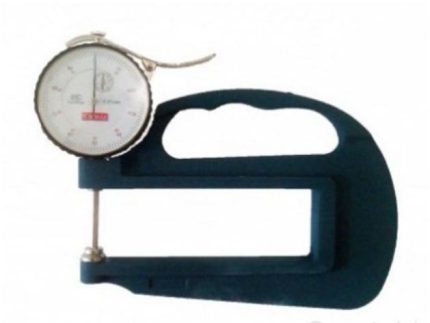
    Analog Thickness Gauge
    Analog Thickness Gauge $0.00
    Back to products
    Digital Ink Rubbing Tester
    Digital Ink Rubbing Tester $0.00

    Perspiration Tester

    $0.00

    Perspiration Tester

    Perspiration Tester

    Perspiration Tester


    A Perspiration Tester is a lab device used to evaluate the colorfastness of textiles to artificial perspiration (sweat). It simulates the effects of human sweat—both acidic and alkaline—on dyed or printed fabrics under controlled temperature and pressure.


    Purpose of Perspiration Tester:

    – To test how fabrics react to body sweat and determine whether dyes bleed, fade, or transfer onto adjacent materials.


    Working Principle:

    1. Fabric samples are treated with synthetic perspiration solution (acidic or alkaline).
    2. They are sandwiched with adjacent fabric and placed between glass or acrylic plates.
    3. The assembly is loaded into the tester and pressed under specific pressure.
    4. it’s then incubated at 37°C (body temperature) for a fixed time (typically 4 or 16 hours).
    5. Afterward, color change and staining are evaluated using a gray scale.


    Applications of Perspiration Tester:

    – Garment and sportswear testing

    – Quality control in textile processing

    – Compliance with standards like ISO 105 E04, AATCC 15


    Benefits of Perspiration Tester:

    1. Accurate Sweat Simulation – Mimics real-life effects of acidic and alkaline perspiration on fabrics.
    2. Improves Product Quality – Ensures textiles retain color and don’t bleed or stain when worn.
    3. Supports Standard Compliance – Follows ISO and AATCC test standards for global market approval.
    4. Protects Brand Reputation- Reduces customer complaints due to dye transfer or fading.


    1. Simple and Repeatable- Provides consistent pressure and conditions for reliable results.
    2. Multi-Sample Testing- Tests multiple specimens at once, saving time in labs.
    3. Durable and Low Maintenance- Robust frame with minimal moving parts makes it long-lasting and easy to care for.


    Features of Perspiration Tester:

    1. Stainless Steel Frame – Corrosion-resistant body for durability and long-term use.
    2. Multi-Sample Capacity – Can hold up to 20 or more specimens for batch testing.
    3. Standardized Loading Weight- Applies uniform pressure (usually 12.5 kPa) across all samples.
    4. Removable Plates – Glass or acrylic plates ensure even contact and easy cleaning.


    1. Compact Design- Space-saving, bench-top model ideal for lab environments.
    2. Complies with Test Standards – Meets ISO 105 E04, AATCC 15, and related perspiration fastness standards.
    3. Ease of Operation – Simple loading, unloading, and incubation process.
    4. High-Temperature Resistance – Can be used inside incubators at 37°C or ovens as required.


    How to Use a Perspiration Tester:

    1. Prepare the Test Solution – Mix artificial acidic or alkaline perspiration as per standard (ISO or AATCC).
    2. Cut the Fabric Samples – Cut both the test fabric and adjacent white fabric (usually cotton) to standard size.
    3. Soak the Samples – Immerse the fabric sandwich (test + adjacent) in the test solution for 30 minutes.
    4. Remove Excess Liquid – Gently squeeze or blot to remove extra moisture—do not dry.


    1. Load in the Tester- Place each sandwich between glass or acrylic separator plates in the tester.
    2. Apply Pressure – Tighten the top plate or place the standard weight on top to apply uniform pressure.
    3. Incubate – Keep the loaded tester in an oven or incubator at 37°C for 4–16 hours (depending on the method).
    1. Accurate Sweat Simulation – Mimics real-life effects of acidic and alkaline perspiration on fabrics.
    2. Improves Product Quality – Ensures textiles retain color and don’t bleed or stain when worn.
    3. Supports Standard Compliance – Follows ISO and AATCC test standards for global market approval.
    4. Protects Brand Reputation- Reduces customer complaints due to dye transfer or fading.


    1. Simple and Repeatable- Provides consistent pressure and conditions for reliable results.
    2. Multi-Sample Testing- Tests multiple specimens at once, saving time in labs.
    3. Durable and Low Maintenance- Robust frame with minimal moving parts makes it long-lasting and easy to care for.
    1. Dry and Evaluate – Remove, air dry the samples, then assess color change and staining using a gray scale.
    2. Fabric samples are treated with synthetic perspiration solution (acidic or alkaline).
    3. They are sandwiched with adjacent fabric and placed between glass or acrylic plates.
    4. The assembly is loaded into the tester and pressed under specific pressure.
    5. it’s then incubated at 37°C (body temperature) for a fixed time (typically 4 or 16 hours).
    6. Afterward, color change and staining are evaluated using a gray scale.

      Perspiration Tester

      Perspiration Tester

    Category: Lab Equipment & Instrument Tags: Lab Machine Supplier in Bangladesh, lab Perspiration Tester, Laboratory Perspiration Tester, Perspiration Tester, Perspiration Tester price in Bangladesh, Textile lab Machine supplier Brand: SDL, JAMES H HEAL
    Share:
    • Shipping & Delivery
    Shipping & Delivery

    Related products

    Color Matching Cabinet -light Box

    Color Matching Cabinet-Light Box
    Physical Testing & Fabric Testing, Dyeing Lab Machine, Lab Equipment & Instrument
    $0.00

    Color Matching Cabinet-Light Box

    Color Matching Cabinet-Light Box x
    Color Matching Cabinet-Light Box

    Color Matching Cabinet -light Box A Color Matching Cabinet-Light box (also known as a Light Box) is a standardized visual assessment tool used to evaluate the color consistency of materials like fabric, paint, plastic, paper, and leather under different lighting conditions. Purpose of Color Matching Cabinet-Light Box : To detect color variations and metamerism (color changes under different lights). Ensures accurate color matching across production batches and materials.   How Color Matching Cabinet-Light Box Works: The cabinet is equipped with multiple standardized light sources (e.g., D65, TL84, UV, CWF, A). Samples are placed inside, and their colors are observed under each light to check for consistency.   Common Light Sources of Color Matching Cabinet-Light Box: D65 – Daylight (standard) TL84 – Store lighting (fluorescent) CWF – Cool white fluorescent UV – Ultraviolet (for fluorescent content) A – Incandescent (home light) U30/U35 – Warm white for showroom lighting     Applications of Color Matching Cabinet-Light Box: Textile and garment inspection Paint and coating industry Plastics and packaging Printing and graphic design   Benefits of Color Matching Cabinet-Light Box: Accurate Color Assessment - Ensures color consistency across products by simulating different lighting conditions. Detects Metamerism - Identifies if colors appear differently under various lights, preventing mismatches. Improves Quality Control - Enhances visual inspection processes in textiles, printing, and packaging.   Standardized Viewing Conditions - Provides consistent light sources for reliable and repeatable evaluations. Reduces Rework and Returns - Helps detect color defects early, saving time and production costs. Supports Industry Standards - Meets international color evaluation standards like ASTM D1729, ISO 3664.   Easy to Use of Color Matching Cabinet -Light Box  - Simple controls with clearly labeled light source buttons. Multiple Light Source Options   - Enables testing under conditions matching retail, daylight, home, and UV lighting. Features of Color Matching Cabinet-Light Box: Multiple Standard Light Sources   - Includes D65 (daylight), TL84 (store light), CWF, UV, A (home light), and optional U30/U35. Digital Hour Meter   - Tracks usage time for each light source to schedule timely replacements. Uniform Light Distribution   - Diffused lighting ensures consistent and shadow-free viewing.   Push Button Control Panel- Easy switching between different light sources. No Warm-Up Time - Instant-on lighting allows immediate use. Sturdy Metal Body - Durable and well-coated to reduce light reflection and distortion. Viewing Area Markings - Guides for proper sample placement and comparison. Optional Dimming Function - Adjustable light intensity (in advanced models) for fine-tuned observation.   Standardized Viewing Angles  - Ensures observer views samples under consistent angles for accurate color judgment.   Description of Color Matching Cabinet-Light Box Color Matching TILO 2 Feet 5/6 Option Light Box Cabinet (P60-5/6) TILO 2 Feet 5/6 Option Light Box Cabinet (P60-5/6) is equipped with 5 light sources. The consistency of the light sources in all Tilo Color Assessment Cabinets gives excellent viewing conditions for reliable color critical decisions under consistent lighting. TILO 2 Feet 5 Option Light Box Cabinet (P60-5) can be applied to the industries that need to perform color difference testing as follows: as the premiere designer and manufacturer of color matching instrument products for the Graphic arts, Photographic, Textile, Dyeing, Packaging, Printing, Leather, Inks, Knitwear, Plastic, Automotive and Ceramics industries. TILO 2 Feet 5 Option Light Box Cabinet (P60-5) offers an exact and dependable way to survey colors beneath different lighting conditions. This apparatus is planned to offer assistance experts in the material, paint, and plastic businesses to coordinate and assess colors with exactness. This high-quality item in Bangladesh at the best cost. The color Cabinet box permits for an ideal seeing environment for color inspection. Features of TILO 2 Feet 5 Option Light Box Cabinet (P60-5) Multiple Light Sources of Color Matching Cabinet-Light Box The lTILO 2 Feet 5 Option Light Box Cabinet (P60-5) incorporates a assortment of light sources. These sources can reenact common sunshine, tungsten, and other counterfeit lighting conditions. By changing light sources, clients can compare colors in diverse situations, guaranteeing precise results. Adjustable Light Intensity of Color Matching Cabinet-Light Box The color coordinating light box highlights flexible light concentrated. You can control the brightness to coordinate distinctive real-world conditions. It guarantees a more point by point investigation of how colors alter beneath different lighting intensities. Compact and Solid Design This color appraisal cabinet comes in a compact plan, making it simple to put in any workspace. Its strong structure guarantees long-term utilize, indeed in requesting environments. Precise Color Evaluation The light box gives a controlled environment that makes a difference clients assess colors in a steady way. This highlight is particularly valuable in businesses where correct color coordinating is basic, such as in materials or paints. Energy Efficient The color cabinet is outlined to be energy-efficient. It employments Driven lights that devour less control whereas still advertising dependable and precise color assessment. Simple Client Interface The user-friendly interface of the color coordinating cabinet makes it simple for anybody to work. The controls are straightforward, and clients can alter settings effortlessly. Portable Design The color coordinating light box is lightweight, making it simple to move from one area to another. This movability is particularly valuable when you require to take the cabinet to diverse parts of the generation floor or to different client locations. Ideal for Different Industries Whether you work in materials, car, or fabricating, the color appraisal cabinet offers the exactness and unwavering quality required for color coordinating. It ensures consistency over distinctive materials and generation lines. FEATURES Certified by ASTM D1729, ISO3664, DIN, ANSI and BSI. Automatic changeable into another light source by switching. Usage time display, name of lamp, total number of switches for each. Violated time sensor for tracking lamp service or replacement. Large display & individual switch, easy to operate each light source. No warm-up time, just plug and play. The energy-saving device which generates lower heat & high efficiency. The name of the light source can be changed. SPECIFICATION OF TILO 2 FEET 5 OPTION LIGHT_BOX CABINET (P60-5) Name Details Model P60(5) Brand TILO Origin Hong Kong Dimensions (WxDxH) (710 x 405 x 570)mm Standards ASTM D1729, ISO3664, DIN, ANSI and BSI Light source Five light source. Power Source Electric. Voltage 220 ~ 240V Body Material Fiber-reinforce Warranty One year free service LIGHT SOURCE OF TILO 2 FEET 5 OPTION LIGHT_BOX CABINET (P60-5) Light Source Color viewing applications / Uses of Light Color Temp. (K) Power (W) Brand Info Quantity D65 International standard Artificial Daylight / Natural Daylight 6500 18 PHILIPS; TL-D/18-965 2 Pieces TL84 Applied to stores in Europe, Japan and China 4000 18 PHILIPS; TL-D/18-840 2 Pieces F “Sun-setting Light Yellow” incandescent light source 2700 40 PHILIPS 4 Pieces UV ultraviolet light to detect and evaluate optical brighteners or fluorescent pigments Wave length: 365nm 20 PHILIPS 18W BLB 1 Pieces CWF (Cool White Fluorescent) American Standard 4150 18 PHILIPS; TL-D/18-640 2 Pieces      
    Add to cart
    Quick view
    Pantone Book

    Pantone book

    Lab Equipment & Instrument, Dyeing Lab Machine
    $0.00

    Pantone Book

    Pantone Book

    Pantone Book

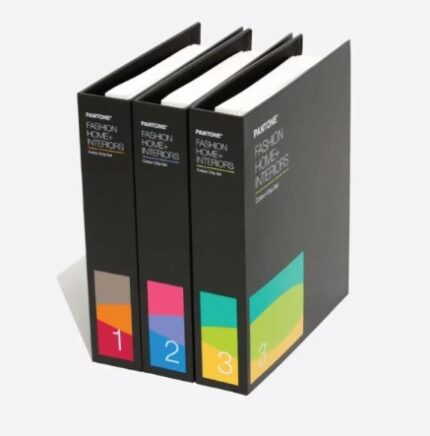
      A Pantone Book, commonly referred to as a Pantone Color Guide, is a professional color matching tool used across industries like graphic design, fashion, printing, packaging, and product manufacturing. It helps ensure consistent color communication from design to final production.   What It Does? - Displays standardized Pantone colors in fan-deck or chip book format. - Provides color codes, ink formulas, and finish types for accurate color replication.     Types of Pantone Books:
    1. Formula Guide (Solid Coated & Uncoated) – For spot color printing.
    2. Color Bridge – Shows Pantone spot colors alongside CMYK equivalents.
    3. Pantone Fashion, Home + Interiors (FHI) – For textiles, soft goods, and home decor.
    4. Pantone CMYK and Pastels & Neons Guides – For process printing and special effect colors.
      ⚙️ Features of Pantone Book: - Thousands of pre-defined colors. - Ink mixing formulas (for printers). - Available in coated, uncoated, and matte finishes. - Some include digital tools or access to Pantone Connect software.   ✅ Benefits of Pantone Book: - Ensures accurate color matching across designers, clients, and manufacturers. - Supports branding consistency across all printed and physical materials.   key benefits of using a Pantone Book: ✅ 1. Accurate Color Communication- Ensures consistent color matching between designers, printers, and manufacturers—globally. ✅ 2. Industry Standard- Trusted across printing, fashion, packaging, and branding for reliable color references.   ✅ 3. Saves Time and Reduces Errors - Eliminates guesswork in color approval, helping avoid costly reprints or corrections. ✅ 4. Versatile Applications - Supports multiple media types: print, fabric, plastics, digital design, etc. ✅ 5. Real-World Color View - Physical swatches show true ink or dye appearance, which digital screens can’t replicate accurately.   ✅ 6. Ink Mixing Formulas - Provides exact mixing guides for printers to replicate spot colors precisely. ✅ 7. Global Consistency - Helps maintain brand color consistency across international production sites.   key features of a Pantone Book: 1. Standardized Color System - Includes thousands of pre-defined Pantone Matching System (PMS) colors with unique codes. 2. Multiple Finish Types - Available in Coated (C), Uncoated (U), Matte (M) formats to match different printing surfaces.   3. Fan Deck or Chip Format - Comes in portable fan-deck or tear-away chip books for easy reference and sharing. 4. Ink Mixing Formulas - Provides precise ink formulas for each color, ideal for print production. 5. Specialized Editions - Guides tailored for graphic design, textiles (FHI), plastics, and digital design.   6. Cross-Media Consistency - Ensures uniform color across print, web, fabric, and packaging. 7. Digital Integration - Many books include access to Pantone Connect for digital workflow and color data sync.   Here’s a simple guide on how to use a Pantone Book effectively: ✅ 1. Choose the Right Pantone Book - Use Formula Guide for print. - Use FHI (Fashion, Home + Interiors) for textiles. - Use Color Bridge to compare spot colors with CMYK.   ✅ 2. Select the Color - Flip through the fan deck or chip book to find the desired color. - Note the Pantone code (e.g., Pantone 186 C for coated paper). ✅ 3. Communicate the Code - Share the Pantone number with printers, manufacturers, or team members to ensure consistent color use.   ✅ 4. Use the Right Finish - Make sure you're referencing coated, uncoated, or matte depending on your final material. ✅ 5. Compare to Printed Proofs - Use the physical Pantone swatch to check if print proofs or samples match. ✅ 6. Maintain Lighting Consistency - View colors under standard lighting (D50) for accurate color judgment.   ✅ 7. Store Properly - Keep the Pantone book in a cool, dry place and replace it every 12–18 months to avoid fading.   Pantone offers a diverse range of color guides tailored to various industries and applications. Here's an overview of the main Pantone book models:     Pantone Graphics & Print Guides  
    1. Formula Guide (Solid Coated & Uncoated)
    - Features over 2,390 spot colors with corresponding ink formulations. - Essential for branding, packaging, and print design. - Provides accurate color matching for solid colors.  
    1. Color Bridge Guide (Coated & Uncoated)
    - Displays side-by-side comparisons of Pantone spot colors and their closest CMYK equivalents. - Includes CMYK, RGB, and HEX values for digital and print consistency. - Ideal for projects requiring color translation across different media.  
    1. CMYK Guide (Coated & Uncoated)
    - Contains a comprehensive range of CMYK colors. - Useful for four-color process printing without spot colors. - Helps in selecting colors achievable through standard CMYK printing.  
    1. Pastels & Neons Guide
    - Offers a collection of soft pastel and vibrant neon colors. - Suitable for creative projects in fashion, print, and packaging. - Provides unique color options for special design applications.  
    1. Metallics Guide
    - Features metallic spot colors for premium print finishes. Ideal for luxury packaging, branding, and high-end print materials. - Adds a sophisticated touch to printed designs.   Pantone Fashion, Home + Interiors (FHI) Guides
    1. FHI Color Guide (TPG – Paper)
    - Contains a wide range of colors for non-fabric materials. - Used in product design, cosmetics, and interiors. - Provides color inspiration for various applications.  
    1. FHI Cotton Passport & Cotton Planner (TCX – Textile)
    - Offers colors on cotton fabric swatches. - Essential for textile and apparel design. - Ensures accurate color communication in fabric production.  
    1. FHI Polyester Swatch Book
    - Includes colors on polyester fabric. - Useful for sportswear, footwear, and synthetic textiles. - Provides color options specific to polyester materials.   Pantone Specialty Guides  
    1. Pantone SkinTone Guide
    - Features a range of skin tone colors. - Used in cosmetics, healthcare, and product development. - Aids in creating products that match diverse skin tones.  
    1. Pantone Plastic Standard Chips
    - Provides color references on plastic substrates. - Essential for industrial design, consumer electronics, and appliances. - Ensures color accuracy in plastic product manufacturing.   Pantone Bundles & Studio Sets   - Portable Guide Studio - A comprehensive set including multiple Pantone guides. - Designed for professionals needing a wide range of color references. - Convenient for on-the-go color selection and matching.   - Essentials Set - Combines key Pantone guides into one package. - Ideal for designers seeking a versatile color toolkit. - Offers a cost-effective solution for comprehensive color needs.   Each Pantone guide serves specific purposes across different industries. Selecting the appropriate guide depends on your project's requirements and the materials involved.
    Pantone Book

    Pantone Book

     
    Add to cart
    Quick view
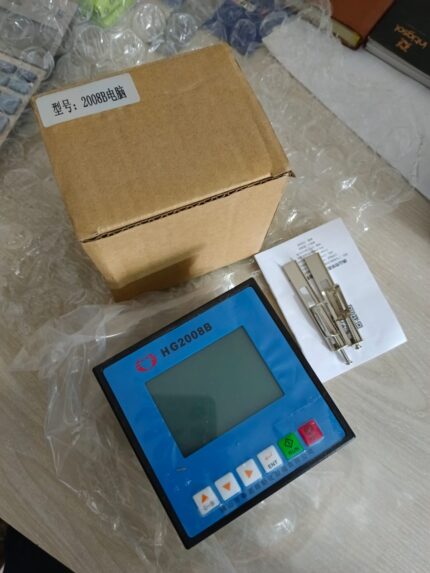
    Controller For IR Dyeing Machine
    Color Matching Cabinet -light Box

    Controller For IR Dyeing Machine

    Dyeing Lab Machine, Lab Equipment & Instrument
    $0.00
    Controller For IR Dyeing Machine
    Controller For IR Dyeing Machine
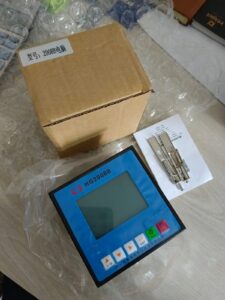
    IR Dyeing machine controller

    Controller For IR Dyeing Machine offers exceptional quality .purchasing of our controller provides cost efficiencies, and customization options enabling you to meet your specific requirements comfortably. Collaborate with program A Controller for IR Dyeing Machine is a specialized control system designed to manage and automate the dyeing process in textile manufacturing, particularly using infrared heating technology. These controllers are crucial for achieving consistent dye quality, reducing energy consumption, and optimizing the dyeing process.   Key Features of an Controller For IR Dyeing Machine :
    1. Temperature Control:- Precisely regulates the infrared heaters to maintain uniform temperature across the dye bath. - Supports customizable heating curves (ramp-up, hold, and cool-down phases).
    2. Programmable Logic Control (PLC): - Allows operators to set and automate dyeing programs for different fabrics and dye types. - Supports multiple recipes or programs for different batches.
     
    1. Real-Time Monitoring and Feedback: - Monitors parameters like temperature, fabric rotation, bath circulation, and timing. - Provides real-time data and alarms for deviations.
    2. Touchscreen Interface / HMI (Human Machine Interface): - User-friendly interface for configuring and monitoring processes. - Multi-language support and graphical display of process curves.
     
    1. Data Logging and Traceability: - Records process data for quality control and traceability.
    2. Energy Efficiency Optimization: - Manages IR heater output to reduce energy usage. - Often includes features for auto shut-off or idle mode.
     
    1. Safety Features: - Includes emergency stop, over-temperature protection, and fault detection systems. 8. Connectivity: - Modern controllers may support Ethernet, Modbus, or other industrial communication protocols for integration into factory automation systems.
      Using A Controller For IR Dyeing Machine provides several benefits, especially in textile manufacturing where precision and efficiency are critical. Here are the key advantages:
    1. Improved Dyeing Accuracy and Consistency
    - Maintains precise temperature control and timing, ensuring uniform dye uptake across the fabric. - Reduces color variation between batches.  
    1. Enhanced Energy Efficiency- Infrared heating is more energy-efficient than traditional heating methods.- The controller optimizes energy use by adjusting the IR output based on process needs, reducing overall energy consumption.
     
    1. Time Savings- Faster heating and cooling cycles due to infrared technology.- Automated processes reduce manual intervention and cycle times. 4. Better Process Control- Programmable dyeing cycles and precise control over each stage (heating, dyeing, rinsing, cooling).- Real-time monitoring and adjustments improve reliability.
     
    1. Reduced Water and Chemical Usage- More efficient dye penetration and fixation mean less water and fewer chemicals are needed for reprocessing or corrections.6. Lower Operational Costs
    - Energy savings, reduced rework, and lower labor input contribute to cost efficiency. - Minimizes fabric damage, reducing material waste.  
    1. Enhanced Safety Built-in alarms, emergency shut-off and automatic fault detection enhance operational safety.8. Data Logging and Traceability- Ability to record and review dyeing process data helps in quality control and troubleshooting.- Facilitates compliance with industry standards and audits.
     
    1. User-Friendly Operation- Modern touchscreen interfaces make it easier for operators to manage and monitor processes.- Multilingual support and visual feedback enhance usability.
     
    Add to cart
    Quick view
    Spray Rating Tester
    Spray Rating Tester

    Spray Rating Tester

    Physical Testing & Fabric Testing
    $0.00

    Spray Rating Tester

    Spray Rating Tester

    Spray Rating Tester

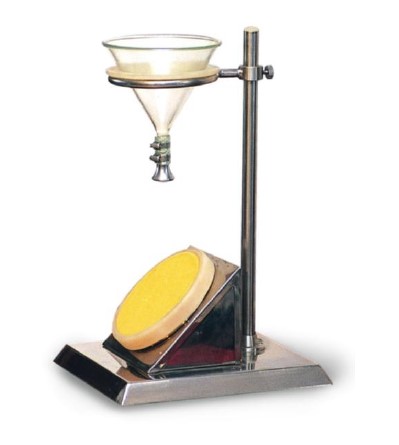
      The Spray Rating Tester is a textile testing instrument used to evaluate the water resistance or water repellency of fabric surfaces. It measures how well a fabric can resist wetting when exposed to a controlled spray of water, helping assess its performance in rain or damp conditions.   Purpose of Spray Rating Tester - To assess surface wetting resistance of textiles. - Commonly used for outdoor clothing, rainwear, tents, and performance fabrics.   Working Principle of Spray Rating Tester - A fabric specimen is mounted at a 45° angle. - Water is sprayed from a standard nozzle for a specific time. - After spraying, the fabric is visually rated based on the appearance of water drops and wetting.   Key Components of Spray Rating Tester - Spray Nozzle: Delivers a consistent, standard water spray. - Funnel & Reservoir: Controls the flow and volume of water. - Specimen Holder: Positions the fabric at a 45° angle. - Spray Stand: Ensures accurate nozzle height and positioning.   Standards Used of Spray Rating Tester - AATCC 22 - ISO 4920 - BS EN 24920   Applications of Spray Rating Tester - Rainwear and water-resistant textiles. - Quality control in fabric finishing. - R&D for performance apparel.   Benefits of Spray Rating Tester:
    1. Quick and Simple Evaluation - Offers a fast way to assess fabric water repellency without complex setup.
    2. Standardized Testing- Complies with AATCC 22 and ISO 4920, ensuring globally accepted results.
    3. Cost-Effective- Low maintenance and no power requirement make it economical for routine lab use.
     
    1. Improves Fabric Performance - Helps manufacturers develop or improve water-resistant textiles.
    2. Non-Destructive Test - Does not damage the fabric, allowing for additional tests on the same sample.
    3. Visual Grading- Easy to interpret using a standard spray rating chart (0 to 100 scale).
    4. Supports Quality Control - Detects finish degradation or variation in water-repellent treatments.
    5. Portable and Compact- Lightweight design allows easy use in various lab or field settings.
      Features of Spray Rating Tester:
    1. Standardized Spray Nozzle - Delivers consistent water spray per AATCC and ISO specifications.
    2. 45° Specimen Mounting Angle - Ensures uniform test setup for accurate and repeatable results.
    3. Stainless Steel or Aluminum Frame - Corrosion-resistant and durable for long-term use with water exposure.
     
    1. Water Reservoir and Funnel System - Provides precise water volume (usually 250 ml) for each test.
    2. Graduated Spray Stand- Fixed height (150 mm above specimen) for controlled spray impact.
    3. Detachable Specimen Holder- Easy loading and removal of fabric samples.
    4. Compact and Lightweight Design - Portable and convenient for both lab and field testing.
    5. No Electricity Required - Fully manual operation increases reliability and reduces operating costs.
      How to Use Spray Rating Tester:
    1. Prepare the Sample - Cut fabric to standard size (usually 180 × 180 mm). - Condition the sample if required (21°C, 65% RH for 24 hours).
    2. Mount the Fabric - Place the fabric on the specimen holder at a 45° angle.
    3. Fill the Reservoir - Pour 250 ml of distilled water into the upper funnel.
     
    1. Start the Test - Release the water through the nozzle; it sprays over the fabric for about 25–30 seconds.
    2. Inspect the Fabric - After spraying, visually assess the water beading or penetration on the surface.
    3. Rate the Sample - Compare the fabric’s wetting pattern with the standard spray rating chart: - 100 = No sticking/wetting - 90–50 = Partial wetting - 0 = Complete wetting
    4. Record the Rating - Document the spray rating for quality control or reporting.
      Spray Rating Tester, Water Repellency Tester Spray Reting Tester [Scope of application]: Used for the determination of moisture resistance (wetting grade) of various fabrics which have been or have not been treated with water resistance or water repellency. [related standards]: GB/T4745 ISO4920 AATCC22 JISL1092 etc. [technical parameters]: 1. Glass funnel:150 x 150 (capacity 500ml) 2. Specimen placement angle:The level is 45 degrees. 3. Distance from nozzle to sample center:150mm 4. Specimen diameter:Ф150mm 5. Size of water receiving pan:500×400×30mm 6. Matching measuring cups:500ml 7, size 500 x 400 x 500mm 8. Instrument weight:5Kg
    Add to cart
    Quick view
    Hydraulic GSM Cutter
    Hydraulic GSM Cutter
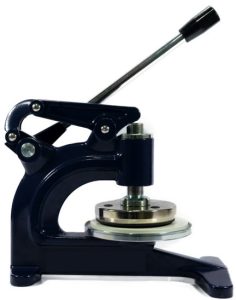
    Hydraulic GSM Cutter

    Lab Equipment & Instrument, Physical Testing & Fabric Testing
    $0.00

    Hydraulic GSM Cutter

    Hydraulic GSM Cutter

    Hydraulic GSM Cutter

      A Hydraulic GSM Cutter is a precision instrument used to cut circular fabric samples for GSM (Grams per Square Meter) testing. It uses hydraulic pressure to ensure clean, uniform cuts through multiple fabric layers, making it ideal for high-throughput or thicker materials.   Purpose of Hydraulic GSM Cutter: - To prepare accurate circular samples (usually 100 cm² area) for determining fabric weight in GSM. - Used widely in textile testing labs for quality control and consistency.   Working Principle of Hydraulic GSM Cutter: - Fabric is placed on a cutting pad. - The cutter, equipped with a sharp circular blade, is hydraulically pressed down on the fabric. - The cut sample is then weighed to calculate GSM using a formula or GSM scale.   Applications of Hydraulic GSM Cutter: - Suitable for woven, knitted, and nonwoven fabrics. - Used in textile mills, labs, and R&D centers.   Benefits of Hydraulic GSM Cutter:
    1. High Cutting Precision - Ensures consistent and accurate fabric sample size for reliable GSM results.
    2. Effortless Operation- Hydraulic action reduces manual effort and operator fatigue.
    3. Ideal for Thick or Multi-Layer Fabrics - Cuts through dense or multiple fabric layers cleanly.
     
    1. Time-Saving - Speeds up the sample preparation process, especially for high-volume testing.
    2. Improves Test Accuracy - Uniform samples help eliminate errors in GSM calculation.
    3. Durable and Long-Lasting - Robust construction ensures stability and extended service life.
     
    1. Safety Enhancement - Reduces risk of injury compared to manual rotary cutters.
    2. Consistent Pressure Application - Hydraulic mechanism maintains steady force for each cut.
      Features of Hydraulic GSM Cutter:
    1. Hydraulic Press Mechanism - Applies consistent and strong pressure for clean, even cuts.
    2. Standard Cutting Die (100 cm²) - Produces fabric samples suitable for GSM testing with standard area.
    3. Heavy-Duty Construction - Built with robust metal frame for long-term lab or industrial use.
     
    1. Sharp Stainless Steel Blades - Durable and replaceable blades ensure smooth, precise cuts.
    2. Cutting Pad Included - Comes with a rubber or nylon base to protect blades and ensure clean edges.
    3. Simple Lever or Button Operation - Easy to use with minimal training required.
    4. Non-slip Base - Provides stability during operation for safe, accurate cutting.
    5. Supports Various Fabric Types
    - Suitable for woven, knitted, nonwoven, technical textiles, and coated fabrics.   How to Use Hydraulic GSM Cutter:
    1. Place the Cutting Pad - Lay the rubber or nylon cutting pad on a flat surface.
    2. Position the Fabric - Place the fabric sample flat and smooth on the cutting pad.
    3. Align the Cutter - Position the GSM cutter die over the desired area of the fabric.
    4. Activate Hydraulic Press - Pull the lever or press the button to apply hydraulic pressure and cut the sample.
     
    1. Remove the Sample - Lift the cutter and carefully take out the circular fabric piece (usually 100 cm²).
    2. Weigh the Sample - Place the cut sample on a precision balance or GSM scale to determine weight.
    3. Calculate GSM - Multiply the sample weight (in grams) by 100 to get GSM.
      GSM Formula (Grams per Square Meter): GSM is used to measure the weight of fabric and indicates its thickness and quality. Formula: GSM = (Sample Weight in grams × 10000) / Sample Area in cm² For standard cutters that cut 100 cm² samples: GSM = Sample Weight (in grams) × 100   Example: - If a 100 cm² fabric sample weighs 1.5 grams: GSM = 1.5 × 100 = 150 GSM
    Hydraulic GSM Cutter

    Hydraulic GSM Cutter

    Add to cart
    Quick view
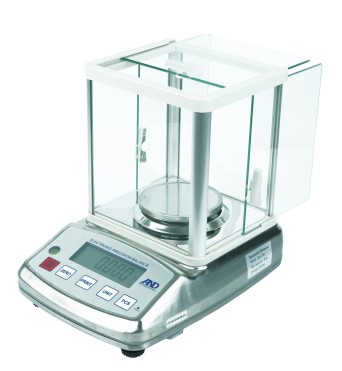
    digital-precision-balance

    Digital precision balance

    Lab Equipment & Instrument, Dyeing Lab Machine
    $0.00

    digital precision balance

    digital-precision-balance

    2/3/4/5 Digit Digital precision Balance

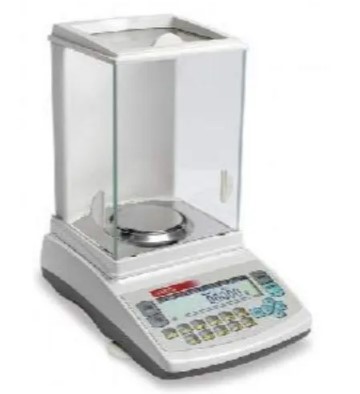
    digital precision balance is a weight balance machine. It’s used to Low capacity balance. digital precision balance  play an important role to accurate measurement. Digital precision balance is used to check weight paper, jewelry etc. It shows accurate result. We have the best collection of digital precision balance. MAAM TEX IS the best supplier of Precision Balance in Bangladesh
    A Digital Precision Balance is a high-accuracy electronic weighing device used in laboratories, industries, and educational institutions for measuring mass with a high degree of precision. It is essential for tasks that require meticulous weight measurements, such as chemical analysis, formulation, and quality control. Key Features:
    1. High Accuracy & Precision: - Typically offers readability from 0.1 g to 0.001 g (or even finer). - Ideal for weighing small amounts of material where accuracy is crucial.
    2. Digital Display: - Large, backlit LCD or LED display for easy reading. - Some models include touch screen interfaces.
    3. Tarring Function: - Allows you to subtract the weight of a container or packaging to get the net weight.
    4. Calibration: - Internal or external calibration to maintain accuracy over time. - Some advanced models have auto-calibration features.
    5. Weighing Units: - Supports multiple units like grams (g), milligrams (mg), carats (ct), and ounces (oz). Stable Platform:   - Includes a draft shield to protect against air currents and vibrations, which can affect measurement accuracy.
    Common Applications:- Laboratory Analysis: Precise measurement of chemicals and reagents.- Pharmaceuticals: Formulation and quality control.- Jewelry: Accurate measurement of precious metals and stones.- Education: Scientific experiments in schools and universities. Benefits:- Reliable and Consistent Measurements- User-Friendly Operation- Compact Design with Minimal Footprint- Improved Workflow Efficiency- Enhanced Data Handling (USB or RS232 ports for data transfer in advanced models) Benefits of digital precision balance Here are the key benefits of using a Digital Precision Balance:
    1. High Accuracy and Precision- Delivers extremely accurate weight measurements, often down to 0.001 g or better.- Crucial for experiments and applications where even slight variations can affect outcomes.
     
    1. User-Friendly Interface- Digital display makes readings easy to read and interpret.- Most models include intuitive controls for functions like tarring, unit conversion, and calibration.3. Speed and Efficiency- Provides instant, stable readings, saving time compared to manual or mechanical balances.- Streamlines lab workflows and enhances productivity.
    2. Versatile Applications- Suitable for various fields including chemistry, biology, pharmacology, food testing, and gemology.- Can handle diverse weighing tasks from solids to liquids and powders.
    3. Advanced Features- Tare Function: Subtracts the weight of containers automatically.- Multiple Weighing Units: Supports various measurement units.- Data Connectivity: Many models allow connection to computers or printers for data logging.
    4. Portability and Space Efficiency- Compact design fits easily in most laboratory setups.- Lightweight models are easy to move and store.
    5. Enhanced Safety and Reliability- Stable platform and draft shields reduce environmental interference.- Built-in calibration ensures ongoing accuracy.
    Here’s a step-by-step guide on how to use a Digital Precision Balance safely and accurately: 1. Set Up the Balance- Place the balance on a stable, vibration-free, and level surface.- Avoid placing near fans, windows, or air vents to prevent air drafts.- Allow the balance to warm up (usually 15–30 minutes) if it has just been turned on. ⚙️ 2. Calibrate the Balance - If it’s manual calibration, use certified calibration weights. - For auto-calibration models, follow on-screen instructions. - Calibration ensures accuracy in measurements. ⚖️ 3. Tare the Balance - Place the container or weighing paper on the balance. - Press the “Tare” or “Zero” button to set the display to zero. This subtracts the container’s weight. 4. Weigh the Sample - Carefully add the sample into the container. - Wait for the reading to stabilize (usually indicated by a stable icon or beep). - Read the weight from the digital display. 5. Repeat or Change Units (if needed) - You can press the unit button to switch between grams, milligrams, ounces, etc., depending on your needs.   6. Clean After Use - Remove any spilled substances. - Wipe the surface with a soft, lint-free cloth. Do not use harsh chemicals unless specified by the manufacturer. ⚠️ Tips for Best Use: - Avoid touching the container with bare hands (use tweezers or gloves to avoid adding extra weight from oils or moisture).- Use a draft shield if available to minimize airflow interference.- Do not overload the balance beyond its maximum capacity—it can damage the sensors.
    Add to cart
    Quick view
    Fabric Stiffness Tester
    Fabric Stiffness Tester

    Fabric Stiffness Tester

    Physical Testing & Fabric Testing
    $0.00

    Fabric Stiffness Tester

    Fabric Stiffness Tester

    Fabric Stiffness Tester

      Fabric Stiffness Tester is a lab instrument used to measure the stiffness or flexural rigidity of fabric materials. It evaluates how resistant a fabric is to bending, which influences its drape, comfort, and handling characteristics. Purpose of Fabric Stiffness Tester: To determine the stiffness of textiles by measuring the bending length and calculating flexural rigidity, often using methods like the Cantilever Test (as per ASTM D1388 or ISO 9073-7).   Working Principle of Fabric Stiffness Tester: A fabric strip is slid over a horizontal platform until its free end bends under its own weight to a specific angle (usually 41.5°). The length at which this occurs is used to calculate bending length and stiffness.   Main Components of Fabric Stiffness Tester: - Test Platform: Flat surface for sample movement. - Graduated Scale: Measures the overhanging length of fabric. - Angle Indicator: Guides the measurement based on standard deflection angle. - Fabric Clamp or Guide: Helps place and move the sample smoothly.   Applications of Fabric Stiffness Tester: - Apparel fabrics (e.g., for comfort and drape analysis) - Technical textiles (e.g., automotive, medical fabrics) - Paper, nonwovens, and films Benefits of Fabric Stiffness Tester:
    1. Accurate Measurement of Flexibility - Provides reliable data on fabric stiffness, essential for quality control and product development.
    2. Improves Product Comfort - Helps assess how soft or rigid a fabric will feel in clothing or furnishings.
    3. Supports Material Selection - Aids designers and engineers in choosing the right fabric for specific applications based on stiffness.
     
    1. Quality Assurance - Detects fabric inconsistencies or defects that affect handling or drape.
    2. Standards Compliance - Enables testing as per international standards like ASTM D1388 and ISO 9073-7 for global product approval.
    3. Quick and Simple Operation - Delivers fast results with minimal operator training or preparation.
     
    1. Applicable to Multiple Materials - Suitable for woven, nonwoven, knitted fabrics, paper, and films.
    2. Enhances R&D Accuracy - Supports consistent material testing during product innovation and textile finishing.
      Features of Fabric Stiffness Tester:
    1. Graduated Measurement Scale - Precise scale to measure overhang length for accurate stiffness calculation.
    2. Flat Test Platform - Smooth, level surface ensures consistent and reliable fabric movement.
    3. Standard Deflection Angle Guide - Built-in 41.5° angle reference for consistent stiffness testing (per ASTM/ISO).
    4. Manual or Motorized Models - Available in both types for simple or automated operation depending on lab needs.
    5. Compact Design - Space-saving unit ideal for textile labs and quality control rooms.
     
    1. Sample Holder or Clamp - Ensures correct alignment and smooth feeding of fabric strips during testing.
    2. Durable Construction - Made of corrosion-resistant materials like stainless steel or aluminum for long-term use.
    3. Compliance with Standards - Supports methods like ASTM D1388, ISO 9073-7 for stiffness testing of fabrics.
     
    1. Lightweight and Portable - Easy to move and use in various lab settings.
    2. Low Maintenance - Simple mechanical parts require minimal servicing.
      How to Use Fabric Stiffness Tester (Cantilever Method):
    1. Prepare the Sample - Cut the fabric into a rectangular strip (e.g., 25 mm × 200 mm), as per standard.
    2. Place the Sample - Lay the fabric strip flat on the test platform with one end aligned at the zero mark.
    3. Slide the Fabric - Gently push the fabric forward so it slowly overhangs the platform.
     
    1. Watch for Deflection - Stop sliding when the free end of the fabric bends down to the reference angle (typically 41.5°).
    2. Read the Bending Length - Measure the overhang distance from the scale. This is the bending length (C).
    3. Calculate Flexural Rigidity
    - Use the formula: G = W × C³ Where: - G = Flexural rigidity (mg·cm) - W = Fabric weight per unit area (mg/cm²) - C = Bending length (cm)  
    1. Repeat for Accuracy - Test both warp and weft directions and average the results for better accuracy.
    Tip: Always perform the test in a controlled environment (standard temperature and humidity) for reliable results.         Fabric Stiffness Tester Scope of application It is used to measure the stiffness of cotton, wool, silk, linen, chemical fibers and other woven fabrics, knitted fabrics, general nonwovens, coated fabrics, etc. It is also suitable for measuring the stiffness of paper, leather, film and other flexible materials. Relevant Standards GB/T 18318, ASTM D 1388, IS09073-7, BS EN22313 etc. [Instrument Characteristics] 1. Infrared photoelectric invisible inclined plane detection system replaces the traditional tangible inclined plane, realizes non-contact detection, and overcomes the problem that the measurement accuracy is affected by the sample torsion lifted by the inclined plane. 2. The inclination adjustable mechanism of instrument measurement to meet different test requirements. 3. Stepping motor drive, accurate measurement, smooth operation; 4. The color touch screen display can show the extended length, bending length, bending stiffness of the sample, the warp average, the weft average and the total average of the above values respectively. 5. Printing of Chinese report forms for thermal printers. Technical parameters 1. Test methods: The two method (A method: Weft test, B method: Forward and backward test) 2. Measurement angle:41.5 degree, 43 degree and 45 degree adjustable 3. Extend the length range:5-220 mm (special requirements can be made at the time of ordering) 4. Length resolution:0.01mm 5. Measurement accuracy:±0.1mm 6. Specimen specifications:250×25mm 7. Work platform specifications:250×50mm 8. Specification of sample pressing plate:250×25mm 9. Pushing speed of press plate:3 mm/s; 4 mm/s; 5 mm/s 10. Display output: Touch screen display 11. Print Output: Chinese Report 12. Data Processing Volume: A total of 15 groups, each group less than 20 trials 13. Printer: Thermal printer 14, power supply:AC220V 50Hz 15. Host volume:570mm×360mm×490mm 16. Host weight:20kg
    Add to cart
    Quick view
    Digital hot plate-magnetic stirrer
    Color Matching Cabinet -light Box

    Digital hot plate-magnetic stirrer

    Dyeing Lab Machine, Lab Equipment & Instrument
    $0.00

    Digital hot plate-magnetic stirrer

    Digital hot plate-magnetic stirrer

    Digital hot plate-magnetic stirrer

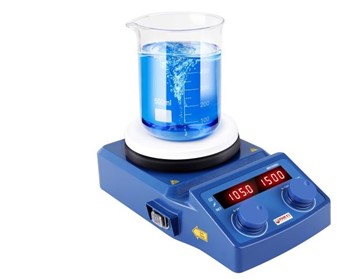
      A digital hot plate-magnetic stirrer is a laboratory device that combines two essential functions: heating and stirring. It is widely used in chemistry, biology, and physics laboratories for preparing solutions, mixing chemicals, and conducting experiments that require controlled heating and stirring. Model : (DL-300) Brand : DUNLIN Origin : TAIWAN Set-up plate Dimensions : Ø 135 mm Motor type : DC Motor Speed range : 0-1500 rpm Display : 5 Inch LED Display Heating temperature range : Room Temp. 0-280°C Temperature display : 5 Inch LED Display Temperature display accuracy : ±0.1 Protection class according to DIN EN 60529 : IP42 Power Supply : 200-240V 3A Dimensions ( W x D x H ) : ( 255 x 152 x 80 ) mm Key Components of Digital hot plate-magnetic stirrer: Hot Plate (Heating Element): - Provides a flat surface that heats up electrically. - Controlled via a digital interface for setting precise temperatures. - Often features over-temperature protection for safety.
    1. Magnetic Stirrer:
    - Uses a rotating magnetic field to spin a magnetic stir bar placed in the liquid. - Ensures even mixing of the solution without manual stirring. - Speed can be adjusted digitally.  
    1. Digital Display and Controls:
    - Allows precise setting of temperature and stirring speed. - Typically includes an LCD or LED screen. - Some models have programmable settings and timers.  
    1. Temperature Sensors:   - Built-in or external probes (like a PT100 or thermocouple) for accurate temperature control.
      Features of Digital hot plate-magnetic stirrer: - Temperature Range: Usually ranges from ambient to 300°C or higher. - Stirring Speed: Typically ranges from 100 to 1500 RPM. Material: The top plate is often made from ceramic, aluminum, or stainless steel to ensure durability and chemical resistance.   Applications Digital hot plate-magnetic stirrer: - Dissolving solids in liquids. - Heating samples while stirring to ensure uniform temperature distribution. - Conducting chemical reactions that need constant stirring and controlled heat. - Biological and pharmaceutical sample preparation.     Benefits of using a Digital Hot Plate & Magnetic Stirrer in laboratory and industrial settings:
    1. Precision and Control- Digital Interface: Allows accurate setting and monitoring of temperature and stirring speed.- Consistent Results: Ensures reproducibility in experiments and solution preparations.
     
    1. Efficient Mixing and Heating- Uniform Mixing: Magnetic stirring eliminates hotspots and ensures even distribution of solutes.- Simultaneous Operation: Ability to heat and stir at the same time improves efficiency.
     
    1. Safety Features- Overheat Protection: Prevents accidents by automatically shutting off at unsafe temperatures.- Sealed Surface: Reduces risk of contamination and easy to clean.
     
    1. Versatility
    - Suitable for a wide range of applications including chemical synthesis, biological experiments, and pharmaceutical processes.- Compatible with various types of containers and volumes.  
    1. Compact and User-Friendly- Takes up minimal bench space.- Simple to operate with user-friendly controls and displays.
    2. Durability- High-quality materials like ceramic or stainless steel tops resist corrosion and wear.
    3. Time-Saving Speeds up preparation of solutions and reactions compared to manual stirring and separate heating. Would you like these benefits presented in a slide format or for a product brochure?
    Add to cart
    Quick view
    • Address
      • House 05, Road 3/A, Sector 09, Uttara, Dhaka.
    • Phone
      • 01713741546, 01974741546, 01714634452, 01838488804
    • Email
      • maamtexbd@gmail.com, info.maamtex@gmail.com, mamun@maamtexbd.com, info@maamtexbd.com
    • USEFUL LINKS
      • Privacy Policy
      • Terms & Conditions
    • USEFUL LINKS
      • Home
      • Contact Us
      • About Us

    SOCIAL MEDIA:

    Copyright Reserved by Maamtexbd 2024 | Developed by Systemeye.net.
    • Menu
    • Categories
    • Electronics
    • Lab Scientific Item
    Create your first navigation menu here
    Shopping cart
    Close
    Accessibility Adjustments

    Powered by OneTap

    How long do you want to hide the toolbar?
    Hide Toolbar Duration
    Select your accessibility profile
    Vision Impaired Mode
    Enhances website's visuals
    Seizure Safe Profile
    Clear flashes & reduces color
    ADHD Friendly Mode
    Focused browsing, distraction-free
    Blindness Mode
    Reduces distractions, improves focus
    Epilepsy Safe Mode
    Dims colors and stops blinking
    Content Modules
    Font Size

    Default

    Line Height

    Default

    Color Modules
    Orientation Modules
    Chat Now