Skip to content
About us
Select category
  • Select category
  • Dyeing Lab Machine
  • Lab Equipment & Instrument
  • Physical Testing & Fabric Testing
  • Yarn Dyeing Machine & Equipment
1 item $0.00
Menu
About us
1 item $0.00
Create your first navigation menu here and add it to the "Main menu" location.
“Digital Temperature Humidity Meter” has been added to your cart. View cart
Perspiration Tester
Perspiration Tester
360 product view
    0%
    Click to enlarge
    Perspiration Tester
    Perspiration Tester
    Home Lab Equipment & Instrument Perspiration Tester
    Analog Thickness Gauge
    Analog Thickness Gauge $0.00
    Back to products
    Digital Ink Rubbing Tester
    Digital Ink Rubbing Tester $0.00

    Perspiration Tester

    $0.00

    Perspiration Tester

    Perspiration Tester

    Perspiration Tester


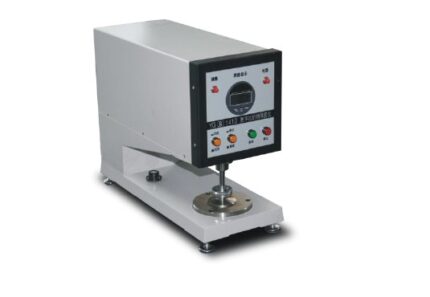
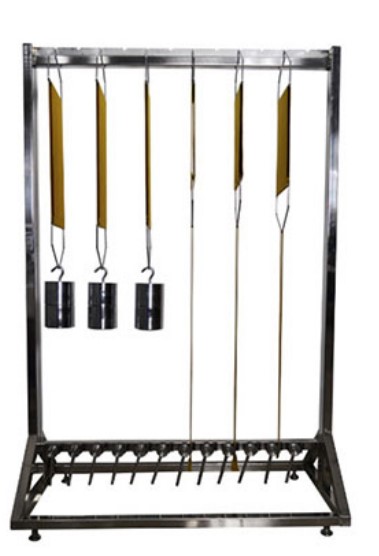
    A Perspiration Tester is a lab device used to evaluate the colorfastness of textiles to artificial perspiration (sweat). It simulates the effects of human sweat—both acidic and alkaline—on dyed or printed fabrics under controlled temperature and pressure.


    Purpose of Perspiration Tester:

    – To test how fabrics react to body sweat and determine whether dyes bleed, fade, or transfer onto adjacent materials.


    Working Principle:

    1. Fabric samples are treated with synthetic perspiration solution (acidic or alkaline).
    2. They are sandwiched with adjacent fabric and placed between glass or acrylic plates.
    3. The assembly is loaded into the tester and pressed under specific pressure.
    4. it’s then incubated at 37°C (body temperature) for a fixed time (typically 4 or 16 hours).
    5. Afterward, color change and staining are evaluated using a gray scale.


    Applications of Perspiration Tester:

    – Garment and sportswear testing

    – Quality control in textile processing

    – Compliance with standards like ISO 105 E04, AATCC 15


    Benefits of Perspiration Tester:

    1. Accurate Sweat Simulation – Mimics real-life effects of acidic and alkaline perspiration on fabrics.
    2. Improves Product Quality – Ensures textiles retain color and don’t bleed or stain when worn.
    3. Supports Standard Compliance – Follows ISO and AATCC test standards for global market approval.
    4. Protects Brand Reputation- Reduces customer complaints due to dye transfer or fading.


    1. Simple and Repeatable- Provides consistent pressure and conditions for reliable results.
    2. Multi-Sample Testing- Tests multiple specimens at once, saving time in labs.
    3. Durable and Low Maintenance- Robust frame with minimal moving parts makes it long-lasting and easy to care for.


    Features of Perspiration Tester:

    1. Stainless Steel Frame – Corrosion-resistant body for durability and long-term use.
    2. Multi-Sample Capacity – Can hold up to 20 or more specimens for batch testing.
    3. Standardized Loading Weight- Applies uniform pressure (usually 12.5 kPa) across all samples.
    4. Removable Plates – Glass or acrylic plates ensure even contact and easy cleaning.


    1. Compact Design- Space-saving, bench-top model ideal for lab environments.
    2. Complies with Test Standards – Meets ISO 105 E04, AATCC 15, and related perspiration fastness standards.
    3. Ease of Operation – Simple loading, unloading, and incubation process.
    4. High-Temperature Resistance – Can be used inside incubators at 37°C or ovens as required.


    How to Use a Perspiration Tester:

    1. Prepare the Test Solution – Mix artificial acidic or alkaline perspiration as per standard (ISO or AATCC).
    2. Cut the Fabric Samples – Cut both the test fabric and adjacent white fabric (usually cotton) to standard size.
    3. Soak the Samples – Immerse the fabric sandwich (test + adjacent) in the test solution for 30 minutes.
    4. Remove Excess Liquid – Gently squeeze or blot to remove extra moisture—do not dry.


    1. Load in the Tester- Place each sandwich between glass or acrylic separator plates in the tester.
    2. Apply Pressure – Tighten the top plate or place the standard weight on top to apply uniform pressure.
    3. Incubate – Keep the loaded tester in an oven or incubator at 37°C for 4–16 hours (depending on the method).
    1. Accurate Sweat Simulation – Mimics real-life effects of acidic and alkaline perspiration on fabrics.
    2. Improves Product Quality – Ensures textiles retain color and don’t bleed or stain when worn.
    3. Supports Standard Compliance – Follows ISO and AATCC test standards for global market approval.
    4. Protects Brand Reputation- Reduces customer complaints due to dye transfer or fading.


    1. Simple and Repeatable- Provides consistent pressure and conditions for reliable results.
    2. Multi-Sample Testing- Tests multiple specimens at once, saving time in labs.
    3. Durable and Low Maintenance- Robust frame with minimal moving parts makes it long-lasting and easy to care for.
    1. Dry and Evaluate – Remove, air dry the samples, then assess color change and staining using a gray scale.
    2. Fabric samples are treated with synthetic perspiration solution (acidic or alkaline).
    3. They are sandwiched with adjacent fabric and placed between glass or acrylic plates.
    4. The assembly is loaded into the tester and pressed under specific pressure.
    5. it’s then incubated at 37°C (body temperature) for a fixed time (typically 4 or 16 hours).
    6. Afterward, color change and staining are evaluated using a gray scale.

      Perspiration Tester

      Perspiration Tester

    Category: Lab Equipment & Instrument Tags: Lab Machine Supplier in Bangladesh, lab Perspiration Tester, Laboratory Perspiration Tester, Perspiration Tester, Perspiration Tester price in Bangladesh, Textile lab Machine supplier Brand: SDL, JAMES H HEAL
    Share:
    • Shipping & Delivery
    Shipping & Delivery

    Related products

    Digital Thickness Gauge

    Digital thickness gauge

    Lab Equipment & Instrument
    $0.00
    Digital Thickness Gauge

    Digital Thickness Gauge

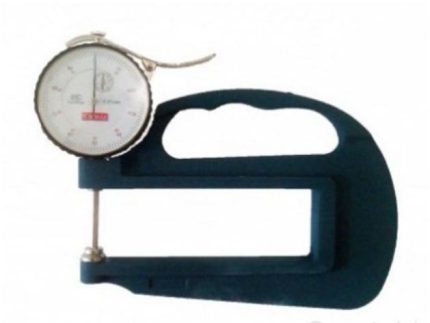
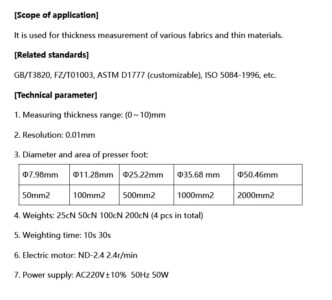
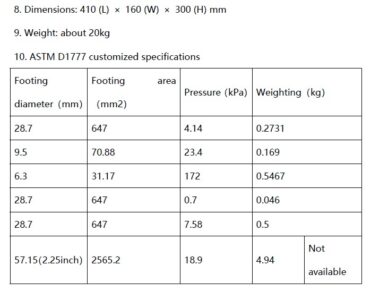
      A Digital Thickness Gauge is a precision instrument used to measure the thickness of materials like fabric, paper, plastic, rubber, leather, and films. It displays readings digitally, offering greater accuracy, consistency, and ease of use compared to analog gauges. Purpose of Digital Thickness Gauge: - To measure material thickness accurately for quality control and specification compliance. - Commonly used in textile, paper, packaging, plastic, and leather industries.   Working Principle of Digital Thickness Gauge: - A flat presser foot is lowered onto the material placed on an anvil. - The displacement between the anvil and foot is measured using a digital sensor. - The value is displayed instantly on an LCD screen.   Key Features of Digital Thickness Gauge: - Digital LCD Display – Clear, instant readings. - High Accuracy & Resolution – Typically ±0.01 mm or better. - Spring-Loaded Presser Foot – Applies uniform pressure. - Zero Setting & Data Hold – For quick reference and repeatability. - Unit Conversion – Switch between mm/inch. - Battery Operated – Portable and convenient.   Applications of Digital Thickness Gauge: - Fabric and textile labs - Plastic film and paper mills - Leather and rubber product inspection - Research & development   Benefits of Digital Thickness Gauge:
    1. High Accuracy - Offers precise measurements, often up to ±0.01 mm, reducing human error.
    2. Quick Readout - Instant digital display of results speeds up testing and data collection.
    3. Easy to Use - Simple operation with one-button zeroing and unit conversion.
    4. Consistent Pressure Application - Spring-loaded foot ensures uniform pressure for repeatable results.
     
    1. Multi-Material Testing - Suitable for textiles, paper, film, rubber, leather, and nonwovens.
    2. Portable and Lightweight- Ideal for both lab and field use with battery-powered operation.
    3. Data Hold Function - Locks the measurement on-screen for easy recording.
    4. Improves Quality Control - Helps manufacturers maintain product thickness standards.
      Features of Digital Thickness Gauge:
    1. Digital LCD Display - Provides clear, instant thickness readings in mm or inches.
    2. High Resolution & Accuracy - Typically measures with 0.01 mm precision.
    3. Spring-Loaded Presser Foot - Applies consistent pressure on samples for reliable results.
    4. Zero Setting Function- Allows quick reset before each measurement.
    5. Unit Conversion Button - Easily switch between metric (mm) and imperial (inch) units.
    6. Data Hold Function - Freezes the displayed value for easy recording.
    7. Portable Design - Compact and battery-operated for on-site or lab use.
    8. Durable Construction - Made from stainless steel or hardened materials for long life.
     
    1. Auto Power-Off - Saves battery by shutting off when idle.
    2. Variety of Anvil & Foot Sizes - Customizable based on testing standards or material types.
      How to Use Digital Thickness Gauge:
    1. Power On the Device - Press the power button to turn on the gauge.
    2. Zero the Gauge - Close the anvil and presser foot fully. Press the "ZERO" button to reset the display to 0.00 mm.
    3. Select Unit (if needed) - Use the unit button to toggle between mm and inches.
    4. Place the Sample - Open the presser foot and insert the material between the foot and anvil.
    5. Apply Pressure - Gently release the presser foot to let it rest on the sample using its spring force.
     
    1. Read the Measurement- Read the thickness displayed on the LCD screen.
    2. Hold or Record the Data - Use the "HOLD" button (if available) to lock the reading for recording.
    3. Remove the Sample- Lift the presser foot and take out the material.
    4. Power Off - Turn off the device or let it auto shut-off.
    5. Features of Digital Thickness Gauge:
      1. Digital LCD Display - Provides clear, instant thickness readings in mm or inches.
      2. High Resolution & Accuracy - Typically measures with 0.01 mm precision.
      3. Spring-Loaded Presser Foot - Applies consistent pressure on samples for reliable results.
      4. Zero Setting Function- Allows quick reset before each measurement.
      5. Unit Conversion Button - Easily switch between metric (mm) and imperial (inch) units.
      6. Data Hold Function - Freezes the displayed value for easy recording.
      7. Portable Design - Compact and battery-operated for on-site or lab use.
      8. Durable Construction - Made from stainless steel or hardened materials for long life.
      Digital Thickness Gauge
    Digital Thickness Gauge --
    Add to cart
    Quick view
    Controller For IR Dyeing Machine
    Color Matching Cabinet -light Box

    Controller For IR Dyeing Machine

    Dyeing Lab Machine, Lab Equipment & Instrument
    $0.00
    Controller For IR Dyeing Machine
    Controller For IR Dyeing Machine
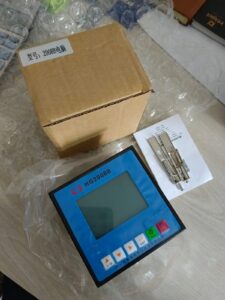
    IR Dyeing machine controller

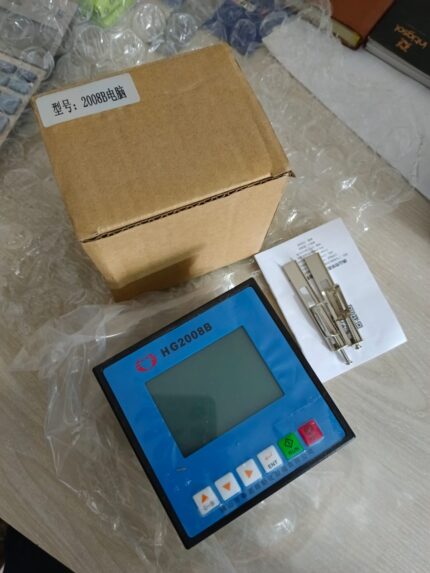
    Controller For IR Dyeing Machine offers exceptional quality .purchasing of our controller provides cost efficiencies, and customization options enabling you to meet your specific requirements comfortably. Collaborate with program A Controller for IR Dyeing Machine is a specialized control system designed to manage and automate the dyeing process in textile manufacturing, particularly using infrared heating technology. These controllers are crucial for achieving consistent dye quality, reducing energy consumption, and optimizing the dyeing process.   Key Features of an Controller For IR Dyeing Machine :
    1. Temperature Control:- Precisely regulates the infrared heaters to maintain uniform temperature across the dye bath. - Supports customizable heating curves (ramp-up, hold, and cool-down phases).
    2. Programmable Logic Control (PLC): - Allows operators to set and automate dyeing programs for different fabrics and dye types. - Supports multiple recipes or programs for different batches.
     
    1. Real-Time Monitoring and Feedback: - Monitors parameters like temperature, fabric rotation, bath circulation, and timing. - Provides real-time data and alarms for deviations.
    2. Touchscreen Interface / HMI (Human Machine Interface): - User-friendly interface for configuring and monitoring processes. - Multi-language support and graphical display of process curves.
     
    1. Data Logging and Traceability: - Records process data for quality control and traceability.
    2. Energy Efficiency Optimization: - Manages IR heater output to reduce energy usage. - Often includes features for auto shut-off or idle mode.
     
    1. Safety Features: - Includes emergency stop, over-temperature protection, and fault detection systems. 8. Connectivity: - Modern controllers may support Ethernet, Modbus, or other industrial communication protocols for integration into factory automation systems.
      Using A Controller For IR Dyeing Machine provides several benefits, especially in textile manufacturing where precision and efficiency are critical. Here are the key advantages:
    1. Improved Dyeing Accuracy and Consistency
    - Maintains precise temperature control and timing, ensuring uniform dye uptake across the fabric. - Reduces color variation between batches.  
    1. Enhanced Energy Efficiency- Infrared heating is more energy-efficient than traditional heating methods.- The controller optimizes energy use by adjusting the IR output based on process needs, reducing overall energy consumption.
     
    1. Time Savings- Faster heating and cooling cycles due to infrared technology.- Automated processes reduce manual intervention and cycle times. 4. Better Process Control- Programmable dyeing cycles and precise control over each stage (heating, dyeing, rinsing, cooling).- Real-time monitoring and adjustments improve reliability.
     
    1. Reduced Water and Chemical Usage- More efficient dye penetration and fixation mean less water and fewer chemicals are needed for reprocessing or corrections.6. Lower Operational Costs
    - Energy savings, reduced rework, and lower labor input contribute to cost efficiency. - Minimizes fabric damage, reducing material waste.  
    1. Enhanced Safety Built-in alarms, emergency shut-off and automatic fault detection enhance operational safety.8. Data Logging and Traceability- Ability to record and review dyeing process data helps in quality control and troubleshooting.- Facilitates compliance with industry standards and audits.
     
    1. User-Friendly Operation- Modern touchscreen interfaces make it easier for operators to manage and monitor processes.- Multilingual support and visual feedback enhance usability.
     
    Add to cart
    Quick view
    Card Winding Machine
    Card Winding Machine

    Card winding machine

    Yarn Dyeing Machine & Equipment
    $0.00

    Card Winding Machine

    Card Winding Machine

    Card Winding Machine

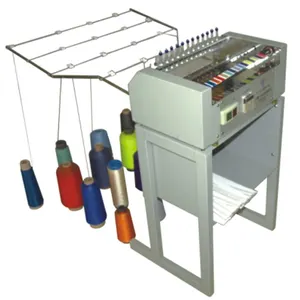
      A Card Winding Machine is used in textile processing to wind yarn from hanks, bobbins, or cones onto cards or perforated boards, typically for dyeing or sampling purposes. It ensures uniform yarn distribution and tension, crucial for consistent dye penetration.   Purpose Card Winding Machine: To wind yarn onto flat cards or holders for lab dyeing, color matching, or textile sample display.   Applications Card Winding Machine: Yarn dyeing labs R&D and sample development Display or swatch card preparation Yarn shade catalog creation   Working Principle Card Winding Machine: The yarn is drawn from a source (cone or bobbin) and wound evenly onto a card. The machine controls the winding speed, spacing, and tension to avoid tangles or breaks.   Benefits of Card Winding Machine: Uniform Yarn Placement- Ensures even winding for consistent dyeing and presentation. Ideal for Sampling - Perfect for creating lab dye samples, color cards, and swatches. Time-Saving - Automates a manual process, increasing efficiency.   Low Yarn Waste - Allows controlled use of small yarn amounts for trials. Supports Various Yarn Types - Can handle cotton, polyester, blends, and fancy yarns.   Features of Card Winding Machine: Adjustable Winding Tension - Maintains constant tension to prevent yarn breakage. Speed Control - Variable winding speed for different yarn types and applications. Card Size Compatibility - Supports multiple card sizes and formats. Precision Traverse System- Ensures neat layer formation without overlapping. Compact Design - Table-top or stand-mounted; suitable for labs or sample rooms.   How to Use a Card Winding Machine: Prepare the Yarn Source - Place the yarn cone or bobbin on the yarn holder. - Thread the yarn through the tensioner and guide system. Insert the Card - Mount the empty card or board onto the winding platform/clamp securely.   Set Winding Parameters- Adjust winding speed, tension, and traverse width based on yarn type and card size. Start the Machine - Turn on the power and begin winding; monitor the yarn flow and tension. Monitor the Winding - Ensure yarn is winding evenly and smoothly across the card.   Stop the Machine - Once the desired coverage or length is reached, stop the machine. Remove the Card - Carefully take out the wound card and trim any loose yarn ends. Label or Store - Label for testing or sample purposes as needed.   Maintenance Tips for Card Winding Machine: Daily: ☐ Clean yarn guides and tensioners ☐ Wipe down the machine to remove dust or lint ☐ Check for smooth yarn feeding   Weekly: ☐ Lubricate moving parts if required ☐ Inspect tension device and traverse system for wear ☐ Test speed control and motor function   Monthly: ☐ Tighten all screws, knobs, and clamps ☐ Inspect electrical parts and connections ☐ Clean internal components if accessible   Safety Tips: ☐ Keep fingers away from moving yarn and parts during operation ☐ Do not exceed machine speed limits for delicate yarns ☐ Ensure proper grounding of the machine ☐ Always power off before cleaning or adjusting settings ☐ Wear snug clothing to avoid yarn entanglement  
    Product description
    Color Card Winding Machine applies to a number of brass wire, yarn,
    while according to technological requirements on winding type with quantitative,
    bound, for yarn user optional color, contrast and testing purposes.
    It is a professional new product designed to give a variety of sample cards.
    Specification
    Model FH-25
    Color card winding machine
    Voltage 220V 50HZ one phase
    Color White
    Dimensions L1100xW600xH800(mm)
    Paper color card size According to custom-made Piece Within 25 pieces
    Power 15w
    Weight 30kgs
    We could make special type according to the customers request.
    Card Winding Machine
    Card Winding Machine

    Add to cart
    Quick view
    Automatic Bobbin Hydro extractor
    Automatic Bobbin Hydro extractor

    Automatic Bobbin Hydro extractor

    Yarn Dyeing Machine & Equipment
    $0.00
    Automatic Bobbin Hydro extractor
    Automatic Bobbin Hydro extractor

    Automatic Bobbin Hydro extractor

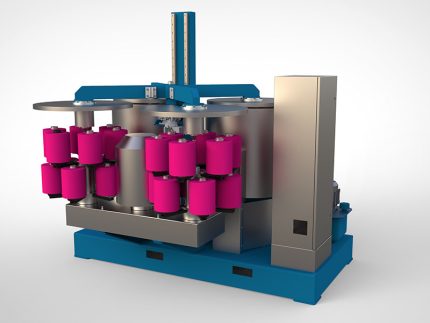
      An Automatic Bobbin Hydro extractor is a high-speed centrifugal machine used in textile dyeing units to remove excess water from yarn bobbins after dyeing. It operates by spinning the bobbins at high speed, extracting water via centrifugal force, significantly reducing drying time.   Purpose of Automatic Bobbin Hydro extractor: To dewater dyed yarn bobbins quickly and efficiently before final drying.   Applications of Automatic Bobbin Hydro extractor: Textile dye houses Cone and bobbin dyeing units Pre-drying in yarn processing   Working Principle of Automatic Bobbin Hydro extractor: Dyed bobbins are loaded into perforated baskets. The machine spins rapidly, forcing water outwards and draining it away. Automatic controls manage cycle time, speed, and safety functions.   Benefits of Automatic Bobbin Hydro extractor: Fast Water Removal - Greatly reduces moisture content before drying, saving energy. Gentle on Yarn - Designed to avoid damage or deformation of soft dyed bobbins. Labor-Saving Operation - Fully automatic with programmable cycles for ease of use. Shortens Drying Time - Cuts drying time in hot air or RF dryers significantly.   Improves Production Efficiency - Speeds up workflow in dyeing and finishing processes. Reduces Manual Handling - Often includes hydraulic or pneumatic lifting for easy bobbin loading/unloading.   Features of Automatic Bobbin Hydro extractor: High-Speed Stainless Steel Drum - Rust-resistant and built for stable, high-speed spinning. PLC or Digital Controller - For setting speed, time, and safety interlocks. Soft Start & Stop Function - Protects yarn and machine from sudden movement or shock. Automatic Lid Locking System - Ensures safety during operation.   Efficient Drainage System - Quickly removes expelled water to drain line. Vibration-Free Design - Balanced system reduces noise and mechanical wear.   How to Use Automatic Bobbin Hydro extractor: Prepare Bobbins - Ensure dyed bobbins are properly packed and free of loose ends. Load the Machine - Open the lid and place bobbins evenly inside the perforated drum.     - Avoid overloading to maintain balance during spinning.   Close and Lock Lid - Securely close the lid; the automatic locking system will engage.   Set Parameters- Use the control panel to set spinning speed and time according to yarn type. Start the Cycle - Press start; the machine will gradually accelerate to the preset speed. Monitor Operation - The machine runs, extracting water by centrifugal force.   Cycle Completion - After the set time, the machine slows down and stops automatically. Unload Bobbins - Open the lid once unlocked and carefully remove the hydro-extracted bobbins. Clean the Machine - Remove any residual water or lint from the drum after use.   Maintenance Tips for Automatic Bobbin Hydro extractor: Daily: ☐ Clean the drum and interior to remove lint and water residues ☐ Check lid locking mechanism for smooth operation ☐ Inspect drain pipes for clogging   Weekly: ☐ Lubricate moving parts as per manufacturer instructions ☐ Inspect belt or motor coupling for wear ☐ Test safety interlocks and emergency stop   Monthly: ☐ Check electrical wiring and control panel for damage ☐ Balance drum if vibrations are noticeable ☐ Tighten all bolts and fasteners   Safety Tips: ☐ Always ensure the lid is properly locked before starting ☐ Do not overload the drum to avoid imbalance and damage ☐ Keep hands and loose clothing clear of moving parts ☐ Use emergency stop in case of abnormal noise or vibration ☐ Turn off power before cleaning or maintenance   Automatic Bobbin Hydro extractor Maintenance Checklist Daily: ☐ Clean drum and interior from lint & water ☐ Check lid locking mechanism ☐ Inspect drain pipes for clogging   Weekly: ☐ Lubricate moving parts as per manual ☐ Inspect belt/motor coupling for wear ☐ Test safety interlocks & emergency stop   Monthly: ☐ Check electrical wiring and control panel ☐ Balance drum if vibration occurs ☐ Tighten bolts and fasteners   Safety Checklist ☐ Confirm lid is locked before operation ☐ Avoid overloading drum ☐ Keep hands & loose clothing away from moving parts ☐ Use emergency stop if needed ☐ Power off before cleaning or maintenance   TECHNICAL DATA OF THE MACHINE
    • Computer system: Foshan HuaGao Chinese English computer, equipped with LG PLC.
    • Electromagnetic valve: Ningbo Jiaerling
    • Frequency converter: Use Made in China frequency converters.
    • Pump: self-made high head and large flow centrifugal water pump.
    • Main pump motor: Anhui Wannan Motor.
     
    • Master cylinder liquid level: Use 4-20mA analog signal output.
    • Level of deputy temporary worker: use foam water level gauge. (American Mike)
    • Temperature detection and display: digital temperature display instrument, dual temperature measuring probes.
    • The safety system has a triple cylinder head safety interlock mechanism, and the main cylinder is equipped with a stainless
    • steel safety valve.
    • Heat exchanger: external spacer heating.
    • Feeding system: Quantitative feeding based on the process curve.
     
    • Circulation system: The main pump flows internally and externally, which is automatically controlled by a computer or manually controlled by a relay.
    • Valves: Y valves are used for heating, stainless steel Y valves are used for single inlet and single row, and other Y valves are produced by joint ventures.
    • Temperature control: on-off temperature control, controlled by a computer, with automatic heating, cooling, and insulation functions.
    • Dyeing method: air cushion type.
    • Opening method: manual opening.
    • Surface treatment: polishing inside and outside the cylinder.
    • Cage: Each dyeing machine is equipped with butterfly blades and self-locking locks.
     
    • Body plate: high-quality stainless steel. (S31603)
    • Bath ratio: 1:5-1:6
    • Chemical material system: including heating and water adding functions, including overflow type salt melting device.
    • Overflow cleaning: The cleaning port is installed on the upper part of the cylinder port, and the bottom of the cylinder is filled with water, while the cylinder is drained for easy cleaning.
    • Commutation method: Novel "U" type commutation.
    • Random accessories: Each model comes with one set of mechanical seals, pot mouth rings, and reversing seals for the main and auxiliary pumps.
      Automatic Bobbin Hydro extractor

      Automatic Bobbin Hydro extractor

    Add to cart
    Quick view
    IR Dyeing Machine Dunlin

    IR Dyeing Machine Dunlin

    Dyeing Lab Machine, Lab Equipment & Instrument, Yarn Dyeing Machine & Equipment
    $0.00
    IR Dyeing Machine Dunlin
    IR Dyeing machine Dunlin is Safe, high efficiency, environment friendly, energy saving, optimum for new dyeing small sample machines

    IR Dyeing Machine Dunlin

    24 pot 300 ml IR Dyeing Machine Dunlin Application  This machine is oil bath type infrared laboratory dyeing machine, it combine the advantages of traditional glycerol dyeing machine with common infrared dyeing machine together. It’s apply to dyeing and testing the color fastness of the knitted fabric, woven fabric, yarn, cotton, loose fiber, zipper etc. It was special design for dyeing industry, chemical industry, raw material, cloth which can simulate the production conditions exactly and reach the process effect. Used for simulate the dyeing process in actual production, even apply for the small-batch production. Characteristics  Safety, high efficiency, environmental protection, energy saving and consumption reduction, which can fully meet the requirements of dyeing and color matching experiments; segmented heating sampling experiments, segmented, uniform  dyeing and Permeability test, dye absorption rate tests of pH, temperature and bath ratio differences, concentration and other tests, etc. In addition, the machine is highly personalized, and can make different specifications of dyeing steel cups according to customer needs. Feature   Easy to operate, dye pot can be individually Turn plate removed to save waiting time. The ability to conduct the tests of various dyes and chemicals on dispersing, leveling, liquor ratio exhausting etc. l Special recommendation for “STEP DYEING "to select the best dyestuff and combinations for the most Suitable dyeing curve to achieve the highest efficiency and quality Different sizes of dye pots for various weight of samples with yarn or fabric holders to ensure the good leveling result .There will be no crease mark.  Suitable for low liquor ratio dyeing. Sample weight from 4g to 20g.  Special design for humanity, durability and easy-maintenance. Safe, high efficiency, environment friendly, energy saving, optimum for new dyeing small sample machines Product Parameter of IR Dyeing machine Dunlin specifically designed with a focus on human usability, durability, and ease of maintenance. It prioritizes safety, high efficiency, and environmental friendliness while also being energy-saving. This machine is optimal for new dyeing small sample machines due to its product parameter advantages. specifically designed to prioritize humanity, durability, and ease of maintenance. It offers a safe, high-efficiency operation while being environmentally friendly and energy-saving. This machine is optimal for new dyeing small sample machines due to its specialized features and product parameters.  Model : IF-24S Infrared Laboratory Dyeing Machine Key Specification Model : IF-12S IF-24S Staining cup number 12/24 Staining cup volume 300cc OR 425cc Control mode LCD Microprocessor type, programmable process number: 100(0—99), 100 programmable steps per process Heat method Infrared heat Temperature range RT - 140 ℃ Temperature control accuracy ±0.2 ℃ Heating rate

    0 - 3.5 ℃ / min Cooling rate 0.2 - 5 ℃ / min Cooling method Air-cooled Rotation speed 0 - 60 rpm Liquor ratio 1:5 -1:100 Power supply 1∮AC 220V 50/60HZ Dimensions( L x W x H) 670×670×780mm 860×680×780mm Weight 100kg 120kg Standard Accessories Cups 1set

    Put the test sample. Cups stand 1set Place where to put cups. Protective glove 1set To avoid to be hurt by HT cups. Model: IF-24SCapacity: 24 pots Brad: DUNLIN Origin: China

    Color dyeing tests for various dyestuffs of IR Dyeing machine Dunlin
    1. Step dyeing tests. C. Dispersing, levelling and impregnating test. D. High or low liquor ratio exhausting tests. E. Fabric steak and staining tests. F. Concentration tests and others. Protection and Safety gates to protect. Temperature control accuracy +/- 0.2degree
    Working temperature of IR Dyeing machine Dunlin 20 – 140 degree Heating rate of dye bath 0 – 3.5degree / min Cooling rate 0.2 – 5 degree / min Cooling method air-cooled / Auto Speed control frequency conversion Rotation speed 0 – 60 turn / min Microprocessor type Newhaven controller 99 programs each Program with 99steps. IR Dyeing Machine Dunlin
    IR Dyeing machine

    IR Dyeing machine

     
    Add to cart
    Quick view
    Digital Temperature Humidity Meter

    Digital Temperature Humidity Meter
    Lab Equipment & Instrument, Physical Testing & Fabric Testing
    $0.00
    Digital Temperature Humidity Meter

    Digital Temperature Humidity Meter
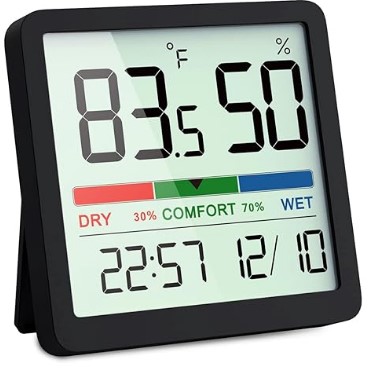
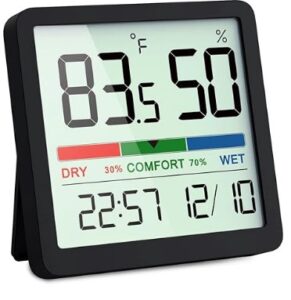
      A Digital Temperature Humidity Meter, also known as a digital hygrometer, is an electronic device used to measure and display the relative humidity (RH) of the air, often along with temperature. It's commonly used in laboratories, industrial settings, storage areas, and homes to monitor moisture levels.   Key Features of Digital Temperature Humidity Meter: - Digital Display: Shows humidity (in % RH) and often temperature (in °C/°F). - Sensor-Based Measurement: Uses capacitive or resistive sensors for accurate readings. - Compact & Portable: Available in handheld or wall-mountable forms. - Data Logging (in some models): Records humidity levels over time for analysis. - Min/Max Readings: Displays historical high and low humidity values.   Common Applications of Digital Temperature Humidity Meter: - Laboratories: Maintaining stable humidity for experiments or sample storage. - Warehouses: Monitoring conditions for sensitive goods (e.g., electronics, paper, pharmaceuticals). - HVAC Systems: Ensuring proper climate control. - Homes: Preventing mold growth or overly dry conditions.   Benefits of Digital Temperature Humidity Meter: - Accurate and quick readings - Easy to use and read - Helps in maintaining comfort, safety, and product integrity Would you like recommendations for models or guidance on calibration? Benefits of Digital Humidity meter Here are the key benefits of using a Digital Humidity Meter:   ✅ 1. Accurate Humidity Monitoring - Provides precise relative humidity (%RH) readings, essential for sensitive environments. ✅ 2. Fast and Real-Time Results - Displays immediate data, allowing for quick adjustments to environmental conditions. ✅ 3. Dual Measurement - Many models also measure temperature, offering a more complete picture of ambient conditions.   ✅ 4. Easy to Use - Simple digital interface with clear display, suitable for both professionals and non-technical users. ✅ 5. Compact and Portable - Lightweight design makes it ideal for field use, indoor monitoring, or mounting on walls. ✅ 6. Prevents Damage - Helps avoid moisture-related issues like mold, corrosion, static buildup, and product degradation.   ✅ 7. Supports Quality Control - Essential for labs, warehouses, and manufacturing environments to maintain product integrity. ✅ 8. Data Logging (Optional) How to use Digital Humidity meter Here are the key features of a Digital Humidity Meter: 1. Digital Display - Shows real-time humidity (%) and often temperature (°C/°F). - Some include backlit screens for easy viewing.   2. High Accuracy Sensors - Uses capacitive or resistive sensors for accurate and stable humidity readings. 3. Min/Max & Hold Functions - Displays minimum, maximum, and current readings. - "Hold" function freezes the current reading for review.   4. Data Logging (in advanced models) - Records humidity data over time for monitoring trends. 5. Portable or Wall-Mountable - Available as handheld, desktop, or wall-mounted units for different environments.   6. Battery or USB Powered - Operates on standard batteries or via USB power for flexibility. 7. Optional External Probes - Some models support external humidity/temperature sensors for remote monitoring. 8. Calibration Option - Allows manual or automatic calibration to maintain accuracy.   Here’s a quick step-by-step guide on how to use a Digital Temperature Humidity Meter: ✅ 1. Power On the Device - Insert batteries (if portable) or plug it in (if wall-mounted). - Press the power button to turn it on. ✅ 2. Place It Properly - Set the meter in an open, well-ventilated area. - Avoid placing near windows, vents, or direct heat sources for accurate readings.   ✅ 3. Wait for Stabilization - Allow the device a few seconds to stabilize and show accurate humidity and temperature readings. ✅ 4. Read the Display - Humidity will be shown as % RH (Relative Humidity). - Most models also display temperature in °C or °F.   ✅ 5. Use Additional Features (if available) - Press buttons to view Min/Max, Data Log, or switch units. - Some advanced models may have Bluetooth or USB for data transfer. ✅ 6. Maintain the Device - Clean sensor area gently if dusty. - Calibrate periodically if required (check manual).  
    Add to cart
    Quick view
    Digital hot plate-magnetic stirrer
    Color Matching Cabinet -light Box

    Digital hot plate-magnetic stirrer

    Dyeing Lab Machine, Lab Equipment & Instrument
    $0.00

    Digital hot plate-magnetic stirrer

    Digital hot plate-magnetic stirrer

    Digital hot plate-magnetic stirrer

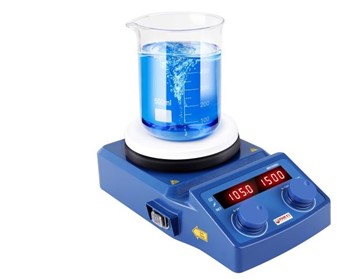
      A digital hot plate-magnetic stirrer is a laboratory device that combines two essential functions: heating and stirring. It is widely used in chemistry, biology, and physics laboratories for preparing solutions, mixing chemicals, and conducting experiments that require controlled heating and stirring. Model : (DL-300) Brand : DUNLIN Origin : TAIWAN Set-up plate Dimensions : Ø 135 mm Motor type : DC Motor Speed range : 0-1500 rpm Display : 5 Inch LED Display Heating temperature range : Room Temp. 0-280°C Temperature display : 5 Inch LED Display Temperature display accuracy : ±0.1 Protection class according to DIN EN 60529 : IP42 Power Supply : 200-240V 3A Dimensions ( W x D x H ) : ( 255 x 152 x 80 ) mm Key Components of Digital hot plate-magnetic stirrer: Hot Plate (Heating Element): - Provides a flat surface that heats up electrically. - Controlled via a digital interface for setting precise temperatures. - Often features over-temperature protection for safety.
    1. Magnetic Stirrer:
    - Uses a rotating magnetic field to spin a magnetic stir bar placed in the liquid. - Ensures even mixing of the solution without manual stirring. - Speed can be adjusted digitally.  
    1. Digital Display and Controls:
    - Allows precise setting of temperature and stirring speed. - Typically includes an LCD or LED screen. - Some models have programmable settings and timers.  
    1. Temperature Sensors:   - Built-in or external probes (like a PT100 or thermocouple) for accurate temperature control.
      Features of Digital hot plate-magnetic stirrer: - Temperature Range: Usually ranges from ambient to 300°C or higher. - Stirring Speed: Typically ranges from 100 to 1500 RPM. Material: The top plate is often made from ceramic, aluminum, or stainless steel to ensure durability and chemical resistance.   Applications Digital hot plate-magnetic stirrer: - Dissolving solids in liquids. - Heating samples while stirring to ensure uniform temperature distribution. - Conducting chemical reactions that need constant stirring and controlled heat. - Biological and pharmaceutical sample preparation.     Benefits of using a Digital Hot Plate & Magnetic Stirrer in laboratory and industrial settings:
    1. Precision and Control- Digital Interface: Allows accurate setting and monitoring of temperature and stirring speed.- Consistent Results: Ensures reproducibility in experiments and solution preparations.
     
    1. Efficient Mixing and Heating- Uniform Mixing: Magnetic stirring eliminates hotspots and ensures even distribution of solutes.- Simultaneous Operation: Ability to heat and stir at the same time improves efficiency.
     
    1. Safety Features- Overheat Protection: Prevents accidents by automatically shutting off at unsafe temperatures.- Sealed Surface: Reduces risk of contamination and easy to clean.
     
    1. Versatility
    - Suitable for a wide range of applications including chemical synthesis, biological experiments, and pharmaceutical processes.- Compatible with various types of containers and volumes.  
    1. Compact and User-Friendly- Takes up minimal bench space.- Simple to operate with user-friendly controls and displays.
    2. Durability- High-quality materials like ceramic or stainless steel tops resist corrosion and wear.
    3. Time-Saving Speeds up preparation of solutions and reactions compared to manual stirring and separate heating. Would you like these benefits presented in a slide format or for a product brochure?
    Add to cart
    Quick view
    Digital paper dot meter Densitometer

    Digital Paper Dot Meter Densitometer
    Lab Equipment & Instrument
    $0.00
    Digital Paper Dot Meter Densitometer
    Digital Paper Dot Meter Densitometer

    Digital Paper Dot Meter Densitometer

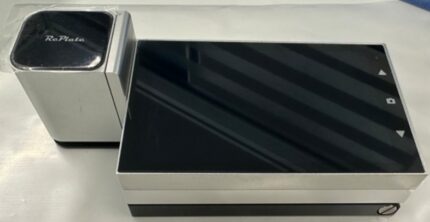
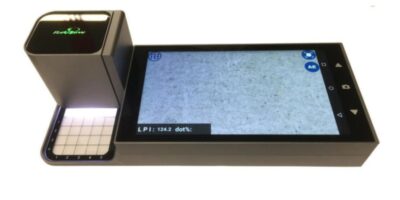
      Dot mainly expresses hue and gradation in printing industry. They are foundation of copy and color reproduction of printed products. Dot, tiniest unit to adsorb ink in offset print, reflects hue, gradation and tone of source products in printed. Changes of dots results in problems of printed products including sharpness, gradation, hue, contrast, tone of printing ink, ink density and black overprint. The advanced dot measurement technology is used for detecting and controlling plate and quality of dot. It supports all kinds of screening technologies used at present including amplitude screening, frequency modulation screening, specialized screening and hybrid screening technology.   A Digital Paper Dot Meter Densitometer is a precision instrument designed to measure the optical density and dot characteristics of printed materials, particularly in the printing and packaging industries. It plays a crucial role in quality control by ensuring color consistency, accurate dot reproduction, and overall print fidelity.   Purpose and Applications of Digital Paper Dot Meter Densitometer This device is primarily used to: - Measure Optical Density: Assess the darkness or lightness of printed areas to ensure consistent ink application. - Evaluate Dot Gain: Determine the increase in dot size during printing, which affects image sharpness and color accuracy. - Analyze Dot Area and Enlargement: Quantify the percentage of area covered by dots and any unintended expansion. - Assess Overprint and Contrast: Examine how different ink layers interact and the contrast between printed elements. - Monitor Tone Error and Gray Balance: Ensure accurate reproduction of tones and neutral grays.     These measurements are vital for maintaining high-quality standards in offset printing, flexography, gravure, and other printing processes. ⚙️ Key Features Modern digital densitometers, such as the YD5010 PLUS Spectro-Densitometer, offer advanced functionalities: - Measurement Geometry: 45°/0° configuration for accurate color and density readings. - Light Sources: Combined LED and UV light for versatile measurement conditions. - Spectral Range: 400–700 nm with a 10 nm interval, covering the visible spectrum. - Detector: 256-element double array CMOS sensor for high-resolution data capture. - Density Standards: Compliant with ISO Status A, E, I, T for standardized measurements.   - Color Spaces: Supports CIE LAB, XYZ, Yxy, LCh for comprehensive color analysis. - Observer Angles: Selectable 2° and 10° angles for different viewing conditions. - Measurement Modes: Single and average measurements (2–99 readings) for flexibility. - Data Storage: Capacity to store over 10,000 measurement records. - Display: 3.5-inch TFT color LCD with capacitive touch for intuitive operation. - Power Supply: Rechargeable Li-ion battery supporting up to 5,000 measurements per charge. These features enable precise monitoring and control of printing processes, ensuring high-quality output. Measurement Capabilities of Digital Paper Dot Meter Densitometer Digital densitometers provide a range of measurement functions: - Density Value and Difference: Quantify the optical density and compare variations across samples. - Dot Area and Enlargement: Calculate the percentage of area covered by ink dots and any growth during printing.   - Overprint Analysis: Evaluate how different ink layers interact when overprinted. - Printing Characteristics: Assess parameters like contrast, tone error, and gray balance. - Color Difference (ΔE): Measure the deviation between intended and actual colors using formulas like ΔE*ab, ΔE*94, and ΔE*00.These measurements are essential for maintaining color accuracy and consistency in printed materials.   Usage and Operation of Digital Paper Dot Meter Densitometer Using a digital paper dot meter densitometer typically involves:
    1. Calibration: Performing white and black calibration using provided standards to ensure measurement accuracy.
     
    1. Sample Placement: Positioning the printed sample under the measurement aperture.
    2. Measurement: Initiating the measurement process via the touch screen or connected software.
    3. Data Analysis: Reviewing the displayed results and, if necessary, transferring data to a computer for further analysis.Regular calibration and maintenance are recommended to maintain the device's accuracy and longevity.
      Industry Applications of Digital Paper Dot Meter Densitometer Digital paper dot meter densitometers are widely used in: - Printing and Packaging: Ensuring consistent color reproduction and print quality. - Ink Manufacturing: Testing ink properties and performance. - Paper Production: Assessing paper's suitability for various printing processes. - Quality Control Laboratories: Conducting standardized tests to comply with industry regulations.   By providing accurate and reliable measurements, these devices help maintain high standards across the printing and packaging industries.   Benefits of Digital Paper Dot Meter Densitometer:
    1. Accurate Dot Analysis - Precisely measures dot gain, dot area, and enlargement for high-quality printing.
    2. Consistent Print Quality - Helps maintain uniform color density and contrast across print runs.
    3. Time-Saving - Quick digital readings eliminate the need for manual inspection and reduce errors.
    4. Multi-Parameter Testing - Measures density, color difference (ΔE), tone error, and gray balance in one device.
     
    1. Supports Industry Standards - Complies with ISO and other standards for print quality control.
    2. User-Friendly Interface - Touchscreen and onboard storage make it easy to operate and manage test data.
    3. Portable and Rechargeable - Battery-powered with thousands of readings per charge—ideal for field and lab use.
    4. Enhances Process Control - Enables precise adjustments during printing to reduce waste and reprints.
      Features of Digital Paper Dot Meter Densitometer:
    1. High-Resolution CMOS Sensor - Ensures precise optical density and color measurements.
    2. Measurement Geometry: 45°/0° - Ideal for accurate reflection density readings on printed materials.
    3. Multiple Light Sources - Includes visible and UV LEDs for versatile testing conditions.
    4. Touchscreen Display - 3.5-inch color LCD with intuitive controls for easy operation.
     
    1. Multi-Function Measurement - Measures dot area, dot gain, density difference, tone error, and gray balance.
    2. Large Data Storage - Stores over 10,000 measurements for tracking and reporting.
    3. Rechargeable Battery - Long-lasting lithium battery supports up to 5,000 readings per charge.
    4. USB and Bluetooth Connectivity - Allows data transfer and remote operation via PC or mobile apps.
     
    1. Standard Compliance - Supports ISO Status A, E, I, T and CIE color spaces like LAB, LCh, XYZ.
    2. Multiple Observer Angles - Select between 2° and 10° for different visual perception simulations.
      How to Use Digital Paper Dot Meter Densitometer:
    1. Power On - Turn on the device using the power button.
    2. Calibrate - Perform black and white calibration using the provided standard tiles to ensure accuracy.
    3. Select Measurement Mode - Choose desired mode: density, dot area, dot gain, ΔE, contrast, or gray balance.
     
    1. Place Sample - Position the printed paper sample under the measurement aperture.
    2. Take Measurement - Press the measure button or tap the screen. The device will scan and display results instantly.
    3. Analyze Results - View data on the touchscreen. You can switch between values like density, dot area, and color difference.
    4. Save or Export Data - Store results in internal memory or transfer via USB/Bluetooth if needed.
    5. Power Off and Store - Turn off after use. Keep in a dust-free area to protect sensors.
      Performance characteristics: 1.Android OS with HD 720 capacitive touching screen, storage of shooting and measured data and wireless network transmission. 2.Real time HD shooting of micro image dots for reveal reduction quality of dots in detail. 3.Measurement APP is equipped with advanced image processing technology that ensures precise measure data, and eight measuring instruments for satisfying measurement of not only daily dot ratio and  screening lines, but also measuring of length, angle and area of dots and lines.   4.Electronic precise focusing with step motor to coordinate lens for a sharply clear focusing. 5.Convenient data storage through built-in one-button shoot Magnification 5-200, Screen 720 P HD LCD touchable screen Operation system Android 5.0, Digital zoom 2, Image format BMP, Net weight 300g, Set weight 500g Image size 1280*720, Lighting White light LTD*8pcs, Measuring time 1 s Repeatability ±0.02 D(density),± 1%(dot area), Interface Micro USB 2.0, HDMI   Storage 16GB, ROM 2GB Battery capability 3200mAh Battery type Rechargeable lithium battery Network WIFI Dimension 185*70*55 mm Sensor CMSO 1.3 megapixel
    Digital Paper Dot Meter Densitometer

    Digital Paper Dot Meter Densitometer

     
    Add to cart
    Quick view
    • Address
      • House 05, Road 3/A, Sector 09, Uttara, Dhaka.
    • Phone
      • 01713741546, 01974741546, 01714634452, 01838488804
    • Email
      • maamtexbd@gmail.com, info.maamtex@gmail.com, mamun@maamtexbd.com, info@maamtexbd.com
    • USEFUL LINKS
      • Privacy Policy
      • Terms & Conditions
    • USEFUL LINKS
      • Home
      • Contact Us
      • About Us

    SOCIAL MEDIA:

    Copyright Reserved by Maamtexbd 2024 | Developed by Systemeye.net.
    • Menu
    • Categories
    • Electronics
    • Lab Scientific Item
    Create your first navigation menu here
    Shopping cart
    Close
    Accessibility Adjustments

    Powered by OneTap

    How long do you want to hide the toolbar?
    Hide Toolbar Duration
    Select your accessibility profile
    Vision Impaired Mode
    Enhances website's visuals
    Seizure Safe Profile
    Clear flashes & reduces color
    ADHD Friendly Mode
    Focused browsing, distraction-free
    Blindness Mode
    Reduces distractions, improves focus
    Epilepsy Safe Mode
    Dims colors and stops blinking
    Content Modules
    Font Size

    Default

    Line Height

    Default

    Color Modules
    Orientation Modules
    Chat Now