Skip to content
About us
Select category
  • Select category
  • Dyeing Lab Machine
  • Lab Equipment & Instrument
  • Physical Testing & Fabric Testing
  • Yarn Dyeing Machine & Equipment
1 item $0.00
Menu
About us
1 item $0.00
Create your first navigation menu here and add it to the "Main menu" location.
“Fabric flame retardant tester” has been added to your cart. View cart
Fastness Rotary Friction Tester
360 product view
    0%
    Click to enlarge
    Fastness Rotary Friction Tester
    Home Physical Testing & Fabric Testing Fastness Rotary Friction Tester
    ICI Pilling & Snagging Test Machine
    ICI Pilling & Snagging Test Machine $0.00
    Back to products
    Fiber Oil Fast Extractor
    Fiber Oil Fast Extractor $0.00

    Fastness Rotary Friction Tester

    $0.00

    Fastness Rotary Friction Tester

    Fastness Rotary Friction Tester

    Fastness Rotary Friction Tester


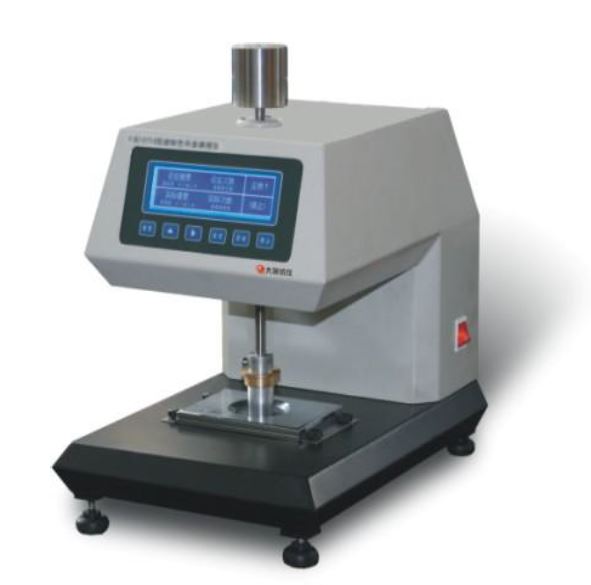
    A Fastness Rotary Friction Tester, also known as a Rotary Crock meter, is a specialized instrument used to evaluate the color fastness of textiles and materials when subjected to rotational rubbing. This test simulates the wear and friction that fabrics experience during use, helping manufacturers assess the durability of dyes and finishes.

    Purpose of Fastness Rotary Friction Tester

    The primary function of the Fastness Rotary Friction Tester is to determine how well a fabric’s color withstands rubbing, both in dry and wet conditions. This is crucial for ensuring the longevity and appearance of textiles in real-world applications, such as clothing, upholstery, and footwear.


    Working Principle of Fastness Rotary Friction Tester

    The tester operates by applying a specified pressure to a fabric sample using a standardized rubbing finger covered with a test cloth. The rubbing finger performs a set number of rotational movements (typically 1.125 turns clockwise followed by 1.125 turns counterclockwise) over the fabric surface. After the test, the degree of color transfer to the test cloth and any changes in the fabric’s appearance are evaluated against standardized gray scales.


    Common Testing Standards

    – AATCC 116: Colorfastness to Crocking: Rotary Vertical Crock meter Method.

    ISO 105 X16: Textiles—Tests for color fastness—Part X16: Color fastness to rubbing—small areas.

    – SATRA TM8: Color fastness to rubbing.


    Key Specifications of Fastness Rotary Friction Tester

    – Rubbing Head Diameter: Typically 16 mm.

    – Applied Pressure: Approximately 1134 grams (11.1 N).

    – Rotation: 1.125 turns clockwise followed by 1.125 turns counterclockwise.

    – Sample Size: Commonly 60 mm × 60 mm.

    – Test Cloth: Standardized white cotton cloth, either dry or wetted depending on the test condition.


    Benefits of Fastness Rotary Friction Tester

    – Realistic Simulation: Mimics the actual wear and friction fabrics undergo during use.

    – Versatility: Applicable to a wide range of materials, including textiles, leather, and printed fabrics.

    – Quality Assurance: Ensures products meet industry standards for color durability.

    – Standard Compliance: Aligns with international testing standards, facilitating global trade and quality benchmarks.


    Applications Fastness Rotary Friction Tester

    – Textile Industry: Assessing the color durability of garments, upholstery, and other fabric products.

    – Footwear Manufacturing: Testing the colorfastness of shoe uppers and linings.

    – Automotive Interiors: Evaluating the wear resistance of seat covers and other interior fabrics.

    Quality Control Laboratories: Routine testing to ensure product consistency and compliance with standards.


    Benefits of Fastness Rotary Friction Tester:

    1. Accurate Colorfastness Evaluation- Provides precise assessment of how well fabric resists color loss and staining from rubbing.
    2. Simulates Real-World Wear – Recreates rotational friction found in actual use (e.g., seat covers, apparel wear points).
    3. Supports Wet & Dry Testing – Can test under both dry and wet conditions for comprehensive results.


    1. Standardized Testing – Complies with global standards (AATCC 116, ISO 105 X16), ensuring reliable and comparable results.
    2. Time-Saving & Efficient – Quick to set up and run, allowing for high-throughput testing in labs.
    3. Versatile Use- Suitable for textiles, leather, coated fabrics, and printed surfaces.


    1. Improves Quality Control – Identifies potential durability issues early in the production process.
    2. Enhances Product Performance – Helps in developing fabrics with better resistance to rubbing and abrasion.


    Features of Fastness Rotary Friction Tester:

    1. Rotary Rubbing Mechanism – Simulates 1.125 clockwise and 1.125 counterclockwise turns for realistic friction.
    2. Standardized Rubbing Head – Fixed diameter (typically 16 mm) with specified pressure (≈1134 g) for consistent results.
    3. Dry and Wet Testing Capability – Can perform tests using dry or wet rubbing cloths.


    1. Sample Holder- Secure and easy-to-use fixture for holding fabric samples in place.
    2. Test Cloth Mounting Arm- Quick attachment for standardized white rubbing cloths.
    3. Simple Operation – Manual or motorized operation depending on model; easy to handle for lab technicians.
    4. Compliance with Standards – Follows AATCC 116, ISO 105 X16, and SATRA TM8 protocols.


    How to Use Fastness Rotary Friction Tester:

    1. Prepare the Sample – Cut a fabric piece (typically 60 × 60 mm) and condition it per standard requirements.
    2. Mount the Fabric – Secure the fabric sample on the sample holder or base plate of the tester.
    3. Attach Rubbing Cloth – Place a standard white test cloth (dry or wetted as required) over the rubbing head.


    1. Apply Pressure – Lower the rubbing head onto the fabric. Standard weight is about 1134 g.
    2. Start the Test – Operate the tester: the head performs 1.125 turns clockwise, then 1.125 turns counterclockwise.- Number of cycles (typically 10 or 20) is set based on the test standard.


    1. Remove and Inspect – After testing, remove the rubbing cloth and assess any color transfer using a gray scale.
    2. Evaluate Fabric Surface – Check the fabric for visible changes, fading, or wear.


    1. Record Results – Grade both staining and fabric change per standard gray scale ratings.


    Fastness rotary friction tester

    [Scope of application]
    It is used to change the color fastness of the textile,
    printing and dyeing, printing and other products after a specific track friction.

    [Related standards]
    GB / T29865 AATCC116 ISO105-X16, etc.

    [Instrument characteristics]:

    1.Single-chip control, speed can be set freely
    2.Imported motor, linear guide, low noise, suitable for long time work
    3. Liquid crystal display, film panel
    4. Freely set the number of friction, can count up and down,
    and automatically stop the alarm when the set value is reached

    [Technical Parameters]:
    1. Friction head diameter: 16mm 25mm
    2. Vertical pressure: 11.1N
    3. Working mode: 405 ° clockwise and 405 ° counterclockwise
    4. Speed range: constant 60 rpm, LCD display, thin mold panel
    5. Counting range: 0-99999 times
    6. Power supply: AC 220V 50Hz 80W
    7. Weight: 20KG
    8. Volume: L420mm × W260mm × H430mm

    Category: Physical Testing & Fabric Testing Tags: Fastness Rotary Friction Tester, Fastness Rotary Friction Tester price in Bangladesh, Lab Fastness Rotary Friction Tester, lab Rotary Crock meter, Laboratory Fastness Rotary Friction Tester, Rotary Crock meter, Rotary Crock meter price in Bangladesh, Rotary Friction Tester price in Bangladesh Brand: DARONG
    Share:
    • Shipping & Delivery
    Shipping & Delivery

    Related products

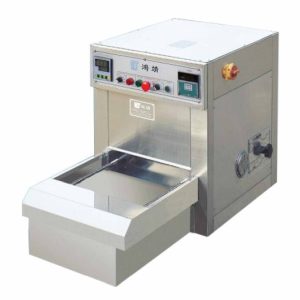
    Laboratory Mini Stenter Dryer

    Laboratory mini stenter Dryer
    Dyeing Lab Machine, Physical Testing & Fabric Testing
    $0.00
    Laboratory mini stenter Dryer
    Laboratory Mini Stenter Dryer

    Automatic fixing Dryer

      A Laboratory Mini Stenter Dryer is a compact, lab-scale machine designed to simulate the drying and heat-setting processes used in textile finishing. It mimics the function of industrial stenter machines but on a much smaller scale, making it ideal for testing fabric behavior, shrinkage, and finish quality under controlled conditions. Key Features:
    1. Controlled Heating System
    - Typically uses electric heating with adjustable temperature (up to 220–250°C). - Ensures uniform and precise temperature control.
    1. Adjustable Fabric Width
    - Equipped with clips or pins to hold and stretch fabric width-wise, simulating stenter frame action.  
    1. Variable Speed Conveyor - Allows control over fabric dwell time for drying or heat-setting.
    2. Compact and Bench-Top Design - Space-saving design ideal for textile labs and R&D units.
    3. Digital Controls - Easy-to-use digital interface for setting temperature, conveyor speed, and process time.
    1. Transparent Viewing Window - Allows operators to monitor fabric movement and drying visually.
    2. Low Energy Consumption - Designed for lab use, consuming less power than industrial models.
    Applications: - Heat-setting of synthetic fabrics.   Drying and curing of samples post-dyeing or printing. - Evaluating fabric shrinkage, dimensional stability, and finish behavior. - Testing chemicals and auxiliaries used in textile finishing.   Benefits of Laboratory Mini Stenter Dryer:
    1. Accurate Simulation of Production - Mimics industrial stenter conditions on a lab scale, ideal for pre-production testing and R&D.
    2. Cost-Effective Testing - Enables testing and fabric finishing without the high cost or space requirements of full-scale machines.
     
    1. Energy Efficient - Consumes less power compared to large stenters, making it economical for small-scale or frequent use.
    2. Precise Control - Offers accurate control of temperature, speed, and fabric tension, ensuring consistent results.
     
    1. Space-Saving Design - Compact and bench-top friendly, perfect for laboratories with limited space.
    2. Multiple Applications - Useful for drying, heat-setting, shrinkage testing, and evaluating chemical finishes.
     
    1. Faster Development Cycles - Speeds up new product development by allowing rapid sample testing and adjustments.
    2. Improved Fabric Quality - Helps optimize finishing parameters for better dimensional stability, hand feel, and appearance.
    3. Safe and User-Friendly- Designed with lab safety in mind, including temperature safety controls and easy operation.
      Features of Laboratory Mini Stenter Dryer:
    1. Compact Bench-Top Design - Ideal for laboratory use with limited space requirements.
    2. Adjustable Temperature Control - Precise heating (usually up to 220–250°C) with digital controllers for accurate processing.
     
    1. Variable Conveyor Speed- Allows adjustment of fabric dwell time for different drying or heat-setting needs.
    2. Width Adjustment Mechanism - Equipped with clips or pins to stretch and fix fabric width-wise, simulating industrial stenter conditions.
     
    1. Transparent Viewing Window - Enables visual monitoring of fabric movement and drying inside the chamber.
    2. Digital Display Panel- Easy-to-use interface for setting and monitoring temperature, speed, and time.
    3. Stainless Steel Construction- Durable and corrosion-resistant for long-term use at high temperatures.
     
    1. Uniform Heat Distribution- Ensures consistent fabric treatment across the width.
    2. Safety Features- Over-temperature protection and insulated body for operator safety.
    3. Versatile Applications - Suitable for drying, heat-setting, shrinkage testing, and chemical finish evaluations.
      Laboratory Mini Stenter Dryer dealer In Bangladesh, Lab Mini Stenter Dryer Importer in Bangladesh, Mini Stenter Dryer in Bangladesh, Laboratory Stenter Dryer in Bd, Lab Stenter Dryer In Uttara, Lab Stenter Price in Bangladesh, Laboratory Stenter Dryer in Bangladesh, Laboratory Mini Dryer in Bangladesh,   Automatic fixing dryer Application: used for simulating the production onsite to produce the textile that meets customer requirement, including the time、temperature、resin auxiliary agent formula, elongation of the same textile, and it is also can provide basis manufacture and to ensure the correctness of mass production. Basic design as Automatic Fixing Dryer,also connect external steam for printing sample steaming. Owing the wide adjusting ranges regarding temperature, humidity, dwelling time, this apparatus can be used for : a) Electric heating for drying, curing and thermofixation, room temp.~230℃. b) Steaming with saturated steam 102±2℃ c) Electric heating and steam together for HT steaming between 102±230℃ Textile Testing Instruments Automatic Fixing Dryer  dealer In Bangladesh, Automatic Fixing Dryer Importer in Bangladesh, Automatic Fixing Dryer in Bangladesh, Automatic Fixing Dryer  in Bd, Automatic Fixing Dryer  In Uttara, Automatic Fixing Dryer  Price in Bangladesh, Automatic Fixing Dryer  Supplier in Bangladesh, Lab Dryer Machine in Bangladesh, Rapid Dryer Mini Stanter in Bangladesh
    Add to cart
    Quick view
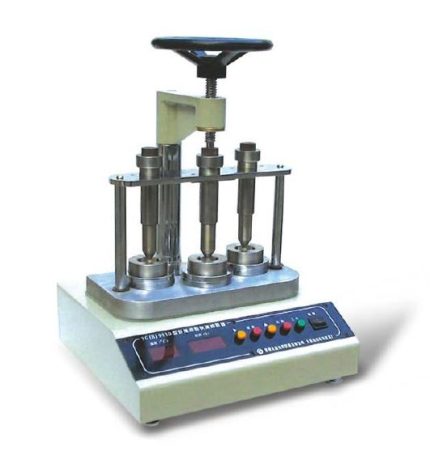
    Pneumatic bursting tester

    Bursting strength tester

    Dyeing Lab Machine, Physical Testing & Fabric Testing
    $0.00
    Bursting strength tester

    Pneumatic bursting strength tester

    true burst

    Pneumatic bursting tester China national patent:ZL201210486480.8 ZL201220628425.3 Pneumatic bursting strength tester China national patent:ZL201210486480.8 ZL201220628425.3 [Scope of application]: It is used to measure the burst strength and burst expansion degree of various fabrics, including knitted fabrics, woven fabrics, non-woven fabrics, laminated fabrics and other fabrics made by other processes, under standard conditions or wet conditions. This method is employed to assess the burst strength and degree of burst expansion of various types of fabrics, such as knitted, woven, non-woven, laminated, and others produced through different processes, under both standard and wet conditions. This technique is utilized to evaluate the burst strength and extent of burst expansion in various fabric types, including knitted, woven, non-woven, laminated, and others produced through diverse manufacturing processes, under both standard and wet conditions. Benefits of Bursting strength tester: Fast testing cycle for fast feedback to the production • Auto-start, a photocell detects the presence of a sample and automatically initiates a measurement sequence, thus allowing hands-free operation • Auto-cycling function permits the continuous cycling of the upper pressure foot to facilitate representative and continuous measurements
    • Available with automatic test strip feeder Measurements are simple to make with the Mullen type Bursting Strength Tester. Fast automatic measurements Measurement starts automatically once a test piece has been placed in the measuring gap. The clamping foot descends, and a bursting strength measurement is made.
    The sample is then quickly released and is ready for the next measurement at a new position. To maximize the sample measurement rate, the tester uses a minimum of time between the bursts, so that a series of 10 measurements can be done in less than 45 seconds. The actual measuring time depends of course on the type of paper or paper board being tested. Three Different test results can be reported after a single measurement; bursting strength standard, bursting strength compensated, and bursting energy absorption (BEA).Bursting strength tester can be compensated for the stiffness of the diaphragm For low bursting strength levels, the stiffness of the diaphragm can account for a large portion of the bursting strength value. If desired, the device can also measure, calculate, and report effective bursting strength compensated from the effects of the diaphragm. Measurement of Bursting Energy Absorption (BEA) is used to determine the energy absorption capability of a material. Strong, flexible paper has higher energy absorption values, while brittle, stiff paper has lower values. Bursting Strength Tester calculates and reports BEA according to the SCAN P 24 standard Related standards of Bursting strength tester: GB/T7742.2 (the first drafting unit of national standards) ISO13938-2, etc. [Instrument characteristics]: 1. Microcomputer control, automatic burst test, automatic correction, automatic data processing, and output results in the form of experimental report. 2. Aerodynamics, high cleanliness. 3. Color touch screen interface, Chinese and English menu operation, support online communication.
    1. Bursting pressure can reach up to 1.2MPa 5. The maximum burst and expansion degree can reach 70mm. 6. Strengthen the lighting system on the test surface. 7. The main aerodynamic force helps to clamp the sample system. 8. A variety of test areas are available, and the switching is easy.
    2. A variety of unit conversions between Chinese and English. 10. Reliable anti-pinch safety protection design. [Technical parameter]: 1. Test range: (0~1)Mpa (the range above 1Mpa needs to be customized) 2. The minimum graduation value: 0.0001Mpa 3. Pressurization mode: direct pressurization, timing pressurization, and expansion degree pressurization.
    4. Test accuracy: ≤±0.2%F·S 5. Thickness of elastic diaphragm: ≤2mm 6. Testing area: cm²) 100 50 10 7.3 Dia.φ(mm) φ112.8 φ79.8 φ35.7 φ30.5 7. Air pressure rate: non-linear segmented pressurization (0.1~0.5) L/min 8. Safety cover: high-transparent plexiglass 9. Power supply: AC220V±10% 50Hz 800W 10. Dimensions: (470×490×780)mm (host L×W×H)
    Add to cart
    Quick view
    Fiber Oil Fast Extractor
    Fiber Oil Fast Extractor

    Fiber Oil Fast Extractor

    Physical Testing & Fabric Testing
    $0.00

    Fiber Oil Fast Extractor

    Fiber Oil Fast Extractor

    Fiber Oil Fast Extractor

      A Fiber Oil Fast Extractor is a laboratory instrument designed to determine the oil or finish content in fibers, yarns, or fabrics, particularly wool and synthetic materials. It operates on the principle of solvent extraction followed by evaporation.   Working Principle of Fiber Oil Fast Extractor:
    1. Sample Preparation: Cut the fabric or fiber into small pieces.
    2. Solvent Addition: Place the sample into a metal tube and add an appropriate solvent (e.g., petroleum ether, ethyl ether).
     
    1. Extraction: Apply weight to the sample to facilitate the dissolution of oils into the solvent.
    2. Evaporation: The solvent-oil mixture drips onto a heated plate where the solvent evaporates, leaving behind the oil.
    3. Measurement: Weigh the remaining oil and calculate its percentage relative to the initial sample mass.
      Key Features of Fiber Oil Fast Extractor: - Multiple Workstations: Models like the Quick Extra offer four independent stations for simultaneous testing.- Automatic Weight Pressurization: Eliminates manual pressure application, ensuring consistent results.- Microcomputer Temperature Control: Maintains uniform heating (typically 90°C–120°C) with ±1°C precision.   - Digital Interface: Features timers and oil calculators for efficient operation. - Data Connectivity: Some models can connect to systems like Smart Tex Lab for real-time monitoring and data management.   Applications of Fiber Oil Fast Extractor: - Textile Industry: Assessing oil content in fibers to ensure quality and compliance with standards like GB/T 6504-2017. - Research and Development: Studying the effects of oils and finishes on fiber properties. - Quality Control: Ensuring consistency in fiber treatment processes.   Benefits of Fiber Oil Fast Extractor:
    1. Accurate Oil Content Measurement- Precisely determines oil or finish content in fibers, crucial for quality control.
    2. Rapid Extraction Process - Delivers fast results, improving lab efficiency and productivity.
    3. Simultaneous Multi-Sample Testing - Multiple workstations (e.g., 4 at once) reduce testing time for bulk samples.
     
    1. Improved Product Quality - Helps maintain consistent oil levels, which affect dyeing, processing, and fabric performance.
    2. Automatic Operation - Automated pressing and heating reduce manual effort and operator error.
    3. Digital Monitoring - Built-in timer, temperature control, and oil calculator enhance accuracy and usability.
     
    1. Compliance with Standards - Supports industry methods like GB/T 6504-2017, ensuring reliable and standard-compliant results.
    2. Safe Solvent Handling - Enclosed design minimizes solvent exposure and evaporation loss.
      Features of Fiber Oil Fast Extractor:
    1. Multiple Test Stations - Usually equipped with 2 to 4 independent work units for parallel testing.
    2. Automatic Weight Pressing System - Applies consistent pressure on samples for uniform solvent extraction.
    3. Microcomputer Temperature Control - Maintains precise heating (typically 90–120°C) with ±1°C accuracy.
     
    1. Built-in Timer and Calculator - Allows setting extraction time and calculates oil content directly.
    2. Solvent Evaporation Plate- Heats and evaporates solvent quickly, leaving only the oil residue.
    3. Digital Display - Shows time, temperature, and process status for user-friendly operation.
    4. Compact and Durable Design - Made with corrosion-resistant materials suited for chemical handling.
     
    1. Safety Features - Includes overheat protection and enclosed solvent chamber to reduce exposure risk.
    2. Standard Compliant - Designed to meet GB/T 6504-2017 and similar industry testing standards.
      How to Use Fiber Oil Fast Extractor:
    1. Prepare the Sample - Cut 5–10 g of fiber or yarn into small pieces and place in the sample tube.
    2. Add Solvent - Pour a suitable solvent (e.g., petroleum ether) into the tube to cover the sample.
    3. Apply Weight - Place the extractor's weight or press system onto the sample to aid extraction.
     
    1. Start Extraction - Activate the machine. The solvent dissolves the oils and flows to the heating plate.
    2. Heat for Evaporation - Set the temperature (typically 90–120°C). The solvent evaporates, leaving oil on the plate.
    3. Measure Oil Content- After drying, weigh the remaining oil. Use the built-in calculator or formula:
    Oil % = (Oil weight / Original sample weight) × 100
    1. Clean the Unit - After cooling, clean all parts to prepare for the next test.
      Fiber Oil Fast Extractor

      Fiber Oil Fast Extractor

     
    Add to cart
    Quick view
    GSM Cutter with Balance
    GSM Cutter with Balance

    GSM Cutter with Balance

    Physical Testing & Fabric Testing
    $0.00
    GSM Cutter with Balance
    GSM Cutter with Balance

    GSM Cutter with Balance

      A GSM Cutter with Balance is a lab toolset used to determine the GSM (Grams per Square Meter) of fabrics, which indicates the fabric's weight and density. The kit includes a GSM round cutter and a precision weighing balance.   Purpose GSM Cutter with Balance: To accurately measure the weight per unit area of textile, paper, or nonwoven samples for quality control and product classification.   How It Works: GSM Cutter: - A circular blade cuts a fixed area (usually 100 cm²) from the fabric. Weighing Balance: - The cut piece is weighed, and the result is multiplied by 100 to get GSM. GSM = Weight (in grams) × 100   Applications of GSM Cutter with Balance: Textile and garment industry Nonwovens and paper manufacturing QC labs and R&D   Benefits of GSM Cutter with Balance: Accurate GSM Measurement - Ensures precise fabric weight analysis for quality control. Quick and Simple Operation - Allows fast sampling and GSM calculation in minutes. No Need for Area Calculation - Cutter gives a fixed area (usually 100 cm²), simplifying the formula. Improves Product Consistency - Helps maintain uniform fabric weight across batches.   Portable and User-Friendly - Compact design makes it ideal for labs and production floors. Cost-Effective Tool - Offers high accuracy without the need for expensive equipment. Versatile Use - Suitable for fabrics, paper, leather, films, and more.   Features of GSM Cutter with Balance: Rotary Blade Cutter - Stainless steel blades for clean and accurate circular cuts. Fixed Sample Area - Typically 100 cm², eliminating the need for area measurement. Precision Digital Balance   - Measures in grams with high resolution (0.01 g or better).   Rubber Cutting Pad - Protects blade and provides a smooth surface for cutting. Safety Lock - Prevents accidental blade exposure. Compact & Durable Design- Long-lasting, lab-friendly construction.   How to Use GSM Cutter with Balance: Prepare the Fabric Sample- Place the fabric on the rubber cutting pad. Cut the Sample - Hold the GSM cutter firmly and rotate it to cut a 100 cm² circular sample. Turn on the Balance - Power up the digital weighing scale and tare it to zero.   Weigh the Sample - Place the cut fabric piece on the balance and note the weight in grams. Calculate GSM - Multiply the weight by 100 to get GSM.  - GSM = Sample weight (g) × 100 Record the Result- Log the GSM value for quality control or analysis. Clean and Store - Wipe the cutter and balance, and store them safely after use.   GSM Calculation Formula: GSM (g/m²) = (Weight of Sample in grams) × 100 When using a GSM cutter (100 cm²): The cutter gives a fixed area of 100 cm², which is 1/100th of a square meter. So, multiplying the sample's weight by 100 gives the GSM directly. Example: If the sample weighs 1.75 g, then: GSM = 1.75 × 100 = 175 g/m²   Balance Calibration Guide (Manual Calibration): Warm-Up   - Turn on the balance and let it warm up for 10–15 minutes if required. Level the Balance   - Use the built-in bubble level and adjust leveling feet until the bubble is centered. Tare the Balance   - Press the “TARE” or “ZERO” button to reset the display to 0.000 g.   Enter Calibration Mode   - Press the “CAL” or “MODE” button (depends on the model). - Some balances may require holding the button for a few seconds. Use Standard Weight   - When prompted, place a certified calibration weight (e.g., 100g, 200g) on the pan.   - Wait for the display to stabilize.   Confirm Calibration   - The balance will beep or show “PASS” once successful.   - Remove the weight when done. Recheck Zero  - Ensure the display returns to 0.000 g after removing the weight.   Tips: Use certified weights for accuracy (Class F1 or E2). Calibrate in a draft-free, vibration-free environment. Calibrate daily or before critical measurements.     GSM Cutter  & Balance GSM Cutter Brand: Schroder Origin: Germany Capacity: 100 Sq.cm Supplied with 1 pcs cutting Pad and 04 pcs cutting blade. Digital Electronics balance Precision GSM Weight Balance 0.01g to 200g Model: GSM200 Brand: Schroder Origin: Germany
    Add to cart
    Quick view
    Color Matching Cabinet -light Box

    Color Matching Cabinet-Light Box

    Physical Testing & Fabric Testing, Dyeing Lab Machine, Lab Equipment & Instrument
    $0.00

    Color Matching Cabinet-Light Box

    Color Matching Cabinet-Light Box x
    Color Matching Cabinet-Light Box

    Color Matching Cabinet -light Box A Color Matching Cabinet-Light box (also known as a Light Box) is a standardized visual assessment tool used to evaluate the color consistency of materials like fabric, paint, plastic, paper, and leather under different lighting conditions. Purpose of Color Matching Cabinet-Light Box : To detect color variations and metamerism (color changes under different lights). Ensures accurate color matching across production batches and materials.   How Color Matching Cabinet-Light Box Works: The cabinet is equipped with multiple standardized light sources (e.g., D65, TL84, UV, CWF, A). Samples are placed inside, and their colors are observed under each light to check for consistency.   Common Light Sources of Color Matching Cabinet-Light Box: D65 – Daylight (standard) TL84 – Store lighting (fluorescent) CWF – Cool white fluorescent UV – Ultraviolet (for fluorescent content) A – Incandescent (home light) U30/U35 – Warm white for showroom lighting     Applications of Color Matching Cabinet-Light Box: Textile and garment inspection Paint and coating industry Plastics and packaging Printing and graphic design   Benefits of Color Matching Cabinet-Light Box: Accurate Color Assessment - Ensures color consistency across products by simulating different lighting conditions. Detects Metamerism - Identifies if colors appear differently under various lights, preventing mismatches. Improves Quality Control - Enhances visual inspection processes in textiles, printing, and packaging.   Standardized Viewing Conditions - Provides consistent light sources for reliable and repeatable evaluations. Reduces Rework and Returns - Helps detect color defects early, saving time and production costs. Supports Industry Standards - Meets international color evaluation standards like ASTM D1729, ISO 3664.   Easy to Use of Color Matching Cabinet -Light Box  - Simple controls with clearly labeled light source buttons. Multiple Light Source Options   - Enables testing under conditions matching retail, daylight, home, and UV lighting. Features of Color Matching Cabinet-Light Box: Multiple Standard Light Sources   - Includes D65 (daylight), TL84 (store light), CWF, UV, A (home light), and optional U30/U35. Digital Hour Meter   - Tracks usage time for each light source to schedule timely replacements. Uniform Light Distribution   - Diffused lighting ensures consistent and shadow-free viewing.   Push Button Control Panel- Easy switching between different light sources. No Warm-Up Time - Instant-on lighting allows immediate use. Sturdy Metal Body - Durable and well-coated to reduce light reflection and distortion. Viewing Area Markings - Guides for proper sample placement and comparison. Optional Dimming Function - Adjustable light intensity (in advanced models) for fine-tuned observation.   Standardized Viewing Angles  - Ensures observer views samples under consistent angles for accurate color judgment.   Description of Color Matching Cabinet-Light Box Color Matching TILO 2 Feet 5/6 Option Light Box Cabinet (P60-5/6) TILO 2 Feet 5/6 Option Light Box Cabinet (P60-5/6) is equipped with 5 light sources. The consistency of the light sources in all Tilo Color Assessment Cabinets gives excellent viewing conditions for reliable color critical decisions under consistent lighting. TILO 2 Feet 5 Option Light Box Cabinet (P60-5) can be applied to the industries that need to perform color difference testing as follows: as the premiere designer and manufacturer of color matching instrument products for the Graphic arts, Photographic, Textile, Dyeing, Packaging, Printing, Leather, Inks, Knitwear, Plastic, Automotive and Ceramics industries. TILO 2 Feet 5 Option Light Box Cabinet (P60-5) offers an exact and dependable way to survey colors beneath different lighting conditions. This apparatus is planned to offer assistance experts in the material, paint, and plastic businesses to coordinate and assess colors with exactness. This high-quality item in Bangladesh at the best cost. The color Cabinet box permits for an ideal seeing environment for color inspection. Features of TILO 2 Feet 5 Option Light Box Cabinet (P60-5) Multiple Light Sources of Color Matching Cabinet-Light Box The lTILO 2 Feet 5 Option Light Box Cabinet (P60-5) incorporates a assortment of light sources. These sources can reenact common sunshine, tungsten, and other counterfeit lighting conditions. By changing light sources, clients can compare colors in diverse situations, guaranteeing precise results. Adjustable Light Intensity of Color Matching Cabinet-Light Box The color coordinating light box highlights flexible light concentrated. You can control the brightness to coordinate distinctive real-world conditions. It guarantees a more point by point investigation of how colors alter beneath different lighting intensities. Compact and Solid Design This color appraisal cabinet comes in a compact plan, making it simple to put in any workspace. Its strong structure guarantees long-term utilize, indeed in requesting environments. Precise Color Evaluation The light box gives a controlled environment that makes a difference clients assess colors in a steady way. This highlight is particularly valuable in businesses where correct color coordinating is basic, such as in materials or paints. Energy Efficient The color cabinet is outlined to be energy-efficient. It employments Driven lights that devour less control whereas still advertising dependable and precise color assessment. Simple Client Interface The user-friendly interface of the color coordinating cabinet makes it simple for anybody to work. The controls are straightforward, and clients can alter settings effortlessly. Portable Design The color coordinating light box is lightweight, making it simple to move from one area to another. This movability is particularly valuable when you require to take the cabinet to diverse parts of the generation floor or to different client locations. Ideal for Different Industries Whether you work in materials, car, or fabricating, the color appraisal cabinet offers the exactness and unwavering quality required for color coordinating. It ensures consistency over distinctive materials and generation lines. FEATURES Certified by ASTM D1729, ISO3664, DIN, ANSI and BSI. Automatic changeable into another light source by switching. Usage time display, name of lamp, total number of switches for each. Violated time sensor for tracking lamp service or replacement. Large display & individual switch, easy to operate each light source. No warm-up time, just plug and play. The energy-saving device which generates lower heat & high efficiency. The name of the light source can be changed. SPECIFICATION OF TILO 2 FEET 5 OPTION LIGHT_BOX CABINET (P60-5) Name Details Model P60(5) Brand TILO Origin Hong Kong Dimensions (WxDxH) (710 x 405 x 570)mm Standards ASTM D1729, ISO3664, DIN, ANSI and BSI Light source Five light source. Power Source Electric. Voltage 220 ~ 240V Body Material Fiber-reinforce Warranty One year free service LIGHT SOURCE OF TILO 2 FEET 5 OPTION LIGHT_BOX CABINET (P60-5) Light Source Color viewing applications / Uses of Light Color Temp. (K) Power (W) Brand Info Quantity D65 International standard Artificial Daylight / Natural Daylight 6500 18 PHILIPS; TL-D/18-965 2 Pieces TL84 Applied to stores in Europe, Japan and China 4000 18 PHILIPS; TL-D/18-840 2 Pieces F “Sun-setting Light Yellow” incandescent light source 2700 40 PHILIPS 4 Pieces UV ultraviolet light to detect and evaluate optical brighteners or fluorescent pigments Wave length: 365nm 20 PHILIPS 18W BLB 1 Pieces CWF (Cool White Fluorescent) American Standard 4150 18 PHILIPS; TL-D/18-640 2 Pieces      
    Add to cart
    Quick view
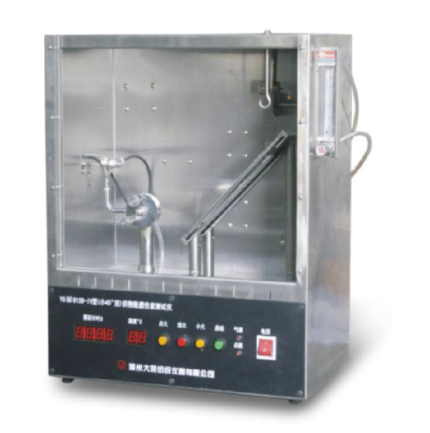
    Fabric Flame Retardant Tester

    Fabric flame retardant tester

    Dyeing Lab Machine, Physical Testing & Fabric Testing
    $0.00
    Fabric Flame Retardant Tester
    Fabric Flame Retardant Tester

    Fabric Flame Retardant Tester

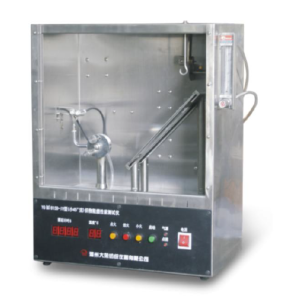
      A Fabric Flame Retardant Tester is a specialized laboratory instrument designed to evaluate the flammability characteristics of textiles. It assesses how fabrics react to direct flame exposure, measuring parameters such as ignition time, flame spread rate, after-flame duration, and afterglow time. This testing is crucial for ensuring that textiles meet safety standards for various applications, including apparel, home furnishings, and industrial uses.   Purpose and Applications The primary purpose of a Fabric Flame Retardant Tester is to determine the flame resistance of textile materials. This is essential for:- Apparel Safety: Ensuring garments, especially children's sleepwear and industrial work wear, meet flammability standards. - Home Textiles: Testing curtains, drapes, upholstery, and bedding for fire safety compliance. - Technical Textiles: Evaluating materials used in tents, protective clothing, and automotive interiors.   ⚙️ Key Features Modern Fabric Flame Retardant Testers incorporate several features to ensure accurate and reliable testing:- Adjustable Burner Angles: Allowing tests at various orientations (e.g., 0°, 45°, 90°) to simulate different real-world scenarios. Automated Ignition Systems: Providing consistent flame application and reducing operator variability. - Digital Timing Mechanisms: Accurately recording ignition time, flame spread, after-flame, and afterglow durations.   - Transparent Observation Windows: Enabling safe monitoring of the test without exposure to hazards. - Compliance with International Standards: Meeting protocols such as ASTM D6413, ISO 6941, and EN ISO 15025 for standardized testing procedures.   Testing Standards Fabric Flame Retardant Testers are designed to comply with various international standards, including: - ASTM D6413: Standard Test Method for Flame Resistance of Textiles (Vertical Test). - ISO 6941: Textiles — burning behavior — Measurement of flame spread properties of vertically oriented specimens. - EN ISO 15025: Protective clothing — Protection against heat and flame — Method of test for limited flame spread.   ️ How It Works
    1. Sample Preparation: A fabric specimen is cut to specified dimensions and conditioned as per standard requirements.
    2. Mounting: The sample is mounted vertically or at a specified angle in the testing chamber.
    3. Ignition: A controlled flame is applied to the fabric for a predetermined time.
    4. Observation: The tester records ignition time, flame spread, after-flame time, and afterglow time.
    5. Evaluation: Results are compared against standard criteria to determine compliance.
        ✅ Benefits - Safety Assurance: Ensures textiles meet fire safety regulations, reducing risk in end-use applications. - Quality Control: Identifies flammability issues during the manufacturing process. - Regulatory Compliance: Helps manufacturers meet legal requirements for flammability. - Product Development: Assists in developing flame-retardant materials for specialized applications.   For more detailed information on specific models and their features, you can refer to manufacturers like SDL Atlas's Auto Flam Flammability Tester [1], TESTEX's Vertical Flammability Chamber TF312   How to Use a Fabric Flame Retardant Tester (Vertical Flammability Test Method):
    1. Prepare the Sample
    - Cut the fabric to standard dimensions (usually 300 × 75 mm). - Condition the fabric for 24 hours at 21°C and 65% relative humidity.  
    1. Mount the Sample
    - Place the fabric vertically in the frame inside the test chamber. - Ensure it's held securely with no folds or slack.  
    1. Set Up the Burner Position the burner at the required angle (usually 90° for vertical tests).
    - Adjust flame size according to the standard (about 38 mm for ASTM D6413).
    1. Ignite the Flame - Apply the flame to the bottom edge of the fabric for 12 seconds.
     
    1. Observe and Measure - Start timing when flame is applied.
    - Measure: - After-flame time (how long it burns after flame removal) - After-glow time (how long it glows after burning stops) - Char length (distance burned vertically)  
    1. Record the Results
    - Repeat the test on multiple samples (usually 5) and calculate averages.  
    1. Compare with Standards
    - Evaluate whether the results meet the required flame resistance limits.     fabric flame retardant tester IV type (small 450 method) Scope of application It is used for testing the intensity and speed of burning of flammable textile materials after ignition. (specific ignition nozzles and sample holders can be customized to meet multiple criteria). Related standards GB/T14644 ASTM D1230 CFR1610 etc. Technical parameters 1. The spread of time:0 ~ 999.9S resolution 0.1S 2. The temperature inside the box shows:Room temperature -99 degrees C resolution 1 c 3. Igniting time:1S 4. Type of igniter:4 1/2 syringe 5. Sample clip size:Outer frame:204mm * 78mm inner frame:152mm×38mm 6. Distance from the top of the igniter to the sample surface:8mm 7. Studio size and outline size Studio size:370mm×220mm×350mm Outline size:375mm×245mm×478mm 8. Power supply:AC220V 50Hz 20W 9. Weight:18Kg  
    Add to cart
    Quick view
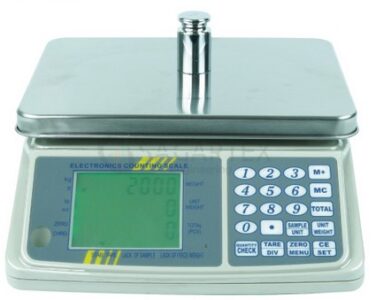
    Counting Balance-Weighing Scale
    Counting Balance-Weighing Scale
    Counting Balance-Weighing Scale
    Lab Equipment & Instrument, Dyeing Lab Machine, Physical Testing & Fabric Testing
    $0.00

    Counting Balance-Weighing Scale

    Counting Balance-Weighing Scale
    Counting Balance-Weighing Scale

      A Counting Balance-Weighing Scale (or Counting Weighing Scale) is a precision electronic scale designed to weigh items and simultaneously count them based on individual piece weight. It’s commonly used in industries for inventory management, packaging, and quality control.   Purpose of Counting Balance-Weighing Scale: To quickly and accurately count small items like buttons, beads, screws, or pills by weight. Eliminates manual counting, especially for large quantities.   Working Principle of Counting Balance-Weighing Scale: Weigh a sample quantity of items to determine the average weight of one piece. Place a bulk quantity on the scale. The scale divides the total weight by the unit weight to calculate the total item count.     Applications of Counting Balance-Weighing Scale: Textile accessories (buttons, rivets) Hardware (nuts, bolts, washers) Electronics (resistors, chips) Pharmaceuticals (tablets, capsules) Benefits of Counting Balance-Weighing Scale:   Fast and Accurate Counting - Saves time by quickly counting large quantities of small items. Reduces Human Error- Eliminates mistakes common in manual counting. Improves Productivity - Speeds up packing, inventory, and quality control processes. Versatile Use - Suitable for various industries: textiles, hardware, pharmaceuticals, electronics.   Cost-Efficient- Reduces labor costs and improves operational efficiency. Compact and Portable - Easy to move and use in different workstations. Dual Functionality - Can be used for both counting and standard weighing. Memory and Tare Functions - Stores unit weights and allows container weight deduction.   Features of Counting Balance-Weighing Scale: High Precision Sensors- Ensures accurate weight and count, even for tiny components. Digital Display- Separate displays for total weight, unit weight, and piece count. Tare Function - Allows deduction of container weight for net measurements. Memory Function - Stores frequently used unit weights for fast recall.   Multiple Units Support- Measures in grams, kilograms, pounds, etc. Sample Size Selection- Users can set sample sizes (e.g., 10, 20, 50 pcs) to calculate piece weight. Overload Protection- Prevents damage from excessive weight. Auto Calibration - Maintains long-term accuracy with internal or external calibration options. Sturdy Platform- Stainless steel pan with anti-slip design for stable weighing. Battery and AC Operation- Can run on rechargeable batteries or power adapter.   How to Use Counting Balance-Weighing Scale: Turn On the Scale - Power it on and wait for the display to stabilize at zero. Tare the Container - Place an empty container on the pan and press the "TARE" button to zero out its weight. Set Sample Size - Place a known quantity (e.g., 10 or 20 pcs) of identical items on the scale. - Enter the sample quantity using the keypad. Confirm Unit Weight - The scale calculates and stores the average unit weight automatically. Add Bulk Items - Add the rest of the items into the container. - The display will show the total count based on the stored unit weight. Record Results   - Note down the total piece count and remove the items. Turn Off After Use - Power off the scale to save battery or electricity.     Counting Balance /Weighing Scale Model : DS610C Brand : DIGISCALE Origin : Germany Capacity : 3 kg Division : 0.1g Min Weight : 0.5g Grade : Class 3 Platter : 280 × 215mm Battery : Rechargeable Battery with AC Adaptor Display : Double Large LCD Display Warranty : One Year Service Warranty SPECIFICATION Build With 5 Measuring Units: kg, g, lb, oz, PCS Count Platter : 280 × 215mm Quality : Heavy Duty Premium Quality Product Net / Gross Weight : 3080g / 3130g Battery : Rechargeable Battery with AC Adaptor Battery Capacity: 6V 4.5Ah / 20 HR Adaptor Power Input : AC 220V-240V / 50Hz Adaptor Power Output : 10V DC/ 500mA Display : Double Large LCD Display Color : White-Gray Keyboard : 20 Members Key Operating Temperature : 0-40°C (32-104°F) FEATURES Auto Zero Tracking Automatic Overload Display Grade Class 3 Auto Backlight Double LCD Display Low Battery Indication Rechargeable Battery with Adaptor Save Electricity Advantage Piece Counting Functionality: The DS603C Counting Weighing Scale is prepared with an precise piece checking highlight, perfect for stock administration, generation lines, and quality control assignments. This guarantees you can tally things like screws, jolts, or other little components efficiently. High-Precision Digital Scale Display: The advanced scale show gives clear and precise readings, making it simple to screen weight and amount. Its shinning and natural interface guarantees ease of use in diverse lighting conditions. Digital Scale Calibration: To keep up exactness, the DS610C weighing scale calibration prepare is direct, guaranteeing the scale remains dependable over time. Normal weight scale calibration ensures reliable execution, indeed with overwhelming use. Durable and Reliable Build: The DS610C advanced weight scale is created with strong materials to withstand visit utilize in requesting situations, such as stockrooms and fabricating facilities. Versatility: As a weighing and tallying scale, it combines the benefits of weight estimation and piece tallying in one gadget. This makes it appropriate for a wide extend of applications, from retail to mechanical uses. Categories: Digital Scale and Balance, Piece Counting Scale, Table Top Scale
    Counting Balance-Weighing Scale

    Counting Balance-Weighing Scale

     
    Add to cart
    Quick view
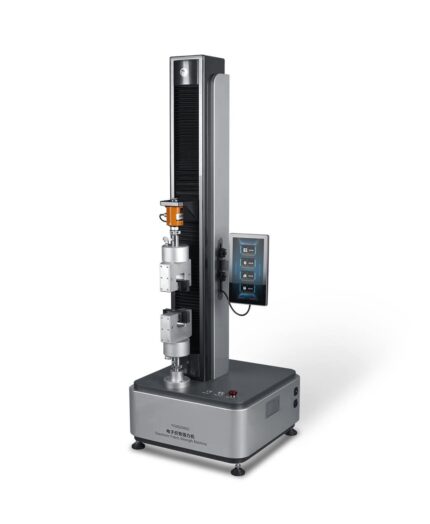
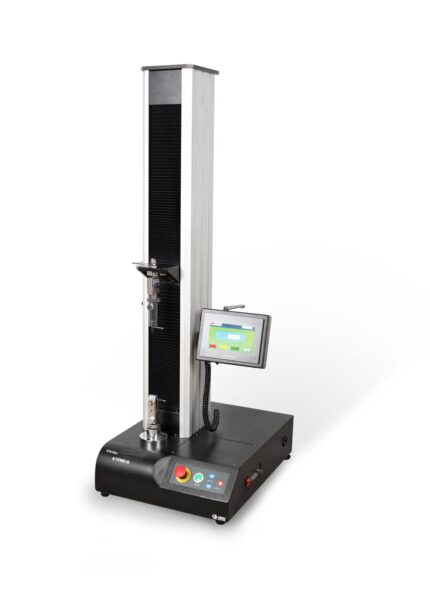
    Tensile Strength Tester
    Tensile Strength Tester

    Tensile Strength tester

    Physical Testing & Fabric Testing
    $0.00
    Tensile Strength Tester A Tensile Strength Tester is a laboratory instrument used to measure the strength and elongation of materials
    Add to cart
    Quick view
    • Address
      • House 05, Road 3/A, Sector 09, Uttara, Dhaka.
    • Phone
      • 01713741546, 01974741546, 01714634452, 01838488804
    • Email
      • maamtexbd@gmail.com, info.maamtex@gmail.com, mamun@maamtexbd.com, info@maamtexbd.com
    • USEFUL LINKS
      • Privacy Policy
      • Terms & Conditions
    • USEFUL LINKS
      • Home
      • Contact Us
      • About Us

    SOCIAL MEDIA:

    Copyright Reserved by Maamtexbd 2024 | Developed by Systemeye.net.
    • Menu
    • Categories
    • Electronics
    • Lab Scientific Item
    Create your first navigation menu here
    Shopping cart
    Close
    Accessibility Adjustments

    Powered by OneTap

    How long do you want to hide the toolbar?
    Hide Toolbar Duration
    Select your accessibility profile
    Vision Impaired Mode
    Enhances website's visuals
    Seizure Safe Profile
    Clear flashes & reduces color
    ADHD Friendly Mode
    Focused browsing, distraction-free
    Blindness Mode
    Reduces distractions, improves focus
    Epilepsy Safe Mode
    Dims colors and stops blinking
    Content Modules
    Font Size

    Default

    Line Height

    Default

    Color Modules
    Orientation Modules
    Chat Now