

Oscillation type water bath Dyeing Machine
$0.00
Oscillation Type Water Bath Dyeing Machine

water bath/Shaker bath Dyeing machine
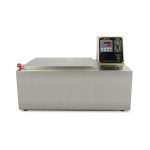
An Oscillation Type Water Bath Dyeing Machine is a laboratory apparatus designed for dyeing and washing textile samples under controlled temperature conditions. It combines a heated water bath with an oscillating mechanism to ensure uniform dye penetration and consistent coloration across fabric or yarn samples.
Key Features of Oscillation Type Water Bath Dyeing Machine
– Oscillating Mechanism: Provides back-and-forth movement to agitate the dye solution, ensuring even contact between the dye and the textile sample.- Multiple Beaker Capacity: Typically accommodates 12 to 24 beakers, allowing simultaneous processing of multiple samples under identical or varied conditions.
– Digital Temperature Control: Maintains precise temperature settings, usually up to 99°C, suitable for various dyeing processes including atmospheric dyeing, scouring, and bleaching.- Adjustable Oscillation Speed: Offers variable speed settings, commonly ranging from 50 to 200 cycles per minute, to accommodate different fabric types and dyeing requirements.
– Programmable Settings: Advanced models come with programmable controllers, allowing users to set and save multiple dyeing protocols for repeatability and efficiency.
Durable Construction: Constructed with high-quality stainless steel (e.g., SUS304), ensuring resistance to corrosion and longevity even under rigorous laboratory conditions.
✅ Benefits of Oscillation Type Water Bath Dyeing Machine
– Uniform Dyeing Results: The oscillation mechanism ensures consistent dye penetration, reducing the risk of uneven coloration and enhancing the reproducibility of results.- Efficiency in Sample Processing: The ability to process multiple samples simultaneously accelerates laboratory workflows and facilitates comparative studies.
– Versatility: Suitable for a range of applications including dyeing, washing, scouring, bleaching, and fastness testing across various textile materials.- Energy and Resource Conservation: Designed for low liquor ratios (e.g., 1:5 to 1:20), these machines minimize water and chemical usage, promoting sustainable laboratory practices.
– Enhanced Safety and Cleanliness: Enclosed beaker systems reduce the risk of spills and exposure to chemicals, ensuring a safer laboratory environment.
Typical Applications of Oscillation Type Water Bath Dyeing Machine
– Textile Research and Development: Ideal for developing and testing new dye formulations and processes on a small scale before scaling up to production levels.
Quality Control: Used in quality assurance laboratories to assess color fastness, dye uptake, and other critical parameters of textile products.- Educational Purposes: Serves as a practical tool in academic settings for teaching dyeing principles and techniques.
In summary, the Oscillation Type Water Bath Dyeing Machine is an essential tool in textile laboratories, offering precise control over dyeing parameters, improving efficiency, and ensuring high-quality, reproducible results across various textile materials.
Features of Oscillation Type Water Bath Dyeing Machine:
- Oscillating Mechanism – Provides back-and-forth movement of beakers for uniform dye penetration and sample agitation.
- Multiple Beaker Capacity – Supports dyeing of 12–24 samples simultaneously, ideal for comparative lab testing.
- Digital Temperature Control – Maintains precise water bath temperature (typically up to 99°C), essential for consistent dyeing.
- Variable Oscillation Speed – Adjustable speed settings (e.g., 50–200 cycles/min) to suit different materials and processes.
- Programmable Settings – Allows setting of temperature, time, and speed for repeatable and automated dyeing cycles.
- Stainless Steel Construction – Corrosion-resistant frame and bath for durability in chemical environments.
- Beaker Safety Holders – Secure placement of beakers to prevent spills and maintain consistent treatment.
- Compact Design – Lab-friendly size for easy integration into research and quality control spaces.
- Low Liquor Ratio Operation – Efficient dyeing using minimal dye bath volume (e.g., 1:5 to 1:20), reducing chemical and water use.
- Quiet and Stable Performance
Engineered for smooth, vibration-free operation in laboratory conditions.
Oscillation Type Dyeing Machine
Brand: DUNLIN
Model:DL-D24
Origin: China
Pot Capacity:24 Pot , 250ml SS Beaker
Heating Mode: Electric heating
Heating Medium: Water/ glycerin
Heating Power: 3 Kw
Temperature Range: RT- 99℃/250℃
Liquor Ratio: 1:5-:20
Thermostat Tiime:0~99min
Oscillation: Speed:50-200rpm
Oscillation Range: 40±3mm
Power supply: 1∮AC 220V 50/60HZ
Dimensions (LxWxH): 880×420×330mm
Oscillation Type Dyeing Machine Dunlin price in Bangladesh
Oscillation Type Dyeing Machine Dunlin in textile
Textile testing equipment in Bangladesh
Textile testing equipment in Dhaka
Textile testing equipment in Uttara
MAAM tex Oscillation Type Dyeing Machine Dunlin price in Bangladesh
water bath/Shaker bath Dyeing machine
Shipping & Delivery
Related products

Digital Elmendorf tearing tester
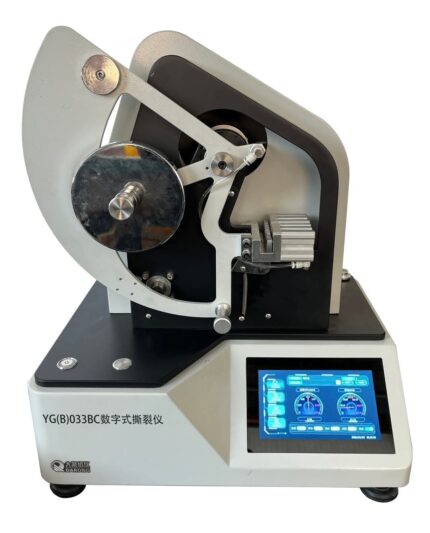
Digital Elmendorf Tearing Tester
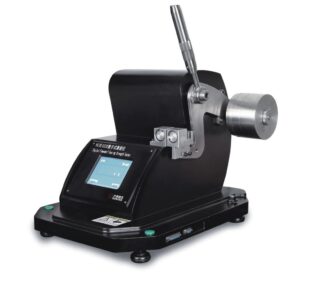
Digital Elmendorf Tearing Tester
- Accurate Tear Strength Measurement - Provides precise data on tear resistance, critical for quality control and product performance.
- Digital Readout - Easy-to-read display gives instant, reliable results without manual calculations.
- High Reproducibility - Ensures consistent test outcomes due to controlled tearing angle and speed.
- Fast Testing Process - Simple loading and quick test cycle increase lab efficiency.
- Suitable for Various Materials - Tests a wide range of flexible materials like textiles, paper, plastic, and packaging.
- Customizable Range - Use of optional weights extends the test range for low to high tear strength materials.
- Low Sample Waste - Requires small fabric or material samples, reducing waste during testing.
- Standards Compliance - Meets international testing standards (e.g., ASTM D1424, ISO 13937) for credibility and uniformity.
- Precision Sample Clamp - Securely holds samples in place to ensure accurate tear initiation.
- Pre-Cutting Blade - Integrated knife creates a precise initial slit in the sample before tearing.
- User-Friendly Interface - Simple buttons and screen navigation for ease of operation.
- Standard Test Compliance - Compatible with ASTM D1424, ISO 1974, ISO 13937, and other tear strength standards.
- Sturdy Construction - Made with durable materials for long-lasting performance and stable operation.
- Compact Design - Space-efficient footprint ideal for laboratory environments.
- Data Output Options- Some models offer USB or printer connectivity for result documentation.
- Prepare the Sample - Cut the material (fabric, paper, film, etc.) to standard size (typically 100 × 63 mm for textiles) and slit it with the pre-cutter as required.
- Select Pendulum Weight - Choose the appropriate pendulum or add counterweights based on expected tear strength.
- Calibrate the Machine - Set the pendulum to its starting position and zero the display.
- Clamp the Sample - Fix one half of the sample in the stationary clamp and the other in the moving clamp.
- Cut the Initial Slit - Use the integrated blade to make a precise cut at the marked slit area (usually 20 mm).
- Release the Pendulum - Trigger the pendulum to swing and tear the sample through the pre-slit.
- Read the Result - The digital display will show the tearing force automatically (in g, mN, or cN).
- Record or Export Data - Save or print the result if your model supports USB or printer connection.
- Reset for Next Test - Reposition the pendulum and prepare a new sample for the next cycle.
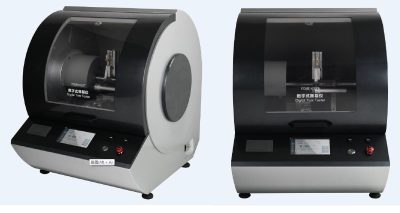 Scope of application
It is used for the determination of the tear resistance of various woven
fabrics (Elmendorf method), and it can also be used for the determination
of the tear resistance of thick paper, plastic sheeting, electrical tape, etc.
Related standards
GB/T 3917.1 FZ/T60006 FZ/T75001 ISO1974/9290 ASTM D1424/5734
etc.
Instrument characteristics
1. Maximum 300N test range
2. Microcomputer control, digital decoding, support online
communication
3. Color touch screen control, Chinese and English menu operation
interface
4. Pneumatic clamping, automatic cutting
5. A variety of measurement units (cN, gf) selection
6. Fully automatic operation with safe operation protection.
7. Automatically increase potential energy
[Technical parameter]:
1. Test range: first gear: (0~16)N second gear: (0~32)N third gear: (0~
64)N fourth gear: (0~128)N fifth gear: (0~300)N
2. Test accuracy: ≤±0.2%F·S
3. Tearing length: 43mm (non-standard 30-60mm can be set)
4. Automatic incision length: (20±0.2)mm
5. Sample size: (100×63)mm
6. Specimen clamping: pneumatic way
7. Sample test: Up to 10 sets per group on the device side, and 30 sets
of data can be selected to be saved
8. Power supply: AC220V±10% 50Hz 100W
9. Dimensions: (650×660×680)mm
10. Weight: 50kg
[Sample of control interface]:(English version is also available.)
Scope of application
It is used for the determination of the tear resistance of various woven
fabrics (Elmendorf method), and it can also be used for the determination
of the tear resistance of thick paper, plastic sheeting, electrical tape, etc.
Related standards
GB/T 3917.1 FZ/T60006 FZ/T75001 ISO1974/9290 ASTM D1424/5734
etc.
Instrument characteristics
1. Maximum 300N test range
2. Microcomputer control, digital decoding, support online
communication
3. Color touch screen control, Chinese and English menu operation
interface
4. Pneumatic clamping, automatic cutting
5. A variety of measurement units (cN, gf) selection
6. Fully automatic operation with safe operation protection.
7. Automatically increase potential energy
[Technical parameter]:
1. Test range: first gear: (0~16)N second gear: (0~32)N third gear: (0~
64)N fourth gear: (0~128)N fifth gear: (0~300)N
2. Test accuracy: ≤±0.2%F·S
3. Tearing length: 43mm (non-standard 30-60mm can be set)
4. Automatic incision length: (20±0.2)mm
5. Sample size: (100×63)mm
6. Specimen clamping: pneumatic way
7. Sample test: Up to 10 sets per group on the device side, and 30 sets
of data can be selected to be saved
8. Power supply: AC220V±10% 50Hz 100W
9. Dimensions: (650×660×680)mm
10. Weight: 50kg
[Sample of control interface]:(English version is also available.) 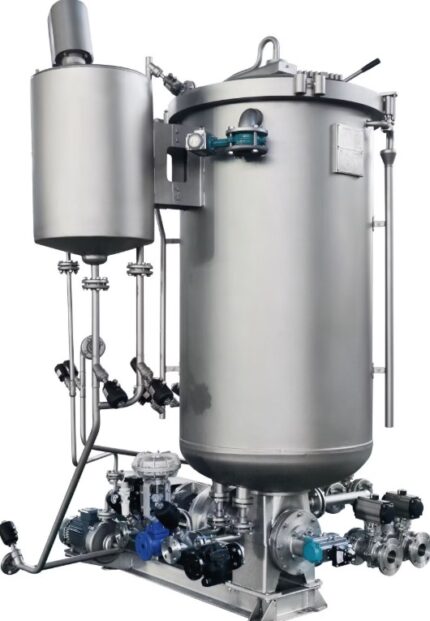
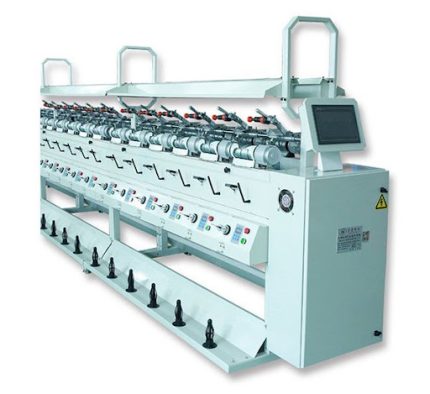
Cone yarn Dyeing machine
Cone Yarn Dyeing Machine

Cone Yarn Dyeing Machine
- Computer system: Foshan HuaGao Chinese English computer, equipped with LG PLC.
- Electromagnetic valve: Ningbo Jiaerling
- Frequency converter: Use Made in China frequency converters.
- Pump: self-made high head and large flow centrifugal water pump.
- Main pump motor: Anhui Wannan Motor.
- Master cylinder liquid level: Use 4-20mA analog signal output.
- Level of deputy temporary worker: use foam water level gauge. (American Mike)
- Temperature detection and display: digital temperature display instrument, dual temperature measuring probes.
- The safety system has a triple cylinder head safety interlock mechanism, and the main cylinder is equipped with a stainless
- steel safety valve.
- Heat exchanger: external spacer heating.
- Feeding system: Quantitative feeding based on the process curve.
- Circulation system: The main pump flows internally and externally, which is automatically controlled by a computer or manually controlled by a relay.
- Valves: Y valves are used for heating, stainless steel Y valves are used for single inlet and single row, and other Y valves are produced by joint ventures.
- Temperature control: on-off temperature control, controlled by a computer, with automatic heating, cooling, and insulation functions.
- Dyeing method: air cushion type.
- Opening method: manual opening.
- Surface treatment: polishing inside and outside the cylinder.
- Cage: Each dyeing machine is equipped with butterfly blades and self-locking locks.
- Body plate: high-quality stainless steel. (S31603)
- Bath ratio: 1:5-1:6
- Chemical material system: including heating and water adding functions, including overflow type salt melting device.
- Overflow cleaning: The cleaning port is installed on the upper part of the cylinder port, and the bottom of the cylinder is filled with water, while the cylinder is drained for easy cleaning.
- Commutation method: Novel "U" type commutation.
- Random accessories: Each model comes with one set of mechanical seals, pot mouth rings, and reversing seals for the main and auxiliary pumps.
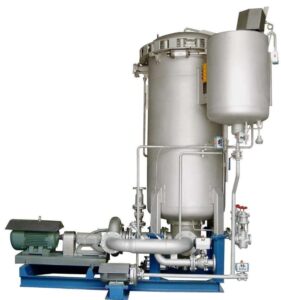
Cone Yarn Dyeing Machine

IR Dyeing Machine Dunlin
IR Dyeing Machine Dunlin
IR Dyeing machine Dunlin is Safe, high efficiency, environment friendly, energy saving, optimum for new dyeing small sample machines
0 - 3.5 ℃ / min Cooling rate 0.2 - 5 ℃ / min Cooling method Air-cooled Rotation speed 0 - 60 rpm Liquor ratio 1:5 -1:100 Power supply 1∮AC 220V 50/60HZ Dimensions( L x W x H) 670×670×780mm 860×680×780mm Weight 100kg 120kg Standard Accessories Cups 1set
Put the test sample. Cups stand 1set Place where to put cups. Protective glove 1set To avoid to be hurt by HT cups. Model: IF-24SCapacity: 24 pots Brad: DUNLIN Origin: China
Color dyeing tests for various dyestuffs of IR Dyeing machine Dunlin- Step dyeing tests. C. Dispersing, levelling and impregnating test. D. High or low liquor ratio exhausting tests. E. Fabric steak and staining tests. F. Concentration tests and others. Protection and Safety gates to protect. Temperature control accuracy +/- 0.2degree

IR Dyeing machine

Counting Balance-Weighing Scale
Counting Balance-Weighing Scale
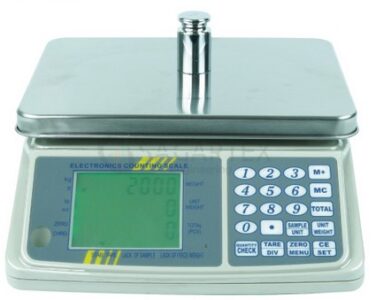
Counting Balance-Weighing Scale
Counting Balance-Weighing Scale

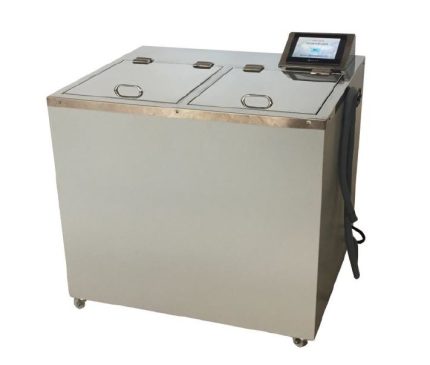
Color fastness to washing machine
COLOR FASTNESS TO WASHING MACHINE
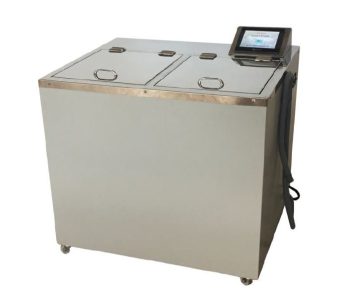
COLOR FASTNESS TO WASH MACHINE
- Drying: - After washing, the sample is dried, typically air-dried or tumble-dried.4. Evaluation: - Color change and staining on adjacent fabrics are assessed using a gray scale (1 to 5 scale; 5 = no change, 1 = severe change). - Results may also be evaluated visually under standard lighting.
- Supports Brand Reputation - Reliable color fastness contributes to a premium product image and consistent performance.4. Compliance with Standards - Meets industry requirements (e.g., ISO, AATCC), crucial for export, certifications, and regulatory compliance.
- Improves Process Control- Helps identify dyeing or finishing process issues early, leading to better production control.6. Reduces Rework and Waste - Minimizes production losses due to color defects after washing.
- Essential for Specific End Uses - Critical for items subject to frequent washing (e.g., uniforms, baby clothes, hospital linens).8. Supports Material Selection - Guides textile manufacturers in choosing appropriate dyes and fabrics for specific applications.
- Assessment of Color Change and Staining- Evaluates both the fabric’s color retention and the staining of adjacent fabrics using grey scales (1 to 5 rating).4. Multi-Fiber Fabric Use - Tests include fabric stitched with adjacent test strips (cotton, wool, etc.) to assess color bleeding onto different fibers.
- Multiple Test Options - Includes domestic, accelerated, and industrial washing conditions depending on the end-use of the fabric.6. Temperature and Time Control - Precise control over wash temperature (e.g., 40°C, 60°C) and duration (e.g., 30 mins), simulating specific washing cycles.
- Detergent and Additive Use - Uses standardized detergent formulations with/without optical brighteners, and sometimes alkaline or oxidizing agents.8. Reproducible and Quantifiable - Provides repeatable results that can be objectively measured and documented.
- Applicability to All Textile Types - Suitable for dyed, printed, or coated fabrics across various fibers (cotton, polyester, blends, etc.).
- Rate of temperature rise: Maximum speed for 2ºC/min 7. Internal materials: Imported Stainless Steel 316L 8. Control panel: Touch screen
- Rack point control function helps to replace containers easily 10. Safety device: Safety door switch, over-temperature protector and dry heating protector 11. Heating media: Distilled water 12. Power supply: AC220V 50Hz 30A

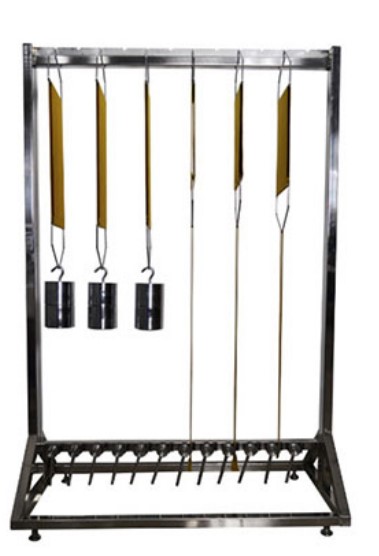
Stretch Recovery Tester Static Method
Stretch Recovery Tester – Static Method | ASTM D3107 / D2594 | Ready Stock Bangladesh
Product Introduction
The Stretch Recovery Tester – Static Method is a professional textile laboratory testing instrument designed to evaluate the stretch and recovery properties of elastic fabrics, knitted fabrics, stretch garments, ribbons and other extensible textile materials. The tester is suitable for Textile Testing Laboratories, Garment Factories, Fabric Manufacturers, QA/QC Departments, R&D Laboratories and Academic Textile Laboratories. ASTM D3107 / ASTM D2594 | Ready Stock in Bangladesh | Quick Delivery | Local SupportWhy Choose This Stretch Recovery Tester?
- Ready Stock in Bangladesh
- Suitable for textile and garment testing laboratories
- Designed for stretch and recovery evaluation
- Suitable for elastic and stretchable textile materials
- Applicable to relevant ASTM testing methods
- Easy laboratory operation
- Compact and practical testing equipment
- Competitive price in Bangladesh
- Quick local delivery
- Local sales and technical support from MAAM TEX
Testing Standards
The Stretch Recovery Tester is suitable for testing requirements related to:- ASTM D3107 – Stretch Properties of Fabrics
- ASTM D2594 – Stretch Properties of Knitted Fabrics
Scope of Application
This equipment can be used for testing:- Stretch Fabrics
- Knitted Fabrics
- Elastic Fabrics
- Stretch Garments
- Sportswear Fabrics
- Elastic Ribbons
- Hosiery Materials
- Textile Materials with Stretch Properties
Suitable For
- Textile Testing Laboratories
- Garment Manufacturing Industries
- Knitwear Factories
- Fabric Mills
- Sportswear Manufacturers
- Elastic Fabric Manufacturers
- Quality Control Laboratories
- R&D Laboratories
- Third-Party Testing Laboratories
- Textile Universities & Institutes
Key Advantages
Ready Stock in Bangladesh
No need to wait for overseas import. This product is available from MAAM TEX stock in Bangladesh, subject to current stock availability.Quick Delivery
Local stock enables faster delivery compared with normal import-based supply.Competitive Price
MAAM TEX provides competitive quotations for textile laboratory testing equipment.Local Support
Professional sales and after-sales support are available for customers in Bangladesh.Laboratory Suitable
A practical solution for routine quality control, product development and textile testing applications.Frequently Asked Questions
What is a Stretch Recovery Tester?
A Stretch Recovery Tester is a textile laboratory instrument used to evaluate the ability of a fabric or elastic textile material to stretch and recover after the application and removal of a specified load or extension.What standards are applicable?
The equipment is intended for testing requirements associated with ASTM D3107 and ASTM D2594, depending on the material and test method.Who needs a Stretch Recovery Tester?
Textile mills, garment factories, knitwear manufacturers, fabric manufacturers, QA/QC laboratories, R&D departments and textile testing laboratories can use this equipment.Is this machine available in Bangladesh?
Yes. MAAM TEX offers this Stretch Recovery Tester from stock in Bangladesh, subject to current availability.Can I get a quotation?
Yes. Contact MAAM TEX for the latest price, stock confirmation, delivery information and quotation.Ready Stock – Bangladesh
No Need to Wait for Import
Stretch Recovery Tester – Static Method Ready Stock | Competitive Price | Quick Delivery | Local Support For current stock status and quotation, please contact MAAM TEX.Call to Action
Looking for a Stretch Recovery Tester in Bangladesh? Get the Stretch Recovery Tester – Static Method from MAAM TEX with ready-stock availability, competitive pricing and local support. Contact MAAM TEX today for Price & Stock Confirmation.Stretch Recovery Tester Static Method
Stretch Recovery Tester
- A sample is stretched to a predetermined extension or force.
- The stretch is maintained for a set period.
- After removing the load, the recovery (return to original length) is measured after a fixed time.
- The fabric sample is clamped and stretched to a specific length or force.
- It’s held for a fixed duration (e.g., 1–5 minutes).
- The tension is released, and the sample is allowed to recover.
- The recovered length is measured after a set time.


Stretch Recovery Tester
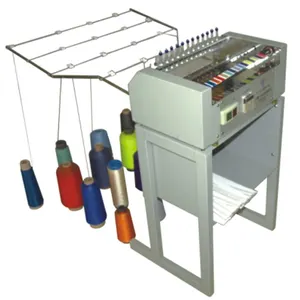
Card winding machine
Card Winding Machine
Card Winding Machine
Product description
Color Card Winding Machine applies to a number of brass wire, yarn,
while according to technological requirements on winding type with quantitative,
bound, for yarn user optional color, contrast and testing purposes.
It is a professional new product designed to give a variety of sample cards.
Specification
Model FH-25
Color card winding machine
Voltage 220V 50HZ one phase
Color White
Dimensions L1100xW600xH800(mm)
Paper color card size According to custom-made Piece Within 25 pieces
Power 15w
Weight 30kgs
We could make special type according to the customers request.
Card Winding Machine
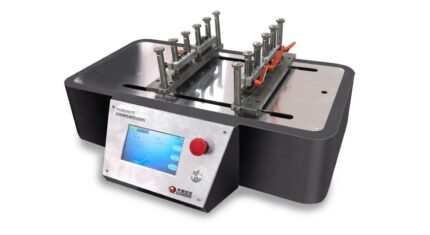
Fatigue tester for Elastic fabric
Fatigue Tester for Elastic Fabric
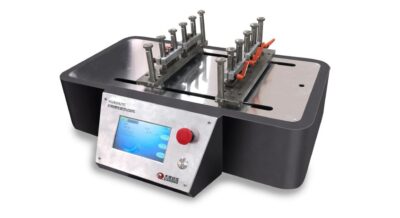
Fatigue tester for Elastic fabric
- Adjustable Stretch Range - Allows setting stretch levels (e.g., 0–100%) to simulate real-life fabric use.
- High-Cycle Capability - Supports up to millions of stretch-relax cycles for long-term fatigue analysis.
- Touch Screen Control - 7-inch color display for easy setup, monitoring, and data entry.
- Servo Motor Driven - Ensures precise and smooth linear motion during testing.
- Customizable Speed - Adjustable test speed (e.g., up to 40 cycles per minute) based on test requirements.
- Multi-Sample Testing - Some models allow testing multiple specimens simultaneously.
- Cycle Counter with Alarm - Built-in counter with programmable stop after preset cycles and auto-alert feature.
- Durable Construction - Robust metal frame suitable for continuous testing in lab environments.
- Standard Compliance - Designed to follow standards like GB/T 37635 for elastic fabric testing.
- Prepare the Sample
- Mount the Sample - Secure both ends of the fabric in the upper and lower clamps.
- Set Test Parameters
- Start the Test - Press start on the touch screen interface. - The machine will cyclically stretch and release the sample.
- Monitor Progress - Observe operation or let it run automatically.
- Remove and inspect - Take out the fabric and measure elongation, recovery, or visual defects.
- Record and Compare Results - Compare with initial measurements or standard performance criteria.
Fatigue tester for Elastic fabric

