Skip to content
About us
Select category
  • Select category
  • Dyeing Lab Machine
  • Lab Equipment & Instrument
  • Physical Testing & Fabric Testing
  • Yarn Dyeing Machine & Equipment
1 item $0.00
Menu
About us
1 item $0.00
Create your first navigation menu here and add it to the "Main menu" location.
“Fabric air permeability tester” has been added to your cart. View cart
Digital Elmendorf Tearing Tester
360 product view
    0%
    Click to enlarge
    Digital Elmendorf Tearing Tester
    Digital Elmendorf Tearing Tester
    Digital Elmendorf Tearing Tester
    Home Dyeing Lab Machine Digital Elmendorf tearing tester
    Pneumatic bursting tester
    Bursting strength tester $0.00
    Back to products
    Fabric air permeability tester
    Fabric air permeability tester $0.00

    Digital Elmendorf tearing tester

    $0.00

    Digital Elmendorf Tearing Tester
    Digital Elmendorf Tearing Tester

    Digital Elmendorf Tearing Tester


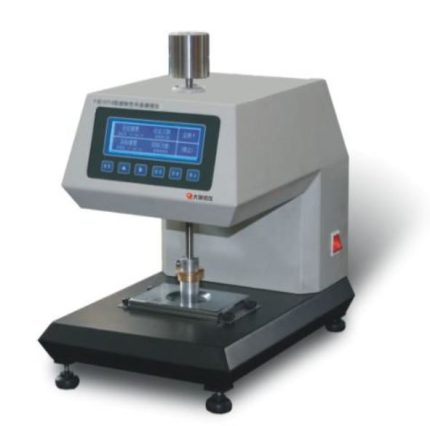
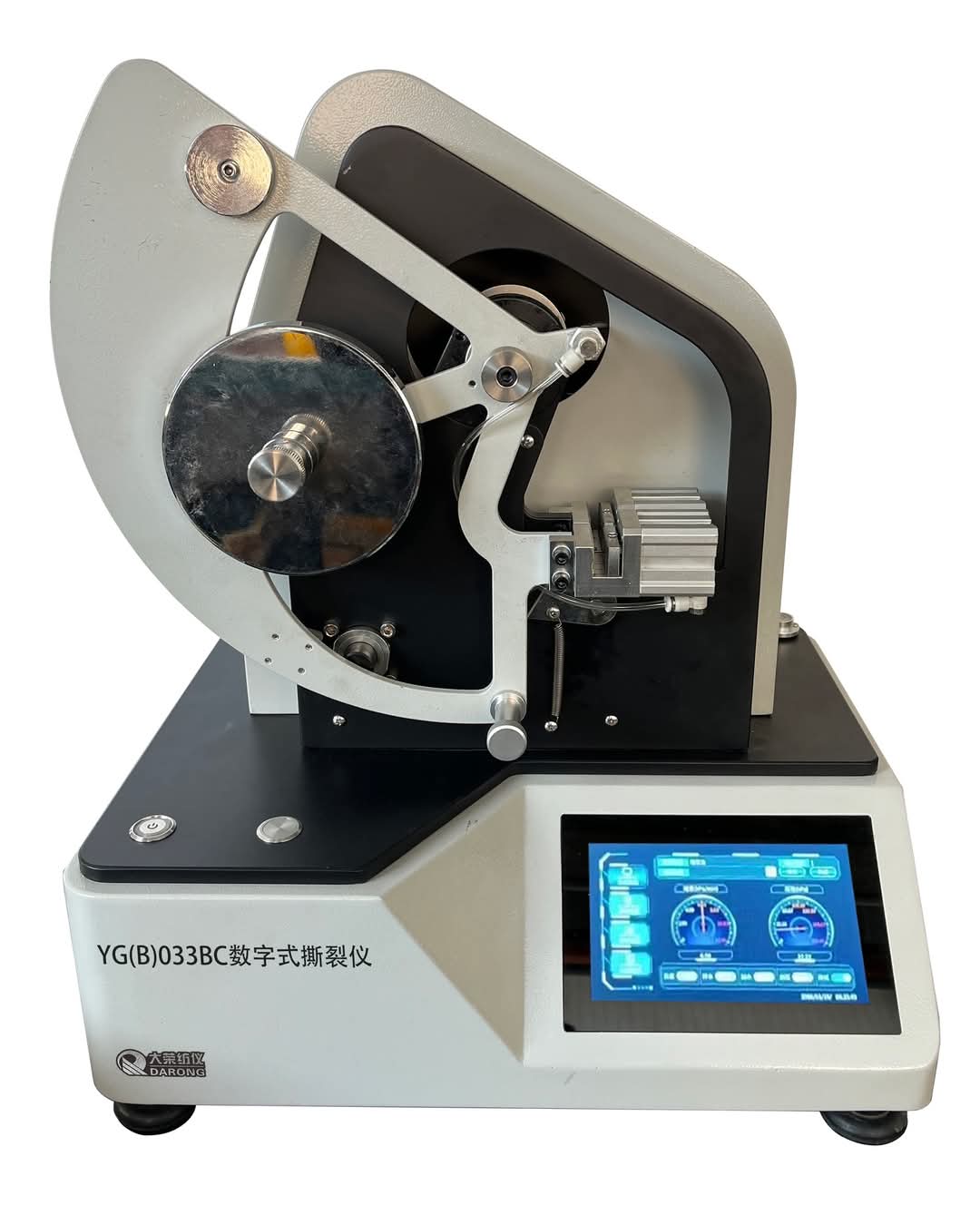
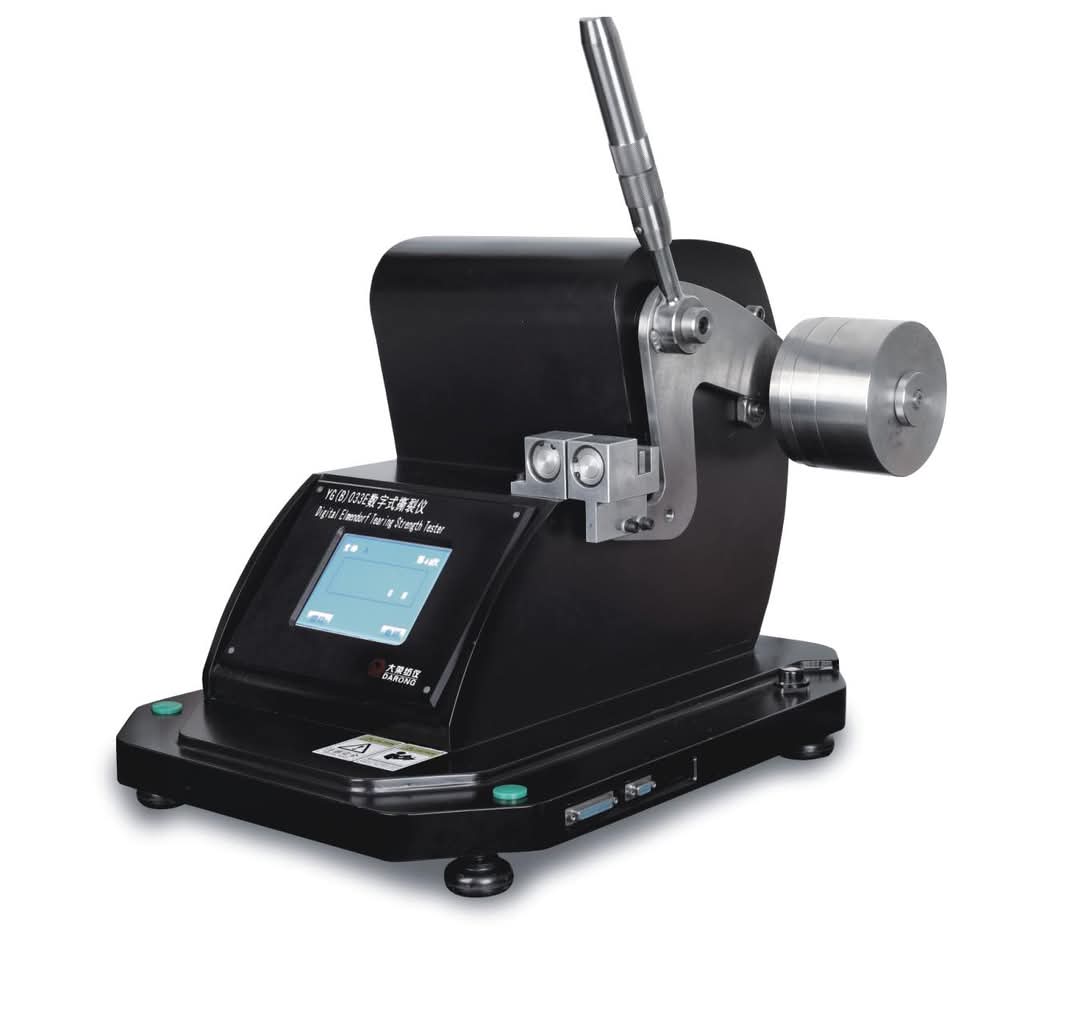
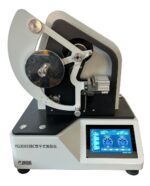
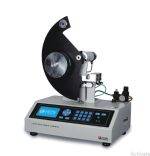
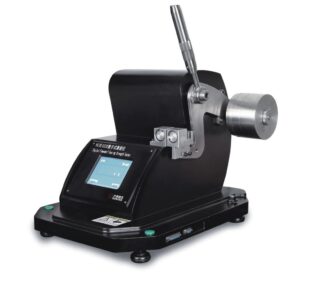
    Digital Elmendorf Tearing Tester is a precision instrument used to measure the tear strength of materials like woven fabrics, paper, plastic films, and nonwovens. It determines how much force is required to continue tearing a pre-slit sample.

    Key Functions of Digital Elmendorf Tearing Tester:

    – Measures propagation tear resistance, not initial tear.

    – Uses a pendulum to apply force; the energy lost during tearing is calculated to determine tear strength.

    – Equipped with a digital display for direct reading of results in grams or millinewtons.

    Core Components:

    – Pendulum Arm: Applies tearing force.

    – Clamps: Secure the sample before and after the tear.

    – Cutting Blade: Creates a precise slit at the start of the test.

    – Digital Display Unit: Shows the tearing force result clearly and instantly.

    – Counterweights: Optional weights for increasing test range (for stronger materials).


    Applications of Digital Elmendorf Tearing Tester:

    – Testing tear resistance of:

    – Textile fabrics (especially woven)

    – Paper and cardboard

    – Plastic films

    – Nonwovens

    – Packaging materials

    Benefits of Digital Elmendorf Tearing Tester:

    1. Accurate Tear Strength Measurement – Provides precise data on tear resistance, critical for quality control and product performance.
    2. Digital Readout – Easy-to-read display gives instant, reliable results without manual calculations.
    3. High Reproducibility – Ensures consistent test outcomes due to controlled tearing angle and speed.


    1. Fast Testing Process – Simple loading and quick test cycle increase lab efficiency.
    2. Suitable for Various Materials – Tests a wide range of flexible materials like textiles, paper, plastic, and packaging.
    3. Customizable Range – Use of optional weights extends the test range for low to high tear strength materials.
    4. Low Sample Waste – Requires small fabric or material samples, reducing waste during testing.
    5. Standards Compliance – Meets international testing standards (e.g., ASTM D1424, ISO 13937) for credibility and uniformity.

    Features of Digital Elmendorf Tearing Tester:

    Digital Display – Provides accurate and direct reading of tear strength in grams, mN, or cN. Pendulum Mechanism – Uses a swinging pendulum to simulate tear propagation with consistent force. Adjustable Test Range – Includes interchangeable pendulum weights to test various material strengths.

    1. Precision Sample Clamp – Securely holds samples in place to ensure accurate tear initiation.
    2. Pre-Cutting Blade – Integrated knife creates a precise initial slit in the sample before tearing.
    3. User-Friendly Interface – Simple buttons and screen navigation for ease of operation.
    4. Standard Test Compliance – Compatible with ASTM D1424, ISO 1974, ISO 13937, and other tear strength standards.
    1. Sturdy Construction – Made with durable materials for long-lasting performance and stable operation.
    2. Compact Design – Space-efficient footprint ideal for laboratory environments.
    3. Data Output Options- Some models offer USB or printer connectivity for result documentation.

    How to Use a Digital Elmendorf Tearing Tester:

    1. Prepare the Sample – Cut the material (fabric, paper, film, etc.) to standard size (typically 100 × 63 mm for textiles) and slit it with the pre-cutter as required.
    2. Select Pendulum Weight – Choose the appropriate pendulum or add counterweights based on expected tear strength.
    1. Calibrate the Machine – Set the pendulum to its starting position and zero the display.
    2. Clamp the Sample – Fix one half of the sample in the stationary clamp and the other in the moving clamp.
    3. Cut the Initial Slit – Use the integrated blade to make a precise cut at the marked slit area (usually 20 mm).
    1. Release the Pendulum – Trigger the pendulum to swing and tear the sample through the pre-slit.
    2. Read the Result – The digital display will show the tearing force automatically (in g, mN, or cN).
    3. Record or Export Data – Save or print the result if your model supports USB or printer connection.
    4. Reset for Next Test – Reposition the pendulum and prepare a new sample for the next cycle.

    Safety Tip: – Always ensure your hands are clear before releasing the pendulum.


    Digital Elmendorf tearing tester
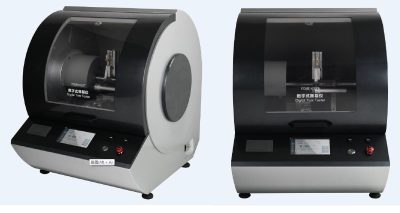
    Scope of application
    It is used for the determination of the tear resistance of various woven
    fabrics (Elmendorf method), and it can also be used for the determination
    of the tear resistance of thick paper, plastic sheeting, electrical tape, etc.

    Related standards
    GB/T 3917.1 FZ/T60006 FZ/T75001 ISO1974/9290 ASTM D1424/5734
    etc.
    Instrument characteristics
    1. Maximum 300N test range
    2. Microcomputer control, digital decoding, support online
    communication
    3. Color touch screen control, Chinese and English menu operation
    interface

    4. Pneumatic clamping, automatic cutting
    5. A variety of measurement units (cN, gf) selection
    6. Fully automatic operation with safe operation protection.
    7. Automatically increase potential energy
    [Technical parameter]:
    1. Test range: first gear: (0~16)N second gear: (0~32)N third gear: (0~
    64)N fourth gear: (0~128)N fifth gear: (0~300)N

    2. Test accuracy: ≤±0.2%F·S
    3. Tearing length: 43mm (non-standard 30-60mm can be set)
    4. Automatic incision length: (20±0.2)mm
    5. Sample size: (100×63)mm
    6. Specimen clamping: pneumatic way

    7. Sample test: Up to 10 sets per group on the device side, and 30 sets
    of data can be selected to be saved
    8. Power supply: AC220V±10% 50Hz 100W
    9. Dimensions: (650×660×680)mm
    10. Weight: 50kg
    [Sample of control interface]:(English version is also available.)

    Categories: Dyeing Lab Machine, Physical Testing & Fabric Testing Tags: Digital Elmendorf tearing tester, Digital Elmendorf tearing tester price in Bangladesh, Digital Tear tester price in Bangladesh, tear tester price in Bangladesh Brand: DARONG
    Share:
    • Description
    • Shipping & Delivery
    Description

      Shipping & Delivery

      Related products

      Fabric Stiffness Tester
      Fabric Stiffness Tester

      Fabric Stiffness Tester

      Physical Testing & Fabric Testing
      $0.00

      Fabric Stiffness Tester

      Fabric Stiffness Tester

      Fabric Stiffness Tester

        Fabric Stiffness Tester is a lab instrument used to measure the stiffness or flexural rigidity of fabric materials. It evaluates how resistant a fabric is to bending, which influences its drape, comfort, and handling characteristics. Purpose of Fabric Stiffness Tester: To determine the stiffness of textiles by measuring the bending length and calculating flexural rigidity, often using methods like the Cantilever Test (as per ASTM D1388 or ISO 9073-7).   Working Principle of Fabric Stiffness Tester: A fabric strip is slid over a horizontal platform until its free end bends under its own weight to a specific angle (usually 41.5°). The length at which this occurs is used to calculate bending length and stiffness.   Main Components of Fabric Stiffness Tester: - Test Platform: Flat surface for sample movement. - Graduated Scale: Measures the overhanging length of fabric. - Angle Indicator: Guides the measurement based on standard deflection angle. - Fabric Clamp or Guide: Helps place and move the sample smoothly.   Applications of Fabric Stiffness Tester: - Apparel fabrics (e.g., for comfort and drape analysis) - Technical textiles (e.g., automotive, medical fabrics) - Paper, nonwovens, and films Benefits of Fabric Stiffness Tester:
      1. Accurate Measurement of Flexibility - Provides reliable data on fabric stiffness, essential for quality control and product development.
      2. Improves Product Comfort - Helps assess how soft or rigid a fabric will feel in clothing or furnishings.
      3. Supports Material Selection - Aids designers and engineers in choosing the right fabric for specific applications based on stiffness.
       
      1. Quality Assurance - Detects fabric inconsistencies or defects that affect handling or drape.
      2. Standards Compliance - Enables testing as per international standards like ASTM D1388 and ISO 9073-7 for global product approval.
      3. Quick and Simple Operation - Delivers fast results with minimal operator training or preparation.
       
      1. Applicable to Multiple Materials - Suitable for woven, nonwoven, knitted fabrics, paper, and films.
      2. Enhances R&D Accuracy - Supports consistent material testing during product innovation and textile finishing.
        Features of Fabric Stiffness Tester:
      1. Graduated Measurement Scale - Precise scale to measure overhang length for accurate stiffness calculation.
      2. Flat Test Platform - Smooth, level surface ensures consistent and reliable fabric movement.
      3. Standard Deflection Angle Guide - Built-in 41.5° angle reference for consistent stiffness testing (per ASTM/ISO).
      4. Manual or Motorized Models - Available in both types for simple or automated operation depending on lab needs.
      5. Compact Design - Space-saving unit ideal for textile labs and quality control rooms.
       
      1. Sample Holder or Clamp - Ensures correct alignment and smooth feeding of fabric strips during testing.
      2. Durable Construction - Made of corrosion-resistant materials like stainless steel or aluminum for long-term use.
      3. Compliance with Standards - Supports methods like ASTM D1388, ISO 9073-7 for stiffness testing of fabrics.
       
      1. Lightweight and Portable - Easy to move and use in various lab settings.
      2. Low Maintenance - Simple mechanical parts require minimal servicing.
        How to Use Fabric Stiffness Tester (Cantilever Method):
      1. Prepare the Sample - Cut the fabric into a rectangular strip (e.g., 25 mm × 200 mm), as per standard.
      2. Place the Sample - Lay the fabric strip flat on the test platform with one end aligned at the zero mark.
      3. Slide the Fabric - Gently push the fabric forward so it slowly overhangs the platform.
       
      1. Watch for Deflection - Stop sliding when the free end of the fabric bends down to the reference angle (typically 41.5°).
      2. Read the Bending Length - Measure the overhang distance from the scale. This is the bending length (C).
      3. Calculate Flexural Rigidity
      - Use the formula: G = W × C³ Where: - G = Flexural rigidity (mg·cm) - W = Fabric weight per unit area (mg/cm²) - C = Bending length (cm)  
      1. Repeat for Accuracy - Test both warp and weft directions and average the results for better accuracy.
      Tip: Always perform the test in a controlled environment (standard temperature and humidity) for reliable results.         Fabric Stiffness Tester Scope of application It is used to measure the stiffness of cotton, wool, silk, linen, chemical fibers and other woven fabrics, knitted fabrics, general nonwovens, coated fabrics, etc. It is also suitable for measuring the stiffness of paper, leather, film and other flexible materials. Relevant Standards GB/T 18318, ASTM D 1388, IS09073-7, BS EN22313 etc. [Instrument Characteristics] 1. Infrared photoelectric invisible inclined plane detection system replaces the traditional tangible inclined plane, realizes non-contact detection, and overcomes the problem that the measurement accuracy is affected by the sample torsion lifted by the inclined plane. 2. The inclination adjustable mechanism of instrument measurement to meet different test requirements. 3. Stepping motor drive, accurate measurement, smooth operation; 4. The color touch screen display can show the extended length, bending length, bending stiffness of the sample, the warp average, the weft average and the total average of the above values respectively. 5. Printing of Chinese report forms for thermal printers. Technical parameters 1. Test methods: The two method (A method: Weft test, B method: Forward and backward test) 2. Measurement angle:41.5 degree, 43 degree and 45 degree adjustable 3. Extend the length range:5-220 mm (special requirements can be made at the time of ordering) 4. Length resolution:0.01mm 5. Measurement accuracy:±0.1mm 6. Specimen specifications:250×25mm 7. Work platform specifications:250×50mm 8. Specification of sample pressing plate:250×25mm 9. Pushing speed of press plate:3 mm/s; 4 mm/s; 5 mm/s 10. Display output: Touch screen display 11. Print Output: Chinese Report 12. Data Processing Volume: A total of 15 groups, each group less than 20 trials 13. Printer: Thermal printer 14, power supply:AC220V 50Hz 15. Host volume:570mm×360mm×490mm 16. Host weight:20kg
      Add to cart
      Quick view
      Stretch Recovery Tester (Static Method)

      Stretch Recovery Tester Static Method

      Physical Testing & Fabric Testing, Dyeing Lab Machine
      $0.00

      Stretch Recovery Tester – Static Method | ASTM D3107 / D2594 | Ready Stock Bangladesh

      Product Introduction

      The Stretch Recovery Tester – Static Method is a professional textile laboratory testing instrument designed to evaluate the stretch and recovery properties of elastic fabrics, knitted fabrics, stretch garments, ribbons and other extensible textile materials. The tester is suitable for Textile Testing Laboratories, Garment Factories, Fabric Manufacturers, QA/QC Departments, R&D Laboratories and Academic Textile Laboratories. ASTM D3107 / ASTM D2594 | Ready Stock in Bangladesh | Quick Delivery | Local Support

      Why Choose This Stretch Recovery Tester?

      • Ready Stock in Bangladesh
      • Suitable for textile and garment testing laboratories
      • Designed for stretch and recovery evaluation
      • Suitable for elastic and stretchable textile materials
      • Applicable to relevant ASTM testing methods
      • Easy laboratory operation
      • Compact and practical testing equipment
      • Competitive price in Bangladesh
      • Quick local delivery
      • Local sales and technical support from MAAM TEX

      Testing Standards

      The Stretch Recovery Tester is suitable for testing requirements related to:
      • ASTM D3107 – Stretch Properties of Fabrics
      • ASTM D2594 – Stretch Properties of Knitted Fabrics
      Testing procedure and applicable standard should be selected according to the material and customer's laboratory requirement.

      Scope of Application

      This equipment can be used for testing:
      • Stretch Fabrics
      • Knitted Fabrics
      • Elastic Fabrics
      • Stretch Garments
      • Sportswear Fabrics
      • Elastic Ribbons
      • Hosiery Materials
      • Textile Materials with Stretch Properties

      Suitable For

      • Textile Testing Laboratories
      • Garment Manufacturing Industries
      • Knitwear Factories
      • Fabric Mills
      • Sportswear Manufacturers
      • Elastic Fabric Manufacturers
      • Quality Control Laboratories
      • R&D Laboratories
      • Third-Party Testing Laboratories
      • Textile Universities & Institutes

      Key Advantages

      Ready Stock in Bangladesh

      No need to wait for overseas import. This product is available from MAAM TEX stock in Bangladesh, subject to current stock availability.

      Quick Delivery

      Local stock enables faster delivery compared with normal import-based supply.

      Competitive Price

      MAAM TEX provides competitive quotations for textile laboratory testing equipment.

      Local Support

      Professional sales and after-sales support are available for customers in Bangladesh.

      Laboratory Suitable

      A practical solution for routine quality control, product development and textile testing applications.

      Frequently Asked Questions

      What is a Stretch Recovery Tester?

      A Stretch Recovery Tester is a textile laboratory instrument used to evaluate the ability of a fabric or elastic textile material to stretch and recover after the application and removal of a specified load or extension.

      What standards are applicable?

      The equipment is intended for testing requirements associated with ASTM D3107 and ASTM D2594, depending on the material and test method.

      Who needs a Stretch Recovery Tester?

      Textile mills, garment factories, knitwear manufacturers, fabric manufacturers, QA/QC laboratories, R&D departments and textile testing laboratories can use this equipment.

      Is this machine available in Bangladesh?

      Yes. MAAM TEX offers this Stretch Recovery Tester from stock in Bangladesh, subject to current availability.

      Can I get a quotation?

      Yes. Contact MAAM TEX for the latest price, stock confirmation, delivery information and quotation.

      Ready Stock – Bangladesh

      No Need to Wait for Import

      Stretch Recovery Tester – Static Method Ready Stock | Competitive Price | Quick Delivery | Local Support For current stock status and quotation, please contact MAAM TEX.

      Call to Action

      Looking for a Stretch Recovery Tester in Bangladesh? Get the Stretch Recovery Tester – Static Method from MAAM TEX with ready-stock availability, competitive pricing and local support. Contact MAAM TEX today for Price & Stock Confirmation.

      Stretch Recovery Tester Static Method 

      Stretch Recovery Tester (Static Method)

      Stretch Recovery Tester

        A Stretch Recovery Tester Static Method is a lab instrument used to evaluate the stretch ability and recovery properties of fabrics, elastomers, or other stretchable materials. This method is crucial in textiles and material science to assess how well a material returns to its original shape after being stretched. Key Functions of Stretch Recovery Tester Static Method : - Measures elongation under a fixed force or length. - Assesses the recovery percentage after a specified recovery time once the force is removed. - Evaluates fabric's resilience, durability, and comfort properties. How It Works Stretch Recovery Tester  Static Method:
      1. A sample is stretched to a predetermined extension or force.
      2. The stretch is maintained for a set period.
      3. After removing the load, the recovery (return to original length) is measured after a fixed time.
      4. The fabric sample is clamped and stretched to a specific length or force.
      5. It’s held for a fixed duration (e.g., 1–5 minutes).
      6. The tension is released, and the sample is allowed to recover.
      7. The recovered length is measured after a set time.
      Main Components: - Fixed clamps to hold the sample. - Movable clamps for stretching. - Precision scale or ruler for measuring elongation and recovery. - Timing device (manual or digital) to control stretching and recovery periods. - To assess elastic recovery and dimensional stability after stretching. Applications: - Used in testing knitwear, sportswear, elastic fabrics, and compression garments. - Helps in product development and quality assurance. Stretch Recovery Tester Static Method is designed to determine the stretch recovery property of elastic material by static method. 2.0mm thickness stainless steel frame and base board, makes the tester firm and stable. Sample holder can be slid along the guide rail smoothly and can be fixed at any position of the rail. Test Scope:elastomeric material Testing Standards:ASTM D2594、ASTM D3107, etc. key features of a Stretch Recovery Tester Static Method: Adjustable clamps and measurement scale. - Timer for accurate stretch/recovery periods. - Simple mechanical design for ease of use. ✅ 1. Manual or Semi-Automatic Operation - Allows controlled stretching and recovery measurements. - Simple setup for routine quality control. ✅ 2. Adjustable Clamp System - Securely holds samples of various sizes and thicknesses. - Ensures consistent test conditions. ✅ 3. Precision Measurement Scale - Provides accurate readings of elongation and recovery length. - Often graduated in millimeters or inches. ✅ 4. Sturdy Frame - Made of corrosion-resistant metal or coated steel. - Ensures durability and stability during testing. ✅ 5. Time Control Support - Timer to monitor stretch and recovery durations. - Helps standardize test procedures. ✅ 6. Compact Design - Space-saving for lab environments. - Easy to move and operate. ✅ 7. Compliance with Standards - Often designed to meet standards like ASTM D3107 or BS 4294. Would you like a comparison with the dynamic method or specifications for a particular model? key benefits of using a Stretch Recovery Tester Static Method: ✅ 1. Accurate Fabric Performance Analysis- Provides reliable data on stretch and recovery, critical for assessing elasticity and fit. ✅ 2. Easy to Operate- Simple, manual setup makes it ideal for routine testing and quality control. ✅ 3. Cost-Effective- More affordable than dynamic testers, making it suitable for smaller labs or production units. ✅ 4. Standardized Testing- Supports industry-standard methods (e.g., ASTM D3107), ensuring consistency across tests. ✅ 5. Versatile Applications- Suitable for testing knit fabrics, elastic bands, spandex materials, and other stretchable textiles. ✅ 6. Durable and Low Maintenance- Mechanically straightforward with minimal upkeep required. ✅ 7. Enhances Product Development- Helps designers and manufacturers optimize materials for comfort, performance, and durability. Applications: - Textile R&D - Production quality control
      Stretch Recovery Tester (Static Method)

      Stretch Recovery Tester

      - Evaluating materials for comfort, durability, and fit Stretch Recovery Tester Diller In Bangladesh, Stretch Recovery Tester Importer In Bangladesh, Stretch Recovery Tester in Bangladesh, Stretch Recovery Tester in Bd, Stretch Recovery Tester In Uttara, Stretch Recovery Tester Price in Bangladesh, Stretch Recovery Tester Supplier in Bangladesh  
      Add to cart
      Quick view
      Pneumatic bursting tester

      Bursting strength tester

      Dyeing Lab Machine, Physical Testing & Fabric Testing
      $0.00
      Bursting strength tester

      Pneumatic bursting strength tester

      true burst

      Pneumatic bursting tester China national patent:ZL201210486480.8 ZL201220628425.3 Pneumatic bursting strength tester China national patent:ZL201210486480.8 ZL201220628425.3 [Scope of application]: It is used to measure the burst strength and burst expansion degree of various fabrics, including knitted fabrics, woven fabrics, non-woven fabrics, laminated fabrics and other fabrics made by other processes, under standard conditions or wet conditions. This method is employed to assess the burst strength and degree of burst expansion of various types of fabrics, such as knitted, woven, non-woven, laminated, and others produced through different processes, under both standard and wet conditions. This technique is utilized to evaluate the burst strength and extent of burst expansion in various fabric types, including knitted, woven, non-woven, laminated, and others produced through diverse manufacturing processes, under both standard and wet conditions. Benefits of Bursting strength tester: Fast testing cycle for fast feedback to the production • Auto-start, a photocell detects the presence of a sample and automatically initiates a measurement sequence, thus allowing hands-free operation • Auto-cycling function permits the continuous cycling of the upper pressure foot to facilitate representative and continuous measurements
      • Available with automatic test strip feeder Measurements are simple to make with the Mullen type Bursting Strength Tester. Fast automatic measurements Measurement starts automatically once a test piece has been placed in the measuring gap. The clamping foot descends, and a bursting strength measurement is made.
      The sample is then quickly released and is ready for the next measurement at a new position. To maximize the sample measurement rate, the tester uses a minimum of time between the bursts, so that a series of 10 measurements can be done in less than 45 seconds. The actual measuring time depends of course on the type of paper or paper board being tested. Three Different test results can be reported after a single measurement; bursting strength standard, bursting strength compensated, and bursting energy absorption (BEA).Bursting strength tester can be compensated for the stiffness of the diaphragm For low bursting strength levels, the stiffness of the diaphragm can account for a large portion of the bursting strength value. If desired, the device can also measure, calculate, and report effective bursting strength compensated from the effects of the diaphragm. Measurement of Bursting Energy Absorption (BEA) is used to determine the energy absorption capability of a material. Strong, flexible paper has higher energy absorption values, while brittle, stiff paper has lower values. Bursting Strength Tester calculates and reports BEA according to the SCAN P 24 standard Related standards of Bursting strength tester: GB/T7742.2 (the first drafting unit of national standards) ISO13938-2, etc. [Instrument characteristics]: 1. Microcomputer control, automatic burst test, automatic correction, automatic data processing, and output results in the form of experimental report. 2. Aerodynamics, high cleanliness. 3. Color touch screen interface, Chinese and English menu operation, support online communication.
      1. Bursting pressure can reach up to 1.2MPa 5. The maximum burst and expansion degree can reach 70mm. 6. Strengthen the lighting system on the test surface. 7. The main aerodynamic force helps to clamp the sample system. 8. A variety of test areas are available, and the switching is easy.
      2. A variety of unit conversions between Chinese and English. 10. Reliable anti-pinch safety protection design. [Technical parameter]: 1. Test range: (0~1)Mpa (the range above 1Mpa needs to be customized) 2. The minimum graduation value: 0.0001Mpa 3. Pressurization mode: direct pressurization, timing pressurization, and expansion degree pressurization.
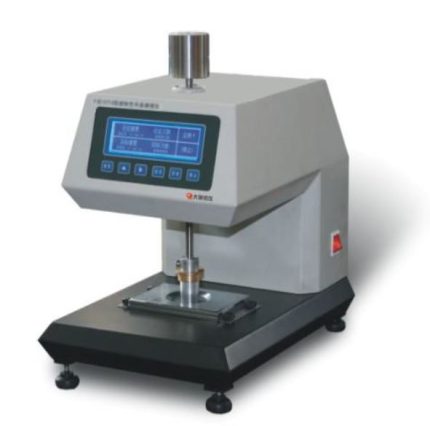
      4. Test accuracy: ≤±0.2%F·S 5. Thickness of elastic diaphragm: ≤2mm 6. Testing area: cm²) 100 50 10 7.3 Dia.φ(mm) φ112.8 φ79.8 φ35.7 φ30.5 7. Air pressure rate: non-linear segmented pressurization (0.1~0.5) L/min 8. Safety cover: high-transparent plexiglass 9. Power supply: AC220V±10% 50Hz 800W 10. Dimensions: (470×490×780)mm (host L×W×H)
      Add to cart
      Quick view
      Fastness Rotary Friction Tester

      Fastness Rotary Friction Tester

      Physical Testing & Fabric Testing
      $0.00

      Fastness Rotary Friction Tester

      Fastness Rotary Friction Tester

      Fastness Rotary Friction Tester

        A Fastness Rotary Friction Tester, also known as a Rotary Crock meter, is a specialized instrument used to evaluate the color fastness of textiles and materials when subjected to rotational rubbing. This test simulates the wear and friction that fabrics experience during use, helping manufacturers assess the durability of dyes and finishes. Purpose of Fastness Rotary Friction Tester The primary function of the Fastness Rotary Friction Tester is to determine how well a fabric's color withstands rubbing, both in dry and wet conditions. This is crucial for ensuring the longevity and appearance of textiles in real-world applications, such as clothing, upholstery, and footwear.   Working Principle of Fastness Rotary Friction Tester The tester operates by applying a specified pressure to a fabric sample using a standardized rubbing finger covered with a test cloth. The rubbing finger performs a set number of rotational movements (typically 1.125 turns clockwise followed by 1.125 turns counterclockwise) over the fabric surface. After the test, the degree of color transfer to the test cloth and any changes in the fabric's appearance are evaluated against standardized gray scales.   Common Testing Standards - AATCC 116: Colorfastness to Crocking: Rotary Vertical Crock meter Method. ISO 105 X16: Textiles—Tests for color fastness—Part X16: Color fastness to rubbing—small areas. - SATRA TM8: Color fastness to rubbing.   Key Specifications of Fastness Rotary Friction Tester - Rubbing Head Diameter: Typically 16 mm. - Applied Pressure: Approximately 1134 grams (11.1 N). - Rotation: 1.125 turns clockwise followed by 1.125 turns counterclockwise. - Sample Size: Commonly 60 mm × 60 mm. - Test Cloth: Standardized white cotton cloth, either dry or wetted depending on the test condition.   Benefits of Fastness Rotary Friction Tester - Realistic Simulation: Mimics the actual wear and friction fabrics undergo during use. - Versatility: Applicable to a wide range of materials, including textiles, leather, and printed fabrics. - Quality Assurance: Ensures products meet industry standards for color durability. - Standard Compliance: Aligns with international testing standards, facilitating global trade and quality benchmarks.   Applications Fastness Rotary Friction Tester - Textile Industry: Assessing the color durability of garments, upholstery, and other fabric products. - Footwear Manufacturing: Testing the colorfastness of shoe uppers and linings. - Automotive Interiors: Evaluating the wear resistance of seat covers and other interior fabrics. Quality Control Laboratories: Routine testing to ensure product consistency and compliance with standards.   Benefits of Fastness Rotary Friction Tester:
      1. Accurate Colorfastness Evaluation- Provides precise assessment of how well fabric resists color loss and staining from rubbing.
      2. Simulates Real-World Wear - Recreates rotational friction found in actual use (e.g., seat covers, apparel wear points).
      3. Supports Wet & Dry Testing - Can test under both dry and wet conditions for comprehensive results.
       
      1. Standardized Testing - Complies with global standards (AATCC 116, ISO 105 X16), ensuring reliable and comparable results.
      2. Time-Saving & Efficient - Quick to set up and run, allowing for high-throughput testing in labs.
      3. Versatile Use- Suitable for textiles, leather, coated fabrics, and printed surfaces.
       
      1. Improves Quality Control - Identifies potential durability issues early in the production process.
      2. Enhances Product Performance - Helps in developing fabrics with better resistance to rubbing and abrasion.
        Features of Fastness Rotary Friction Tester:
      1. Rotary Rubbing Mechanism - Simulates 1.125 clockwise and 1.125 counterclockwise turns for realistic friction.
      2. Standardized Rubbing Head - Fixed diameter (typically 16 mm) with specified pressure (≈1134 g) for consistent results.
      3. Dry and Wet Testing Capability - Can perform tests using dry or wet rubbing cloths.
       
      1. Sample Holder- Secure and easy-to-use fixture for holding fabric samples in place.
      2. Test Cloth Mounting Arm- Quick attachment for standardized white rubbing cloths.
      3. Simple Operation - Manual or motorized operation depending on model; easy to handle for lab technicians.
      4. Compliance with Standards - Follows AATCC 116, ISO 105 X16, and SATRA TM8 protocols.
        How to Use Fastness Rotary Friction Tester:
      1. Prepare the Sample - Cut a fabric piece (typically 60 × 60 mm) and condition it per standard requirements.
      2. Mount the Fabric - Secure the fabric sample on the sample holder or base plate of the tester.
      3. Attach Rubbing Cloth - Place a standard white test cloth (dry or wetted as required) over the rubbing head.
       
      1. Apply Pressure - Lower the rubbing head onto the fabric. Standard weight is about 1134 g.
      2. Start the Test - Operate the tester: the head performs 1.125 turns clockwise, then 1.125 turns counterclockwise.- Number of cycles (typically 10 or 20) is set based on the test standard.
       
      1. Remove and Inspect - After testing, remove the rubbing cloth and assess any color transfer using a gray scale.
      2. Evaluate Fabric Surface - Check the fabric for visible changes, fading, or wear.
       
      1. Record Results - Grade both staining and fabric change per standard gray scale ratings.
          Fastness rotary friction tester [Scope of application] It is used to change the color fastness of the textile, printing and dyeing, printing and other products after a specific track friction. [Related standards] GB / T29865 AATCC116 ISO105-X16, etc. [Instrument characteristics]: 1.Single-chip control, speed can be set freely 2.Imported motor, linear guide, low noise, suitable for long time work 3. Liquid crystal display, film panel 4. Freely set the number of friction, can count up and down, and automatically stop the alarm when the set value is reached [Technical Parameters]: 1. Friction head diameter: 16mm 25mm 2. Vertical pressure: 11.1N 3. Working mode: 405 ° clockwise and 405 ° counterclockwise 4. Speed range: constant 60 rpm, LCD display, thin mold panel 5. Counting range: 0-99999 times 6. Power supply: AC 220V 50Hz 80W 7. Weight: 20KG 8. Volume: L420mm × W260mm × H430mm
      Add to cart
      Quick view
      IR Dyeing Machine Dunlin

      IR Dyeing Machine Dunlin

      Dyeing Lab Machine, Lab Equipment & Instrument, Yarn Dyeing Machine & Equipment
      $0.00
      IR Dyeing Machine Dunlin
      IR Dyeing machine Dunlin is Safe, high efficiency, environment friendly, energy saving, optimum for new dyeing small sample machines

      IR Dyeing Machine Dunlin

      24 pot 300 ml IR Dyeing Machine Dunlin Application  This machine is oil bath type infrared laboratory dyeing machine, it combine the advantages of traditional glycerol dyeing machine with common infrared dyeing machine together. It’s apply to dyeing and testing the color fastness of the knitted fabric, woven fabric, yarn, cotton, loose fiber, zipper etc. It was special design for dyeing industry, chemical industry, raw material, cloth which can simulate the production conditions exactly and reach the process effect. Used for simulate the dyeing process in actual production, even apply for the small-batch production. Characteristics  Safety, high efficiency, environmental protection, energy saving and consumption reduction, which can fully meet the requirements of dyeing and color matching experiments; segmented heating sampling experiments, segmented, uniform  dyeing and Permeability test, dye absorption rate tests of pH, temperature and bath ratio differences, concentration and other tests, etc. In addition, the machine is highly personalized, and can make different specifications of dyeing steel cups according to customer needs. Feature   Easy to operate, dye pot can be individually Turn plate removed to save waiting time. The ability to conduct the tests of various dyes and chemicals on dispersing, leveling, liquor ratio exhausting etc. l Special recommendation for “STEP DYEING "to select the best dyestuff and combinations for the most Suitable dyeing curve to achieve the highest efficiency and quality Different sizes of dye pots for various weight of samples with yarn or fabric holders to ensure the good leveling result .There will be no crease mark.  Suitable for low liquor ratio dyeing. Sample weight from 4g to 20g.  Special design for humanity, durability and easy-maintenance. Safe, high efficiency, environment friendly, energy saving, optimum for new dyeing small sample machines Product Parameter of IR Dyeing machine Dunlin specifically designed with a focus on human usability, durability, and ease of maintenance. It prioritizes safety, high efficiency, and environmental friendliness while also being energy-saving. This machine is optimal for new dyeing small sample machines due to its product parameter advantages. specifically designed to prioritize humanity, durability, and ease of maintenance. It offers a safe, high-efficiency operation while being environmentally friendly and energy-saving. This machine is optimal for new dyeing small sample machines due to its specialized features and product parameters.  Model : IF-24S Infrared Laboratory Dyeing Machine Key Specification Model : IF-12S IF-24S Staining cup number 12/24 Staining cup volume 300cc OR 425cc Control mode LCD Microprocessor type, programmable process number: 100(0—99), 100 programmable steps per process Heat method Infrared heat Temperature range RT - 140 ℃ Temperature control accuracy ±0.2 ℃ Heating rate

      0 - 3.5 ℃ / min Cooling rate 0.2 - 5 ℃ / min Cooling method Air-cooled Rotation speed 0 - 60 rpm Liquor ratio 1:5 -1:100 Power supply 1∮AC 220V 50/60HZ Dimensions( L x W x H) 670×670×780mm 860×680×780mm Weight 100kg 120kg Standard Accessories Cups 1set

      Put the test sample. Cups stand 1set Place where to put cups. Protective glove 1set To avoid to be hurt by HT cups. Model: IF-24SCapacity: 24 pots Brad: DUNLIN Origin: China

      Color dyeing tests for various dyestuffs of IR Dyeing machine Dunlin
      1. Step dyeing tests. C. Dispersing, levelling and impregnating test. D. High or low liquor ratio exhausting tests. E. Fabric steak and staining tests. F. Concentration tests and others. Protection and Safety gates to protect. Temperature control accuracy +/- 0.2degree
      Working temperature of IR Dyeing machine Dunlin 20 – 140 degree Heating rate of dye bath 0 – 3.5degree / min Cooling rate 0.2 – 5 degree / min Cooling method air-cooled / Auto Speed control frequency conversion Rotation speed 0 – 60 turn / min Microprocessor type Newhaven controller 99 programs each Program with 99steps. IR Dyeing Machine Dunlin
      IR Dyeing machine

      IR Dyeing machine

       
      Add to cart
      Quick view
      Digital Bench top PH Meter
      Digital Bench top PH Meter
      Digital Bench top PH Meter

      Dyeing Lab Machine
      $0.00

      Digital Bench top PH Meter

      Digital Bench top PH Meter

      Digital Bench top PH Meter

      Brand: Hanna Model: HI2002 Country of Manufacture: Romania Origin: USA

      Digital Bench top PH Meter

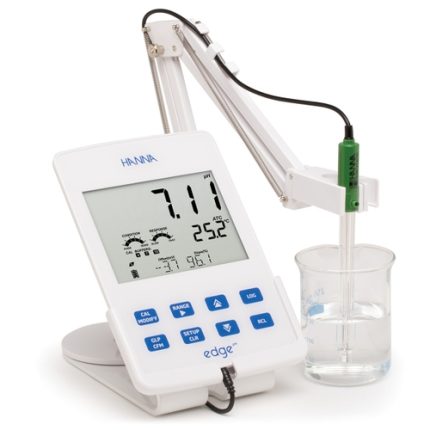
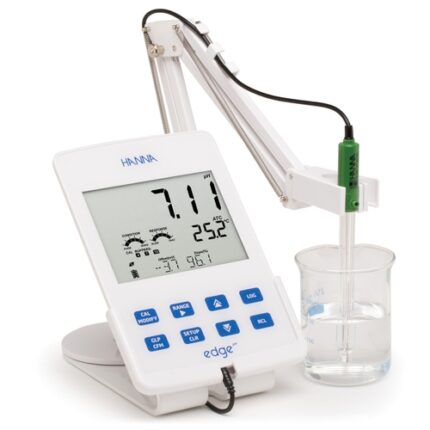
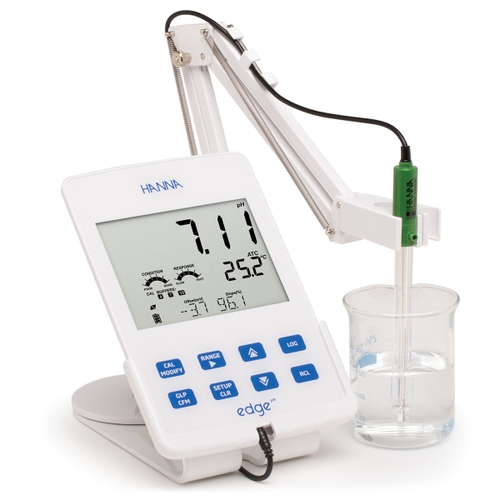
      Single parameter of Digital Bench top PH Meter features user-friendly tablet design with bench, portable or wall mount options for ultimate flexibility. Switch from portable to bench in the same procedure or clear the surface for easier working and hang on the wall. Digital Bench top PH Meter Range -2.00 to 16.00pH; pH  Digital smart electrode compatible  Accuracy: ±0.01 pH edge® pH is dedicated to testing pH. Using Hanna's latest innovation in technology and design, edge® can be adapted to suit your working method. Select from hand held, wall mount or bench top - or switch between them all. edge® is happy any which way. Simply plug in the electrode, then play. Measurement is simpler, quicker and more accurate than ever. Results are fast and reliable. Combining high precision technology with the user-friendly dimensions and format of a small digital tablet, edge® is breaking new ground in electrochemistry. This is a must-have meter for your laboratory.
      pH Range basic mode: -2.00 to 16.00 pH; standard mode: -2.000 to 16.000 pH
       Resolution basic mode: 0.01 pH; standard mode: 0.001 pH
       Accuracy (@25°C) basic mode: ±0.01 pH; standard mode: ±0.002 pH
       Calibration basic mode: automatic, up to three points calibration, 5 standard buffers available; standard mode: automatic, up to five point calibration, 7 standard buffers available and two custom buffers
      Temperature Compensation automatic, -5.0 to 100.0°C (using integral temperature sensor)
      Electrode Diagnostics standard mode: probe condition, response time and out of calibration range
      mV pH Range ±1000 mV
       Resolution 0.1 mV
       Accuracy (@25°C) ±0.2 mV
      ORP Range ±2000 mV
       Resolution 0.1 mV
       Accuracy (@25°C) ±0.2 mV
      Temperature Range -20.0 to 120.0°C
       Resolution 0.1°C
       Accuracy ±0.5°C
      Additional Specifications:
       Probe HI-11310 digital glass body pH electrode with 3.5mm connector and 1m cable
       Logging up to 1000 (400 for basic mode) records organised in: manual log-on demand (max. 200 logs), manual log-on-stability (max. 200 logs), interval logging (max. 600 samples; 100 lots)
       Connectivity 1 USB port for storage; 1 micro USB port for charging and PC connectivity
       Environment 0 to 50°C; RH max 95% non-condensing
       Power Supply 5 VDC adapter (included)
       Dimensions 2020 x 140 x 12 mm
       Weight 250 g
      A Digital Bench Top pH Meter is a laboratory-grade instrument designed to measure the pH (acidity or alkalinity) of liquid samples with high precision. It's commonly used in research labs, industrial applications, environmental testing, and educational institutions. Key Features of a Digital Bench Top pH Meter
      1. High Accuracy and Resolution
      - Offers precise pH measurements, often with accuracy up to ±0.01 pH units. - Suitable for applications where exact pH control is critical.  
      1. Digital Display   - Large, clear LCD or LED screen shows pH readings, temperature, and sometimes mV or ion      concentration.   - Some models include a backlit display for better visibility.
       
      1. Electrode System   - Uses a pH-sensitive electrode (usually glass) connected to a reference electrode. Electrodes are often replaceable and require regular calibration and maintenance.
       
      1. Temperature Compensation - Automatic or manual temperature compensation to correct pH readings based on sample temperature.   - Integrated temperature sensors or separate probes are used.
      1. Calibration Functions   - Supports 2-point, 3-point, or multi-point calibration using standard buffer solutions.   - Auto-recognition of calibration buffers in advanced models.
      1. Data Storage and Connectivity   - Internal memory for storing results.   - USB or RS232 ports for data export to PCs or printers; some models support wireless connectivity.
      1. Sturdy Design   - Benchtop models are larger and more stable than portable meters.   - Often come with a durable casing and electrode arm for hands-free operation.
      Applications - Water quality testing (e.g., in wastewater treatment, drinking water monitoring) - Chemical and pharmaceutical industries - Food and beverage production - Biological and environmental research - Educational laboratories A Digital Bench Top pH Meter offers numerous benefits, making it a preferred choice in laboratory and industrial environments where accuracy, reliability, and ease of use are essential. Benefits of a Digital Bench Top pH Meter
      1. High Accuracy and Precision
      - Provides accurate and consistent pH readings, often with ±0.01 pH resolution. - Ideal for scientific and quality control applications where precise pH monitoring is critical.  
      1. User-Friendly Interface- Digital displays (LCD/LED) make readings easy to see and interpret.- Many models offer intuitive controls and guided calibration, simplifying operation.
       
      1. Advanced Calibration Features- Supports multi-point calibration for improved accuracy across a wide pH range.- Some models automatically recognize buffer solutions, reducing user error.
      1. Temperature Compensation- Automatic temperature compensation (ATC) corrects readings based on sample temperature, ensuring accuracy.
      1. Stable and Durable Design- Benchtop units are more robust and stable than handheld devices, reducing the risk of spills or tipping.- Often include electrode holders or arms for secure, hands-free measurements.
      1. Data Management and Connectivity- Built-in memory for storing measurement data.USB, RS232, or wireless connectivity for exporting data to computers or laboratory information systems (LIS).
      1. Multi-Functionality- Some models also measure ORP (oxidation-reduction potential), ion concentration, or conductivity.- Suitable for a variety of testing needs beyond just pH.
      1. Ideal for Long-Term Use- Designed for prolonged and repeated use in laboratory environments.- Replaceable electrodes and parts extend the meter’s usable life.
      1. Compliance and Documentation- Data logging features support documentation and compliance with regulatory standards in regulated industries (e.g., pharma, food, environmental testing).
       
      Add to cart
      Quick view
      Oscillation Type Water Bath Dyeing Machine
      Oscillation Type Water Bath Dyeing Machine

      Oscillation type water bath Dyeing Machine

      Dyeing Lab Machine, Yarn Dyeing Machine & Equipment
      $0.00
      Oscillation Type Water Bath Dyeing Machine
      Oscillation Type Water Bath Dyeing Machine

      water bath/Shaker bath Dyeing machine
      An Oscillation Type Water Bath Dyeing Machine is a laboratory apparatus designed for dyeing and washing textile samples under controlled temperature conditions. It combines a heated water bath with an oscillating mechanism to ensure uniform dye penetration and consistent coloration across fabric or yarn samples.   Key Features of Oscillation Type Water Bath Dyeing Machine - Oscillating Mechanism: Provides back-and-forth movement to agitate the dye solution, ensuring even contact between the dye and the textile sample.- Multiple Beaker Capacity: Typically accommodates 12 to 24 beakers, allowing simultaneous processing of multiple samples under identical or varied conditions.   - Digital Temperature Control: Maintains precise temperature settings, usually up to 99°C, suitable for various dyeing processes including atmospheric dyeing, scouring, and bleaching.- Adjustable Oscillation Speed: Offers variable speed settings, commonly ranging from 50 to 200 cycles per minute, to accommodate different fabric types and dyeing requirements. - Programmable Settings: Advanced models come with programmable controllers, allowing users to set and save multiple dyeing protocols for repeatability and efficiency. Durable Construction: Constructed with high-quality stainless steel (e.g., SUS304), ensuring resistance to corrosion and longevity even under rigorous laboratory conditions.   ✅ Benefits of Oscillation Type Water Bath Dyeing Machine - Uniform Dyeing Results: The oscillation mechanism ensures consistent dye penetration, reducing the risk of uneven coloration and enhancing the reproducibility of results.- Efficiency in Sample Processing: The ability to process multiple samples simultaneously accelerates laboratory workflows and facilitates comparative studies.   - Versatility: Suitable for a range of applications including dyeing, washing, scouring, bleaching, and fastness testing across various textile materials.- Energy and Resource Conservation: Designed for low liquor ratios (e.g., 1:5 to 1:20), these machines minimize water and chemical usage, promoting sustainable laboratory practices.   - Enhanced Safety and Cleanliness: Enclosed beaker systems reduce the risk of spills and exposure to chemicals, ensuring a safer laboratory environment.   Typical Applications of Oscillation Type Water Bath Dyeing Machine - Textile Research and Development: Ideal for developing and testing new dye formulations and processes on a small scale before scaling up to production levels. Quality Control: Used in quality assurance laboratories to assess color fastness, dye uptake, and other critical parameters of textile products.- Educational Purposes: Serves as a practical tool in academic settings for teaching dyeing principles and techniques. In summary, the Oscillation Type Water Bath Dyeing Machine is an essential tool in textile laboratories, offering precise control over dyeing parameters, improving efficiency, and ensuring high-quality, reproducible results across various textile materials.   Features of Oscillation Type Water Bath Dyeing Machine:
      1. Oscillating Mechanism - Provides back-and-forth movement of beakers for uniform dye penetration and sample agitation.
      2. Multiple Beaker Capacity - Supports dyeing of 12–24 samples simultaneously, ideal for comparative lab testing.
       
      1. Digital Temperature Control - Maintains precise water bath temperature (typically up to 99°C), essential for consistent dyeing.
      2. Variable Oscillation Speed - Adjustable speed settings (e.g., 50–200 cycles/min) to suit different materials and processes.
       
      1. Programmable Settings - Allows setting of temperature, time, and speed for repeatable and automated dyeing cycles.
      2. Stainless Steel Construction - Corrosion-resistant frame and bath for durability in chemical environments.
       
      1. Beaker Safety Holders - Secure placement of beakers to prevent spills and maintain consistent treatment.
      2. Compact Design - Lab-friendly size for easy integration into research and quality control spaces.
      3. Low Liquor Ratio Operation - Efficient dyeing using minimal dye bath volume (e.g., 1:5 to 1:20), reducing chemical and water use.
      4. Quiet and Stable Performance
      Engineered for smooth, vibration-free operation in laboratory conditions.     Oscillation Type Dyeing Machine Brand: DUNLIN Model:DL-D24 Origin: China Pot Capacity:24 Pot , 250ml SS Beaker Heating Mode: Electric heating Heating Medium: Water/ glycerin Heating Power: 3 Kw Temperature Range: RT- 99℃/250℃ Liquor Ratio: 1:5-:20 Thermostat Tiime:0~99min Oscillation: Speed:50-200rpm Oscillation Range: 40±3mm Power supply: 1∮AC 220V 50/60HZ Dimensions (LxWxH): 880×420×330mm Oscillation Type Dyeing Machine Dunlin price in Bangladesh Oscillation Type Dyeing Machine Dunlin in textile Textile testing equipment in Bangladesh Textile testing equipment in Dhaka Textile testing equipment in Uttara MAAM tex Oscillation Type Dyeing Machine Dunlin price in Bangladesh
      Oscillation Type Water Bath Dyeing Machine

      water bath/Shaker bath Dyeing machine
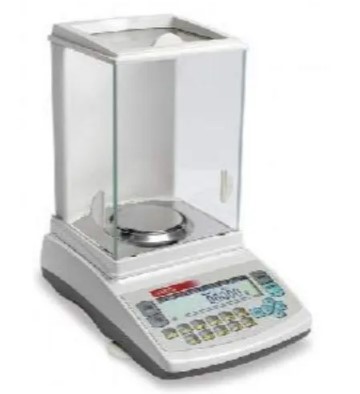
      Oscillation Type Dyeing Machine
      Add to cart
      Quick view
      Pantone Book

      Pantone book

      Lab Equipment & Instrument, Dyeing Lab Machine
      $0.00

      Pantone Book

      Pantone Book

      Pantone Book

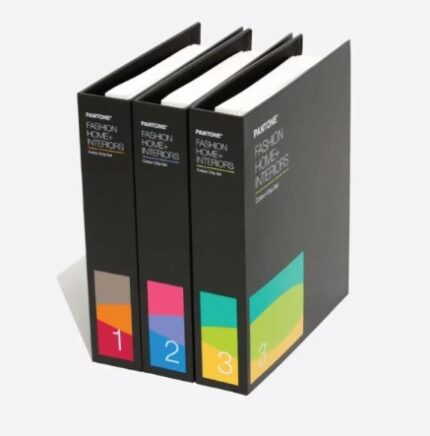
        A Pantone Book, commonly referred to as a Pantone Color Guide, is a professional color matching tool used across industries like graphic design, fashion, printing, packaging, and product manufacturing. It helps ensure consistent color communication from design to final production.   What It Does? - Displays standardized Pantone colors in fan-deck or chip book format. - Provides color codes, ink formulas, and finish types for accurate color replication.     Types of Pantone Books:
      1. Formula Guide (Solid Coated & Uncoated) – For spot color printing.
      2. Color Bridge – Shows Pantone spot colors alongside CMYK equivalents.
      3. Pantone Fashion, Home + Interiors (FHI) – For textiles, soft goods, and home decor.
      4. Pantone CMYK and Pastels & Neons Guides – For process printing and special effect colors.
        ⚙️ Features of Pantone Book: - Thousands of pre-defined colors. - Ink mixing formulas (for printers). - Available in coated, uncoated, and matte finishes. - Some include digital tools or access to Pantone Connect software.   ✅ Benefits of Pantone Book: - Ensures accurate color matching across designers, clients, and manufacturers. - Supports branding consistency across all printed and physical materials.   key benefits of using a Pantone Book: ✅ 1. Accurate Color Communication- Ensures consistent color matching between designers, printers, and manufacturers—globally. ✅ 2. Industry Standard- Trusted across printing, fashion, packaging, and branding for reliable color references.   ✅ 3. Saves Time and Reduces Errors - Eliminates guesswork in color approval, helping avoid costly reprints or corrections. ✅ 4. Versatile Applications - Supports multiple media types: print, fabric, plastics, digital design, etc. ✅ 5. Real-World Color View - Physical swatches show true ink or dye appearance, which digital screens can’t replicate accurately.   ✅ 6. Ink Mixing Formulas - Provides exact mixing guides for printers to replicate spot colors precisely. ✅ 7. Global Consistency - Helps maintain brand color consistency across international production sites.   key features of a Pantone Book: 1. Standardized Color System - Includes thousands of pre-defined Pantone Matching System (PMS) colors with unique codes. 2. Multiple Finish Types - Available in Coated (C), Uncoated (U), Matte (M) formats to match different printing surfaces.   3. Fan Deck or Chip Format - Comes in portable fan-deck or tear-away chip books for easy reference and sharing. 4. Ink Mixing Formulas - Provides precise ink formulas for each color, ideal for print production. 5. Specialized Editions - Guides tailored for graphic design, textiles (FHI), plastics, and digital design.   6. Cross-Media Consistency - Ensures uniform color across print, web, fabric, and packaging. 7. Digital Integration - Many books include access to Pantone Connect for digital workflow and color data sync.   Here’s a simple guide on how to use a Pantone Book effectively: ✅ 1. Choose the Right Pantone Book - Use Formula Guide for print. - Use FHI (Fashion, Home + Interiors) for textiles. - Use Color Bridge to compare spot colors with CMYK.   ✅ 2. Select the Color - Flip through the fan deck or chip book to find the desired color. - Note the Pantone code (e.g., Pantone 186 C for coated paper). ✅ 3. Communicate the Code - Share the Pantone number with printers, manufacturers, or team members to ensure consistent color use.   ✅ 4. Use the Right Finish - Make sure you're referencing coated, uncoated, or matte depending on your final material. ✅ 5. Compare to Printed Proofs - Use the physical Pantone swatch to check if print proofs or samples match. ✅ 6. Maintain Lighting Consistency - View colors under standard lighting (D50) for accurate color judgment.   ✅ 7. Store Properly - Keep the Pantone book in a cool, dry place and replace it every 12–18 months to avoid fading.   Pantone offers a diverse range of color guides tailored to various industries and applications. Here's an overview of the main Pantone book models:     Pantone Graphics & Print Guides  
      1. Formula Guide (Solid Coated & Uncoated)
      - Features over 2,390 spot colors with corresponding ink formulations. - Essential for branding, packaging, and print design. - Provides accurate color matching for solid colors.  
      1. Color Bridge Guide (Coated & Uncoated)
      - Displays side-by-side comparisons of Pantone spot colors and their closest CMYK equivalents. - Includes CMYK, RGB, and HEX values for digital and print consistency. - Ideal for projects requiring color translation across different media.  
      1. CMYK Guide (Coated & Uncoated)
      - Contains a comprehensive range of CMYK colors. - Useful for four-color process printing without spot colors. - Helps in selecting colors achievable through standard CMYK printing.  
      1. Pastels & Neons Guide
      - Offers a collection of soft pastel and vibrant neon colors. - Suitable for creative projects in fashion, print, and packaging. - Provides unique color options for special design applications.  
      1. Metallics Guide
      - Features metallic spot colors for premium print finishes. Ideal for luxury packaging, branding, and high-end print materials. - Adds a sophisticated touch to printed designs.   Pantone Fashion, Home + Interiors (FHI) Guides
      1. FHI Color Guide (TPG – Paper)
      - Contains a wide range of colors for non-fabric materials. - Used in product design, cosmetics, and interiors. - Provides color inspiration for various applications.  
      1. FHI Cotton Passport & Cotton Planner (TCX – Textile)
      - Offers colors on cotton fabric swatches. - Essential for textile and apparel design. - Ensures accurate color communication in fabric production.  
      1. FHI Polyester Swatch Book
      - Includes colors on polyester fabric. - Useful for sportswear, footwear, and synthetic textiles. - Provides color options specific to polyester materials.   Pantone Specialty Guides  
      1. Pantone SkinTone Guide
      - Features a range of skin tone colors. - Used in cosmetics, healthcare, and product development. - Aids in creating products that match diverse skin tones.  
      1. Pantone Plastic Standard Chips
      - Provides color references on plastic substrates. - Essential for industrial design, consumer electronics, and appliances. - Ensures color accuracy in plastic product manufacturing.   Pantone Bundles & Studio Sets   - Portable Guide Studio - A comprehensive set including multiple Pantone guides. - Designed for professionals needing a wide range of color references. - Convenient for on-the-go color selection and matching.   - Essentials Set - Combines key Pantone guides into one package. - Ideal for designers seeking a versatile color toolkit. - Offers a cost-effective solution for comprehensive color needs.   Each Pantone guide serves specific purposes across different industries. Selecting the appropriate guide depends on your project's requirements and the materials involved.
      Pantone Book

      Pantone Book

       
      Add to cart
      Quick view
      • Address
        • House 05, Road 3/A, Sector 09, Uttara, Dhaka.
      • Phone
        • 01713741546, 01974741546, 01714634452, 01838488804
      • Email
        • maamtexbd@gmail.com, info.maamtex@gmail.com, mamun@maamtexbd.com, info@maamtexbd.com
      • USEFUL LINKS
        • Privacy Policy
        • Terms & Conditions
      • USEFUL LINKS
        • Home
        • Contact Us
        • About Us

      SOCIAL MEDIA:

      Copyright Reserved by Maamtexbd 2024 | Developed by Systemeye.net.
      • Menu
      • Categories
      • Electronics
      • Lab Scientific Item
      Create your first navigation menu here
      Shopping cart
      Close
      Accessibility Adjustments

      Powered by OneTap

      How long do you want to hide the toolbar?
      Hide Toolbar Duration
      Select your accessibility profile
      Vision Impaired Mode
      Enhances website's visuals
      Seizure Safe Profile
      Clear flashes & reduces color
      ADHD Friendly Mode
      Focused browsing, distraction-free
      Blindness Mode
      Reduces distractions, improves focus
      Epilepsy Safe Mode
      Dims colors and stops blinking
      Content Modules
      Font Size

      Default

      Line Height

      Default

      Color Modules
      Orientation Modules
      Chat Now